1.The Struggle Between Passion and Duty
Kristin’s life is defined by her ongoing conflict between personal desire and the expectations of her family, society, and faith. Her passionate love for Erlend, in defiance of her parents’ wishes and social norms, sets the course for her life’s joys and sorrows. The novel doesn’t romanticize rebellion: it shows the costs of following one’s heart, and the burdens that come with choices made in youth. Kristin’s journey reflects the universal tension between individual longing and the responsibilities we inherit.
2.Medieval Faith and Spirituality
Undset immerses readers in the Catholic worldview of medieval Norway, where faith shapes every aspect of life. Kristin’s relationship with God is deeply personal, marked by guilt, repentance, and striving for grace. The novel explores how religious belief can both comfort and torment, offering solace in suffering but also demanding sacrifice. Kristin’s spiritual evolution is as central as her romantic and familial struggles, making the book a meditation on the nature of sin, redemption, and the search for meaning.
3.The Complexity of Womanhood
Kristin Lavransdatter is remarkable for its nuanced portrayal of a woman’s inner life. Kristin is neither idealized nor demonized; she is flawed, strong-willed, loving, and sometimes selfish. The novel examines her roles as daughter, wife, mother, and landowner, highlighting the limited choices and heavy burdens placed on women in her era. Yet Kristin’s agency and resilience shine through, making her story resonate with modern readers interested in the evolution of female identity.
4.Family, Legacy, and the Weight of the Past
Family ties are both a source of strength and a source of conflict for Kristin. Her bond with her father, Lavrans, is tender and foundational, while her marriage to Erlend is passionate but fraught. The novel explores how family expectations, inherited values, and the consequences of past actions shape lives across generations. Kristin’s struggles with her children and her efforts to secure their future mirror her own youthful defiance, suggesting the cyclical nature of family dynamics.
5.Historical Immersion and Realism
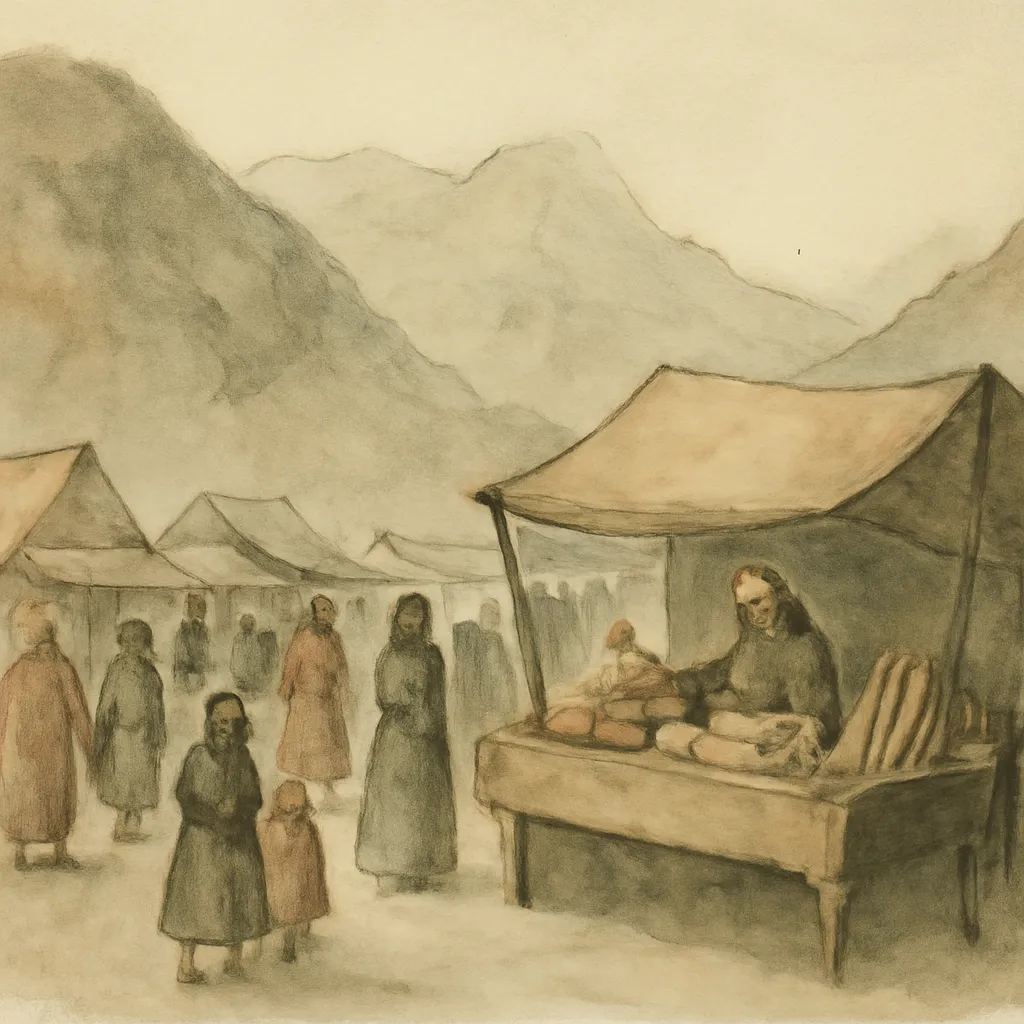
Undset’s meticulous research brings medieval Norway to life with extraordinary detail, from daily routines to religious rituals and political upheavals. The landscape, customs, and social structures are rendered with authenticity, making the setting a living character in the story. This realism grounds the novel’s emotional drama, allowing readers to experience the foreignness and familiarity of a distant time.
6.The Cost of Choices and the Possibility of Redemption
Throughout the trilogy, Kristin’s decisions—particularly her defiance and later her efforts to atone—shape her destiny. The narrative does not offer easy forgiveness or neat resolutions; instead, it emphasizes the enduring consequences of actions and the hard-won nature of grace. Kristin’s journey toward self-understanding and spiritual peace is arduous, but ultimately, the novel affirms the possibility of redemption through humility, love, and faith.