1.The Complexity of Native American Identity
Cooper paints a nuanced picture of Native American identity through his characters, particularly the Mohicans. Chingachgook and Uncas embody the noble traits often associated with Native American culture: bravery, loyalty, and a deep connection to the land. Yet, they also face the tragic reality of their dwindling numbers and the encroaching European settlers. This juxtaposition highlights the complexity of their identity; they are not merely 'savages' but individuals with rich traditions and values. As the last of their tribe, they symbolize both the resilience of Native culture and the impending loss due to colonial expansion. Cooper’s portrayal challenges stereotypes, inviting readers to empathize with the Mohicans rather than view them through a lens of otherness.
2.The Harsh Realities of War
The narrative unfolds during the brutal French and Indian War, where the wilderness becomes both a battleground and a character in its own right. Cooper vividly depicts the challenges faced by both the British and French forces, as well as Native tribes caught in the conflict. The wilderness is treacherous, filled with natural obstacles that mirror the chaos of war. Characters navigate dense forests, swift rivers, and unpredictable weather, reflecting the tumultuous nature of their circumstances. The violence of war is not glossed over; Cooper presents the horrors of battle, the losses, and the psychological toll on individuals, particularly through the experiences of Major Heyward and Colonel Munro. This realistic portrayal serves as a critique of war, illustrating its senselessness and the suffering it inflicts on all parties involved.
3.Loyalty and Brotherhood
At the heart of the narrative is the theme of loyalty, particularly among the characters of Uncas, Chingachgook, and Hawkeye. Their bond exemplifies a brotherhood that transcends cultural boundaries, as they unite against a common enemy. Hawkeye, a white frontiersman, embodies the ideal of loyalty to his Native American allies, showcasing a rare camaraderie in a time of rampant division. The relationships among these characters are characterized by mutual respect and a shared mission, highlighting the importance of loyalty in times of crisis. This theme culminates in moments of sacrifice, as characters put their lives on the line for one another, reinforcing the idea that loyalty is a powerful force that can bridge cultural divides.
4.Love Amidst Chaos
Romantic love weaves through the narrative, with the relationships between Cora, Alice, and their suitors serving as a counterbalance to the chaos of war. Cora's connection to Uncas represents a union between cultures, embodying the potential for harmony in a divided world. Their love is not without obstacles, as societal expectations and the realities of their circumstances threaten to tear them apart. Alice's more traditional romance with Major Heyward contrasts with Cora's passionate and dangerous liaison, reflecting the varying expressions of love during tumultuous times. Through these relationships, Cooper explores the power of love as a source of hope and strength, even amidst the darkest moments of conflict.
5.Cultural Conflict and Misunderstanding
The interactions between European settlers and Native Americans illustrate the cultural misunderstandings that fuel conflict. Characters like Magua, a Huron warrior, exemplify the complexities of loyalty and betrayal, as he navigates his own grievances against the British. Magua's desire for revenge against Colonel Munro, whom he holds responsible for his people's suffering, reveals the deep-seated animosities that arise from colonialism. Cooper emphasizes that these conflicts are rooted not merely in personal vendettas but in a broader context of cultural clash and historical grievances. The misunderstandings often lead to tragic outcomes, underscoring the need for empathy and communication in addressing conflicts.
6.The Role of Nature
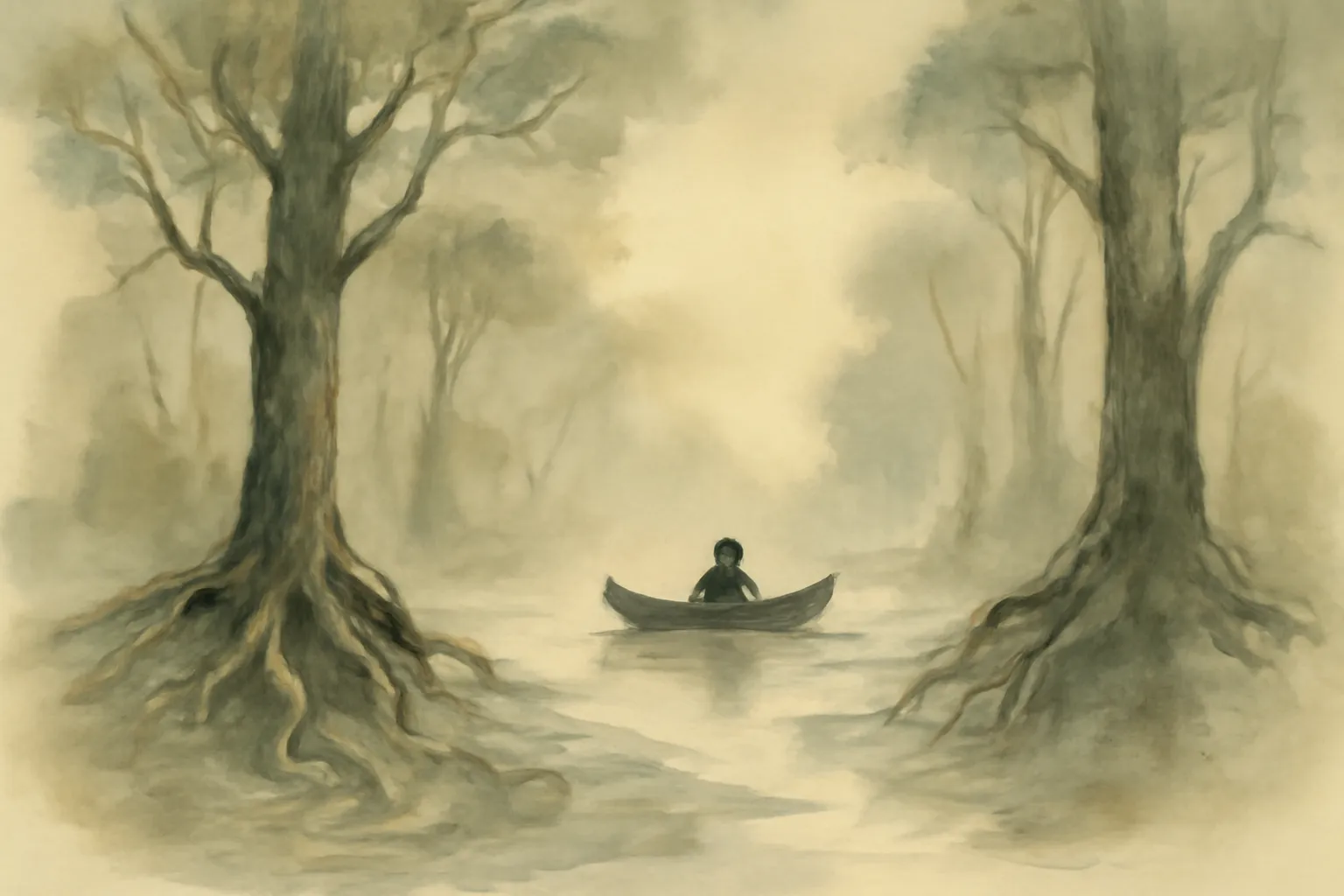
Nature is a dominant force in 'The Last of the Mohicans,' shaping the characters' journeys and experiences. Cooper uses vivid imagery to depict the American wilderness as both beautiful and perilous. The dense forests, rushing rivers, and rugged mountains serve as a backdrop for the characters' struggles, symbolizing the untamed spirit of the land. Nature's unpredictability mirrors the volatility of human conflict, reminding readers of the raw power of the environment. Additionally, the characters' deep connection to nature reflects the values of Native American culture, emphasizing respect for the land as a vital aspect of their identity. This theme invites readers to consider humanity's relationship with nature and the consequences of neglecting it.
7.Heroism and Sacrifice
Heroism is a central theme in Cooper's narrative, manifesting in both grand gestures and quiet acts of bravery. Uncas and Chingachgook, as the last of the Mohicans, embody the idea of noble sacrifice for the greater good. Their willingness to confront danger to protect the Munro sisters highlights the valor associated with their characters. Additionally, Hawkeye's relentless pursuit of loyalty and justice showcases a different form of heroism rooted in moral conviction. Cooper's depiction of heroism is not limited to physical prowess; it also encompasses moral courage and the willingness to stand against injustice, regardless of the personal cost. This nuanced understanding of heroism encourages readers to reflect on what it means to be a hero in their own lives.
8.The Tragic Loss of a Culture
Cooper poignantly illustrates the tragic decline of the Mohican tribe as a result of colonial expansion and conflict. The narrative serves as a lament for a culture on the brink of extinction, embodied in the characters of Chingachgook and Uncas. Their struggles symbolize the broader historical narrative of Native American displacement and the loss of ancestral lands. Cooper's portrayal of the last of the Mohicans evokes a sense of mourning for a culture that, while resilient, is ultimately unable to withstand the forces of colonization. This theme resonates with contemporary discussions about cultural preservation and the impact of historical injustices, inviting readers to reflect on the legacies of colonization that continue to affect Indigenous communities today.
9.Moral Ambiguity in Conflict
The characters in 'The Last of the Mohicans' grapple with moral ambiguity as they navigate the complexities of war and loyalty. Major Heyward, for instance, embodies the conflicts faced by colonial soldiers torn between duty to their country and the ethical implications of their actions. The narrative challenges readers to consider the moral complexities that arise in times of conflict, where the lines between right and wrong become blurred. Magua's character further complicates this moral landscape; while he is portrayed as an antagonist, his motivations stem from a desire for justice and revenge for his people's suffering. This exploration of moral ambiguity prompts readers to question their own beliefs about loyalty, justice, and the consequences of their choices.
10.The Significance of Storytelling
Cooper emphasizes the importance of storytelling as a means of preserving culture and history throughout the narrative. The oral traditions of the Mohicans serve as a way to connect past and present, reinforcing the idea that stories carry the weight of history and memory. Characters like Chingachgook often share tales of their ancestors, imparting wisdom and lessons learned through generations. This act of storytelling not only preserves cultural heritage but also strengthens the bonds among characters, creating a shared sense of identity. Cooper's focus on storytelling invites readers to reflect on the power of narratives in shaping our understanding of history and the importance of preserving diverse voices within that history.