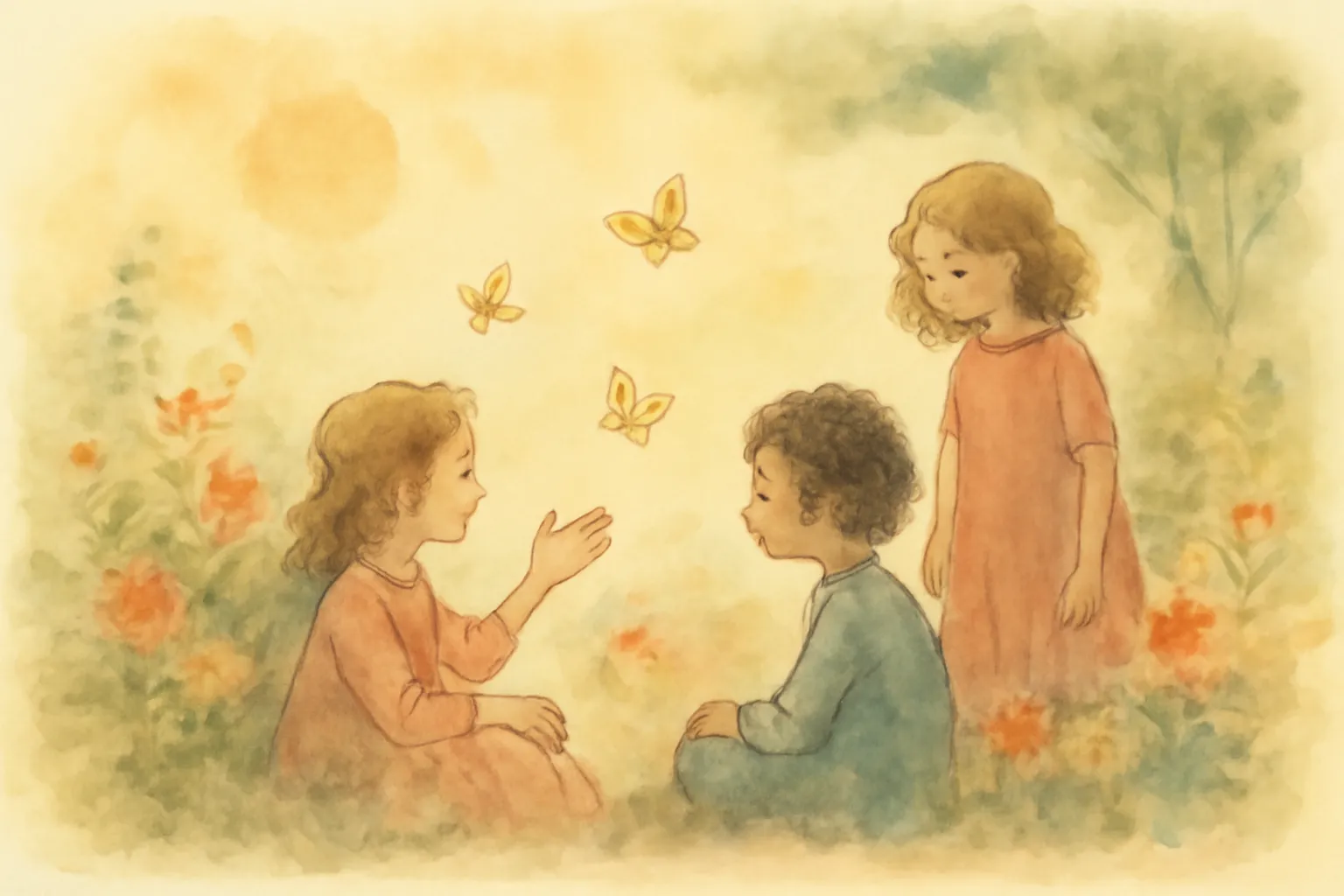
1.The Innocence of Childhood and Moral Lessons
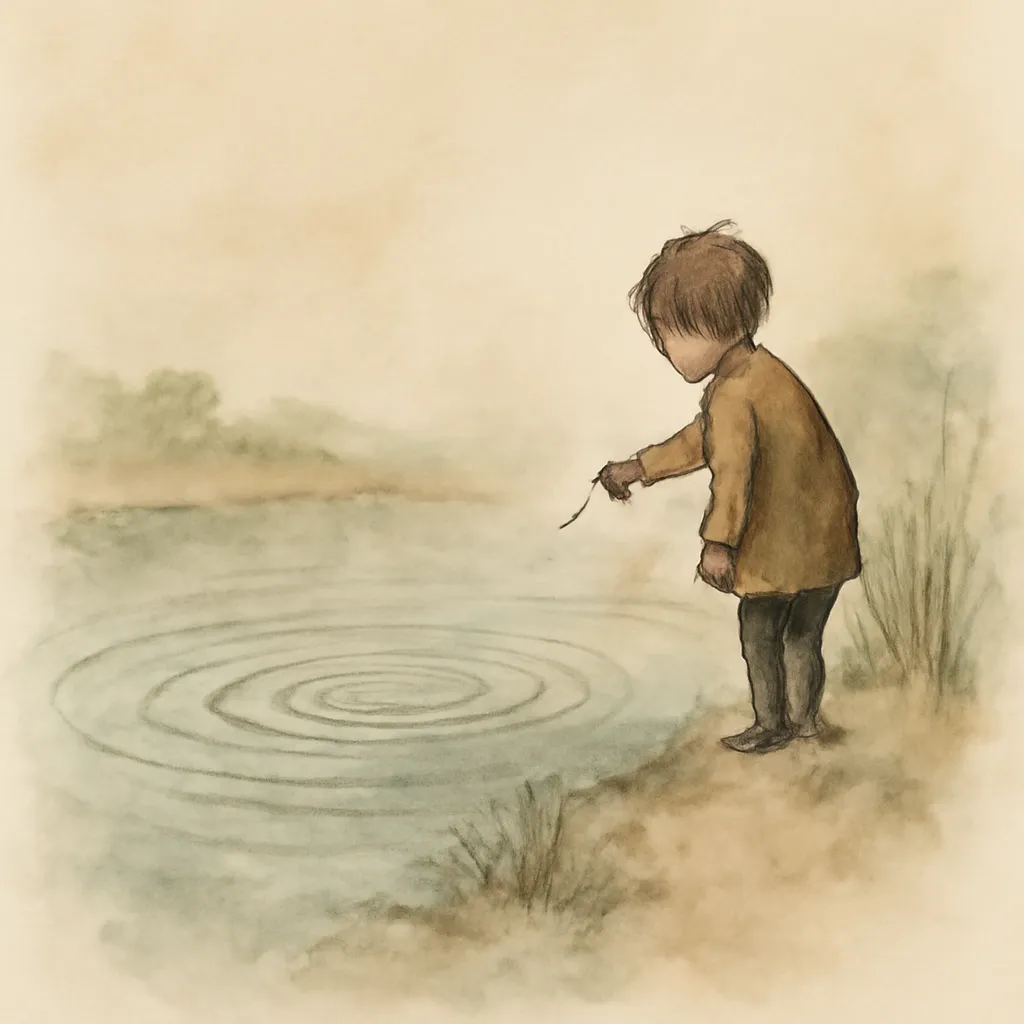
Ewing's stories resonate with the innocence of childhood, where every action carries moral weight and significance. The children in her narratives grapple with concepts of right and wrong, often reflecting on their relationships with their parents and neighbors. For instance, the conflict between the protagonist's family and the wealthy Old Squire over the path through Mary's Meadow serves as a backdrop for exploring themes of greed and fairness. The children's struggle to love their neighbors, despite their own desires, illustrates the challenge of cultivating empathy in a world often driven by self-interest. This moral complexity is a hallmark of Ewing's writing, as she adeptly captures the internal conflicts of youth. In one story, the children's deep-seated fears and desires clash with their mother's insistence on sharing and kindness, leading to moments of introspection that define their character development. Ewing uses these moral dilemmas to emphasize the importance of ethical behavior and the impact of one's actions on others, which remains relevant across generations.
2.Nature as a Source of Comfort and Growth
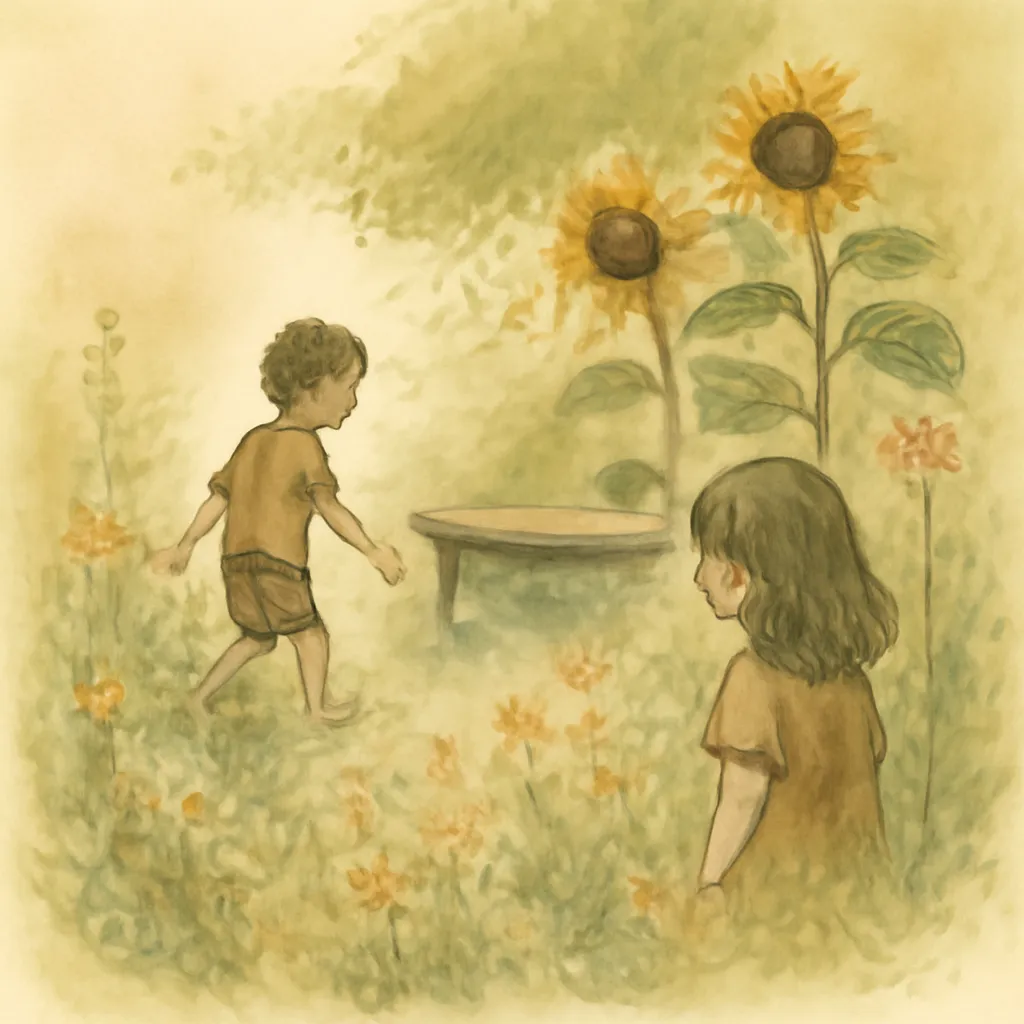
Throughout 'Last Words,' nature emerges as a powerful motif, serving as both a source of comfort and a catalyst for personal growth. The garden, particularly Mary's Meadow, symbolizes a sanctuary where the children can explore their imaginations and cultivate their understanding of the world. Ewing's detailed descriptions of flowers and gardening activities reflect her own passion for horticulture, inviting readers to appreciate the beauty and serenity of nature. For example, the children's planting and nurturing of specific flowers mirror their emotional journeys, highlighting how tending to a garden can parallel the nurturing of relationships and personal values. The act of gardening becomes a metaphor for patience and care, as the children learn to wait for their flowers to bloom just as they wait for their own identities to emerge. Ewing illustrates the cyclical nature of growth in both the garden and the children's lives, reinforcing the idea that nurturing one's environment is crucial for personal development.
3.Conflict and Resolution in Familial Relationships
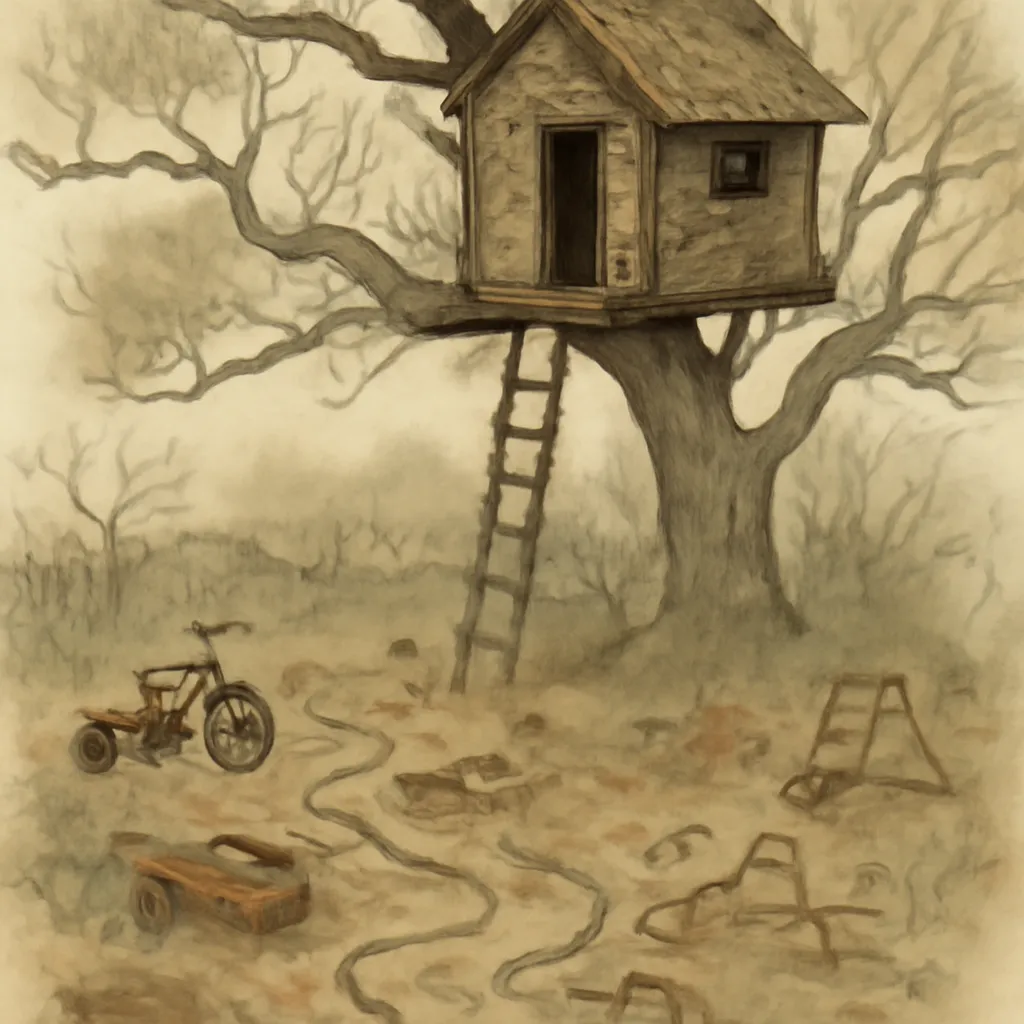
Ewing skillfully navigates the complexities of familial relationships, particularly the dynamics between parents and children. The children in her stories often seek approval and understanding from their parents, who themselves are flawed individuals grappling with their own issues. For example, the tension between Mother and Father regarding the Squire's disputes reflects the broader theme of communication breakdown within families. Ewing captures the nuances of these interactions, portraying parents as both authoritative figures and vulnerable humans. The children's desire to please their parents while asserting their independence creates a rich tapestry of emotional conflict that shapes their development. In another instance, the children experience a moment of crisis when their actions inadvertently upset the harmony of the household, prompting a heartfelt conversation that allows them to understand their parents' perspectives. This exploration of family dynamics resonates deeply, offering insights into the challenges of parenting and the importance of empathy, ultimately suggesting that conflict can lead to growth and deeper connection.
4.The Role of Imagination in Childhood
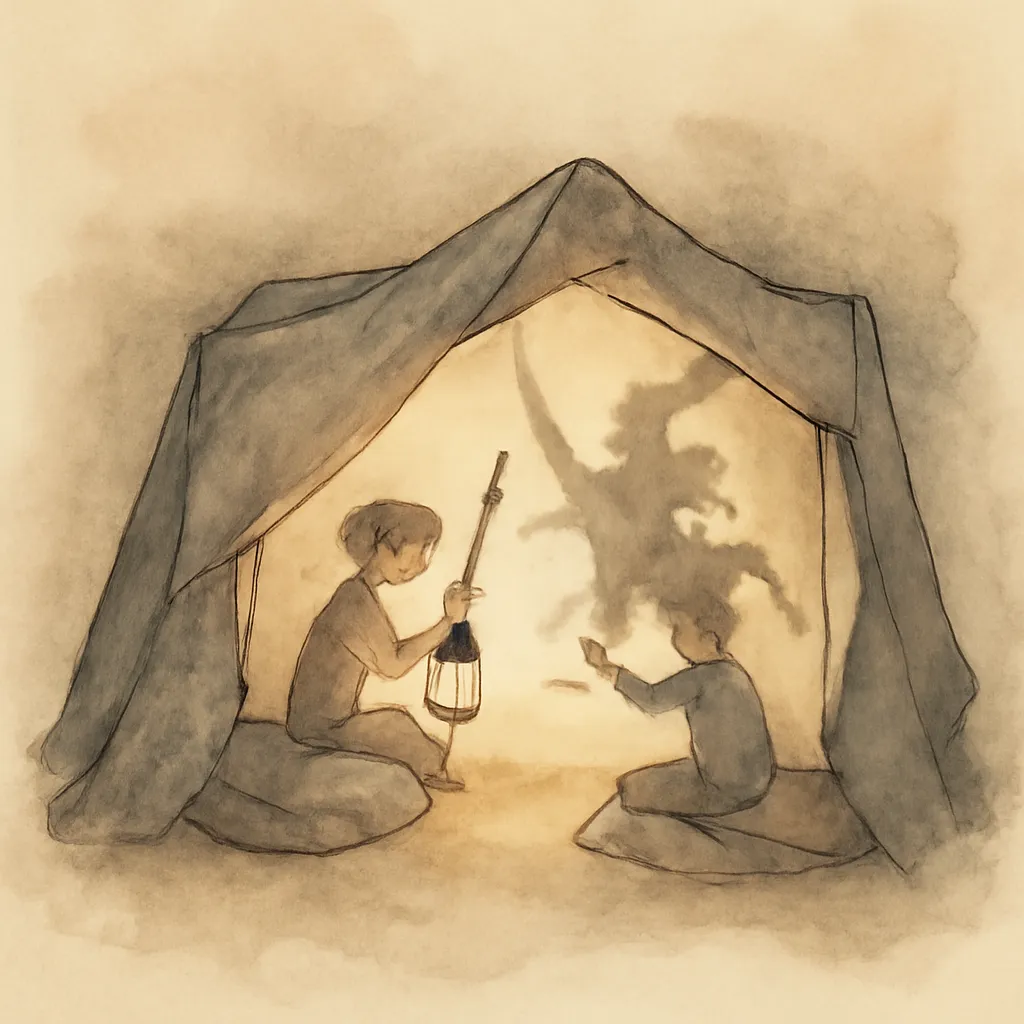
Imagination plays a pivotal role in Ewing's narratives, serving as a refuge for the children and a means of coping with the complexities of their lives. The stories often feature fantastical elements, such as the creation of an 'Earthly Paradise' in their gardens, which allows the children to escape reality and express their desires for beauty and harmony. Ewing demonstrates how imaginative play fosters creativity and collaboration among the children, as they work together to bring their visions to life. For instance, the children invent roles for themselves, such as the King's Apothecary and the Weeding Woman, empowering them to take on responsibilities that parallel their real-life experiences. This imaginative framework not only provides an avenue for self-expression but also encourages the children to confront their fears and desires in a safe environment. Ewing highlights the importance of nurturing imagination in children, suggesting that it is through these flights of fancy that they develop a deeper understanding of their emotions and the world around them.
5.Friendship and Community
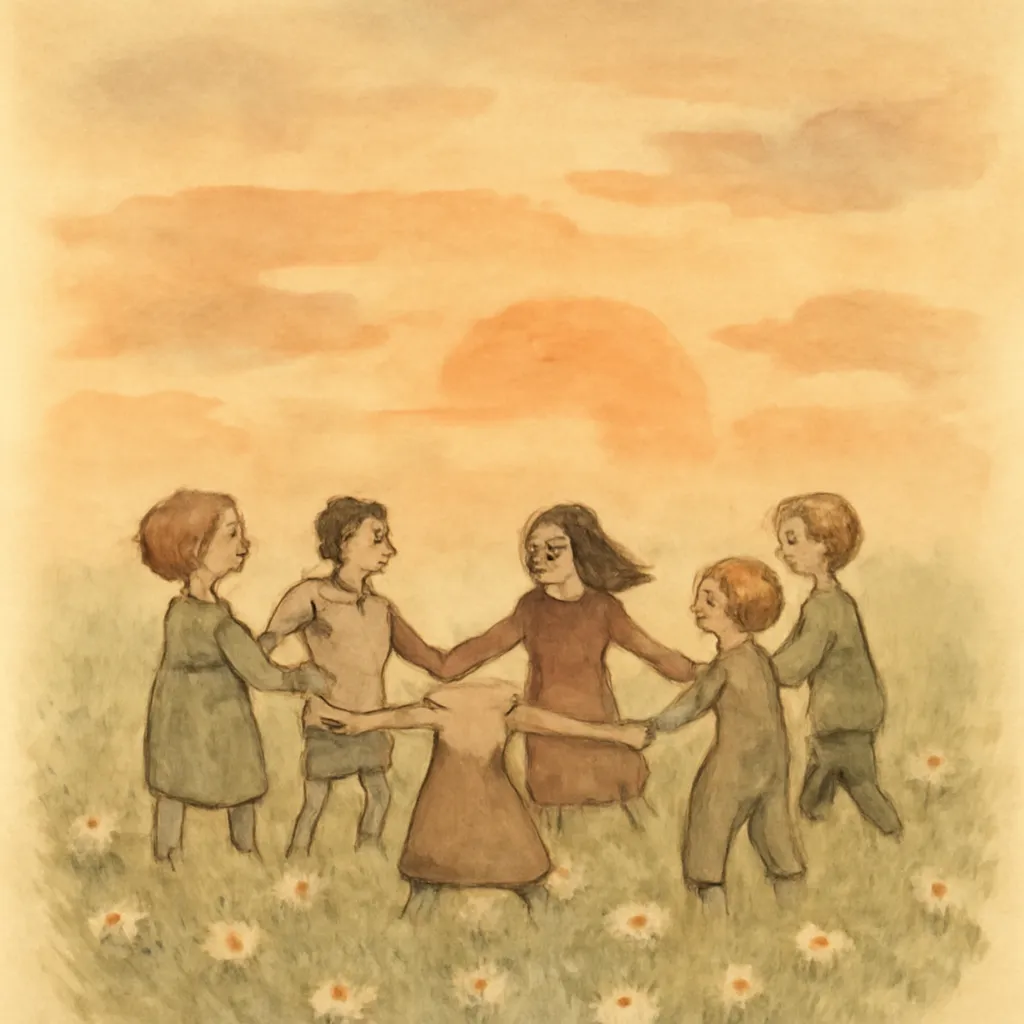
Ewing emphasizes the significance of friendship and community in her stories, portraying the children's relationships as essential to their development. The bonds formed between the children, whether through play or shared experiences, provide a sense of belonging and support. For example, the camaraderie among the siblings as they navigate their adventures together underscores the value of loyalty and shared joy. Ewing also explores the children's interactions with adults in their community, such as the Old Squire and Lady Catherine, revealing how these relationships can be both nurturing and challenging. The children’s capacity to empathize with others, despite their differences, illustrates the importance of community in fostering understanding and compassion. This theme resonates throughout the collection, reminding readers of the power of connection in overcoming adversity. Moreover, Ewing's depiction of the characters' willingness to help one another, whether in small acts of kindness or grand gestures, reinforces the idea that true friendship transcends social barriers and enriches their lives.
6.The Complexity of Adult Relationships

Ewing does not shy away from depicting the complexities of adult relationships, particularly through the interactions between parents and the wider community. The quarrels between the Old Squire and the protagonist's family exemplify the tensions that can arise from differing values and priorities. Ewing’s portrayal of Lady Catherine, who is both rude and kind, highlights the often contradictory nature of human behavior, challenging the children—and the readers—to navigate these complexities with grace. The adults in the stories are depicted as multifaceted characters, whose flaws and strengths impact the children’s understanding of morality and social dynamics. For instance, the conflicting attitudes of the adults toward gardening and nature reflect broader societal changes, ultimately serving as a vehicle for the children to explore their own values. Through these interactions, Ewing illustrates that adult relationships are often fraught with misunderstandings and conflicts, yet they also offer opportunities for growth and learning. This nuanced exploration of adulthood serves to remind young readers that complexity is inherent in all relationships, encouraging them to approach life with an open mind.
7.The Power of Gardening and Cultivation
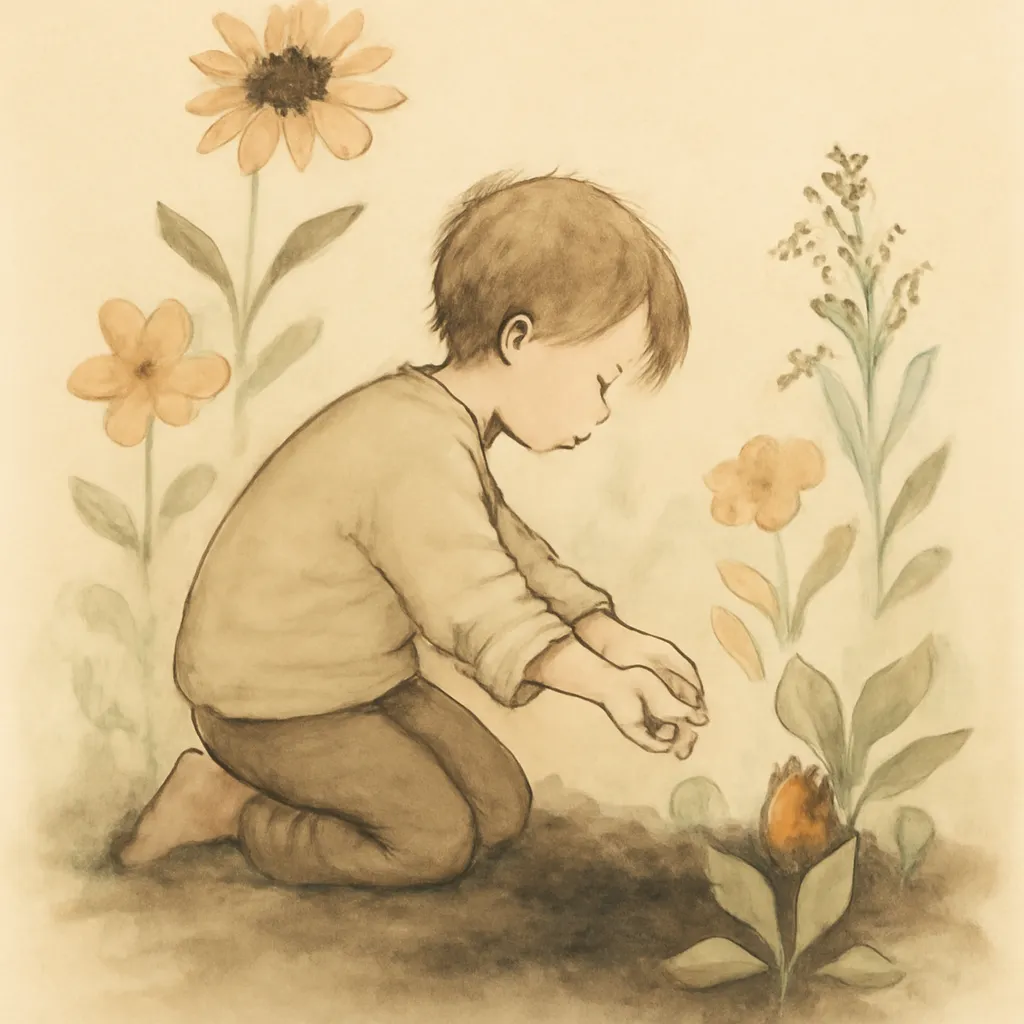
Gardening serves as a central theme in Ewing's stories, symbolizing both the nurturing of nature and the cultivation of personal values. The children's engagement with gardening reflects their desire to create beauty and order in their lives, paralleling their emotional journeys. Ewing’s detailed descriptions of planting, weeding, and nurturing flowers emphasize the patience and dedication required in both gardening and personal growth. The act of tending to a garden becomes a metaphor for the children’s development, as they learn to care for themselves and each other. For instance, the preparations for the Earthly Paradise reflect not only their passion for nature but also the lessons of collaboration and respect for the environment. This emphasis on cultivation extends beyond the physical act of gardening, as Ewing encourages readers to consider the importance of nurturing relationships and values in their own lives. Through the lens of gardening, Ewing beautifully captures the interconnectedness of life, growth, and responsibility, suggesting that tending to one's own garden—literal or metaphorical—is essential for fulfillment and happiness.
8.The Influence of Literature and Storytelling

Ewing weaves a profound appreciation for literature and storytelling throughout her narratives, illustrating how these elements shape the children’s understanding of the world. The characters often engage with books and tales, using them as a means to escape reality and explore new ideas. Ewing’s references to classic literature and fairy tales enrich the stories, providing context for the children’s imaginative play and moral lessons. The children’s storytelling sessions, where they create elaborate fantasies based on their readings, serve as an important means of self-exploration and expression. For example, their retelling of the 'Book of Paradise' not only fosters creativity but also reinforces the values of kindness and care for nature. Through storytelling, the children learn about empathy, bravery, and the complexities of human relationships, reinforcing the idea that literature can be a powerful tool for personal development. Ewing’s own literary style, characterized by vivid imagery and lyrical prose, reflects her belief in the transformative power of stories, encouraging readers to embrace the written word as a source of inspiration and growth.
9.Self-Discovery Through Adversity

Ewing emphasizes the theme of self-discovery through adversity, portraying the children’s struggles as essential to their growth. The conflicts they face, whether it be the quarrel with the Old Squire or personal challenges within their family, serve as catalysts for introspection and resilience. Ewing’s characters often confront their fears and insecurities, learning valuable lessons about courage and empathy along the way. This journey of self-discovery is not always linear; it is marked by setbacks and moments of doubt. For instance, the protagonist's initial shame and fear in the face of the Squire's anger prompts her to reflect on her actions and ultimately leads to a heartfelt resolution that fosters understanding. Ewing ultimately portrays adversity as a necessary component of maturation, suggesting that it is through these experiences that the children develop a deeper understanding of themselves and their place in the world. This theme resonates with readers of all ages, reminding us of the importance of perseverance in the face of challenges and the growth that can emerge from hardship.