1.The Birth of a Legend
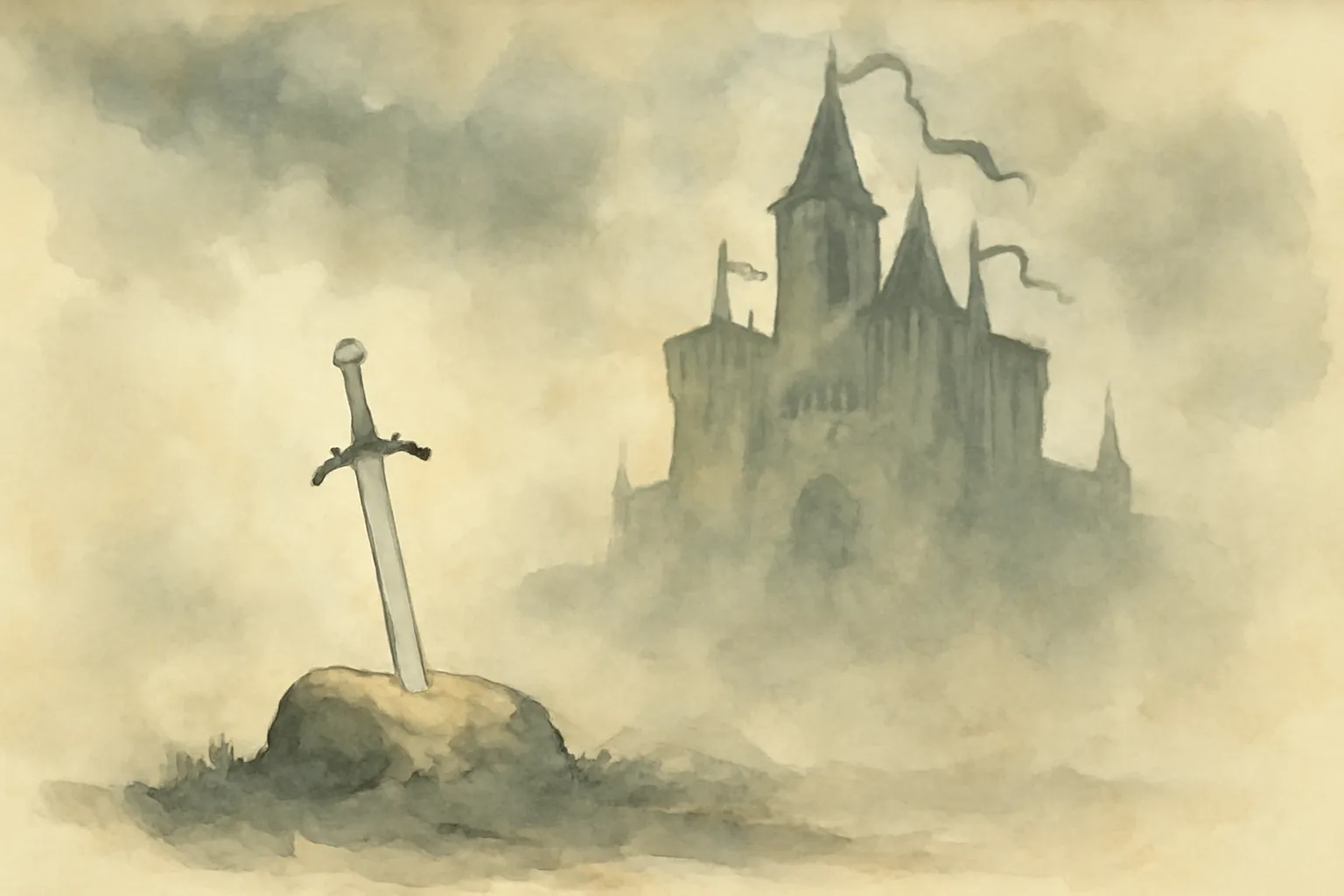
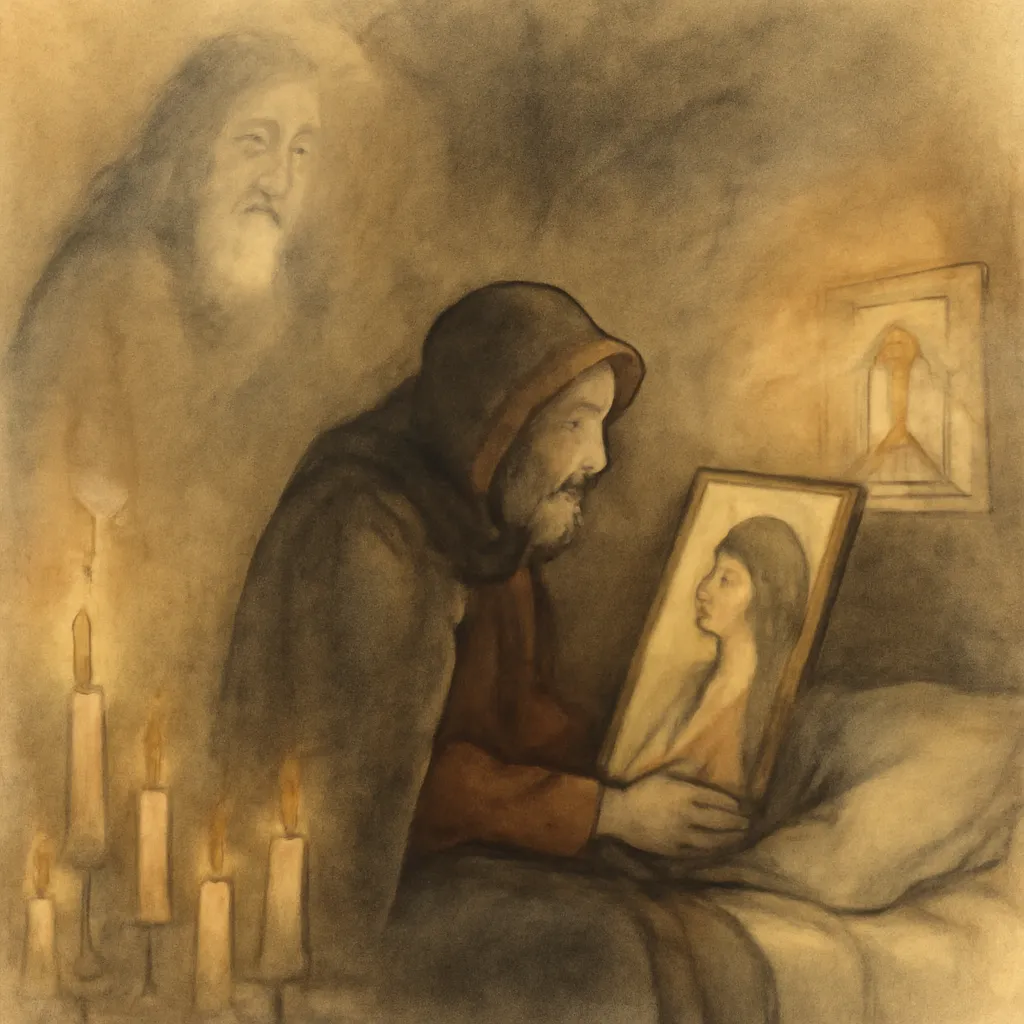
The tale begins with the story of Uther Pendragon, who, with the aid of Merlin, conceives Arthur under dubious circumstances. Uther's desire for Igraine, the wife of the Duke of Cornwall, leads to a series of manipulations that culminate in Arthur's birth. Uther's deception, disguised as the duke, raises questions about legitimacy and honor, setting the stage for Arthur's complex identity. Merlin, acting as both a mentor and manipulator, ensures that Arthur is raised away from the throne, nurturing him in the care of Sir Ector. This early narrative establishes the theme of destiny versus free will, as Arthur's path is shaped by forces beyond his control, foreshadowing the challenges he will face as king.
2.The Sword in the Stone: A Test of Worth
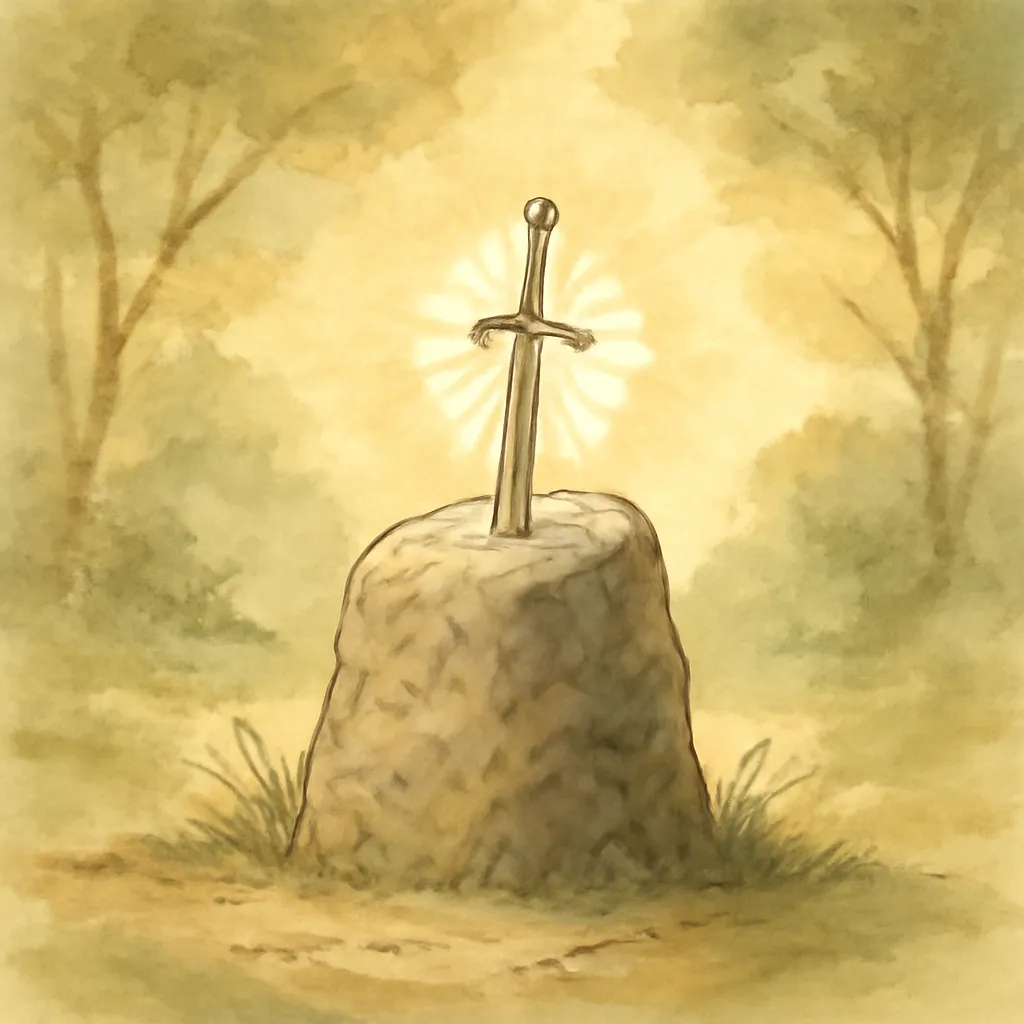
Arthur's claim to the throne is marked by the legendary test of the sword in the stone, a miraculous event that signifies divine approval of his right to rule. The sword, Excalibur, serves as a powerful symbol of kingship and authority, embodying the ideals of chivalry. The moment Arthur draws the sword from the stone, he transitions from an unknown boy to the rightful king of England, marking his ascent in a realm fraught with political strife and rivalry. This event not only validates Arthur's lineage but also highlights the theme of meritocracy within the aristocracy. The subsequent reactions from rival lords, who feel threatened by a 'boy of low blood,' illustrate the tensions between established power and new legitimacy, a recurring theme throughout the narrative.
3.The Round Table: Unity and Equality
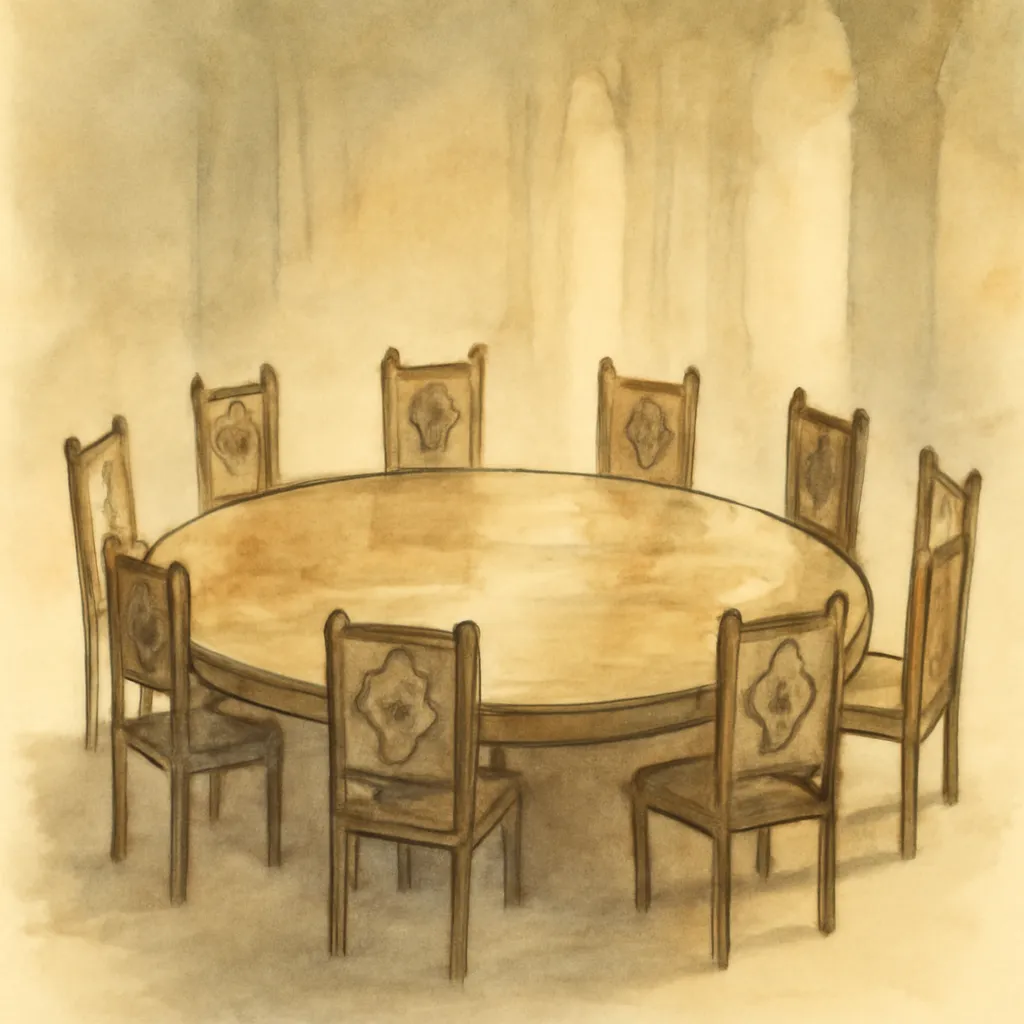
Upon his coronation, Arthur establishes the Round Table, a revolutionary concept that embodies the ideals of equality and camaraderie among knights. The Round Table symbolizes Arthur’s commitment to just governance and the collective responsibility of his knights to uphold chivalric values. This egalitarian approach fosters loyalty and unity among the knights, contrasting sharply with the hierarchical structures of feudalism. Arthur's vision creates a brotherhood that transcends personal ambition, yet it also sets the stage for eventual discord as individual desires clash with communal ideals. The Round Table becomes a microcosm of Arthur’s realm, reflecting the complexities of leadership and the challenges that arise when personal loyalties conflict with the greater good.
4.The Quest for the Holy Grail: Spiritual Aspirations
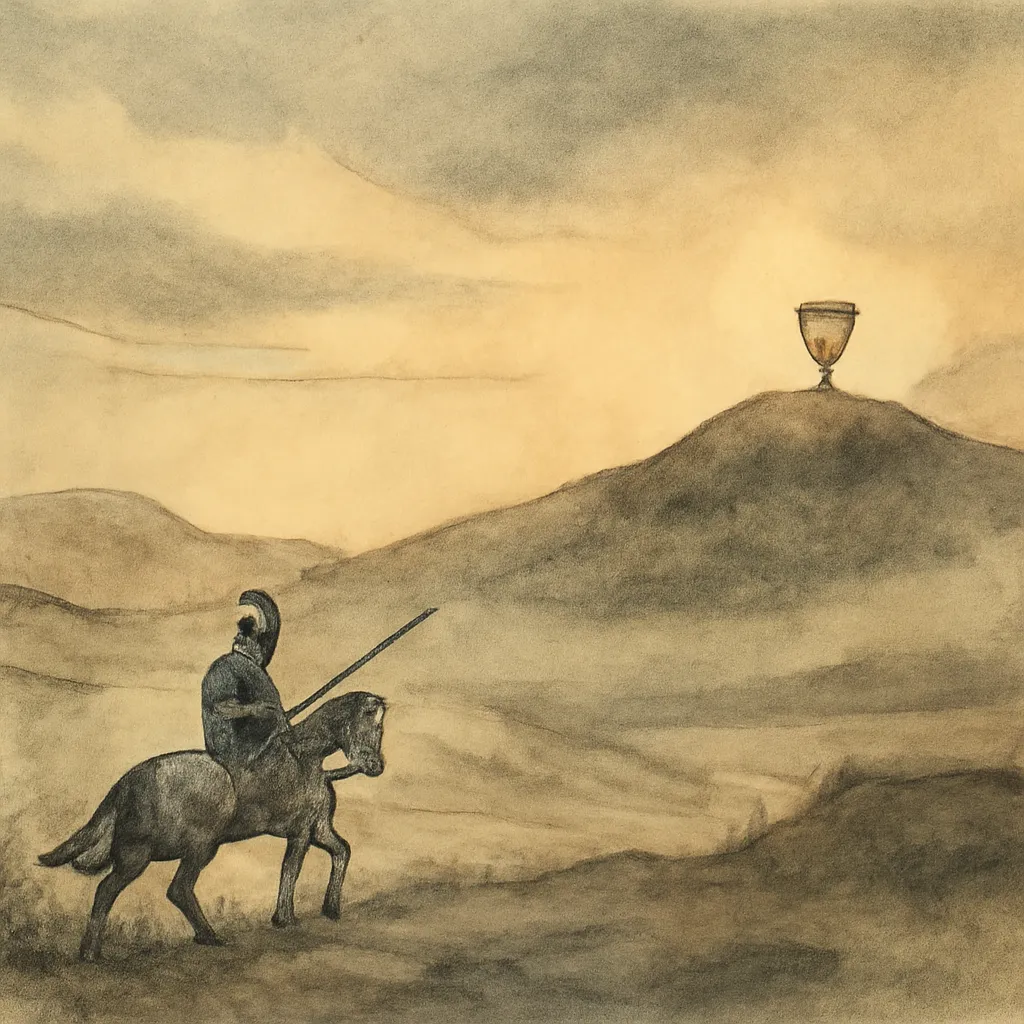
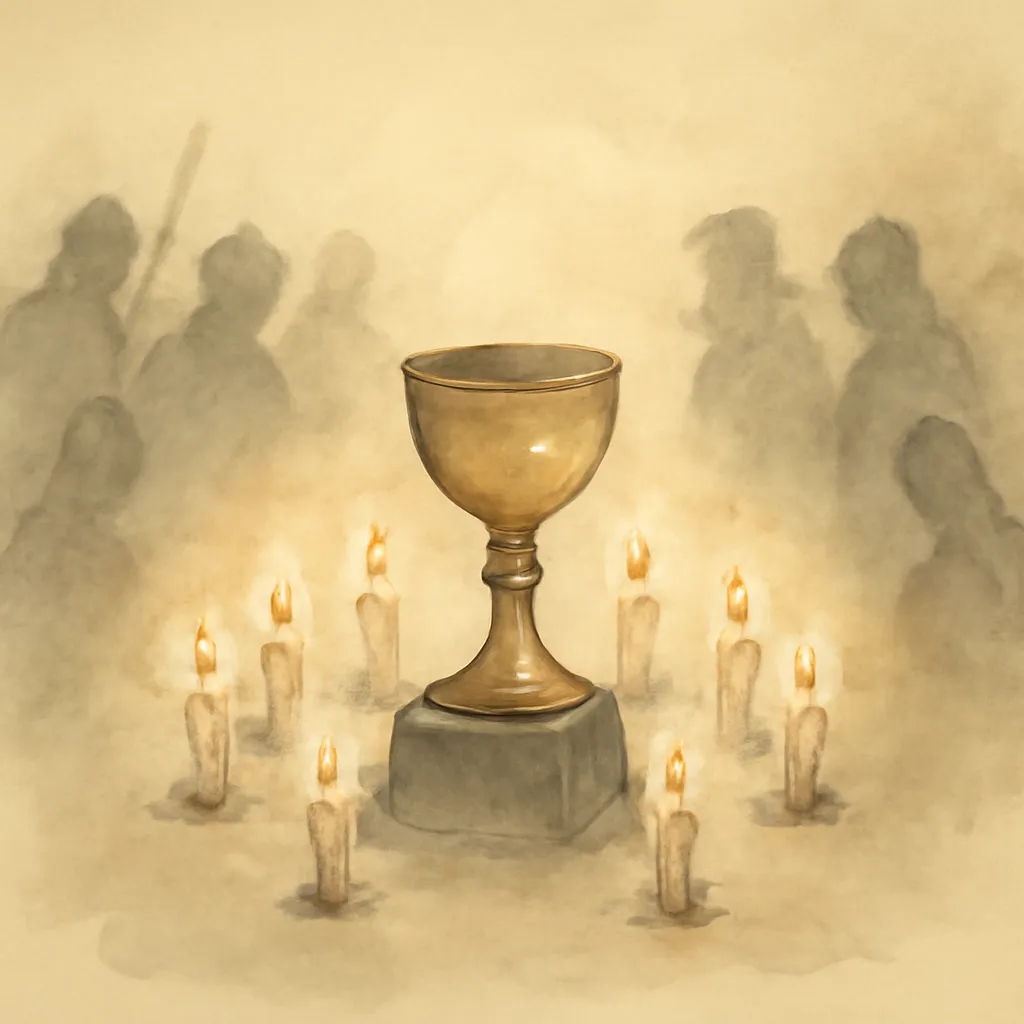
The quest for the Holy Grail emerges as a pivotal narrative arc, representing the ultimate spiritual aspiration within the chivalric code. This quest serves as a test of purity and virtue, separating the truly noble knights from those driven by ambition or greed. Characters such as Sir Galahad embody the ideal knight, whose unwavering faith and purity allow him to achieve the Grail, while others, including Sir Lancelot, struggle with personal failings that hinder their quest. The Grail quest reflects the broader themes of redemption and the search for divine truth, emphasizing the moral complexities faced by the knights. It also serves as a critique of the chivalric ideals themselves, as even the noblest of knights are revealed to be flawed, raising questions about the nature of heroism and the pursuit of perfection.
5.Love and Betrayal: The Tragic Triangle
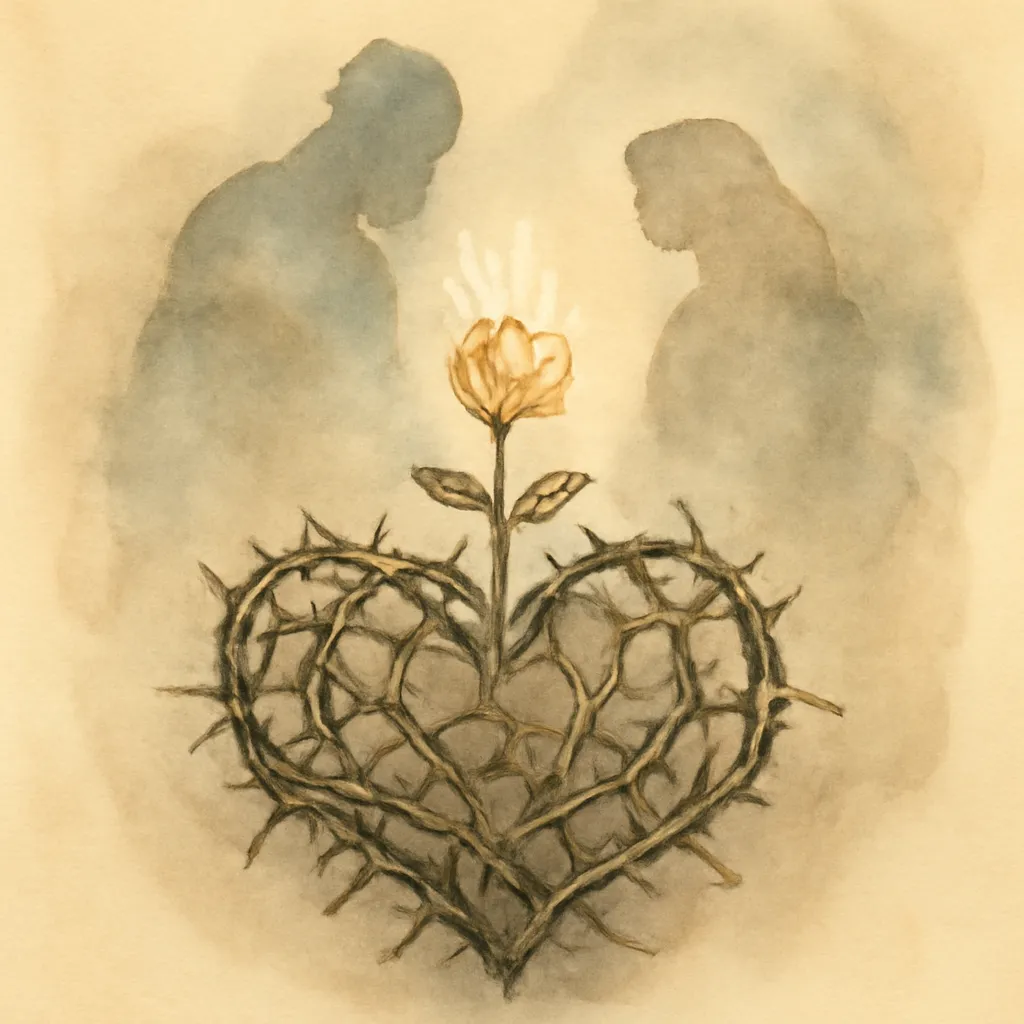
At the heart of Arthur's narrative is the tragic love affair between Lancelot and Guenever, which ultimately leads to the kingdom's downfall. Their illicit relationship embodies the conflict between personal desire and loyalty to one's king and country. Lancelot's betrayal of Arthur, despite his noble intentions, illustrates the tragic consequences of human frailty and passion. Guenever, torn between her love for Lancelot and her duty to Arthur, becomes a symbol of the conflict between love and loyalty. This love triangle complicates the dynamics within the Round Table, fostering divisions that weaken Arthur's reign. The ensuing chaos serves as a poignant reminder of the vulnerabilities inherent in even the most noble of pursuits, blurring the lines between heroism and treachery.
6.The Role of Fate and Prophecy
Throughout Le Morte d'Arthur, the interplay between fate and prophecy shapes the destinies of the characters. Merlin's foresight often guides Arthur, but it also underscores the inevitability of certain events, such as Arthur's tragic end. The prophecies surrounding Arthur's lineage and the foretelling of his demise create a sense of fatalism that permeates the narrative. Characters grapple with their fates, often attempting to defy the prophecies only to fulfill them in unexpected ways. This tension between free will and predetermined destiny is a central theme, inviting readers to reflect on the nature of choice and the extent to which individuals can shape their own paths. The tragic outcomes highlight the limitations of human agency in the face of cosmic forces.
7.The Fall of Camelot: A Kingdom in Decline
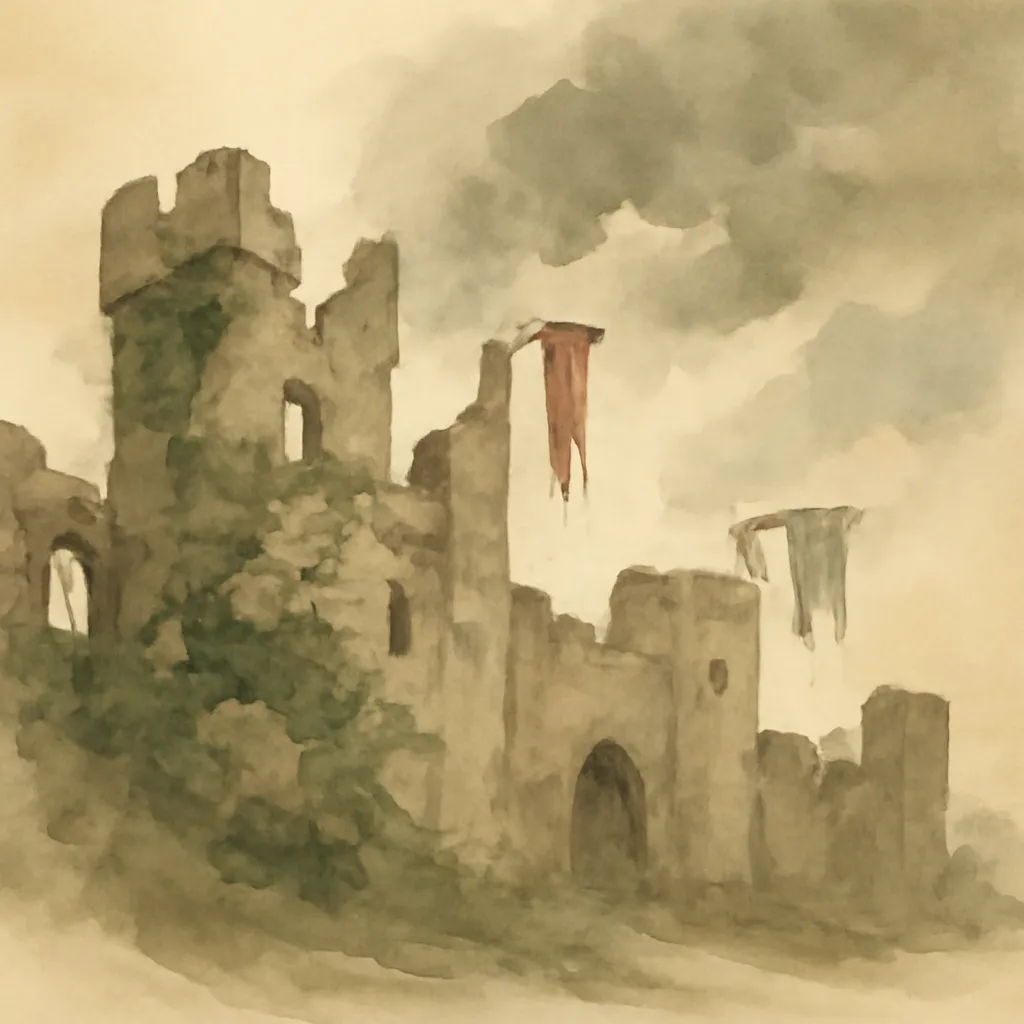
As the narrative progresses, the once-unified Camelot begins to fracture under the weight of betrayal and ambition. The disintegration of the Round Table mirrors the moral decline of Arthur’s reign, as personal vendettas and rivalries take precedence over loyalty to the king. The final battles against Mordred, Arthur's illegitimate son, encapsulate the tragic consequences of Arthur's earlier choices and the cyclical nature of violence and revenge. The fall of Camelot serves as a cautionary tale about the fragility of power and the dangers of unchecked ambition. Arthur's tragic end, alongside the deaths of many noble knights, emphasizes the cost of idealism when confronted with the harsh realities of human nature and betrayal.
8.Legacy and Influence: The Enduring Myth
Le Morte d'Arthur has left an indelible mark on literature and culture, shaping the archetype of the chivalric hero and influencing countless adaptations across various mediums. The themes of honor, love, betrayal, and the quest for identity resonate deeply with audiences, ensuring Arthur's legacy endures through the ages. The narrative's exploration of moral dilemmas and the complexities of human relationships continues to inspire reflection on the nature of heroism and the human condition. Malory's work stands as a testament to the power of storytelling, illustrating how myths can encapsulate universal truths about life, love, and the pursuit of greatness. The enduring appeal of Arthurian legends invites contemporary readers to grapple with the same questions of morality and identity that have captivated audiences for centuries.
9.The Role of Women: Power and Agency
Women in Le Morte d'Arthur occupy complex roles that reflect both power and vulnerability within a patriarchal society. Characters such as Guenever, Morgana, and Igraine navigate their fates in a world dominated by male ambition and conflict. Guenever, as Arthur's queen, embodies the duality of love and loyalty, while Morgana represents the archetype of the powerful sorceress, often at odds with the male heroes. The portrayal of female agency, often constrained by societal expectations, raises questions about the roles women play in shaping the narrative. Their actions, whether through love, betrayal, or magic, significantly impact the trajectory of the story, challenging traditional perceptions of femininity and power in a chivalric context. This exploration of gender dynamics invites a deeper understanding of the complexities of identity and the influence of women in a male-dominated world.