1.Economic Inequality Sparks Revolutionary Thought

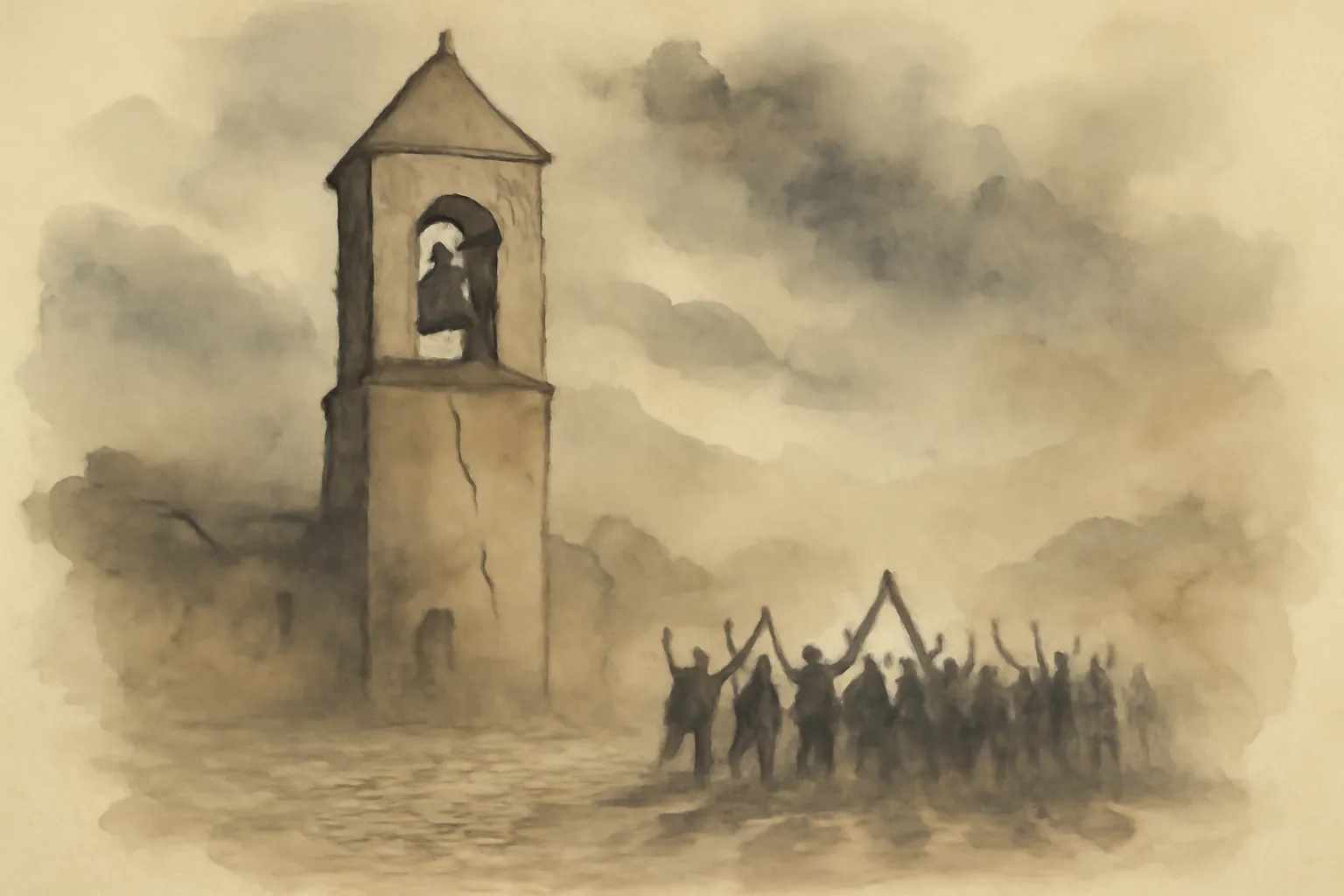
The seeds of the French Revolution were sown in the stark economic inequalities that plagued France under King Louis XVI. As the monarchy's revenue needs grew from twenty million to over one hundred million, it became increasingly clear that the financial burdens were falling disproportionately on the common people. This burgeoning merchant and industrial class, which had enriched the nation, found itself systematically excluded from power and reward. Their demands for merit-based access to government positions reflected a broader call for reform, as they recognized that their wealth was no longer tied to feudal privilege. They asserted that the state should be a reflection of the people's will, not a tool for the elite, thereby challenging the very foundations of monarchical authority. This economic discontent catalyzed a revolutionary consciousness that permeated French society, leading to calls for a government that served the majority.
2.The Influence of Enlightenment and American Ideals
The French Revolution was profoundly influenced by Enlightenment thinkers and the American struggle for independence. The Declaration of American Independence served as a beacon of hope and a model for the French revolutionaries, demonstrating that a break from oppressive governance was possible. French intellectuals, inspired by the principles of liberty, equality, and fraternity, began to envision a society where the government was accountable to its citizens. Notable figures like Montesquieu and Rousseau provided the philosophical framework that encouraged the questioning of traditional authority and the promotion of democratic ideals. The revolutionary fervor was fueled by a blend of these Enlightenment ideas and the tangible success of the American Revolution, leading the French to believe that they could similarly overthrow their monarchy and establish a government based on popular sovereignty.
3.The Call for the Estates-General
The convocation of the Estates-General in 1789 was a pivotal moment that set the stage for the revolution. Faced with a financial crisis, King Louis XVI called together the representatives of the three estates: the clergy, the nobility, and the common people. This assembly was not merely a financial solution; it became a platform for expressing the grievances of the Third Estate, which represented the vast majority of the population. The Third Estate's demands for equal representation and a voice in governance echoed the revolutionary spirit that was gaining momentum. As the Estates-General convened, it became clear that the traditional order was being challenged, and the call for reform was not just about fiscal issues but also about the fundamental rights of all citizens. This gathering marked the beginning of a power struggle that would ultimately lead to the collapse of the monarchy.
4.The Tennis-Court Oath: A Defining Moment
The Tennis-Court Oath, taken by members of the Third Estate on June 20, 1789, was a significant act of defiance against royal authority. After being locked out of their meeting chamber, the representatives of the Third Estate gathered in a nearby tennis court, where they vowed not to disperse until they had drafted a new constitution for France. This moment crystallized the revolutionary sentiment that the people were no longer willing to accept the status quo dictated by the monarchy. The Oath symbolized a collective commitment to establish a government that represented the will of the people, rather than the interests of the privileged few. It was a bold assertion of the principle that sovereignty resided with the nation and not with the king, thus laying the foundation for the formation of the National Assembly and the subsequent declaration of the Rights of Man.
5.The Storming of the Bastille: A Symbol of Rebellion
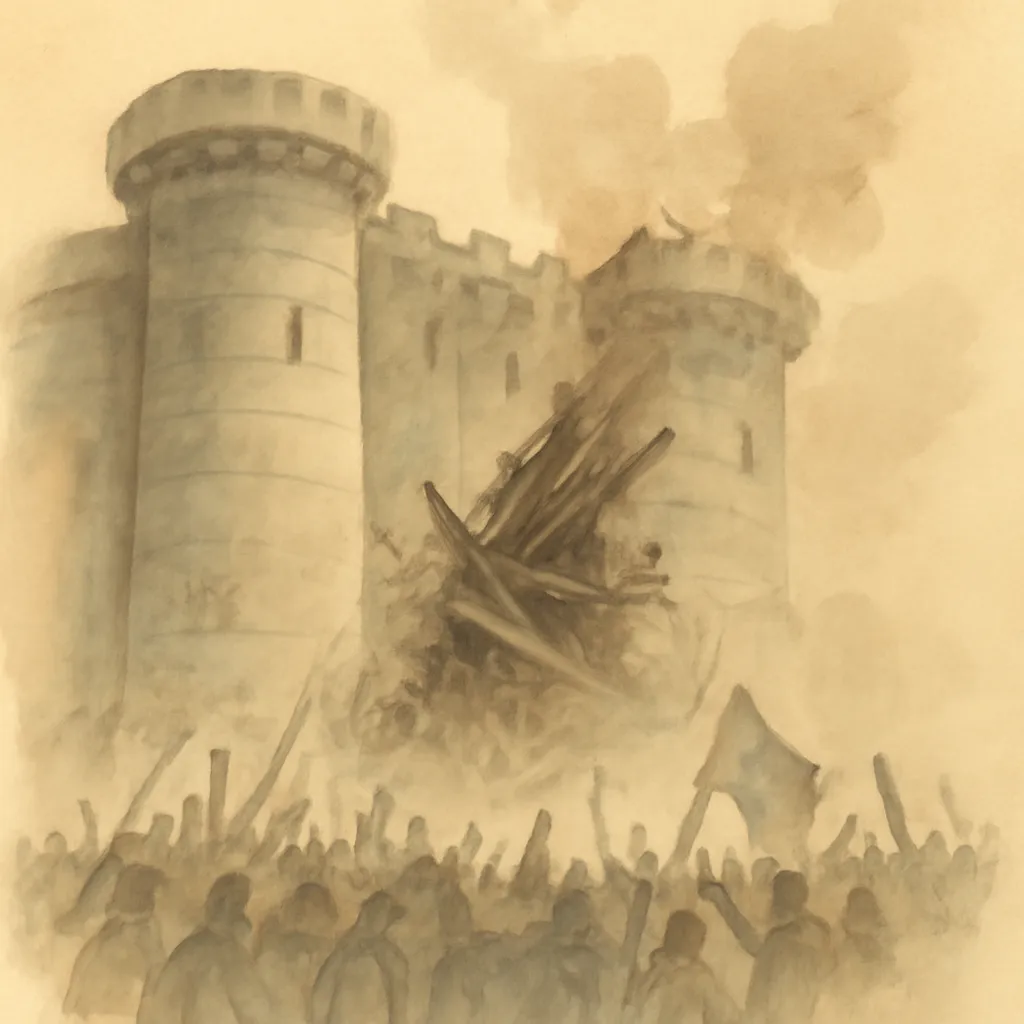
The storming of the Bastille on July 14, 1789, transcended its immediate significance as an attack on a prison; it became a powerful symbol of the revolution. The Bastille represented the tyranny of the monarchy and the arbitrary power of the state. As revolutionaries stormed the fortress, they not only liberated prisoners but also seized weapons and ammunition, effectively marking the beginning of armed resistance against the king's authority. This event galvanized support for the revolutionary cause and demonstrated that the people were willing to take decisive action to reclaim their rights. The fall of the Bastille sent shockwaves throughout France and beyond, inspiring uprisings and protests against oppressive regimes. It marked a turning point in the revolution, as the people began to see themselves as active participants in shaping their destiny.
6.The Abolition of Feudalism: A Radical Shift
On August 4, 1789, the National Assembly took a monumental step by abolishing feudalism in France. This decision dismantled the long-standing social hierarchy that had oppressed the peasantry and the burgeoning middle class. The Assembly recognized that feudal privileges and obligations were incompatible with the principles of liberty and equality that had become the rallying cry of the revolution. By abolishing feudalism, the Assembly aimed to level the playing field and establish a society based on merit rather than birthright. This radical shift not only empowered the common people but also laid the groundwork for a new social and economic order. It signified a rejection of the past and a commitment to create a state where all citizens had equal rights and opportunities, fundamentally transforming the relationship between the government and its people.
7.The Declaration of the Rights of Man and of the Citizen
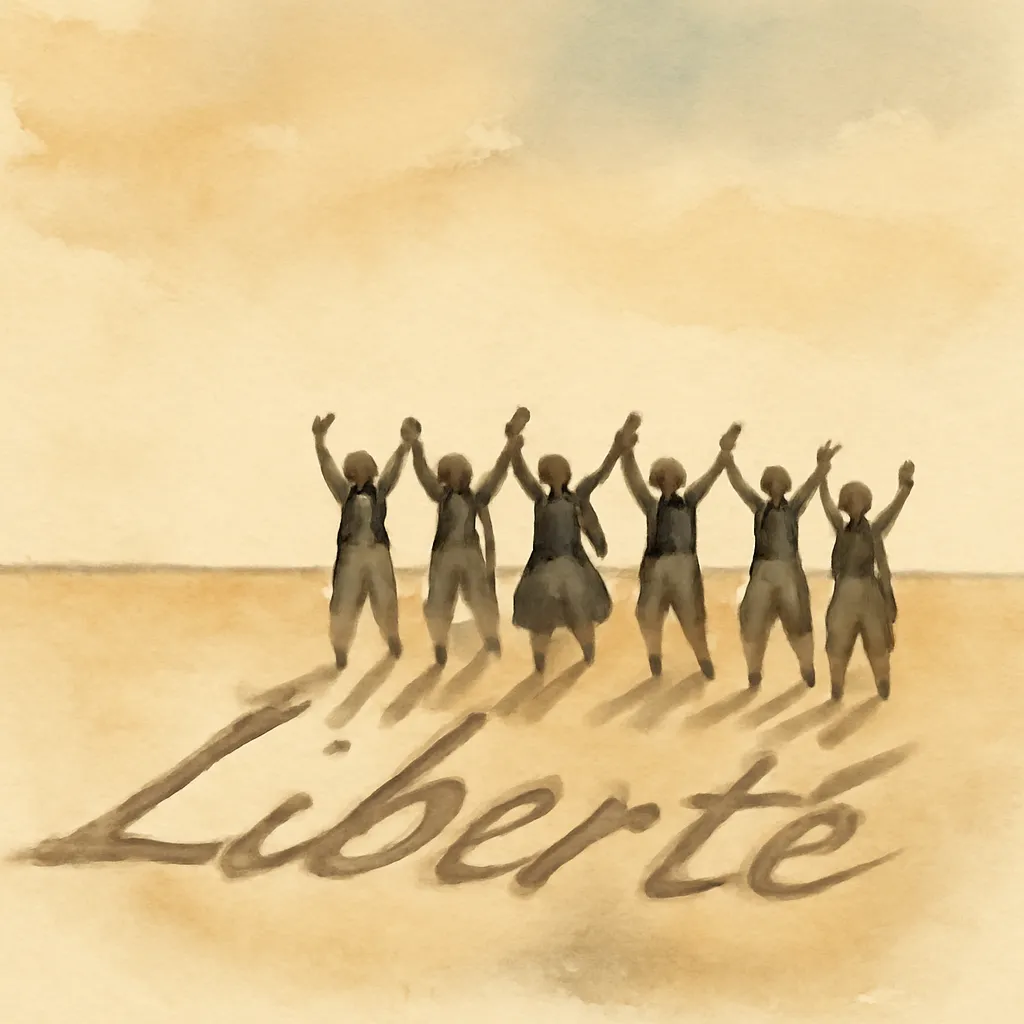
The Declaration of the Rights of Man and of the Citizen, adopted in August 1789, encapsulated the revolutionary ideals that drove the movement. This landmark document articulated the principles of individual freedom, equality before the law, and the right to resist oppression. It drew heavily from Enlightenment philosophies and the American Declaration, emphasizing that the legitimacy of government arises from the consent of the governed. The Declaration served as a foundational text for the new French Republic, proclaiming that all citizens are entitled to rights that cannot be infringed upon by the state. It was a bold assertion of human rights that resonated not only within France but also inspired movements for liberty and justice around the world. The Declaration represented a radical departure from the old regime and set a precedent for future constitutional democracies.
8.The Rise of the Jacobins and the Reign of Terror
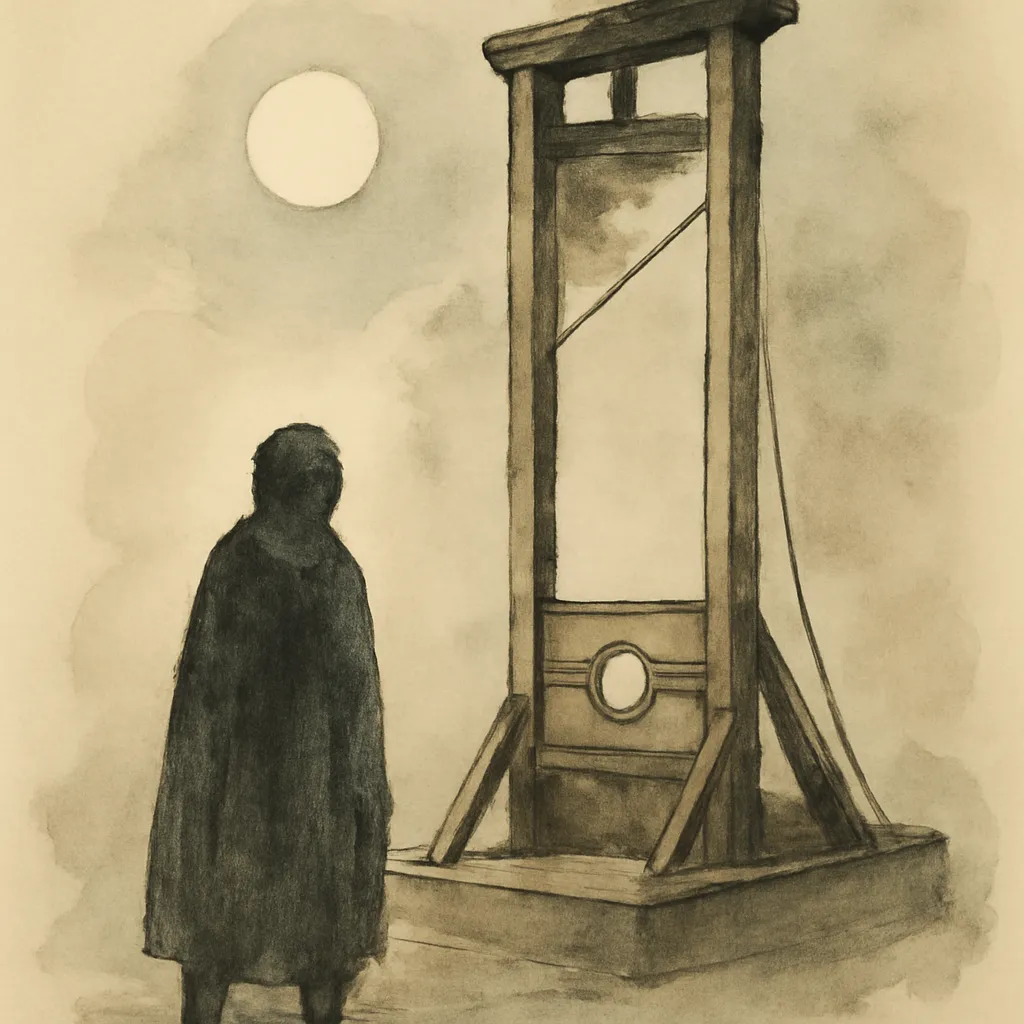
The Jacobins emerged as a powerful political force during the revolution, advocating for a more radical approach to governance. As the revolution progressed, they became increasingly influential in the National Convention, leading to the establishment of the Reign of Terror from 1793 to 1794. Under the leadership of figures like Robespierre, the Jacobins sought to eliminate perceived enemies of the revolution, resulting in widespread arrests and executions. The justification for this period of extreme measures was the belief that the revolution was under threat from both internal and external forces. The Reign of Terror highlighted the tension between the ideals of liberty and the reality of revolutionary fervor, as the pursuit of equality often came at the cost of individual freedoms. This dark chapter in revolutionary history raised critical questions about the limits of state power and the moral implications of using violence to achieve political ends.
9.The Fall of the Girondins: A Cautionary Tale
The Girondins, once a dominant political faction in the National Convention, faced a dramatic decline due to their perceived moderation and reluctance to adopt radical measures. As the Jacobins gained power, the Girondins found themselves increasingly marginalized, culminating in their arrest and execution during the Reign of Terror. Their downfall serves as a cautionary tale about the dangers of political fragmentation and the consequences of failing to adapt to the revolutionary climate. The Girondins' commitment to constitutional governance and their hesitance to embrace the more radical elements of the revolution ultimately led to their isolation and demise. Their story illustrates the volatile nature of revolutionary politics and the potential for ideological divides to fracture movements that initially share common goals.
10.The Legacy of the French Revolution
The legacy of the French Revolution extends far beyond the borders of France, influencing global movements for democracy and human rights. Its principles of liberty, equality, and fraternity inspired countless revolutions and reform movements in the 19th and 20th centuries. The revolution challenged the traditional structures of power and authority, paving the way for modern democratic governance. It also sparked debates about the role of the state, individual rights, and the responsibilities of citizenship. While the revolution brought about significant social and political change, it also revealed the complexities and contradictions inherent in the pursuit of liberty. The lessons learned from the French Revolution continue to resonate today, reminding us of the ongoing struggle for justice and equality in societies around the world.