1.Dual Perspectives and Moral Ambiguity
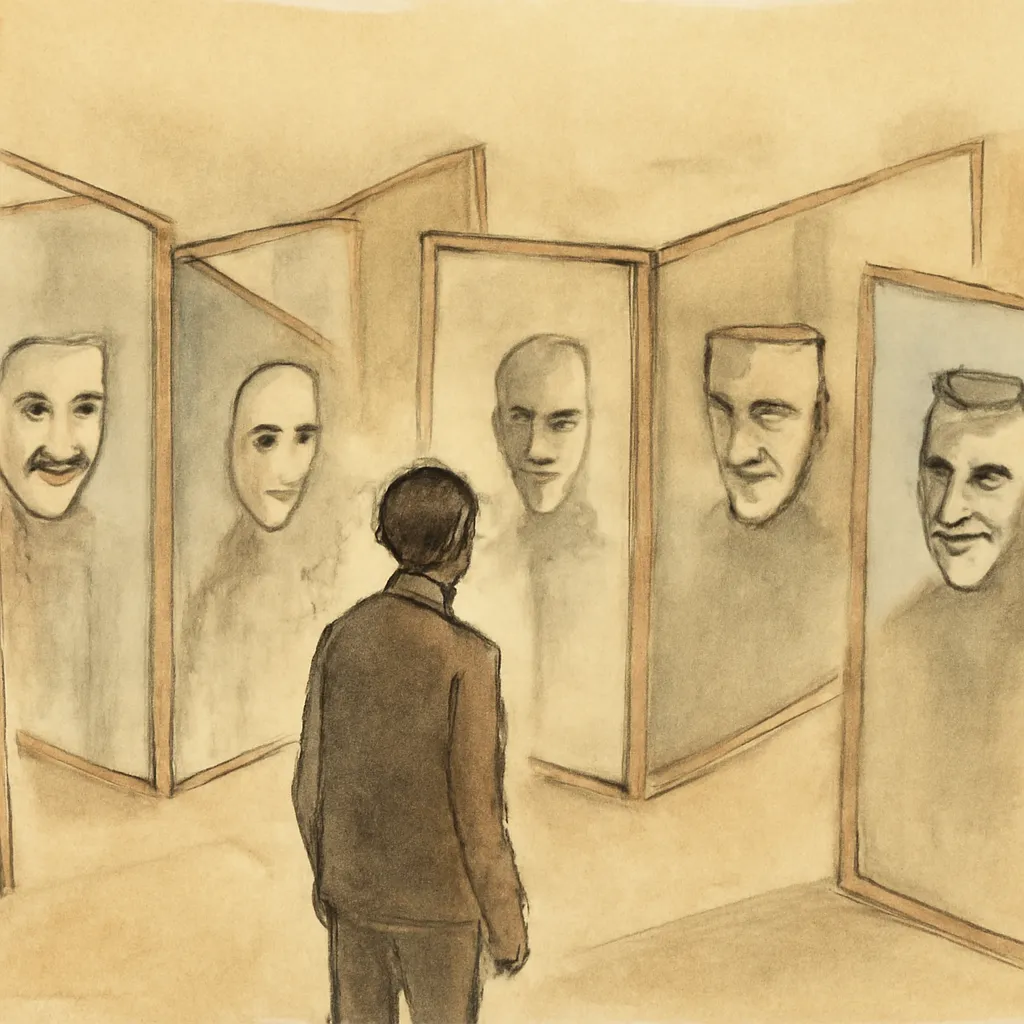
Legend alternates between the viewpoints of Day, the Republic's most wanted criminal, and June, its star prodigy. This narrative structure not only builds suspense but also forces readers to see the world through contrasting lenses. Both protagonists are shaped by their environments—Day by poverty and oppression, June by privilege and indoctrination—challenging readers to question the black-and-white morality often found in dystopian fiction. The shifting perspectives highlight how truth and justice can look radically different depending on where you stand.
2.Dystopian Society and Corruption
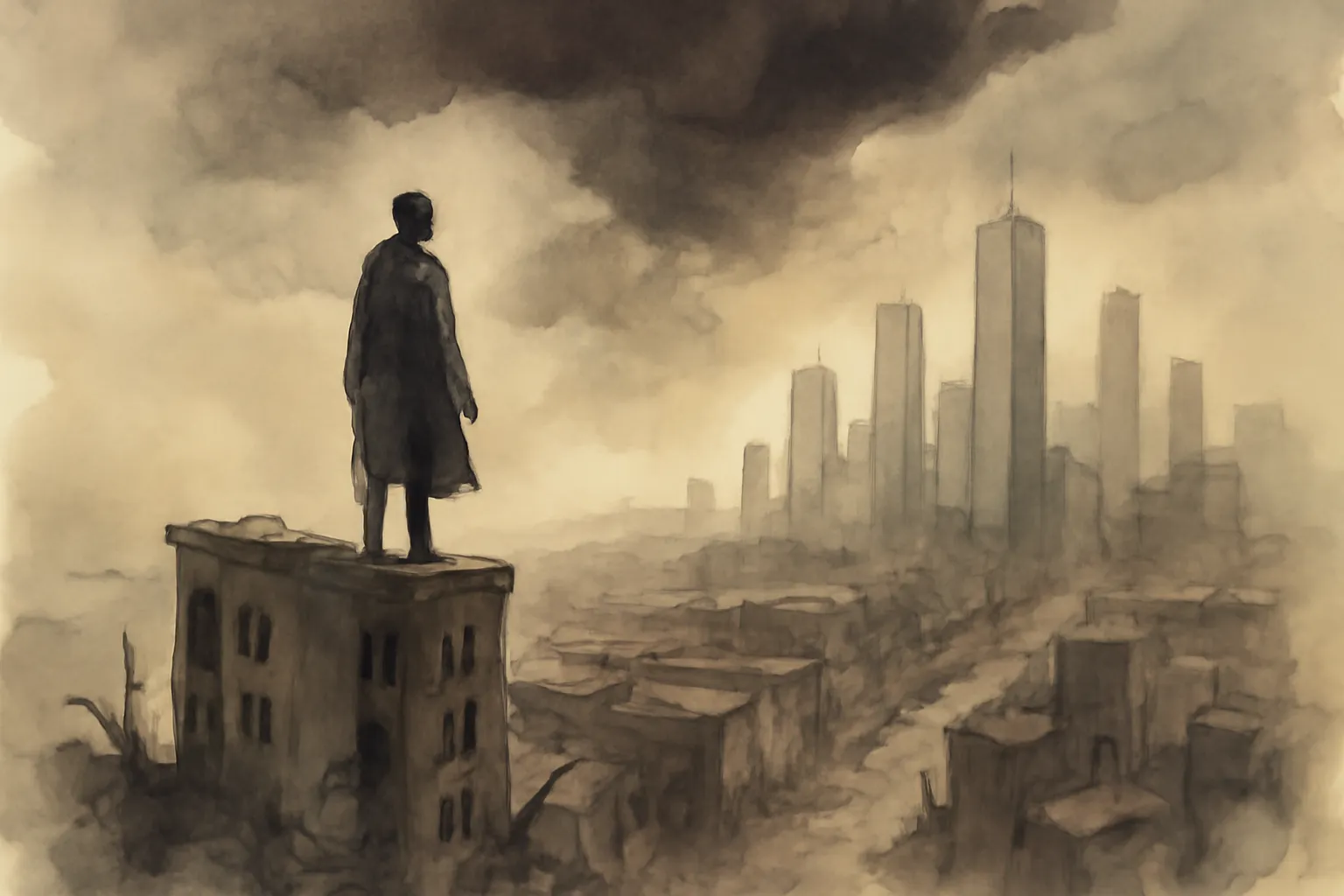
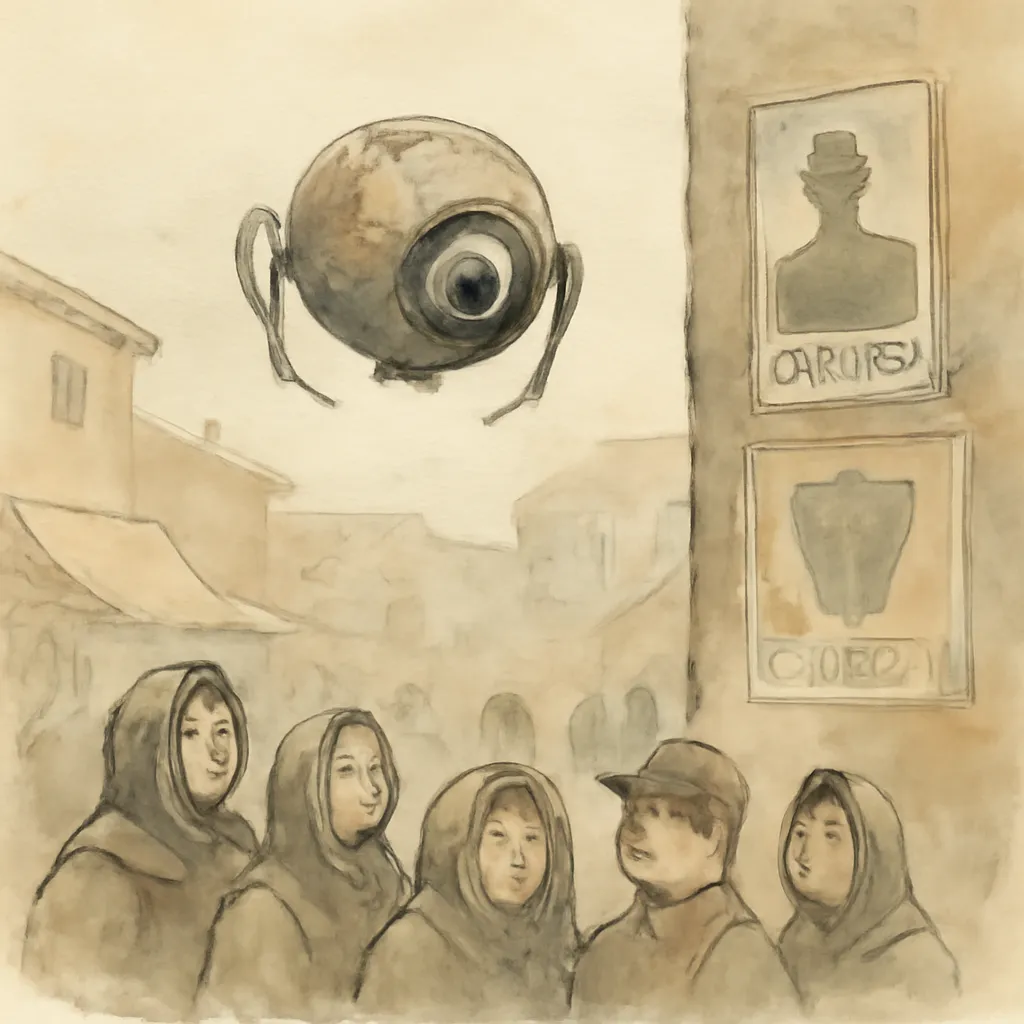
Set in a militarized future America, Legend exposes the dark underbelly of a society obsessed with order and control. The Republic's government uses propaganda, surveillance, and ruthless tactics to maintain its power, including manipulating the population through rigged trials and engineered plagues. Lu explores how systems built on fear and secrecy inevitably breed rebellion, and how even those who benefit from the system are not immune to its dangers.
3.The Nature of Heroism
Both Day and June are celebrated as heroes in their own circles, yet their actions blur the line between heroism and criminality. The novel interrogates what it means to be a hero: Is it following orders, or standing up against injustice? Through their journeys, Lu suggests that true heroism often requires sacrifice, empathy, and the courage to question authority—even at great personal risk.
4.Family, Loyalty, and Betrayal
Family loyalty is a driving force for both protagonists. Day’s every action is motivated by his desperate need to protect his family, while June’s loyalty to her brother and the Republic is tested as she uncovers uncomfortable truths. The novel explores how love and loyalty can be both empowering and blinding, sometimes leading characters to betray their own values or the people they care about.
5.Trust and Deception
Legend is a story of secrets and shifting alliances. As June and Day’s paths collide, both must navigate a web of lies—those told by their government, by their enemies, and even by themselves. This theme underscores the difficulty of finding trust in a world built on deception, and the risks involved in opening up to others when survival is at stake.
6.Social Inequality and Resistance
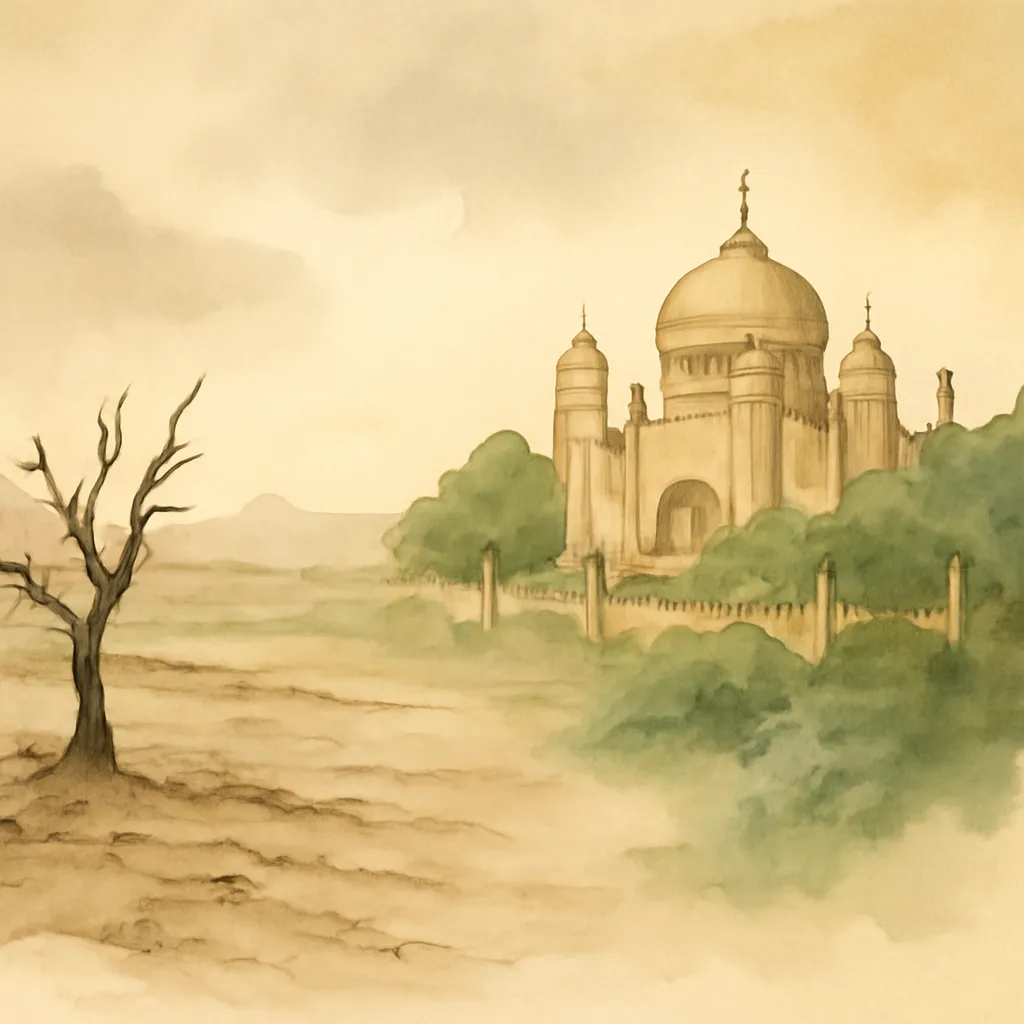
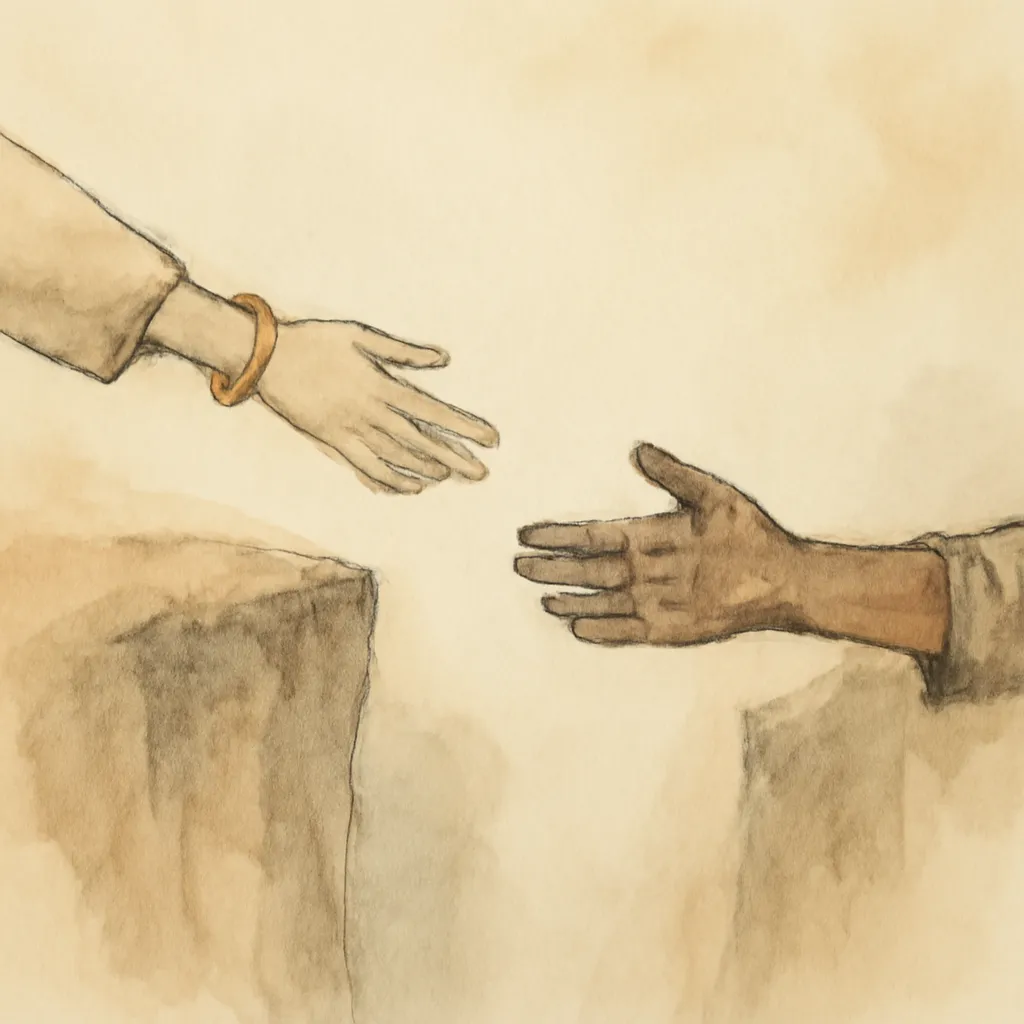
The stark divide between the rich and poor in the Republic is a central theme. Lu uses Day and June’s contrasting backgrounds to expose the injustices of a society where opportunity and safety are reserved for the elite. The novel suggests that resistance often begins with empathy—when individuals from different worlds recognize their shared humanity and fight for change together.