1.Interconnectedness of Lives
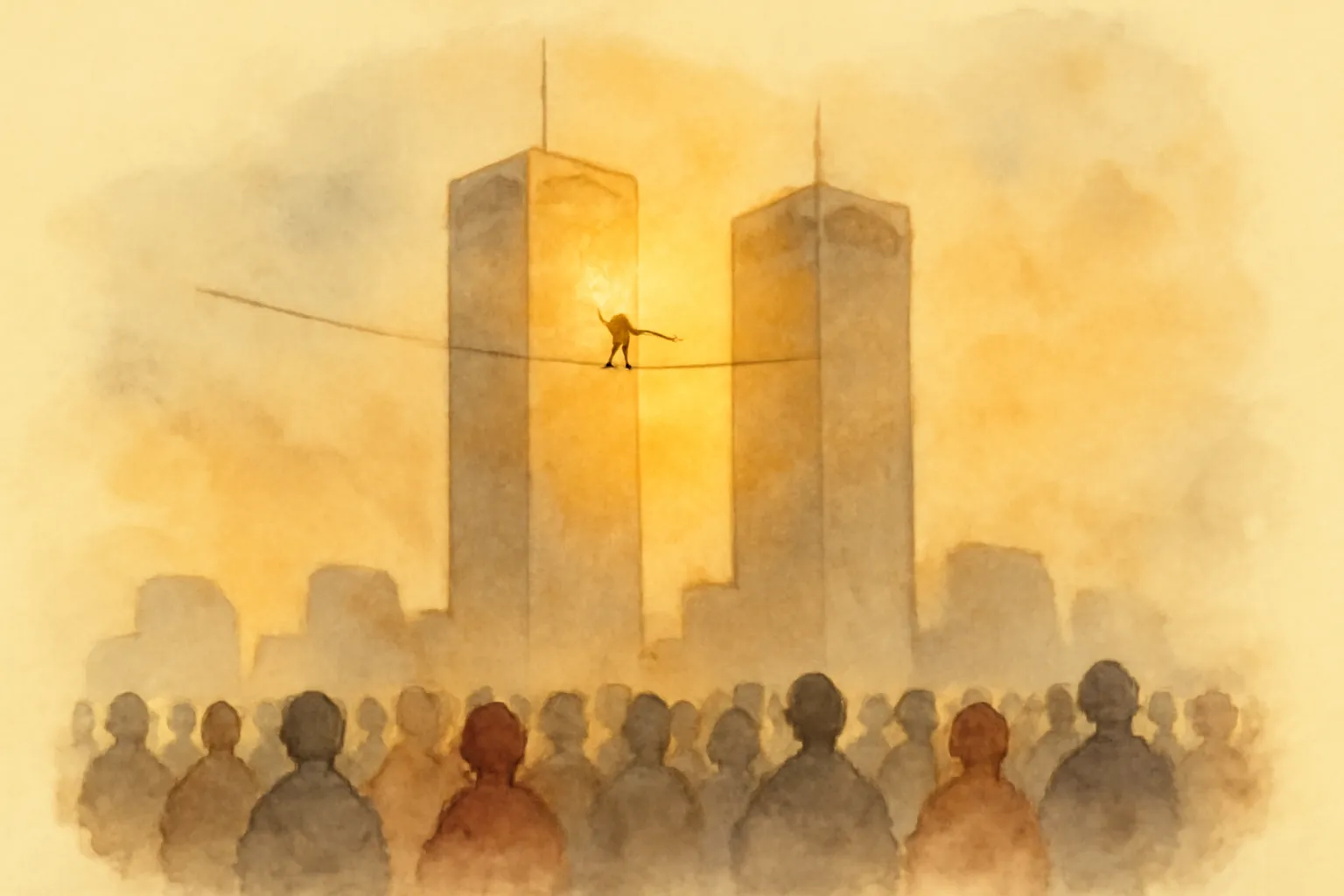
McCann’s novel is structured as a mosaic of interwoven stories, each centered on a different character but all subtly connected by a single, extraordinary event: a tightrope walk between the Twin Towers. This structure emphasizes the invisible threads that bind people together, regardless of background or circumstance. The characters’ lives touch, collide, or echo one another in ways that reveal the profound impact of even fleeting encounters. The book suggests that no life is truly isolated, and that the city itself is a living organism made up of countless, overlapping stories.
2.The Weight and Universality of Grief
Grief is a central theme, explored through characters from vastly different walks of life—a bereaved mother in a Park Avenue apartment, an Irish monk haunted by his past, and a prostitute struggling to protect her family. The novel examines how loss shapes identity and decision-making, but also how shared sorrow can bridge divides of race, class, and experience. McCann refuses to sentimentalize suffering, instead portraying it as both deeply personal and fundamentally communal.
3.Redemption and Forgiveness
Many characters in Let the Great World Spin are seeking redemption, whether from past mistakes, guilt, or trauma. The narrative explores the possibility of forgiveness—of oneself and others—even in the face of seemingly unforgivable acts. Through acts of compassion and moments of grace, the novel suggests that healing is possible, though never easy or complete. This theme is particularly embodied in Corrigan, whose faith and flaws illustrate the messy, ongoing nature of redemption.
4.Urban Resilience and Hope
Set in a city battered by poverty, crime, and social upheaval, the novel nevertheless finds moments of beauty and hope. McCann captures the vibrancy and endurance of New York’s inhabitants, from the marginalized to the privileged. The tightrope walker’s feat becomes a metaphor for the precariousness of life and the courage required to keep moving forward, even when the world seems to be spinning out of control.
5.Perspective and Empathy
By shifting perspectives between characters of different backgrounds—immigrants, artists, mothers, sex workers—McCann asks readers to step outside their own experiences and inhabit the lives of others. This multiplicity of voices fosters empathy, challenging assumptions about who is worthy of attention or understanding. The novel’s polyphonic structure is a call to recognize the humanity in every stranger.
6.The Power of Art and Witness
Art, both literal and metaphorical, plays a significant role in the novel. The tightrope walk is itself a form of performance art that inspires awe and momentarily unites the city’s disparate residents. Several characters are artists or are changed by witnessing art, suggesting that creativity can be an act of resistance, healing, and connection. The novel itself becomes an act of witness, honoring lives often overlooked.