1.Childhood Alienation and Bullying
At its core, the novel follows Oskar, a lonely, bullied boy whose isolation is palpable. Lindqvist uses Oskar’s experiences to probe the psychological effects of bullying and neglect, showing how trauma can shape identity and morality. The stark depiction of Oskar’s daily humiliations and his fantasies of revenge ground the supernatural elements in real, everyday pain, making the horror both literal and metaphorical.
2.The Vampire as Outsider
Eli, the mysterious child who moves in next door, is a vampire—but also a figure of profound otherness. Through Eli, Lindqvist interrogates what it means to be an outsider, both in society and within oneself. Eli’s ambiguous gender and agelessness complicate traditional vampire lore, inviting readers to empathize with a monster who is as much a victim as a predator.
3.Violence and Innocence
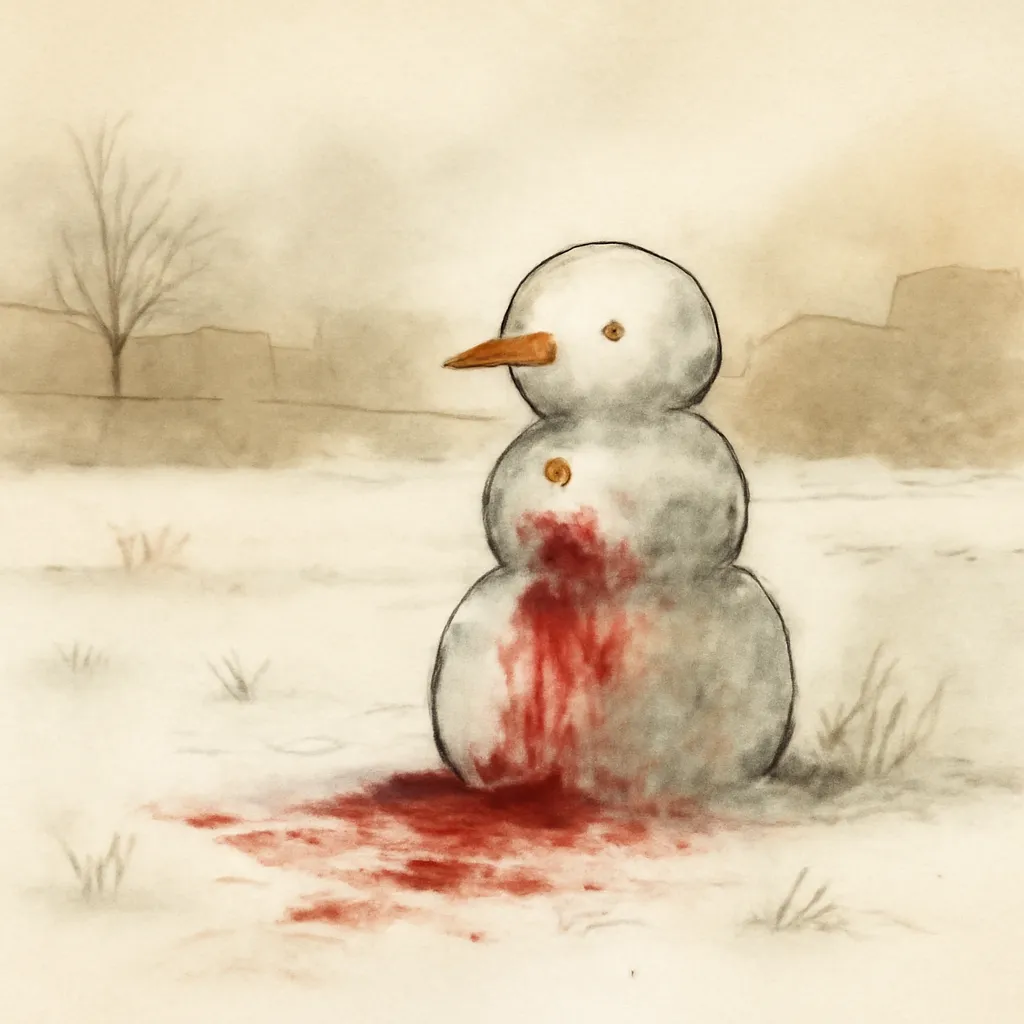
The novel blurs the line between innocence and monstrosity. Oskar’s friendship with Eli is both redemptive and dangerous, as he’s drawn into a world of violence that mirrors the brutality he faces at school. Lindqvist challenges readers to question who the real monsters are: the supernatural predator, or the humans who inflict cruelty on each other.
4.Swedish Suburbia and Social Decay
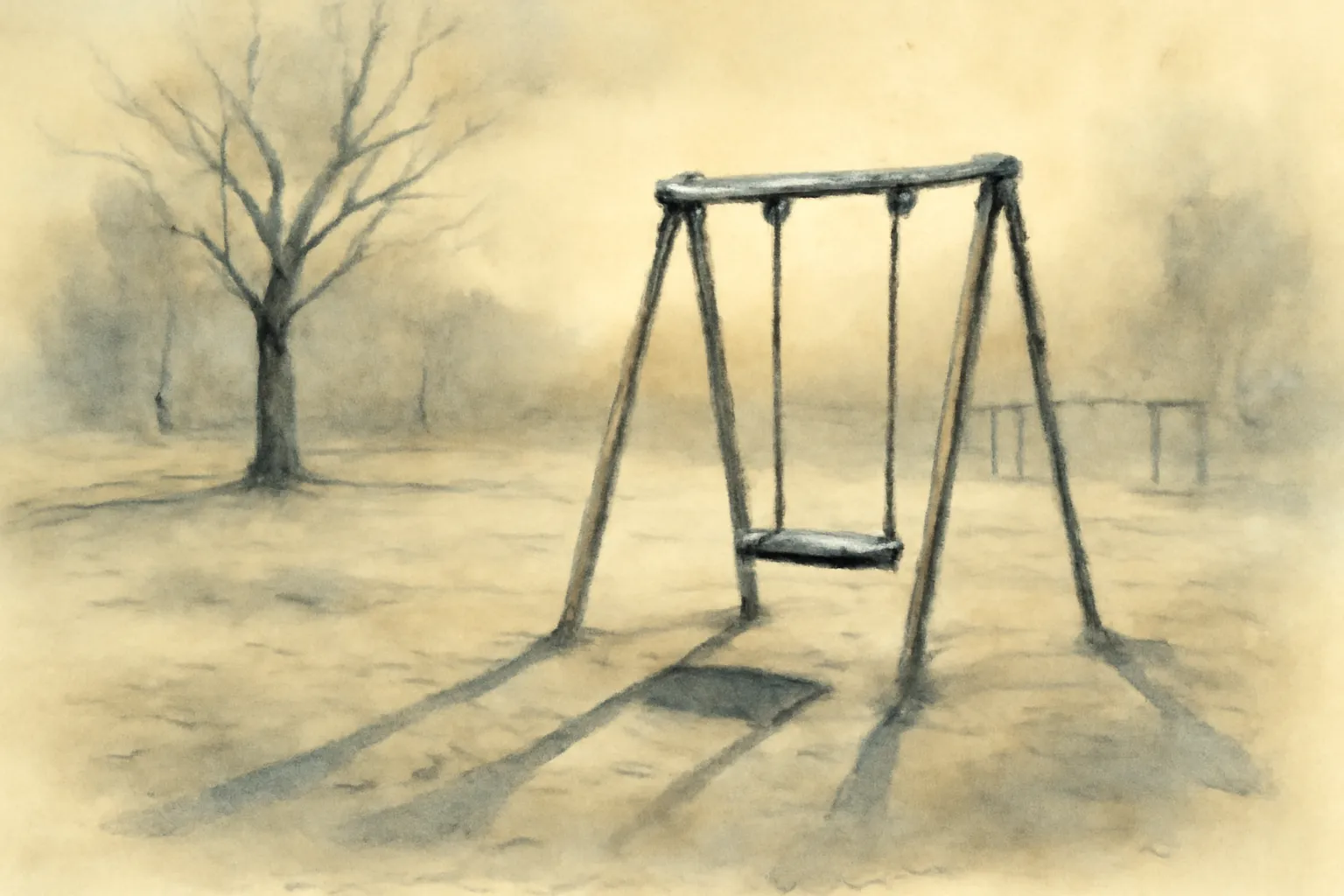
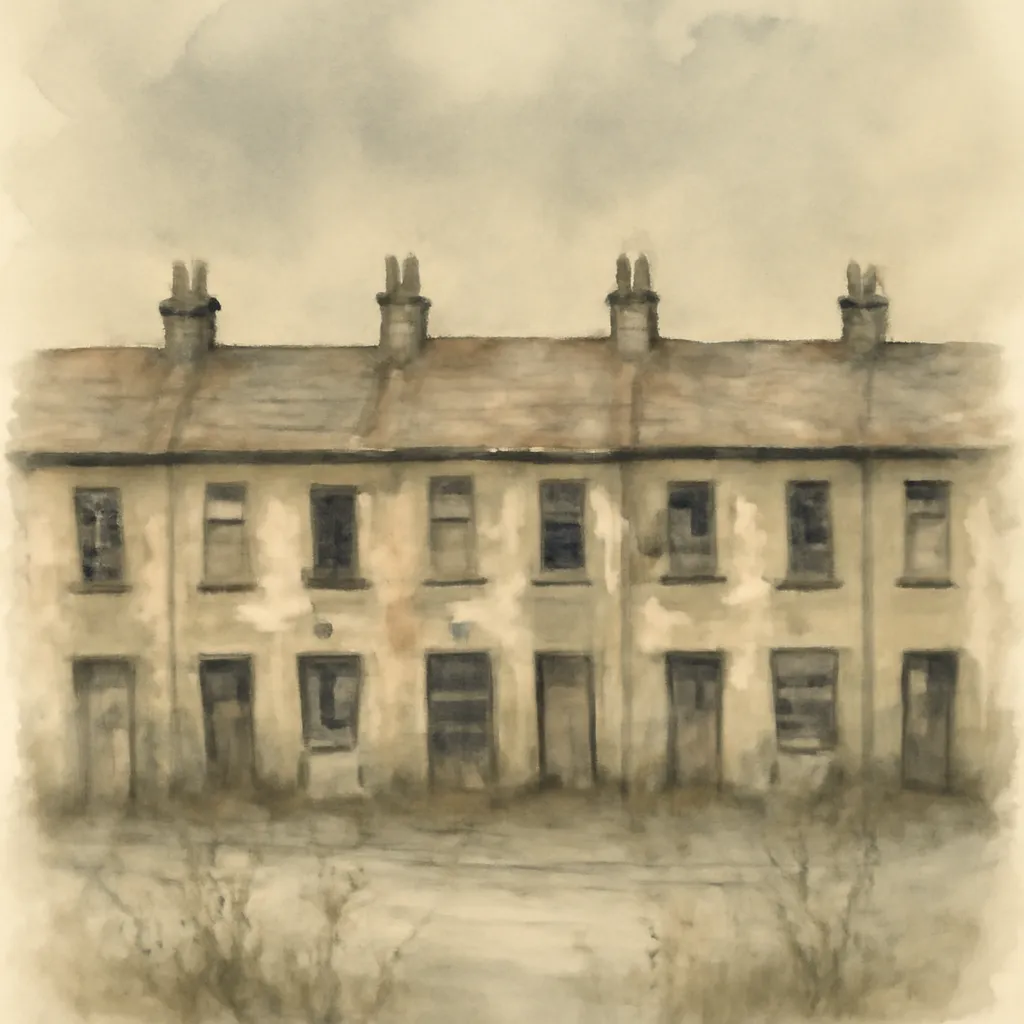
Set in 1980s Blackeberg, a drab Stockholm suburb, the novel uses its setting to comment on social malaise. The bleak, wintry landscape mirrors the emotional desolation of its characters. Lindqvist’s depiction of addiction, broken families, and urban alienation grounds the horror in a recognizable, decaying world, making the supernatural events feel disturbingly plausible.
5.Love, Dependency, and Moral Ambiguity
Oskar and Eli’s relationship is fraught with need and ambiguity. Their bond is touching yet unsettling, raising questions about dependency, manipulation, and the cost of love. The story refuses easy answers, instead presenting love as something that can be both saving and destructive—especially when survival is at stake.
6.Reimagining the Vampire Myth
Lindqvist revitalizes the vampire genre by stripping away romanticism and focusing on the physical and emotional realities of vampirism. The book explores the logistics of survival, the horror of transformation, and the loneliness of immortality, offering a fresh, unglamorous perspective on the myth.