1.The Nature of Human Thoughts and Sensation
Hobbes begins by examining the nature of human thoughts, asserting that they originate from sensory experiences. He posits that all thoughts are representations of external objects, which stimulate our senses and produce various sensations. This sensory input is crucial as it forms the basis of our understanding and the subsequent development of ideas. For Hobbes, imagination is merely a 'decaying sense'; when a sensory experience fades, it lingers in our minds as memory or imagination. This understanding of cognition highlights the limitations of human perception and reasoning, suggesting that our knowledge of the world is inherently influenced by our sensory experiences.
2.The Chain of Imagination and Thought
Hobbes describes how thoughts are interconnected in what he terms the 'train of imagination.' This succession is not random; rather, it follows a logical pattern based on past sensory experiences. For instance, when one thought leads to another, it is often because the two have been associated in our minds through prior experiences. This continuity of thought reflects how humans navigate their internal mental landscapes, shaping their beliefs and desires. Hobbes emphasizes that this chain of thought can lead to either guided reasoning or chaotic wandering, depending on the individual’s focus and intent.
3.The Invention of Speech and Its Impact
Hobbes argues that the invention of speech was a monumental step for humanity, enabling individuals to communicate thoughts and ideas effectively. Speech allowed for the preservation and sharing of knowledge across generations, fostering social connections and cooperation among humans. This capacity for communication is essential for the formation of society, as it facilitates contracts and agreements. By naming objects and concepts, humans can organize their thoughts, share their experiences, and collaborate. Hobbes claims that without speech, there would be no society, as individuals would remain isolated and unable to form the complex relationships necessary for a functioning community.
4.Reasoning as Calculation
Hobbes defines reasoning as a form of calculation, where individuals assess the consequences of their actions based on previous experiences. He likens reasoning to arithmetic, where one adds and subtracts ideas to arrive at conclusions. This perspective positions reason as a practical tool for navigating life, grounded in empirical evidence rather than abstract principles. Hobbes suggests that knowledge is conditional, relying on the connections between ideas rather than an absolute understanding of truth. This conditionality of knowledge illustrates the inherent limitations of human reasoning and the difficulties in achieving certainty in our beliefs.
5.The Passions and Their Role in Human Behavior
Hobbes explores the role of passions—defined as the internal motions that drive human behavior. He identifies two primary types of motion: vital motions, which are involuntary and necessary for survival, and voluntary motions, which are directed by our desires and intentions. The passions, such as appetite and aversion, shape our actions and decisions, leading us to seek pleasure and avoid pain. Understanding these passions is crucial for Hobbes, as they reveal the underlying motivations that govern human interactions. He argues that without a powerful authority to regulate these passions, society would descend into chaos, as individuals pursue their desires without consideration for others.
6.The State of Nature and the Condition of War
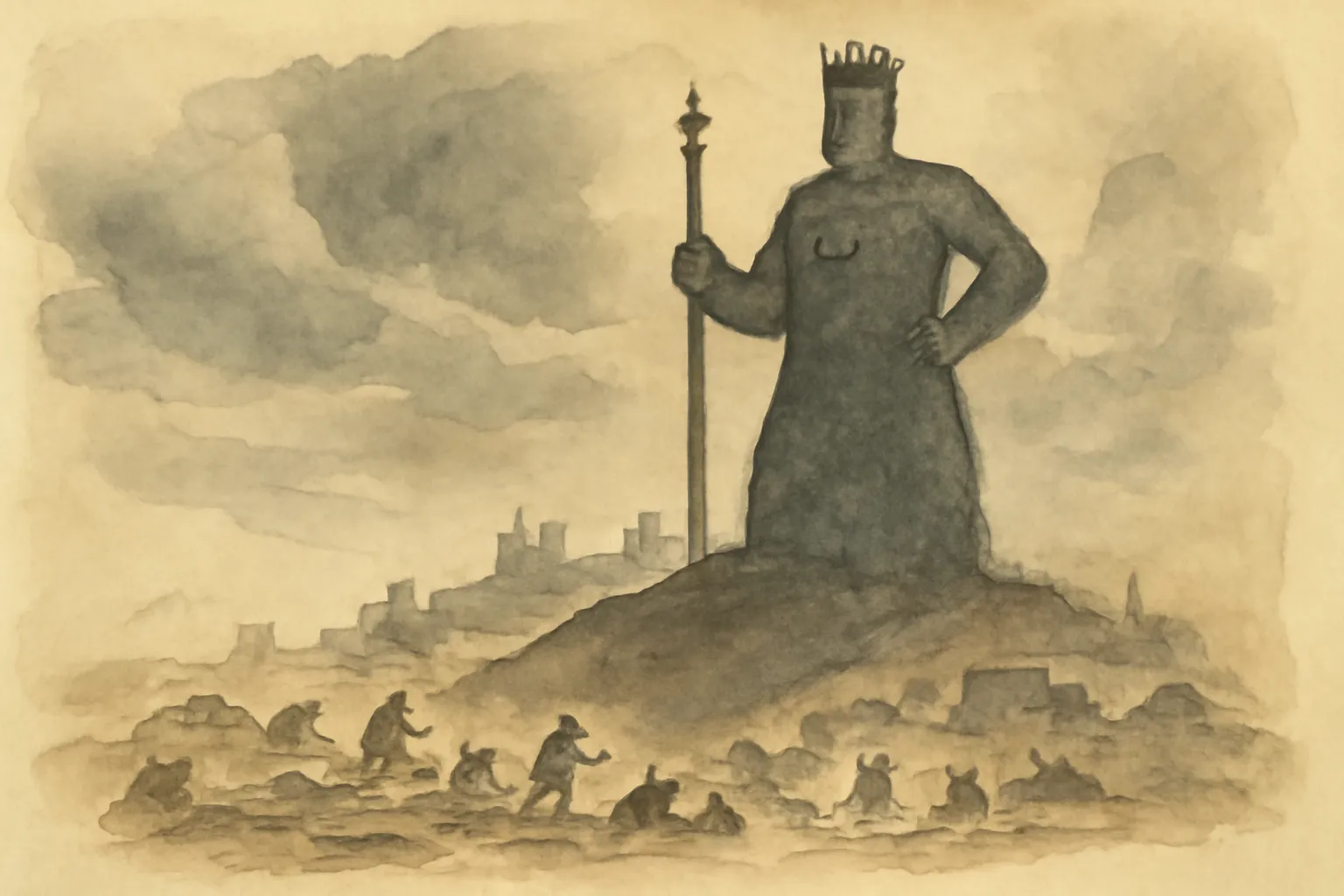
Hobbes famously describes the state of nature as a condition of perpetual conflict, where every individual is in a constant struggle for survival. In this state, there is no authority to impose order, and each person acts solely out of self-interest, leading to a 'war of all against all.' This bleak portrayal of human existence underscores the necessity of establishing a social contract to escape such chaos. The fear of death and the desire for security compel individuals to surrender some of their freedoms to a sovereign authority, which can enforce peace and protect them from one another. This transition from the state of nature to a governed society is a cornerstone of Hobbes' political philosophy.
7.The Social Contract and the Birth of the Commonwealth
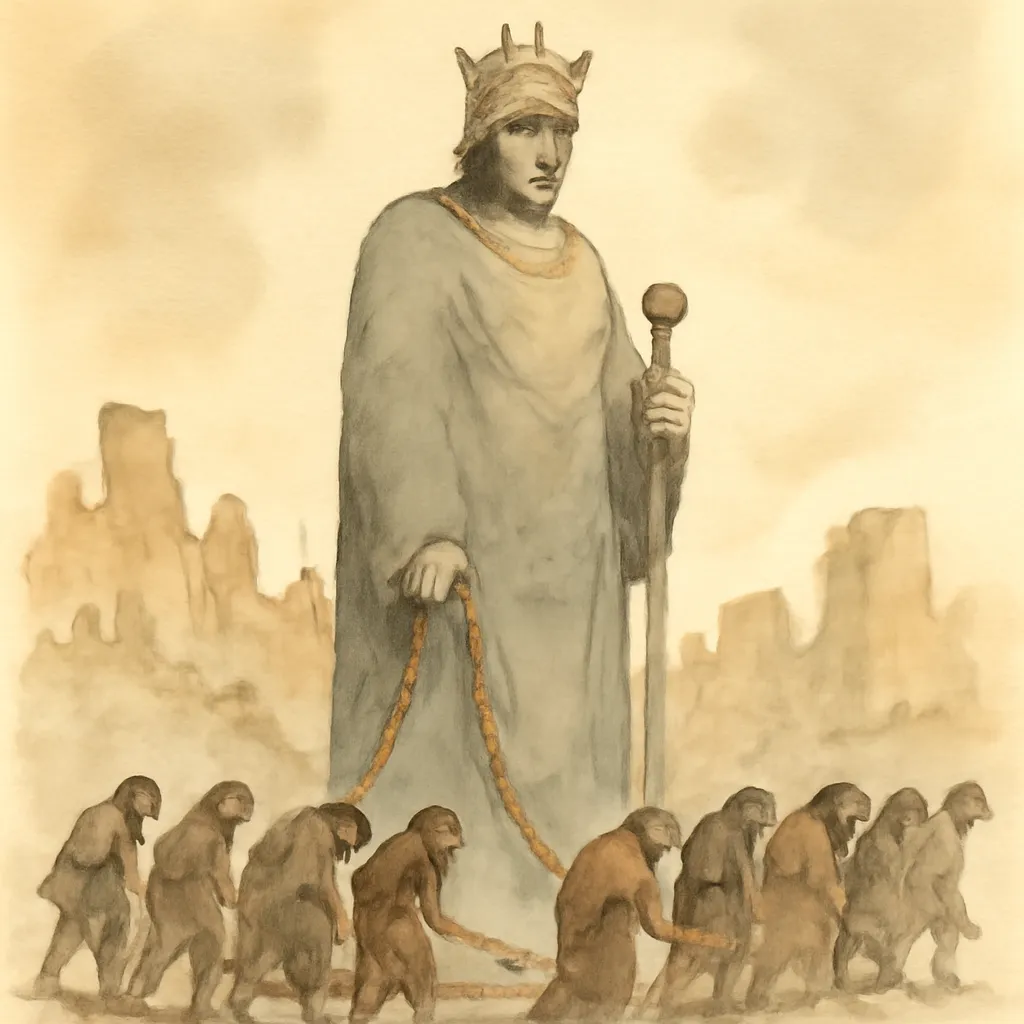
The social contract is central to Hobbes' argument, representing the collective agreement among individuals to form a commonwealth. By entering into this contract, individuals consent to relinquish certain freedoms in exchange for security and order. The sovereign, whether a monarch or an assembly, is granted absolute power to enforce laws and maintain peace. This authority is justified by the need to prevent the return to the chaotic state of nature. Hobbes asserts that the legitimacy of the sovereign derives from the consent of the governed, and any failure to uphold the social contract undermines the authority of the sovereign and risks a return to anarchy.
8.The Nature of Sovereignty and Its Rights
Hobbes delineates the nature of sovereignty, arguing that it is an absolute power held by the individual or assembly representing the commonwealth. Sovereignty is not merely a function of governance but embodies the collective will of the people, who have consented to be governed in exchange for security. The sovereign's rights include the ability to legislate, judge disputes, and command the military, all necessary for maintaining order. Hobbes warns that any attempt to undermine the sovereign's authority threatens the stability of society, as it can lead to a breakdown of the social contract and a resurgence of the state of nature.
9.Justice, Law, and the Role of Covenants
In Hobbes' framework, justice is defined by the performance of covenants. Without a governing authority to enforce agreements, covenants become meaningless, and individuals are free to act in their own interests. Justice, therefore, emerges from the establishment of a commonwealth, where the sovereign enforces the laws derived from the social contract. Hobbes posits that the essence of injustice is the failure to uphold covenants, which can only be rectified through the authority of the sovereign. This understanding of justice is practical, rooted in the need for societal stability rather than moral absolutes.
10.The Necessity of Religion in Society
Hobbes contends that religion plays a vital role in maintaining social order. He argues that the human inclination to seek explanations for the unknown leads to the development of religious beliefs. These beliefs provide comfort and a framework for understanding the world, helping to mitigate the anxieties associated with the uncertainties of life. Moreover, a shared religion can reinforce the social contract by promoting values and norms that align with the common good. However, Hobbes also cautions against the dangers of religious conflict, which can disrupt societal harmony and undermine the authority of the sovereign.
11.The Legacy and Relevance of Hobbes' Thought
Hobbes' 'Leviathan' has had a profound impact on political philosophy and the understanding of human nature. His arguments for the necessity of a strong central authority resonate in contemporary discussions about governance and civil society. The tension between individual freedoms and the need for security remains a central theme in modern political discourse. Hobbes' insights into the nature of human passions and the role of fear in shaping behavior continue to inform psychological and sociological studies. Ultimately, 'Leviathan' challenges readers to reflect on the balance between liberty and order, a question that remains as relevant today as it was in Hobbes' time.