1.The Mississippi: A Remarkable River
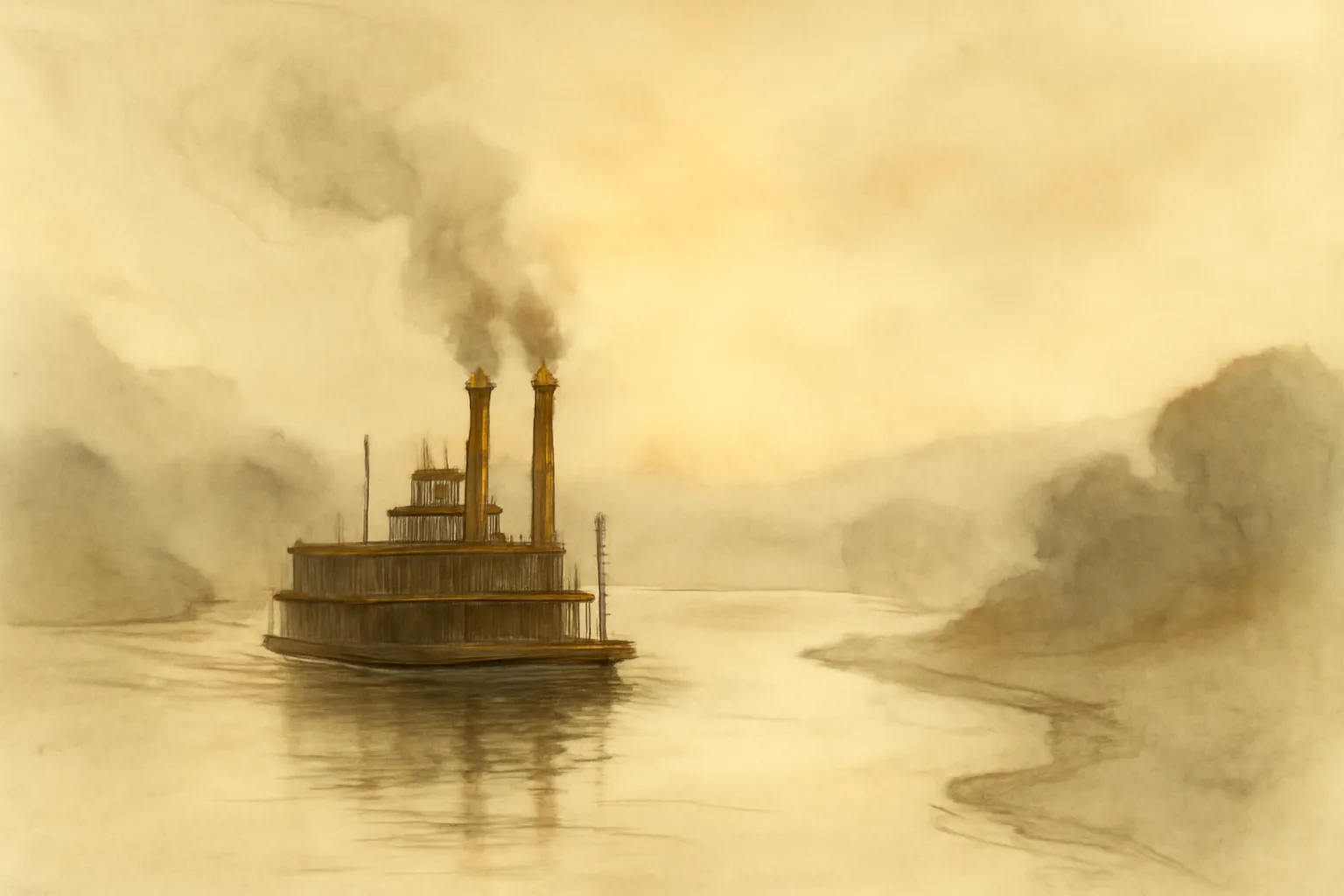
Twain begins with a captivating portrayal of the Mississippi River, emphasizing its uniqueness and significance. Stretching over four thousand miles, it is the longest river in the world, boasting a drainage basin that encompasses a vast area across twenty-eight states. Unlike most rivers that widen as they approach their mouths, the Mississippi narrows and deepens, showcasing its distinct physical characteristics. Twain highlights the river's immense power by noting that it discharges an astonishing four hundred and six million tons of mud annually, making it a force of nature that shapes the surrounding landscape. This remarkable river is not just a geographical feature; it is a living entity that has witnessed centuries of history, exploration, and commerce. The river serves as a lifeblood for the communities along its banks, connecting people and cultures while also presenting formidable challenges to those who navigate its waters.
2.Explorers and Early Commerce
The book dives into the history of the Mississippi, recounting the early explorers who sought to chart its course. Notably, Twain discusses the expeditions of figures like La Salle, who endeavored to stake claims and establish trade routes. Through vivid storytelling, Twain illustrates the perilous journeys undertaken by these pioneers, often accompanied by priests who were tasked with spiritual guidance. The narrative reveals the slow development of commerce along the river, highlighting how it took decades for a significant white population to settle along its banks. Despite the challenges, the river eventually became a bustling artery for trade, with keelboats and barges transporting goods to and from New Orleans. Twain captures the gritty reality of life on the river, filled with rough and hardy men who braved the elements in pursuit of fortune, painting a picture of a vibrant yet demanding world.
3.The Allure of Steamboat Life
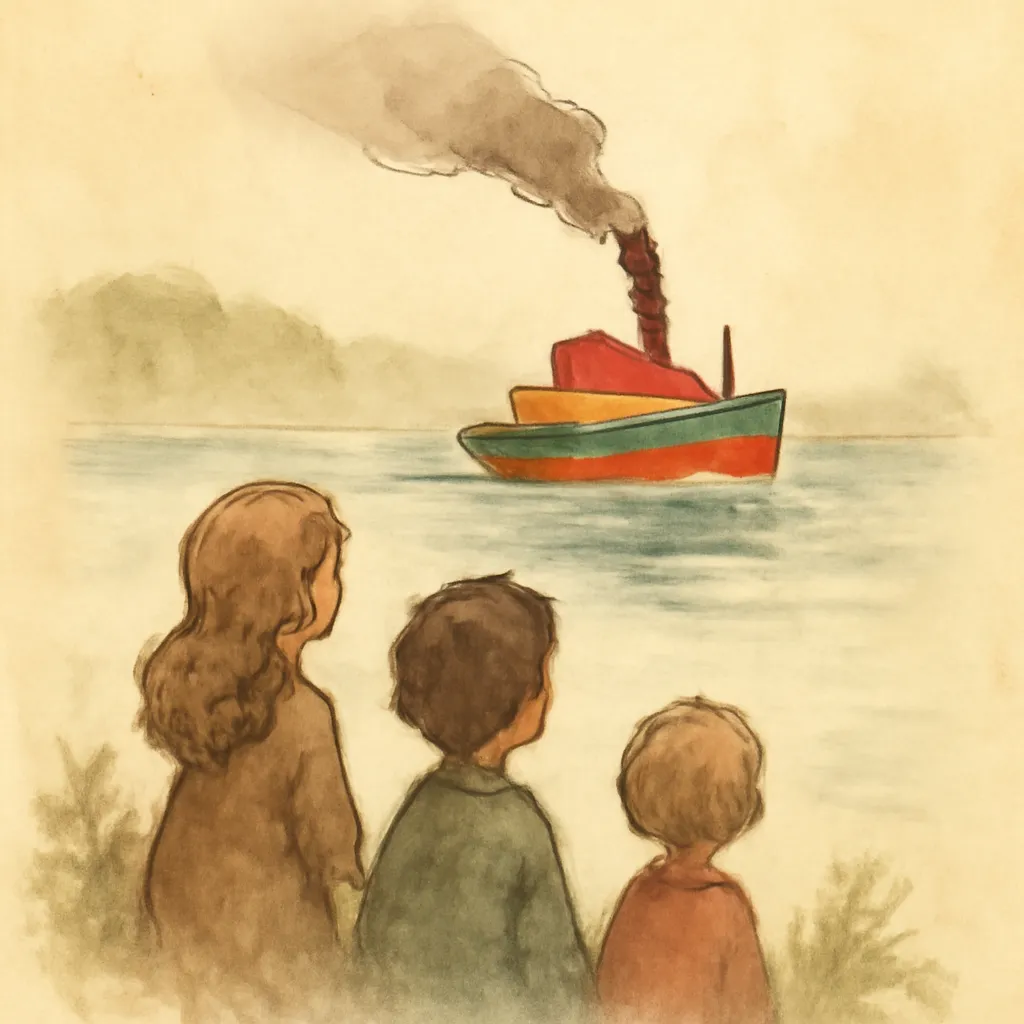
As a young boy, Twain was captivated by the idea of becoming a steamboatman, a dream that resonated deeply with his peers. He describes the excitement that enveloped his village whenever a steamboat appeared on the horizon, transforming an ordinary day into a spectacle of anticipation. This longing for adventure and the allure of life on the river drove Twain to pursue a career as a pilot, leading him to embark on a journey filled with both joy and hardship. The steamboat represents freedom and opportunity, embodying the spirit of exploration that characterized the era. Twain’s reflections on his childhood ambitions reveal the universal desire for adventure and the pursuit of one’s dreams, even in the face of uncertainty and adversity. The steamboat, with its majestic presence, symbolizes the transformative power of the Mississippi River and the dreams it inspired in those who lived along its banks.
4.The Rigors of Piloting
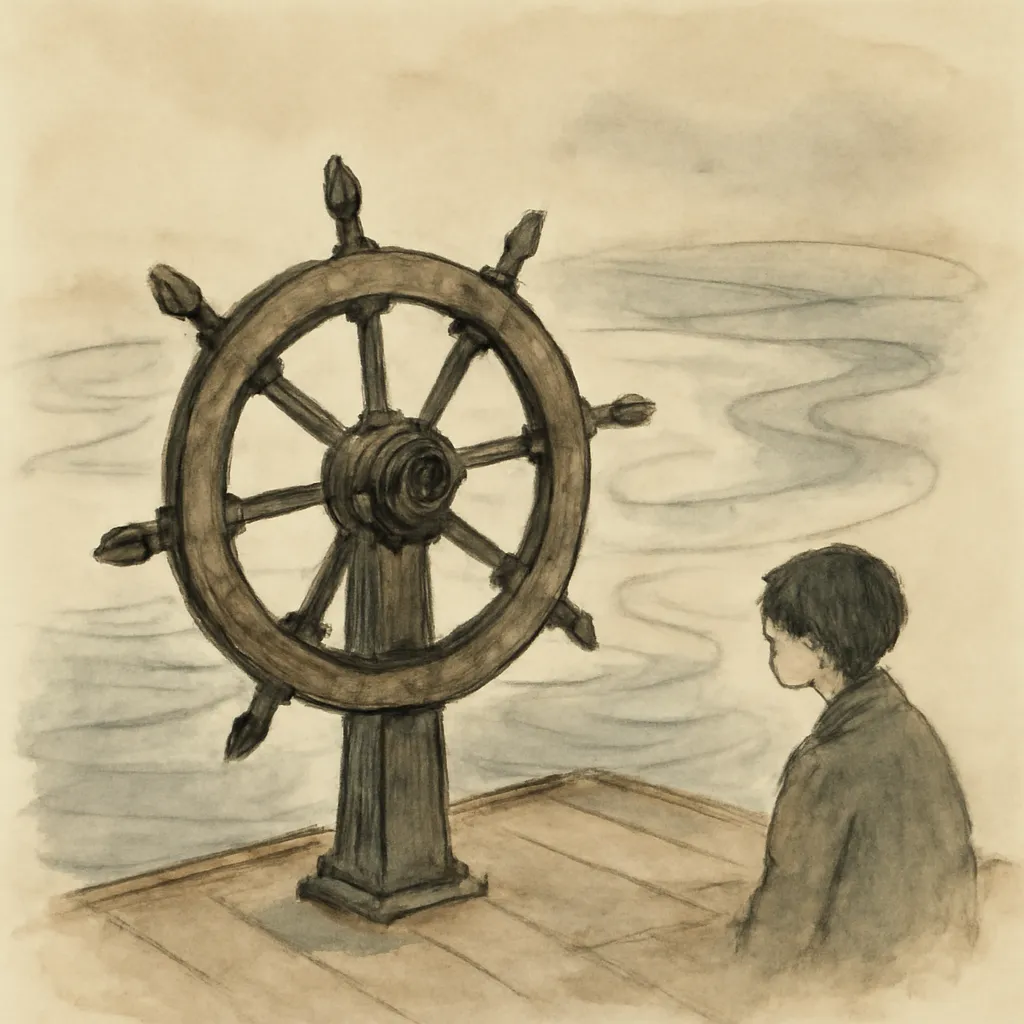
Twain's transition from a hopeful boy to a seasoned pilot reveals the immense challenges and responsibilities that come with navigating the Mississippi. He details the rigorous training he underwent under the guidance of experienced pilots, particularly Mr. Bixby. The process of learning the river is depicted as a formidable task, requiring not just knowledge of the water's currents and depths but also a remarkable memory. Pilots must memorize countless landmarks, bends, and shoals, as the river's ever-changing nature demands acute awareness and adaptability. Twain emphasizes the mental acuity required for piloting, illustrating how a pilot’s knowledge can mean the difference between life and death. The narrative conveys a sense of respect for the profession, shedding light on the complexities of navigating a river that is both beautiful and treacherous. This exploration into the art of piloting underscores the dedication and skill needed to master the Mississippi, transforming it into a living character within the story.
5.Encounters with Rivermen and Their Culture
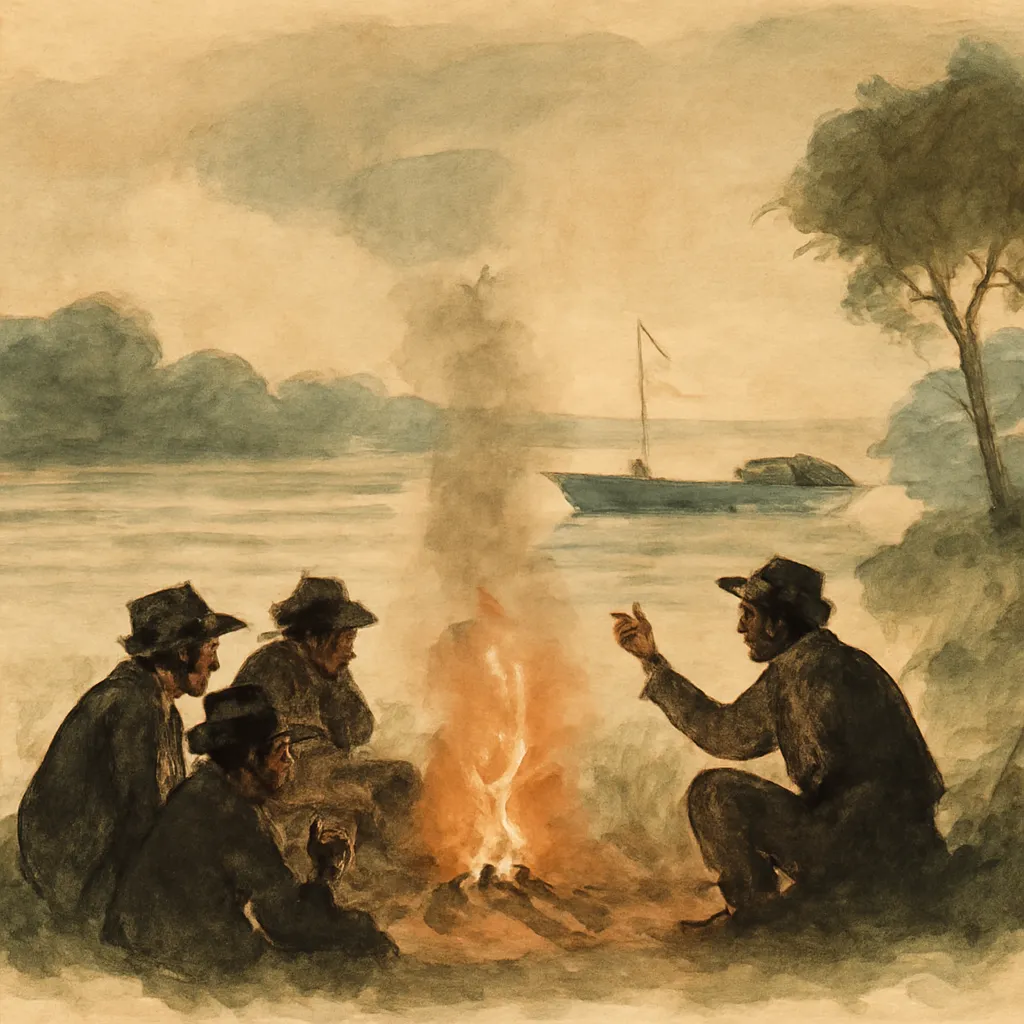
Throughout his journey, Twain encounters a diverse array of characters who inhabit the world of the Mississippi River. From rough-and-tumble rivermen to superstitious locals, each individual adds color to Twain’s narrative. He paints vivid portraits of these personalities, capturing their quirks, dialects, and unique lifestyles. The rivermen, often depicted as boisterous and larger than life, embody the spirit of the river, thriving in its chaos and unpredictability. Twain's interactions with these characters reveal the camaraderie and rivalry that exists among them, highlighting the rich tapestry of human experience along the riverbanks. The culture surrounding the steamboat life is one of both pride and hardship, where men are defined by their ability to navigate the treacherous waters and their resilience in the face of adversity. Through these encounters, Twain provides a nuanced understanding of the social dynamics at play, revealing how the river shapes not only the landscape but also the lives of those who call it home.
6.The Changing Landscape of the River
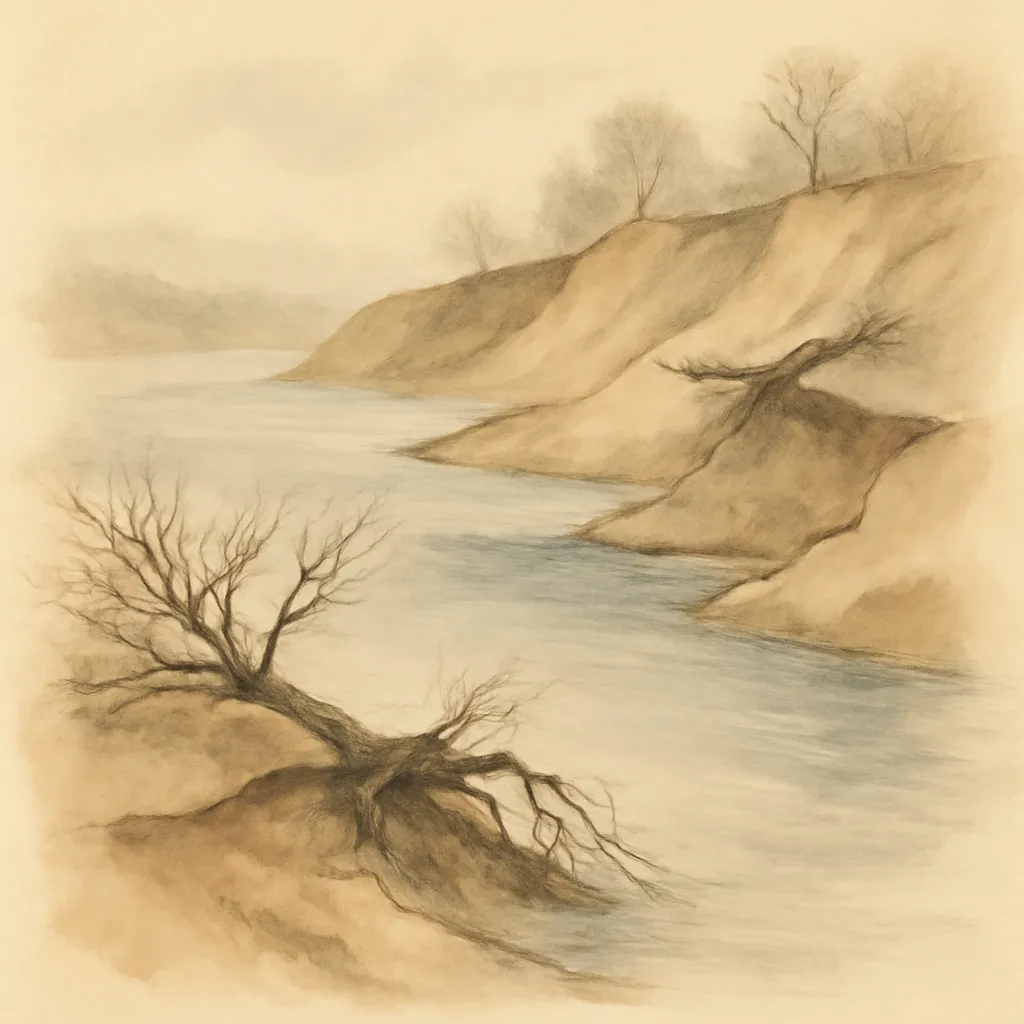
As Twain's narrative progresses, he draws attention to the dynamic nature of the Mississippi River and its surroundings. The river is constantly reshaping itself, with cut-offs and changes in course that can dramatically alter navigation. Twain describes the phenomenon of 'cut-offs,' where the river carves new paths, leaving old channels abandoned and creating sudden changes in geography. This fluidity of the river serves as a metaphor for the changes in society and commerce taking place during Twain's time. The encroachment of railroads and the impact of the Civil War further complicate the river's role as a commercial artery. Twain reflects on the tension between traditional river navigation and the emerging technologies that threaten to overshadow it. This evolving landscape raises questions about progress, adaptation, and the enduring significance of the Mississippi River in American life. Twain's observations invite readers to consider the implications of change, both in nature and in the human experience.
7.The Trials of a Young Pilot
Twain’s apprenticeship as a pilot is fraught with trials and tribulations that test his resolve and character. He recounts moments of self-doubt and fear as he grapples with the immense responsibility of piloting a steamboat. The pressure to perform and the stakes involved are palpable, especially when navigating through fog or encountering other vessels. Twain’s candid reflections on his mistakes and missteps reveal the steep learning curve that comes with the profession. Each challenge serves as a lesson, shaping him into a competent pilot while also instilling a deep respect for the river and its unpredictable nature. The narrative captures the essence of growth through adversity, illustrating how each experience contributes to his development as both a pilot and an individual. Through these trials, Twain conveys the message that perseverance, humility, and a willingness to learn are essential qualities for anyone seeking to master their craft.
8.Disasters and Their Impact
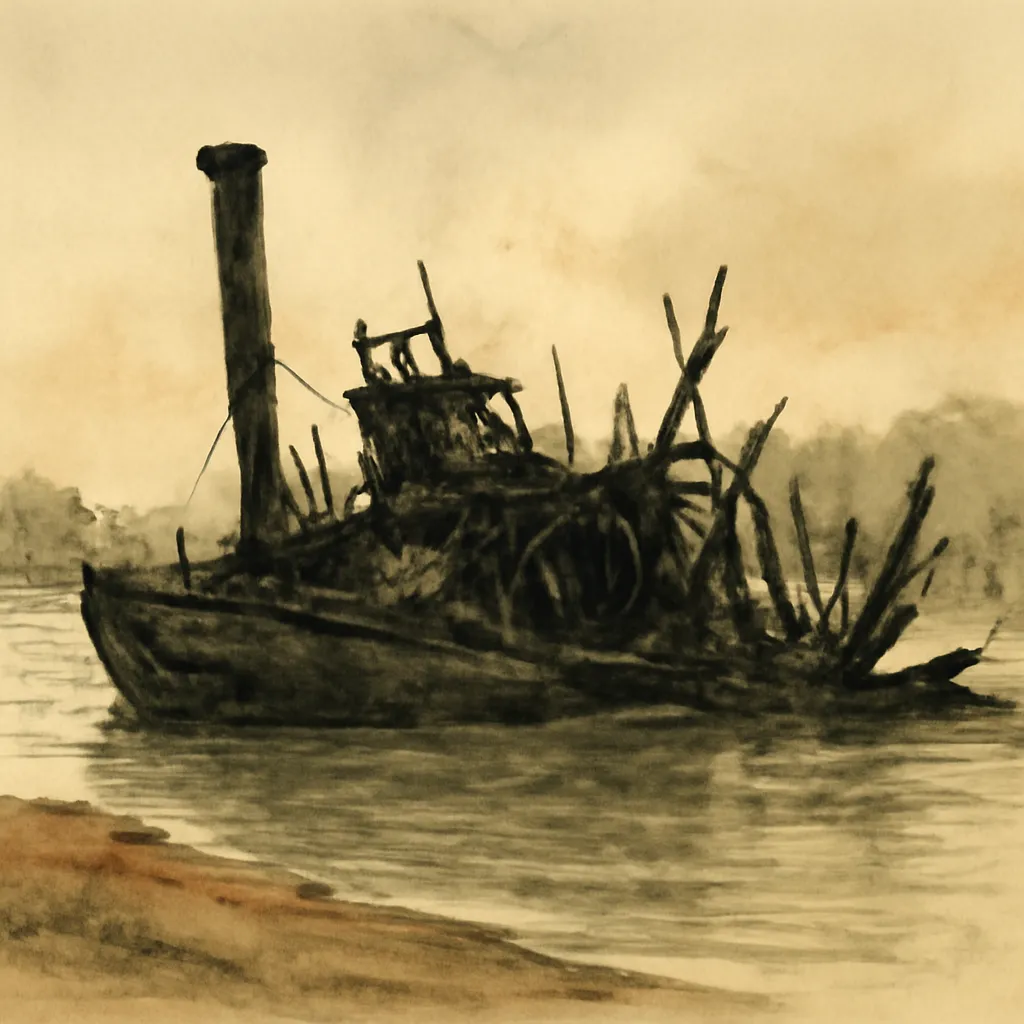
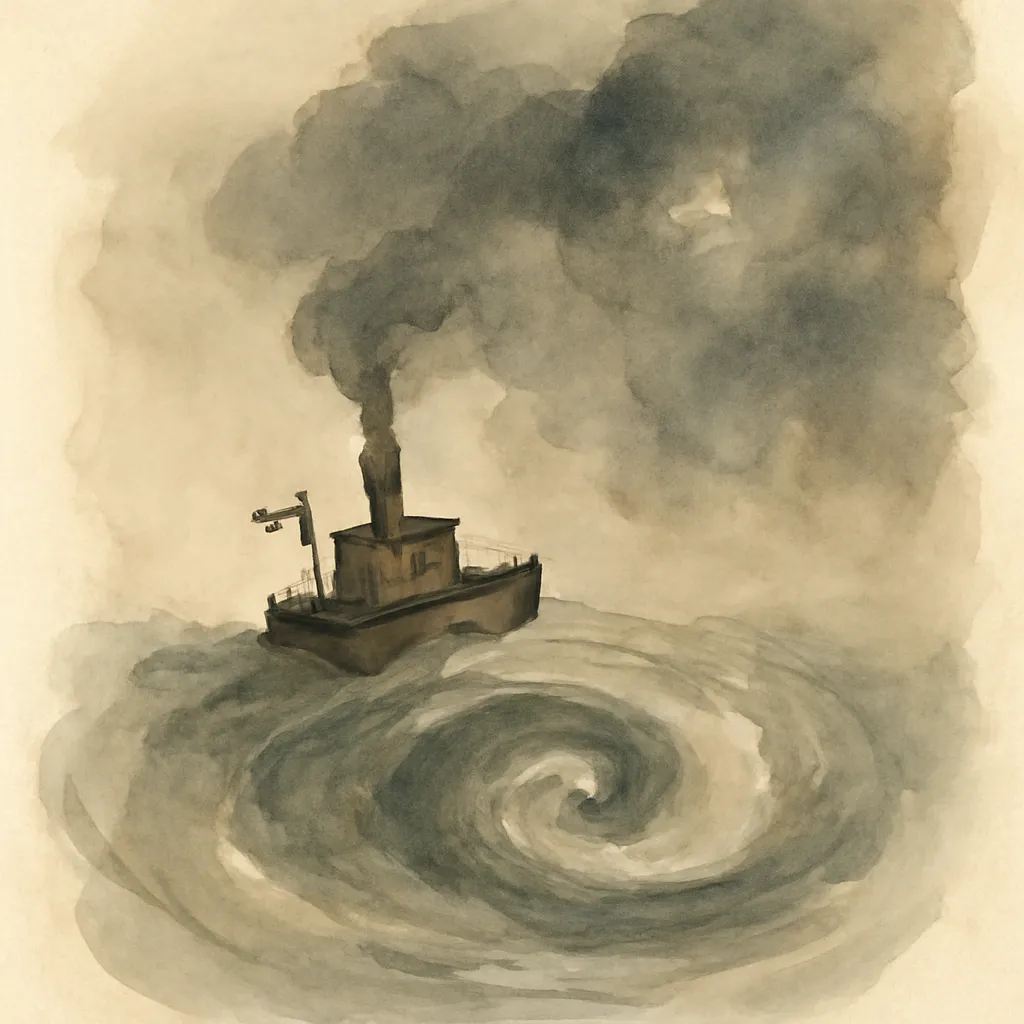
The narrative also addresses the darker side of life on the Mississippi, particularly the disasters that can occur on the river. Twain recounts the tragic explosion of the steamboat 'Pennsylvania,' which resulted in significant loss of life. This catastrophic event serves as a stark reminder of the dangers inherent in steamboat travel. Twain's description of the aftermath highlights the chaos and panic that ensue during such disasters, revealing the vulnerability of both passengers and crew. The incident prompts reflections on mortality, the unpredictability of life, and the transient nature of existence. Twain's treatment of these tragedies emphasizes the need for caution and respect for the river, reinforcing its dual nature as both a source of livelihood and a potential harbinger of disaster. Through these accounts, readers are reminded of the fine line between adventure and calamity, and the responsibilities borne by those who navigate the mighty Mississippi.
9.The End of an Era

As Twain reflects on his journey, he grapples with the changes brought about by the passage of time and the advent of new technologies. The rise of railroads marks a significant shift in transportation, threatening the dominance of steamboat commerce. Twain's nostalgia for the golden age of steamboating is palpable, as he laments the loss of a way of life that was deeply intertwined with the river. This transition symbolizes broader societal changes, as America moves toward modernization and industrialization. Twain's reflections serve as a poignant reminder of the impermanence of all things, urging readers to appreciate the beauty and significance of the past while acknowledging the inevitability of change. The end of an era not only affects the river and its commerce but also resonates with personal themes of growth, loss, and the relentless march of time. Twain's journey ultimately becomes a metaphor for the broader human experience, where the past informs the present, and the future remains uncertain.
10.A Return to the River
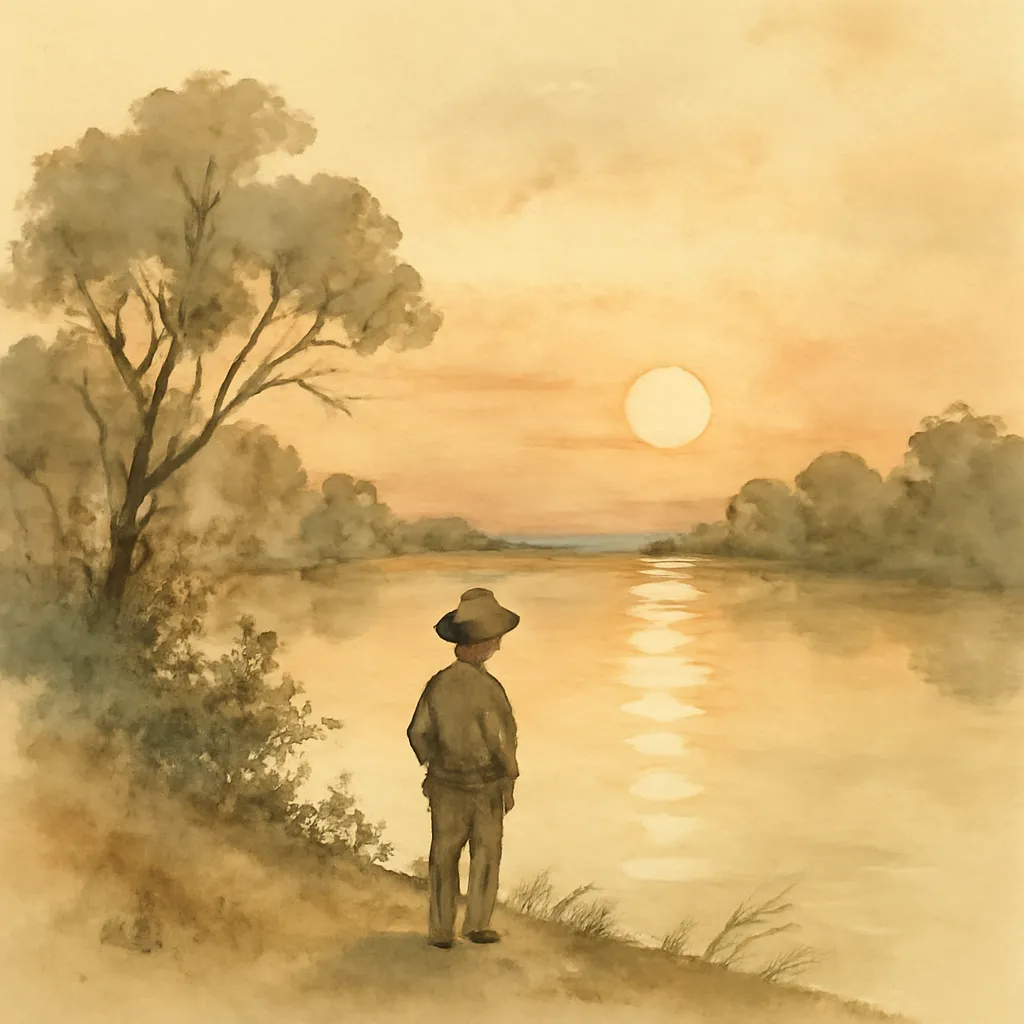
In the latter part of the book, Twain returns to the Mississippi after years of absence, driven by a desire to reconnect with the river that shaped his identity. This journey serves as both a literal and metaphorical exploration of his past, as he revisits familiar landscapes and reflects on the changes that have occurred. The nostalgia is palpable as he encounters remnants of the vibrant steamboat culture that once thrived along the riverbanks. Twain's observations reveal the lasting impact of his experiences as a pilot, as well as the indelible mark the river has left on his life. Through this return, Twain grapples with themes of memory, change, and the passage of time, ultimately finding solace in the enduring presence of the Mississippi. This concluding journey encapsulates the essence of the book, celebrating the river as a symbol of adventure, resilience, and the ever-evolving narrative of American life.