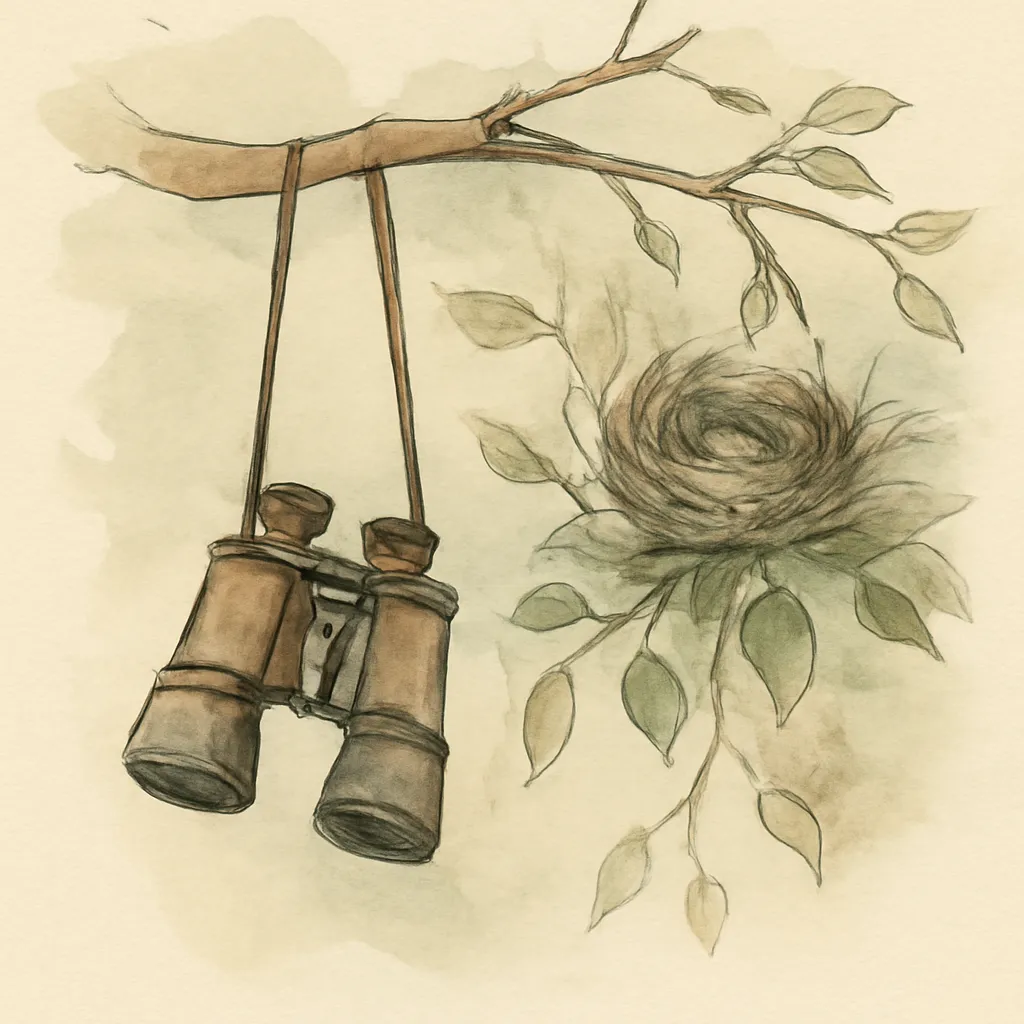
1.The Nest as a Portal to Bird Life
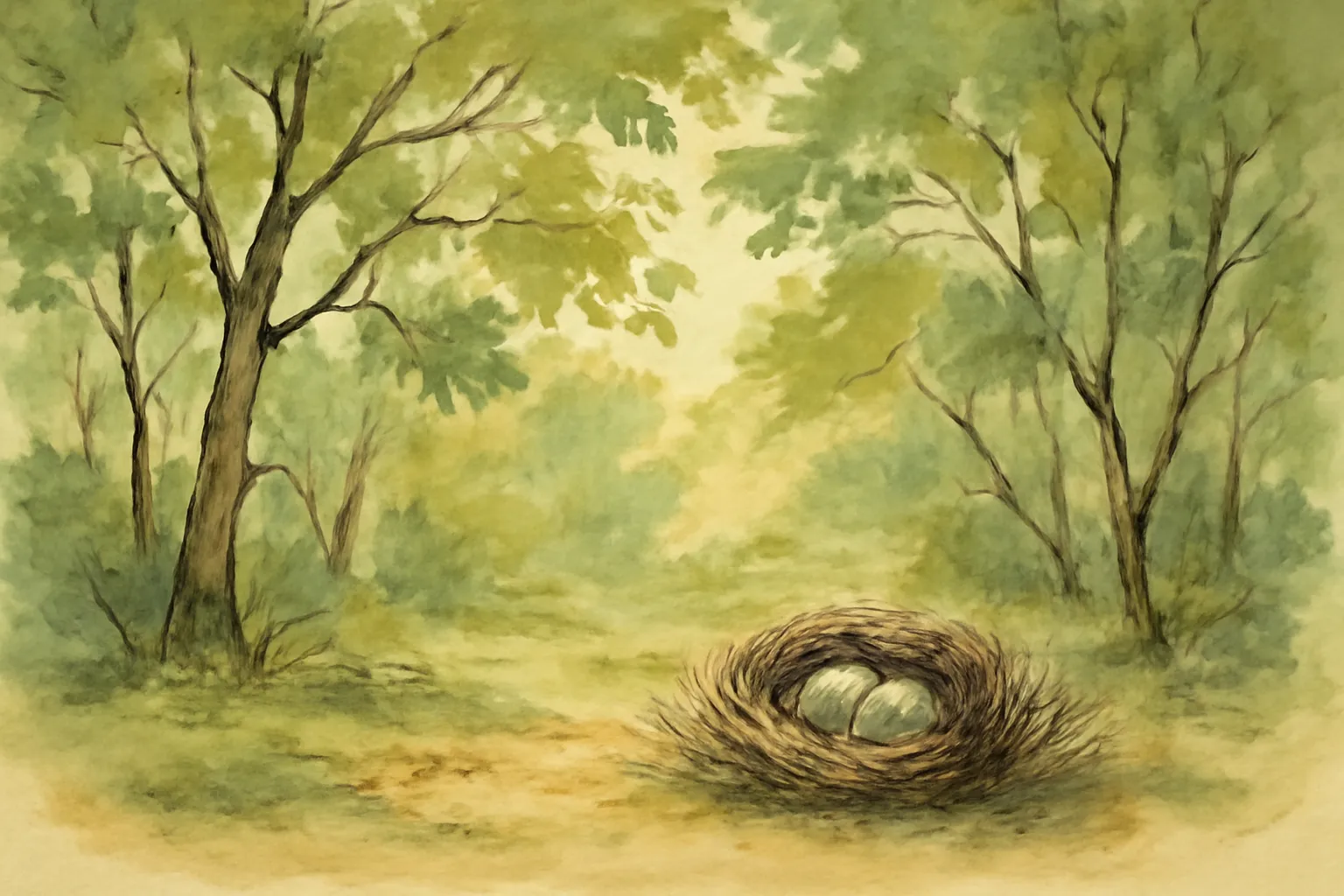
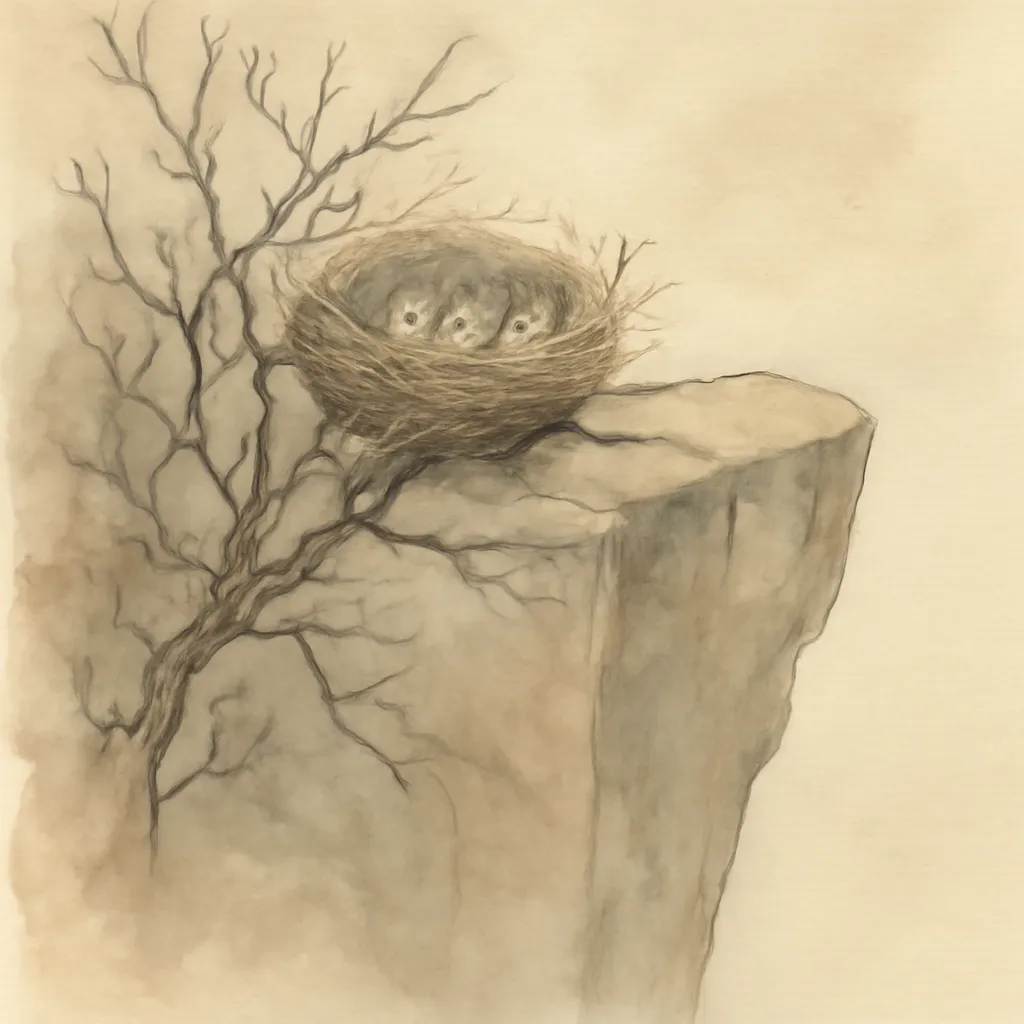
Miller emphasizes that studying a bird's nest is akin to making a new acquaintance. The nesting period is a unique time when the true character of a bird is revealed. Observing the building and care of a nest provides insights into the bird's emotions and experiences, encapsulating a lifetime of behaviors in just a few weeks. For instance, the meticulousness of the kingbird as it constructs its nest from various materials illustrates the care and attention that goes into family life. This intimate connection between the observer and the observed fosters a greater understanding of avian life and the complexities of their domestic roles. Each nest is a testament to the individuality of the species, reflecting its unique adaptations to environment and predator avoidance. As Miller observes, a single nest can be a microcosm of the bird's life—its struggles, hopes, and achievements—making it a compelling focus for study.
2.The Journey from Nest to Independence
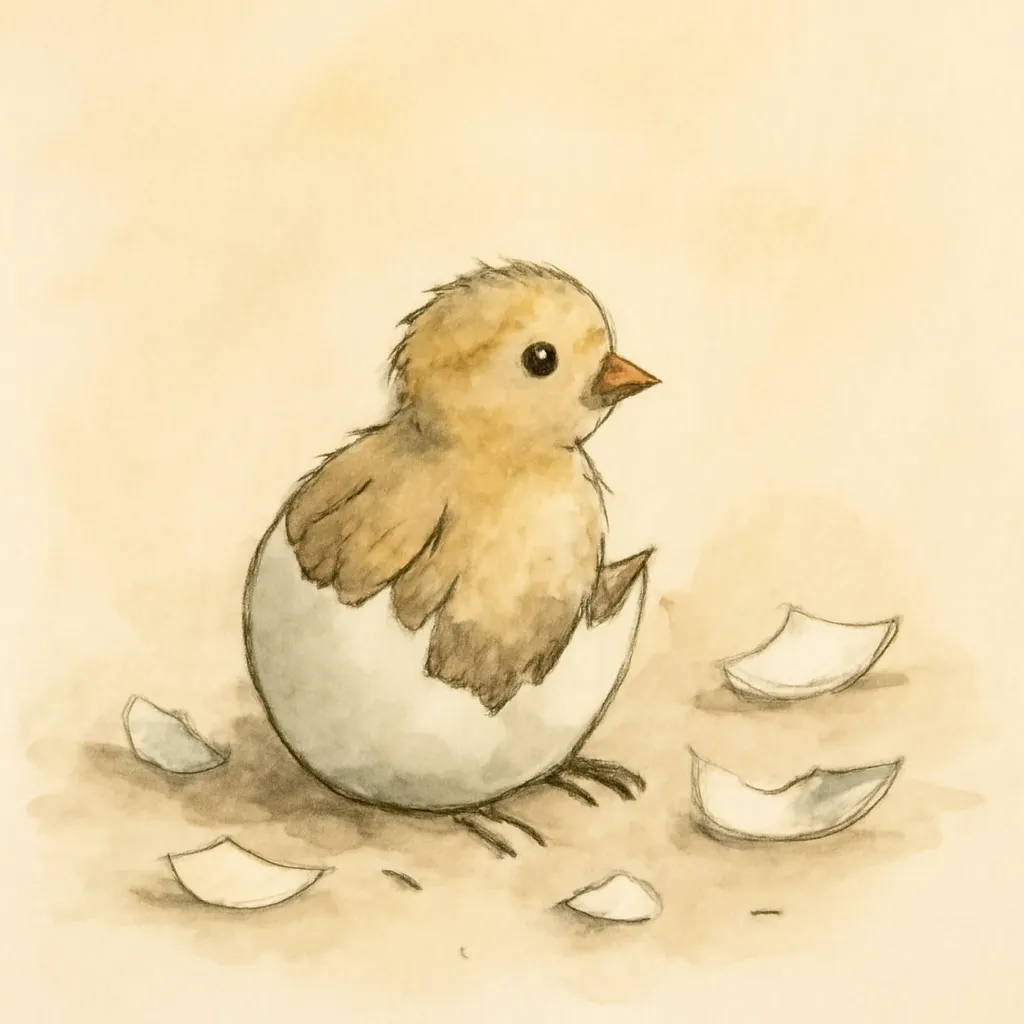
Miller chronicles the transformative journey of baby birds, particularly the kingbird chicks, from hatching to fledging. The excitement surrounding the moment when the first chick breaks free from its egg symbolizes hope and new beginnings. The narrative captures the dynamics of parental care, as the male kingbird takes on the responsibility of providing food while the female keeps the nestlings warm. This division of labor highlights the teamwork inherent in avian parenting. The careful observations demonstrate the ways in which the parents educate their young, teaching them to recognize food and navigate their environment. As the chicks grow, their clumsy attempts to navigate the world serve as a poignant reminder of the challenges faced by all young creatures as they learn to survive and thrive in their environment. Miller's narrative evokes sympathy for the young birds as they face the daunting world outside their nest, mirroring the universal experiences of growing up and finding one’s place in the world.
3.The Art of Concealment in Nesting
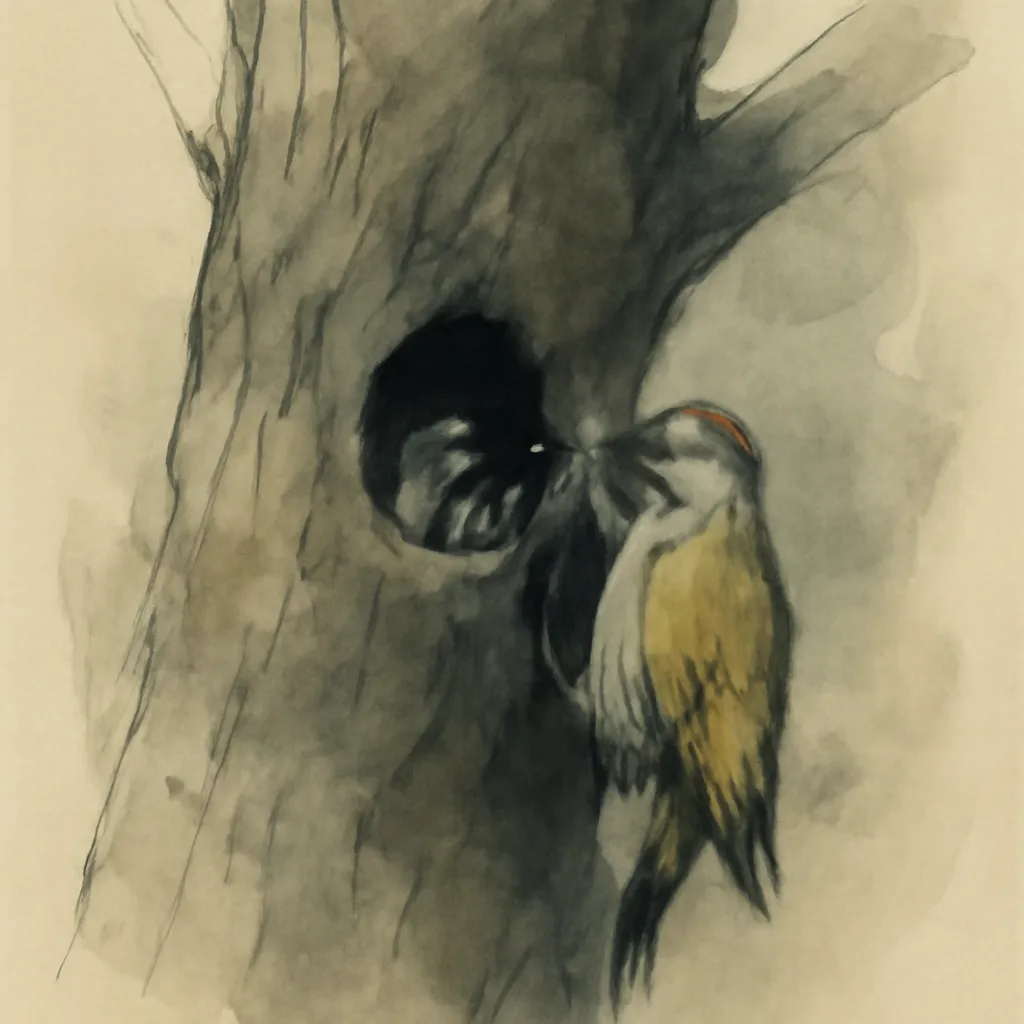
Miller showcases the remarkable strategies birds employ to conceal their nests from predators. The golden-winged woodpecker's nest, hidden within the trunk of an oak, exemplifies the lengths to which birds go to ensure the safety of their young. The lack of external signs of life around the nesting site speaks volumes about the instinctual behaviors that protect vulnerable offspring. In a world where predators are ever-present, the ability to remain undetected becomes a key to survival. This theme of concealment is not just about survival; it reflects the delicate balance of nature where every creature plays a role in the ecosystem. The observer's quest to discover these hidden treasures mirrors the challenges birds face in safeguarding their families. Miller's keen description of the silent vigilance of the woodpecker and the meticulous care taken to hide the nest emphasizes the importance of adaptation in the natural world.
4.The Role of Observation in Understanding Nature
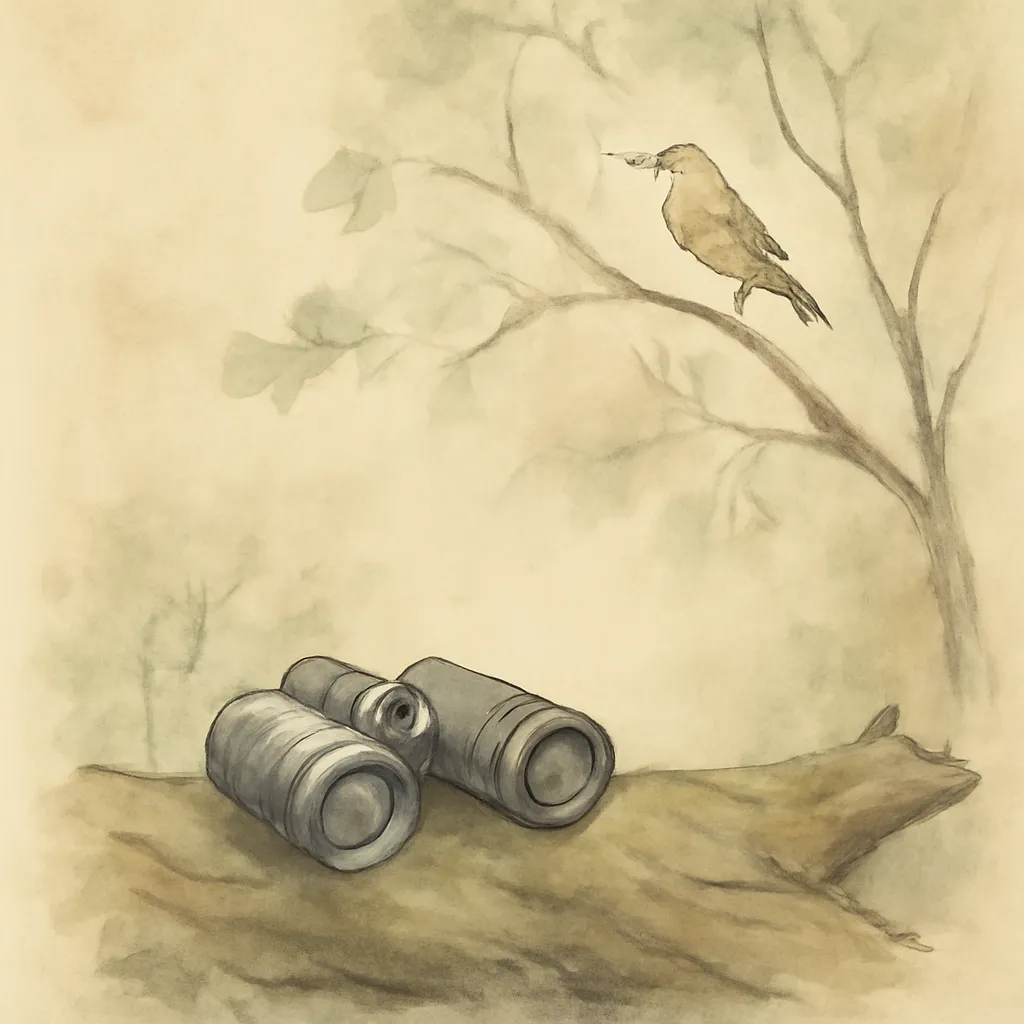
Miller’s experiences illustrate the importance of patient observation when studying bird life. Whether waiting quietly by a nest or following a warbler's song, the author emphasizes that understanding bird behavior requires time and attention. This observation not only enriches the observer's knowledge but also fosters a sense of connection with the natural world. The process of watching birds interact with their environment—like the redstart’s silent vigilance over its nest—can deepen one’s appreciation for the intricacies of wildlife and the need for conservation efforts. Through careful observation, Miller invites readers to become stewards of nature, advocating for the protection of these beautiful creatures. The detailed accounts of her waiting periods, where she gains insights into the secret lives of birds, highlight how patience and dedication can yield profound understanding and joy, creating a bond between human observers and avian subjects.
5.The Impact of Human Activity on Bird Life
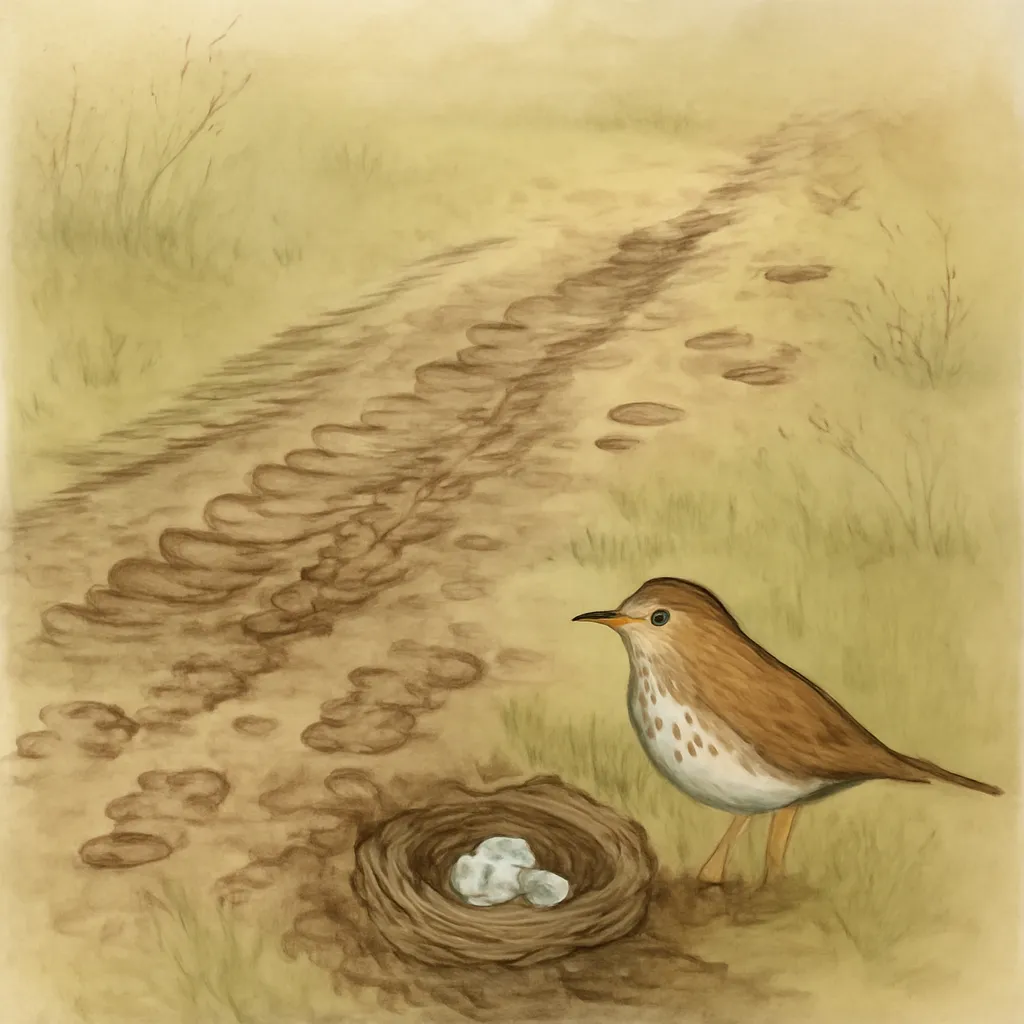
Miller does not shy away from addressing the impact of human activity on bird habitats. The disruption caused by men and machines, as seen in the meadow where the veeries nest, illustrates the threats that birds face from habitat destruction. The author poignantly captures the distress of the parent birds when their environment is invaded, highlighting the fragility of their existence. As the natural world is encroached upon by human development, the struggle for survival becomes increasingly difficult for these creatures. Miller’s observations serve as a wake-up call, urging readers to consider the effects of their own actions on nature. By bringing awareness to the challenges birds encounter, Miller encourages a deeper commitment to conservation and the protection of natural spaces. The theme of stewardship echoes throughout her narrative, inviting readers to reflect on their responsibilities toward the environment and the winged inhabitants who share it.
6.The Complexity of Bird Relationships
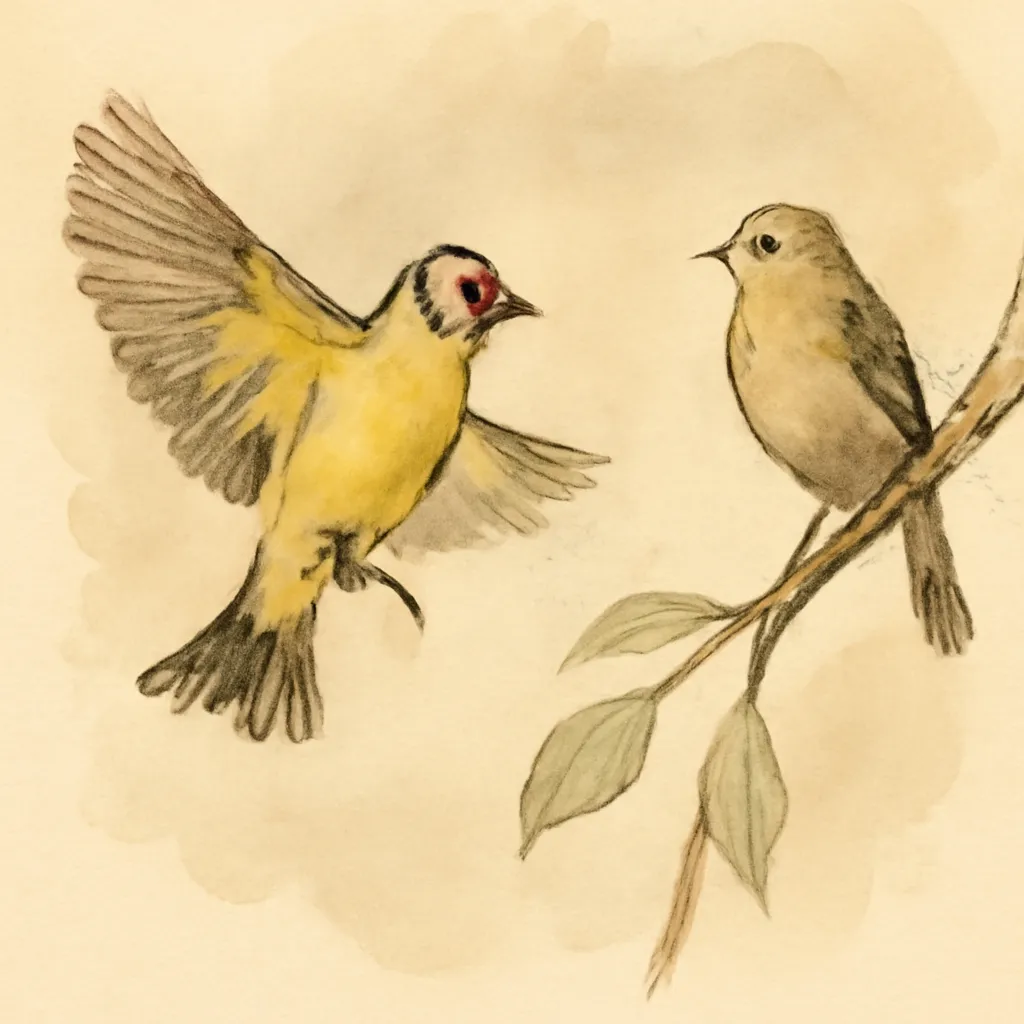
Miller delves into the complex relationships among birds, showcasing their social structures and mating behaviors. The courtship rituals of the goldfinch, for example, reveal a dynamic interplay of attraction and competition. The author describes the males’ vibrant displays and songs as they woo potential mates, illustrating the significance of these rituals in the avian world. This exploration of bird relationships extends beyond mating, addressing the familial bonds formed during the rearing of young. The interactions among different species, such as the confrontations between the brown thrush and sparrows, further highlight the social dynamics at play. Understanding these relationships enriches our knowledge of biodiversity and the interconnectedness of life forms within ecosystems. Miller’s insights prompt readers to appreciate the intricate web of life that connects all creatures, emphasizing that the survival of one species often depends on the well-being of others.
7.The Significance of Songs and Calls
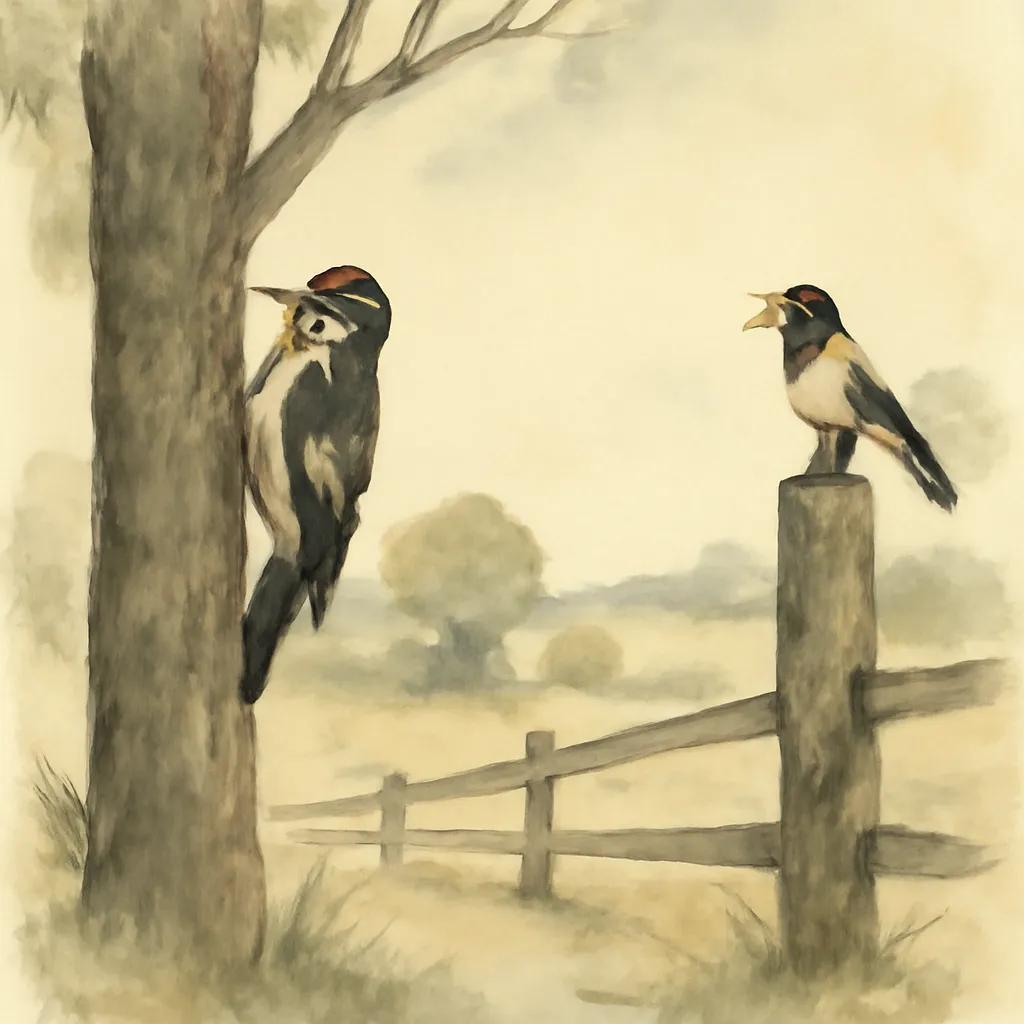
Miller highlights the importance of bird songs and calls in communication and territory establishment. The enchanting melodies of the woodpecker and the vibrant songs of the bobolink serve as a backdrop to the narrative, underscoring the role of vocalization in avian life. These sounds are not merely for show; they play critical roles in attracting mates, defending territory, and signaling danger. The author’s reflections on the 'witching song' of a particular bird capture the emotional resonance that these sounds evoke in listeners. This exploration of avian communication invites readers to listen more closely to the world around them and appreciate the nuanced language of nature. Each unique call serves a purpose and fosters relationships within and among species, illustrating how communication is vital for survival in the wild. Miller’s descriptions of these sounds evoke a sense of wonder, encouraging readers to tune in to the natural symphonies that surround them.
8.The Dance of Life and Death in Nature
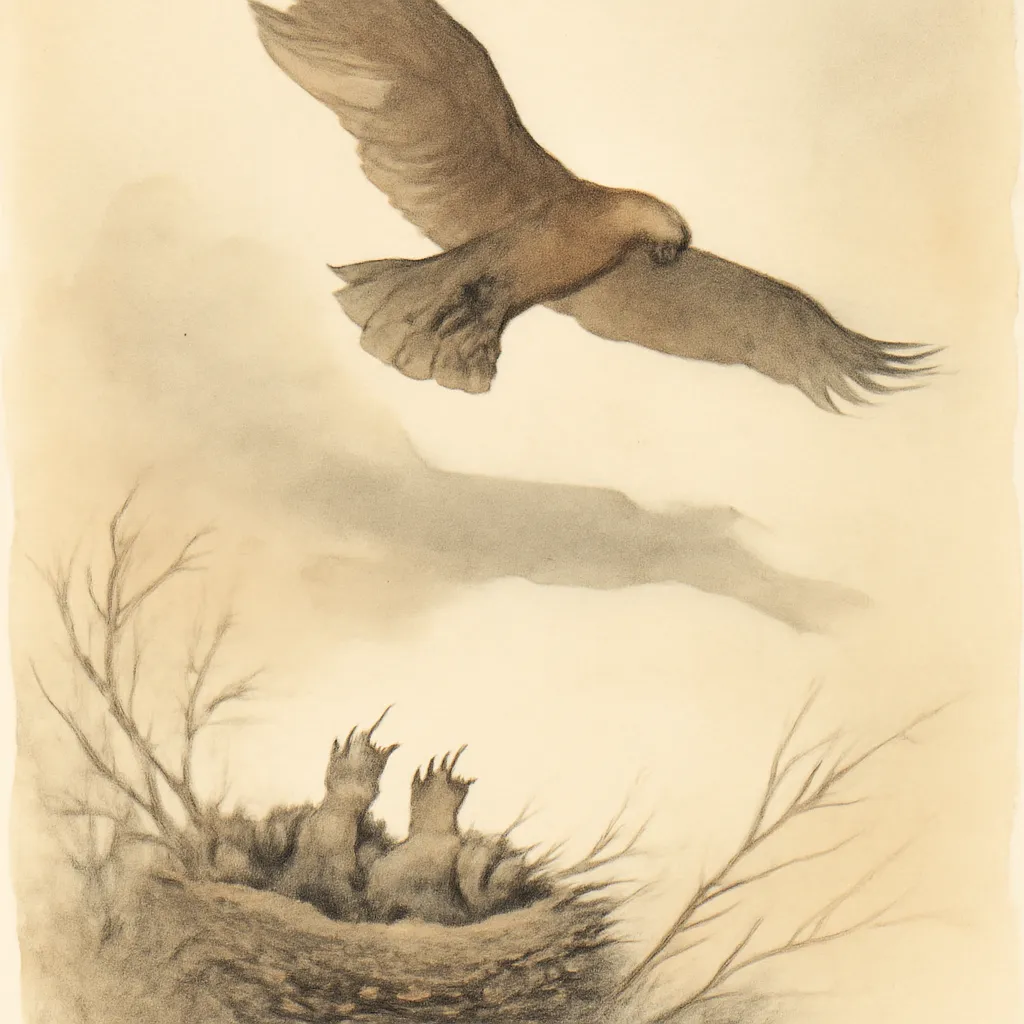
Miller does not shy away from the darker aspects of nature, including the realities of predation and survival. The tension between the need for birds to feed their young and the constant threat of predators illustrates the harsh realities of life in the wild. The author reflects on the delicate balance of life and death that defines the natural world, where every creature plays a role in the ecosystem. This perspective cultivates a deeper understanding of the cycles of nature and the inherent struggles that all living beings face. By acknowledging these challenges, Miller encourages readers to appreciate the resilience and tenacity of wildlife. The narrative highlights that every life taken in the wild is part of a larger cycle that sustains the ecosystem, fostering a sense of respect for the intricate web of life.
9.The Joy of Discovery in Birdwatching
Miller's narrative captures the joy and excitement of birdwatching, as she recounts her personal experiences of discovering nests and observing bird behaviors. Each new sighting brings a sense of wonder and fulfillment, highlighting the thrill of connecting with nature. The author’s vivid descriptions and emotional reflections invite readers to share in her enthusiasm, inspiring them to embark on their own journeys of discovery. This joy in observation fosters a sense of stewardship for the natural world and encourages a lifelong passion for understanding and protecting wildlife. Through her experiences, Miller illustrates that birdwatching is not just a pastime; it is a pathway to a deeper relationship with nature. The excitement that builds with each new encounter serves as a reminder of the unending beauty and surprise that the natural world has to offer.