1.Giovanna's Struggle for Recognition
Giovanna Scarpa, a washerwoman from Verona, embodies the tension between beauty and social status in her society. Despite her radiant beauty and virtuous nature, she finds herself overlooked in the marriage market due to her lack of a substantial dowry. Her story highlights the harsh realities faced by women of lower social classes, where worth is often measured by wealth rather than character. Giovanna's life is filled with toil as she labors by the river, yet her spirit remains unbroken, symbolizing resilience in the face of societal judgment. The contrast between her inner beauty and societal neglect raises questions about the values of a society that prioritizes wealth over virtue. Ultimately, her tale serves as a poignant critique of societal norms that dictate worth based on material possessions rather than personal qualities.
2.Vanna's Marital Dilemma
Vanna's marriage to Baldassare represents the complexities of love and obligation in a society that often prioritizes economic considerations over emotional connections. As Vanna navigates her role as a wife, she grapples with the expectations laid upon her by her husband and society. At 23, she is still youthful and vibrant, yet the whispers of her neighbors regarding her inability to bear children create a cloud of social stigma around her. This societal pressure leads to her internal conflict as she balances her loyalty to Baldassare with the desire for personal happiness. The gossip surrounding her potential infidelity reflects the ways in which women's reputations are scrutinized and how societal norms can dictate personal choices. Vanna's story invites readers to consider the sacrifices women make within the institution of marriage, often at the expense of their own desires and dreams.
3.The Birth of Gossip and Social Judgment
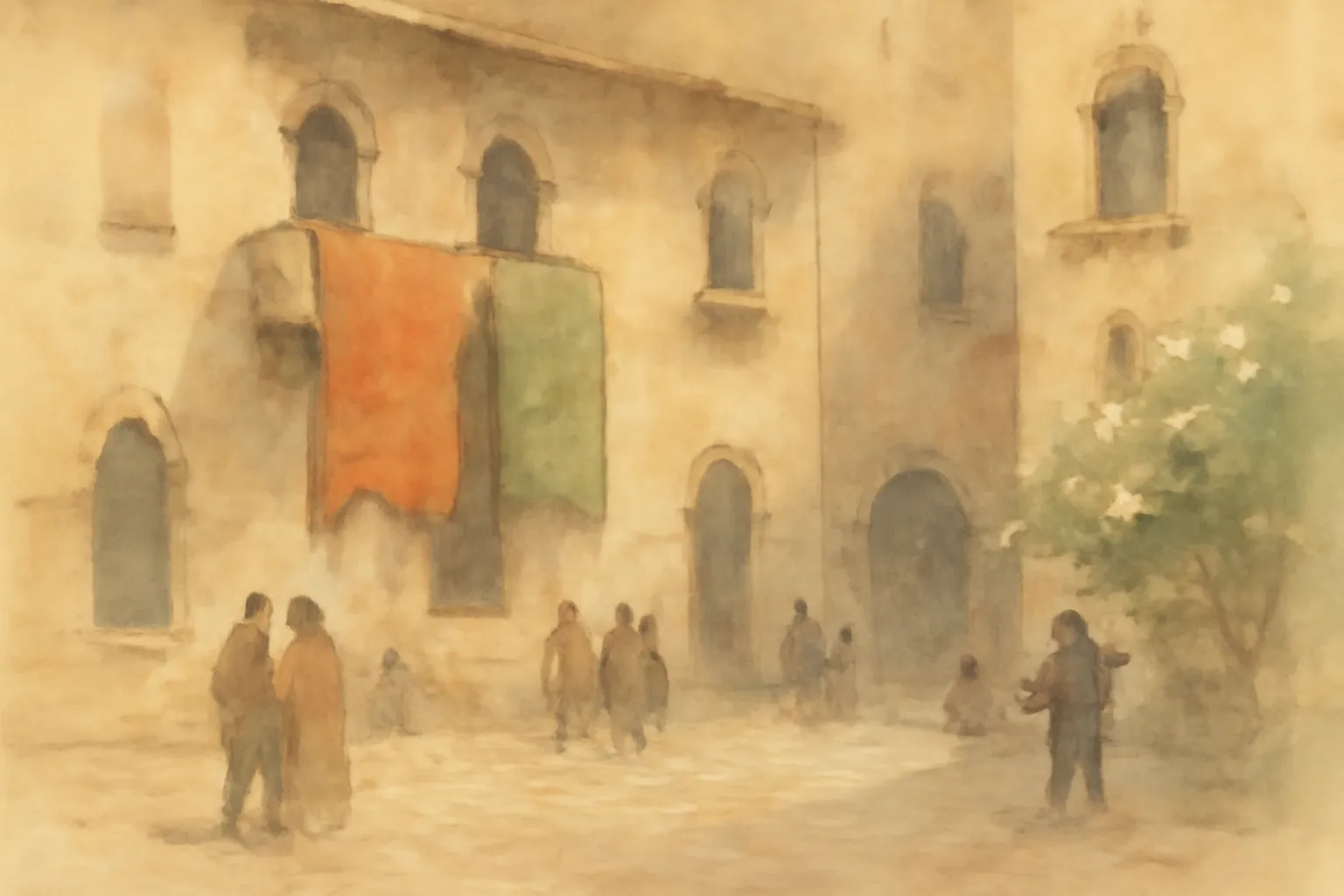
The arrival of Vanna's child becomes a catalyst for gossip that illuminates the dynamics of community judgment in Verona. As news of her pregnancy spreads, opinions are divided, showcasing how public perception can shape personal lives. The neighbors' reactions reveal a society quick to assign blame and praise, often based on rumor rather than truth. Vanna's situation is scrutinized not only for its moral implications but also for what it reveals about the fragility of social standing. The fervor of gossip serves as a mirror reflecting the values and prejudices of the community, highlighting the ways in which individuals are often at the mercy of public opinion. This theme resonates with contemporary audiences, as it underscores the timeless nature of gossip and its power to influence lives, often leading to tragic consequences.
4.Fra Battista's Ambition and the Price of Success
Fra Battista, a young preacher, becomes a figure of both admiration and controversy in Verona. His eloquence attracts a following, yet it also draws the ire of rival preachers who feel threatened by his rising popularity. The tension between his ambition and the moral implications of his success illustrates the precarious balance between personal aspirations and societal expectations. Battista's journey reveals how the pursuit of recognition can lead to moral compromise, as he grapples with the consequences of his actions. The narrative explores the idea that success often comes at a cost, forcing individuals to navigate ethical dilemmas in their quest for power and influence. Ultimately, Battista's story serves as a cautionary tale about the dangers of ambition unchecked by integrity.
5.Love and Sacrifice in the Face of Adversity
The love stories woven throughout 'Little Novels of Italy' highlight the sacrifices individuals make for love amid societal pressures. Characters like Baldassare and Vanna illustrate how love can be both a source of strength and a cause of conflict. Baldassare's deep affection for Vanna blinds him to the societal judgment surrounding their relationship, leading to a tragic misalignment of desires. Their love story is marked by the sacrifices they make for each other, reflecting the complexities of emotional bonds in a time when societal expectations often dictate personal choices. The narrative emphasizes that true love is not merely about passion but involves navigating external challenges and making difficult sacrifices for the sake of the beloved. This theme resonates with readers, as it speaks to the universal experience of love's trials and the resilience required to overcome them.
6.The Role of Religion and Morality
Religion plays a significant role in shaping the characters' lives and the societal framework of Renaissance Italy. The church's influence is evident in the lives of characters like Fra Battista, whose sermons become a battleground for moral authority. The narrative critiques the moral hypocrisy that often accompanies religious institutions, as characters grapple with their desires in light of religious expectations. The juxtaposition of personal ambition against the backdrop of religious morality raises questions about the authenticity of faith and the complexities of human nature. The conflicts faced by the characters serve as a reminder that morality is often nuanced, and individuals must navigate the gray areas between right and wrong. This theme encourages readers to reflect on the role of religion in their own lives and the moral dilemmas that arise in the pursuit of happiness.
7.The Power of Community and Belonging
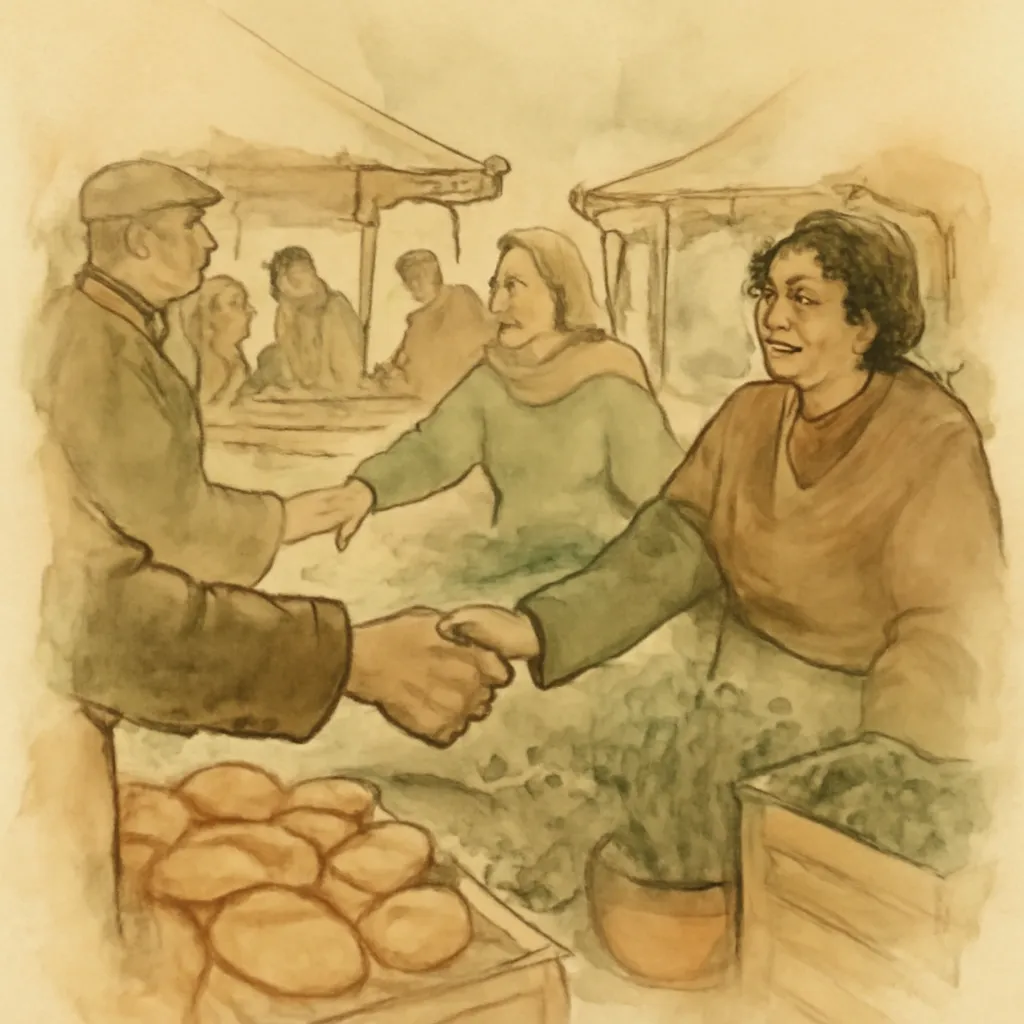
Community plays a vital role in shaping the characters' identities and experiences in 'Little Novels of Italy.' The interactions among neighbors, friends, and family members create a rich tapestry of relationships that influence individual choices and societal norms. Characters like Vanna and Baldassare are deeply affected by the opinions of those around them, illustrating how community dynamics can either support or hinder personal growth. The narrative explores the idea that belonging to a community comes with both privileges and responsibilities, as individuals navigate the expectations placed upon them. The importance of community is underscored by the way gossip and social judgment can impact lives, serving as a reminder of the interconnectedness of human experiences. This theme resonates with readers, as it reflects the universal desire for acceptance and the complexities of belonging.
8.The Interplay of Class and Identity
Hewlett's stories delve into the complexities of class and identity in Renaissance Italy, where social standing significantly influences personal relationships. Characters like Giovanna and Vanna navigate a landscape where their worth is often dictated by their economic status. The tension between their aspirations and the limitations imposed by their class highlights the struggles faced by individuals striving for recognition and agency. This interplay of class and identity raises critical questions about the nature of social mobility and the barriers that persist in society. The narrative encourages readers to reflect on their own perceptions of class and identity, challenging them to consider how societal structures shape individual experiences. Ultimately, the exploration of class dynamics adds depth to the characters' journeys, illustrating the multifaceted nature of human identity.
9.Nature as a Reflection of Emotion
The natural landscape of Italy serves as a powerful backdrop for the emotional journeys of the characters in 'Little Novels of Italy.' Hewlett's evocative descriptions of the countryside, rivers, and gardens mirror the inner lives of the characters, enhancing the emotional resonance of their stories. The beauty of the Italian landscape becomes a symbol of both hope and despair, reflecting the characters' aspirations and struggles. This interplay between nature and emotion invites readers to consider the ways in which the environment shapes human experiences. The lush imagery of the natural world serves as a reminder of the beauty that exists alongside human conflict, encouraging a deeper appreciation for the interconnectedness of life. This theme resonates with readers, as it highlights the role of nature in shaping personal narratives and emotional landscapes.
10.The Legacy of Tragedy and Redemption
Tragedy and redemption are recurring themes throughout the narratives, illustrating the cyclical nature of human experiences. Characters face profound losses, moral dilemmas, and societal challenges that ultimately lead to moments of redemption and growth. The stories underscore the idea that personal journeys are often marked by hardship, but it is through these trials that characters discover their true selves. The legacy of tragedy serves as a catalyst for transformation, prompting characters to confront their fears and make choices that define their futures. This theme resonates with readers, as it reflects the universal human experience of navigating adversity and the potential for growth that arises from it. Ultimately, the narratives remind us that redemption is possible, even in the face of profound challenges.