1.The Search for the 'Great Perhaps'
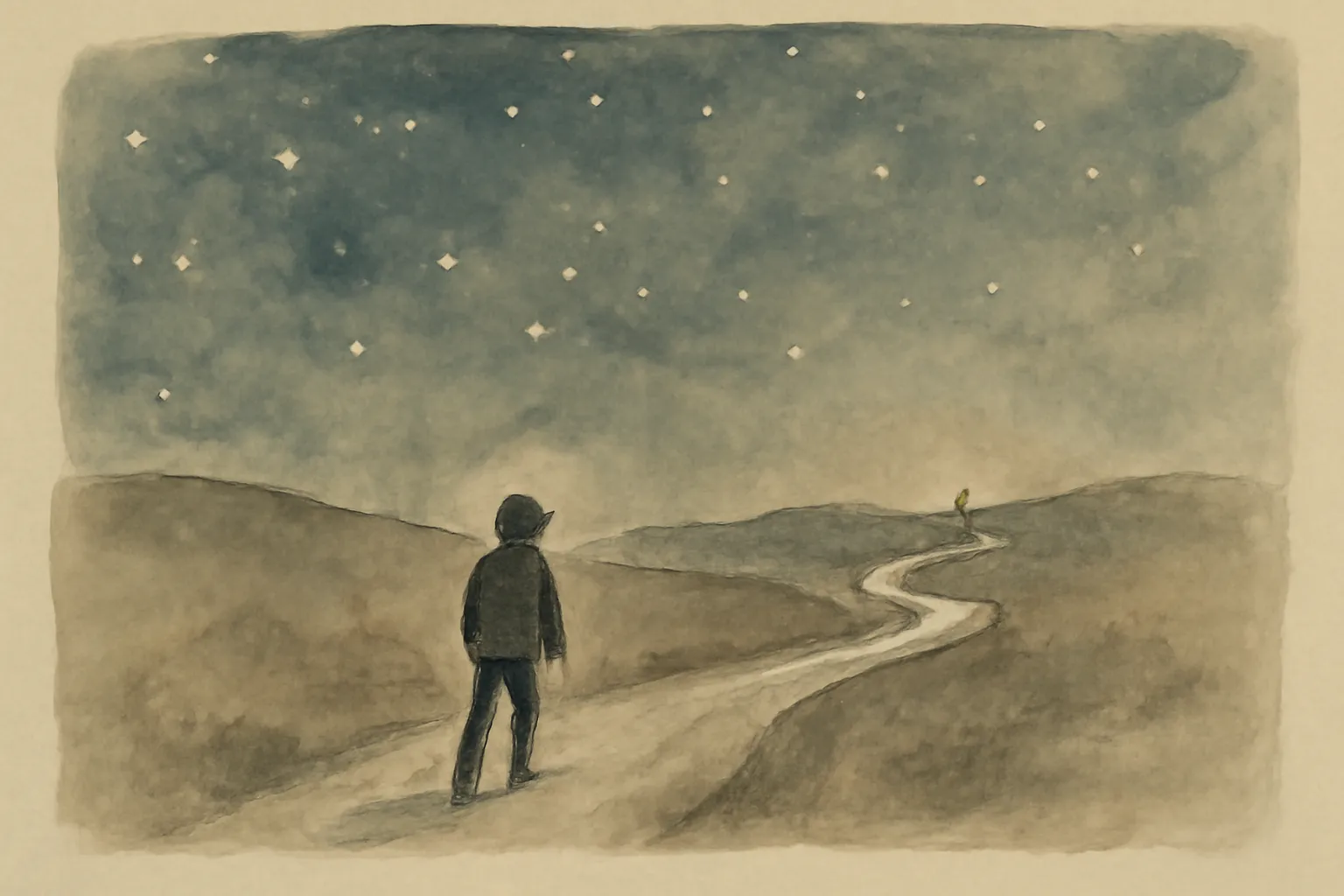
Miles 'Pudge' Halter's obsession with famous last words and his yearning for the 'Great Perhaps' set the tone for the novel. This quest is not just about adventure, but about seeking meaning beyond the mundane. The narrative explores how young people grapple with existential questions, hoping to find purpose and significance in their lives. The 'Great Perhaps' becomes a metaphor for the risks and uncertainties of growing up, and the courage it takes to step into the unknown.
2.The Allure and Complexity of Alaska Young
Alaska Young is the emotional center of the novel—charismatic, enigmatic, and deeply troubled. Through her, Green examines the ways we idealize others, often projecting our desires and insecurities onto them. Alaska's unpredictability and vulnerability challenge the other characters, especially Miles, to confront the reality that people are more complicated than the stories we tell about them.
3.Friendship and the Formation of Identity
Culver Creek is a crucible for intense friendships that shape the characters' identities. The bonds between Miles, the Colonel, and Alaska are filled with loyalty, pranks, and shared secrets. These relationships provide both comfort and challenge, forcing each character to reconsider who they are and who they want to become. The novel suggests that identity is forged not in isolation, but in the messy, passionate connections we make with others.
4.Dealing with Grief and Guilt
A pivotal tragedy divides the book into 'Before' and 'After,' forcing the characters to confront profound loss. Green handles grief with sensitivity, showing how it can be both isolating and communal. The characters wrestle with guilt, regret, and the unanswerable question of 'why,' mirroring the real emotional turmoil that follows loss. The process of mourning becomes a journey toward acceptance and understanding.
5.The Unanswerable Mysteries of Life
Looking for Alaska does not offer tidy resolutions. Instead, it embraces ambiguity, especially regarding the motives and inner lives of others. The characters' attempts to make sense of Alaska's actions reflect the broader human struggle to understand those we love and the mysteries of existence itself. The novel suggests that some questions may remain unanswered, but the search for meaning is itself valuable.
6.Coming-of-Age and Moral Growth
The novel is a classic coming-of-age story, charting the transition from innocence to experience. Through mistakes, heartbreak, and self-reflection, Miles and his friends begin to develop empathy and a more nuanced understanding of right and wrong. The story encourages readers to consider how pain and joy, love and loss, are all part of growing up.