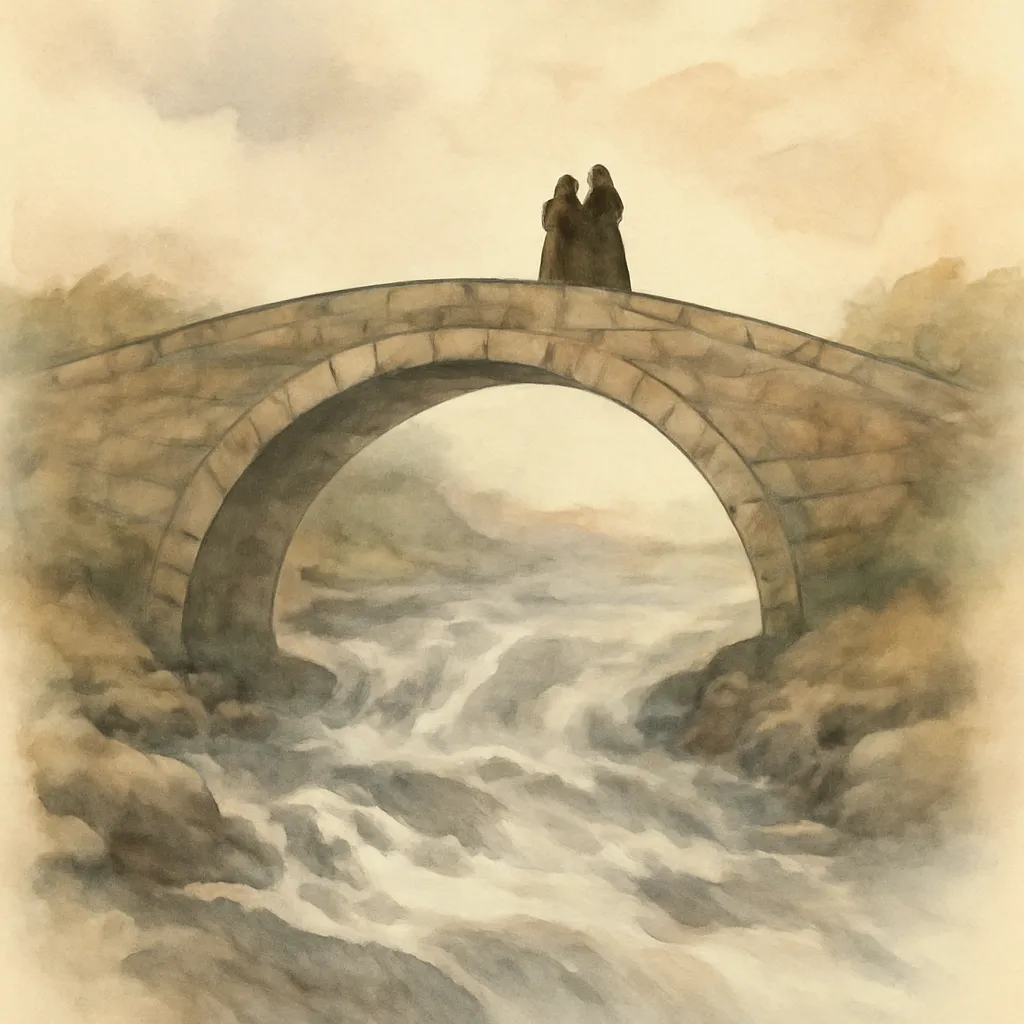
1.The Hero's Journey of John Ridd
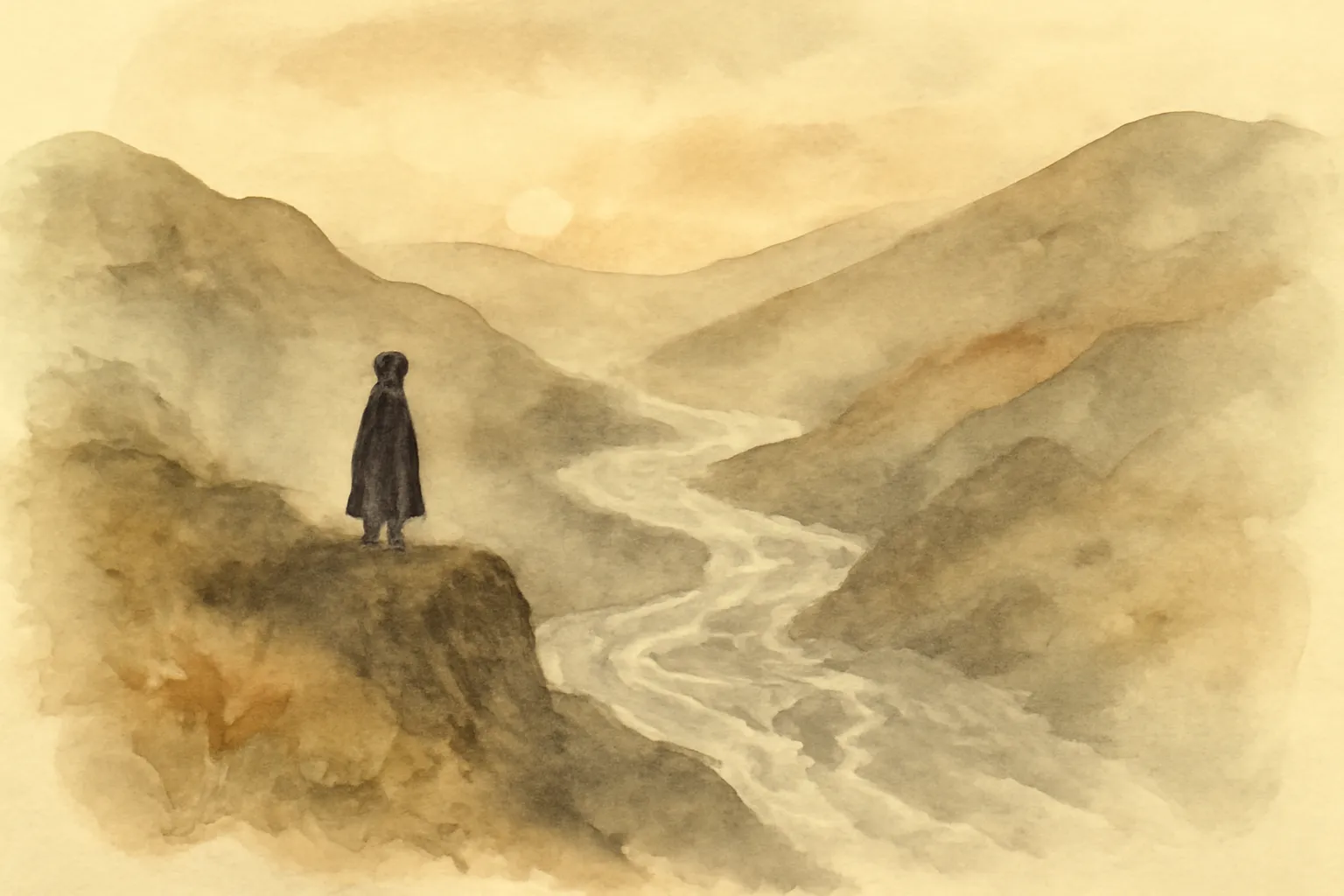
John Ridd, the protagonist, embodies the classic hero's journey, marked by the loss of his father at the hands of the Doones and his quest for justice and love. His transformation from a simple yeoman to a figure of strength and resolve is central to the narrative. After witnessing the brutality of the Doones, who rob and kill without remorse, John’s initial innocence is shattered, prompting him to seek revenge. His journey is not just physical but also deeply emotional, as he grapples with his feelings for Lorna and the legacy of vengeance he inherits. John’s character development highlights the internal conflict between his desire for retribution and his growing compassion. Throughout the novel, he learns that true strength lies not only in physical power but in the ability to forgive and protect those he loves, making his journey resonate with readers on multiple levels.
2.Lorna Doone: The Enigmatic Beauty
Lorna Doone is portrayed as both a victim of circumstance and a figure of immense beauty and strength. Raised by the Doones, she represents the duality of her environment—both enchanting and dangerous. Her character challenges the traditional damsel-in-distress trope by exhibiting agency and depth; she is not merely a prize to be won but a woman with her own desires and fears. Lorna's relationship with John is laden with tension, as societal expectations and her family's criminal legacy create barriers to their love. The depth of her character is revealed through her struggles with identity, as she grapples with her longing for freedom versus her loyalty to her family. Lorna’s plight serves as a commentary on the limitations placed on women in a patriarchal society, illustrating that her strength lies in her defiance against these constraints while also navigating her complex feelings for John.
3.Nature as a Character
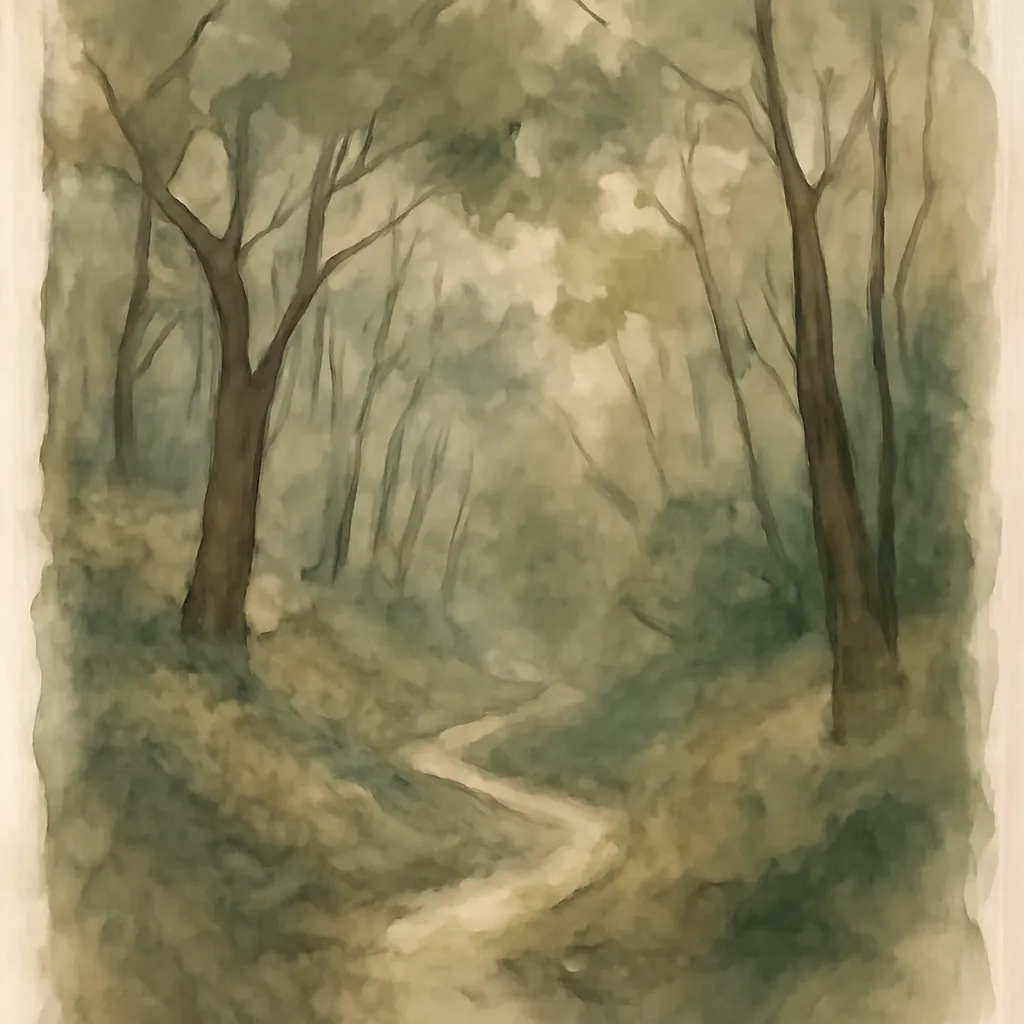
The landscape of Exmoor is not just a setting; it acts as a character in its own right, influencing the actions and emotions of the characters. Blackmore's vivid descriptions of the moors, forests, and rivers evoke a sense of beauty and danger that parallels the narrative's themes. The harshness of the terrain reflects the struggles of the characters, while its beauty represents the ideals of love and freedom. Nature's unpredictability mirrors the tumultuous relationships between John, Lorna, and the Doones, emphasizing the wild spirit of the land as both a refuge and a perilous challenge. The descriptions of Exmoor’s rugged beauty serve not only to paint a picturesque picture but also to underscore the emotional states of the characters, highlighting how their internal conflicts are often mirrored by the external environment. Blackmore's masterful use of nature enhances the reader's experience, creating a palpable connection between the characters and the land they inhabit.
4.The Doones: Outlaws or Victims?
The Doone family, led by the formidable Sir Ensor Doone, embodies the complexities of morality in a lawless land. Initially depicted as ruthless criminals, as the story unfolds, the reader is invited to consider their motivations and circumstances. The backstory of Sir Ensor reveals a tragic past, one that informs his harsh treatment of others and his descent into outlawry. This nuanced portrayal challenges the reader to empathize with the Doones, understanding that their lawlessness stems from a desire to protect their own in a world that has failed them. The novel presents the idea that the line between hero and villain is often blurred, influenced by societal norms and personal vendettas. Through John’s interactions with the Doones, the story prompts reflection on the nature of justice and the consequences of a society that fails to protect its most vulnerable citizens.
5.Themes of Love and Sacrifice
At its core, Lorna Doone is a love story that transcends the boundaries of class and societal expectations. John’s devotion to Lorna drives him to confront dangers and make sacrifices that test his character. Their love is portrayed as pure and transcendent, yet it is also fraught with challenges stemming from their disparate backgrounds. John's willingness to risk everything for Lorna illustrates the theme of selfless love, while Lorna's struggles to assert her independence amidst familial pressures highlight the constraints placed on women in their society. The love story is not merely a backdrop but a driving force that propels the narrative forward, compelling both characters to confront their fears and desires. Through their relationship, the novel explores the transformative power of love and the sacrifices one must make to achieve true happiness, emphasizing that love can be both a source of strength and a catalyst for change.
6.The Role of Community and Family
The novel intricately examines the dynamics of community and family, particularly through the relationships between John, his mother, and the other characters in Oare. The support of John's family and friends is crucial in his battle against the Doones, showcasing the strength found in unity and loyalty. Conversely, Lorna's isolation within her outlaw family underscores the theme of belonging and the longing for acceptance. The contrasting experiences of these families reveal how community shapes identity and influences individual choices. The bonds of friendship and kinship serve as a source of strength for John as he faces adversity, while Lorna’s lack of familial support illustrates the perils of a life governed by crime. The narrative highlights the importance of community in overcoming challenges and the necessity of compassion in a world where love is often overshadowed by violence.
7.Justice and Revenge: A Fragile Balance
The pursuit of justice is a driving force in the narrative, yet it is complicated by themes of revenge and forgiveness. John’s quest to avenge his father’s death leads him into a moral quagmire, where the desire for retribution clashes with the need for compassion. As he confronts the Doones, John must navigate the fine line between justice and vengeance, raising questions about the true nature of justice in a world governed by violence. This theme resonates throughout the story, prompting readers to reflect on the consequences of revenge and the potential for redemption, both for individuals and their communities. John’s internal struggle exemplifies the broader societal issues of justice, inviting contemplation on how individuals and communities respond to wrongs. Ultimately, the novel suggests that true justice may lie not in vengeance but in understanding and compassion, highlighting the transformative power of forgiveness.
8.Class Struggles and Social Commentary
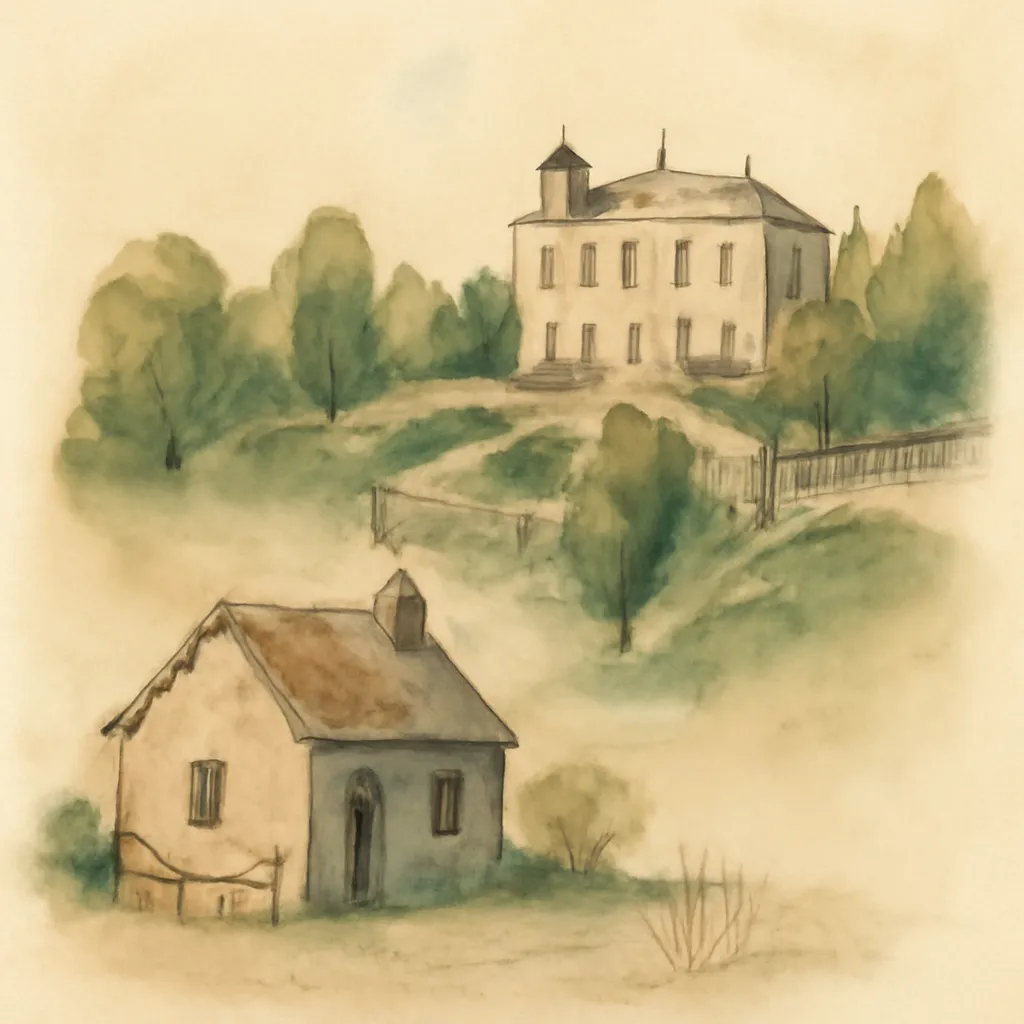
Lorna Doone serves as a commentary on the class struggles of its time, highlighting the disparities between the yeoman class and the aristocracy. John's status as a yeoman places him in a precarious position, caught between the demands of his social class and the allure of Lorna’s noble lineage. The novel critiques the rigid social hierarchies that dictate the lives of its characters, emphasizing the limitations placed on individuals based on their birth. Through John's interactions with both the Doones and the gentry, the narrative explores the complexities of social mobility and the impact of class on personal relationships and aspirations. The characters' struggles with identity and status reflect the broader societal issues of the era, inviting readers to consider how class shapes their perceptions and actions. Ultimately, the novel suggests that love transcends social boundaries, challenging the notion that one's worth is determined by lineage or wealth.
9.The Influence of Folklore and Myth
Folklore and myth play a significant role in shaping the narrative of Lorna Doone, enriching the story with a sense of history and tradition. The legends surrounding the Doones and the tales of Exmoor's wild landscapes add depth to the characters' experiences. Blackmore weaves these elements into the fabric of the story, creating a tapestry of cultural significance that resonates with readers. The incorporation of local lore not only enhances the setting but also serves to connect the characters to their heritage, emphasizing the importance of storytelling in preserving identity and understanding one's place in the world. The use of folklore also highlights the tension between reality and myth, inviting readers to question the nature of truth and the ways in which stories shape our understanding of history and ourselves.
10.Resilience in the Face of Adversity
Throughout the novel, resilience emerges as a key theme, embodied by both John and Lorna as they navigate the challenges posed by their environment and circumstances. John's determination to protect his family and seek justice for his father's murder showcases his indomitable spirit, while Lorna's struggles against her family's violent legacy illustrate her strength and courage. Their resilience is tested repeatedly, but it is this very tenacity that allows them to confront their fears and pursue their desires. The narrative encourages readers to reflect on their own resilience in the face of adversity, highlighting the human capacity to endure and triumph over challenges. Through their journeys, John and Lorna exemplify the notion that true strength lies not in the absence of struggle but in the ability to persevere despite it.