1.A Monarch's Double Life
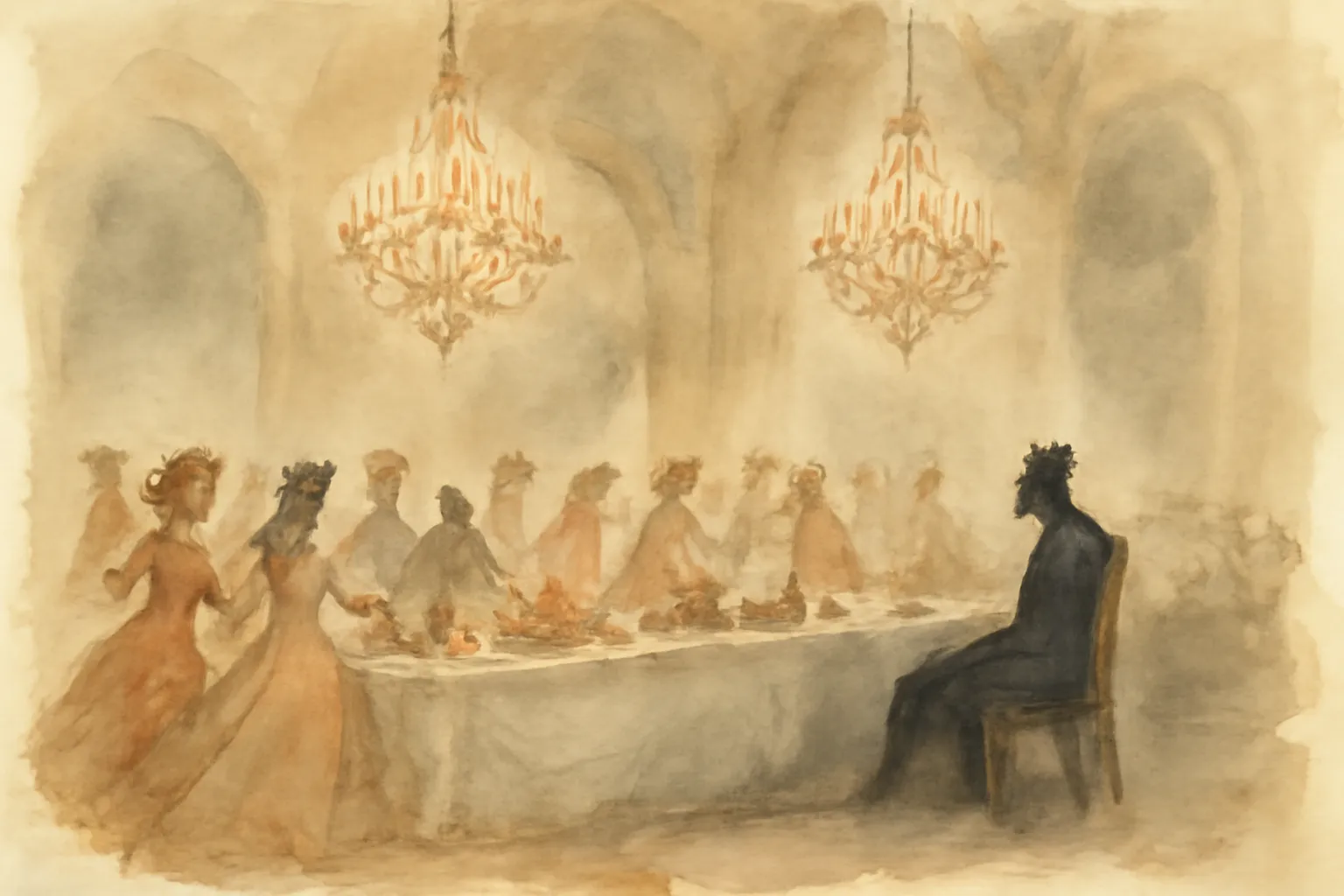
Louis XIV epitomizes the concept of a double life, leading an existence that oscillated between the public persona of an invincible king and the private struggles of a man beset by personal doubts and insecurities. As he presided over grand ceremonies and military conquests, the internal conflicts and emotional burdens he carried often remained hidden from view. This duality reflects the broader experience of many leaders throughout history, illustrating how the demands of public life can overshadow personal happiness and mental well-being. Louis’s reign was marked not just by his triumphs, but also by the isolation that came with being a sovereign, compelled to mask vulnerabilities behind a shroud of grandeur and control. The burdens of the crown and the expectations of the public shaped his every decision, pushing him to cultivate an image of absolute authority while internally wrestling with loneliness and the fear of inadequacy.
2.The Birth of a King
Louis XIV was born into a politically charged environment, with the marriage of his parents, Louis XIII and Anne of Austria, serving as a backdrop to his early life. His father's reign was marred by political strife and personal shortcomings, which influenced Louis's upbringing and future aspirations. The delicate balance of power between the monarchy and the nobility was exemplified by the presence of Cardinal Richelieu, whose political acumen shaped the young prince’s understanding of governance. As a child, Louis was thrust into a world rife with courtly intrigue, shaped by the machinations of those around him. The influence of Cardinal Mazarin during his formative years revealed the complexities of political alliances and the importance of controlling perceptions. The conditions of his childhood, marked by instability and the shadow of his father's failures, set the stage for Louis's later determination to assert his authority and control over France, aiming to heal the wounds of a fragmented royal image and create a unified state under his rule.
3.The Fronde: A Prelude to Absolute Power
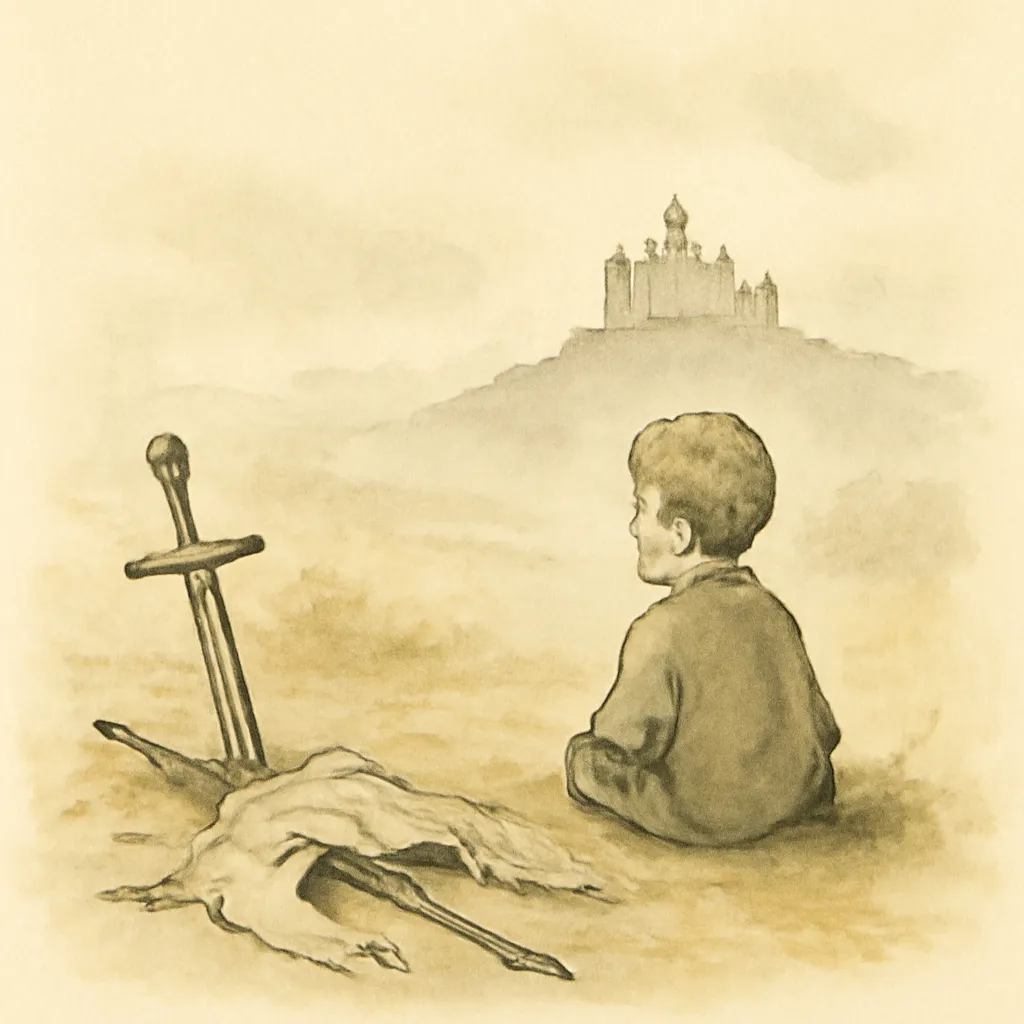
The Fronde, a series of civil wars in France during Louis's youth, profoundly impacted his understanding of power and governance. As the young king witnessed the chaos and conflict between the nobility and the crown, he learned valuable lessons about loyalty, rebellion, and the necessity of a strong, centralized authority. The rebellion instilled in him a desire for control and stability, driving his later policies aimed at curtailing noble power. The Fronde served as a crucible for Louis, hardening his resolve to establish an absolute monarchy that would eliminate the threat of civil discord. This experience not only shaped his political ideology but also influenced the way he would rule, leading him to cultivate a court that both dazzled and subdued. The lasting impact of the Fronde on Louis’s psyche illustrates how childhood experiences can inform rulership styles, prompting him to pursue a path of total dominance to prevent future uprisings and establish a legacy of unchallenged authority.
4.The Splendor of Versailles
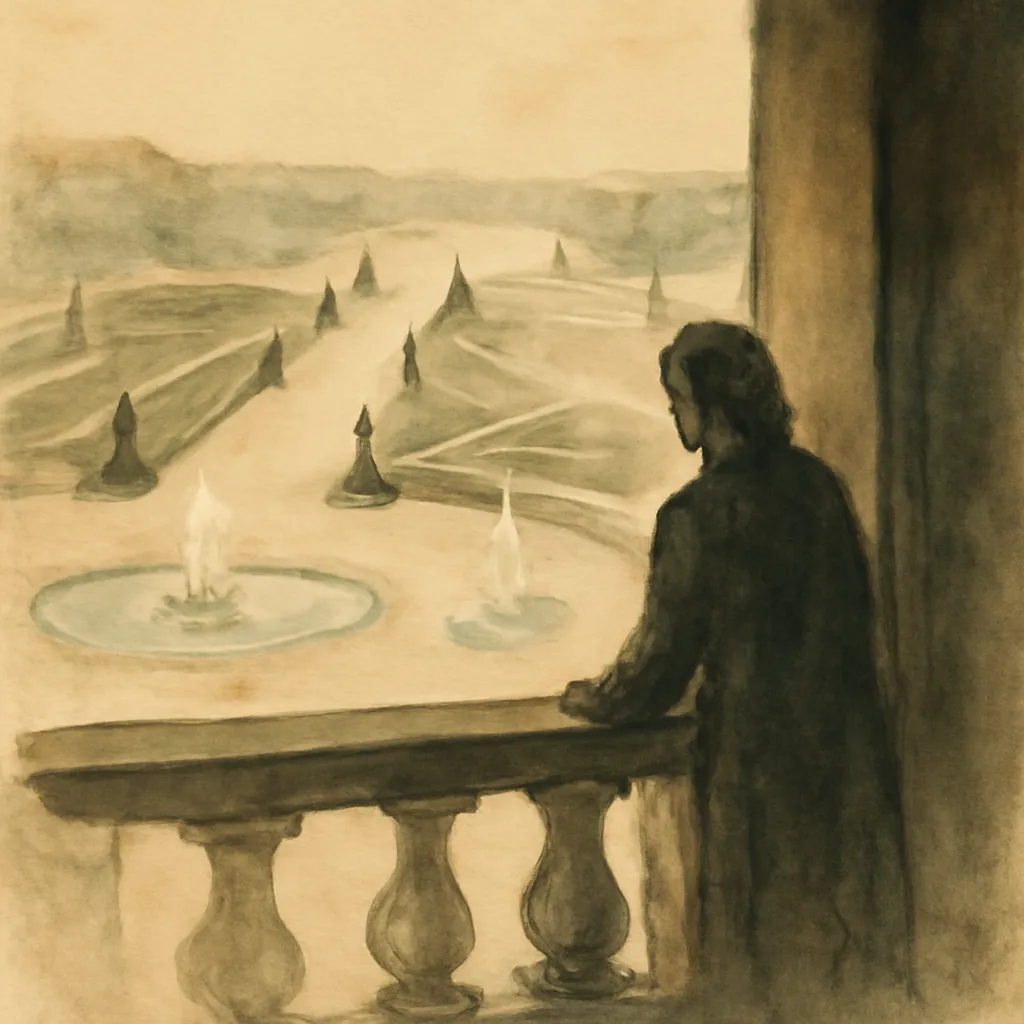
Versailles became a symbol of Louis XIV’s reign, embodying the grandeur and extravagance of his rule. The construction of this opulent palace was not merely a display of wealth; it was a strategic move to centralize power and control the nobility. By relocating the court to Versailles, Louis effectively diminished the influence of the nobles who had previously wielded power in their own regions. The palace served as both a residence and a stage for the king's elaborate ceremonies, reinforcing the image of Louis as the Sun King, the center of the universe. The architectural marvel was designed to awe and intimidate, reflecting the king's desire for absolute authority and the spectacle of his reign. However, the immense cost of maintaining such grandeur placed a heavy burden on the French populace, foreshadowing the discontent that would later erupt into revolution. The duality of Versailles—a monument to royal excess and a mechanism of control—reveals how the pursuit of grandeur can have profound social implications, leading to a disconnection between the sovereign and the subjects.
5.Marriage and Political Alliances
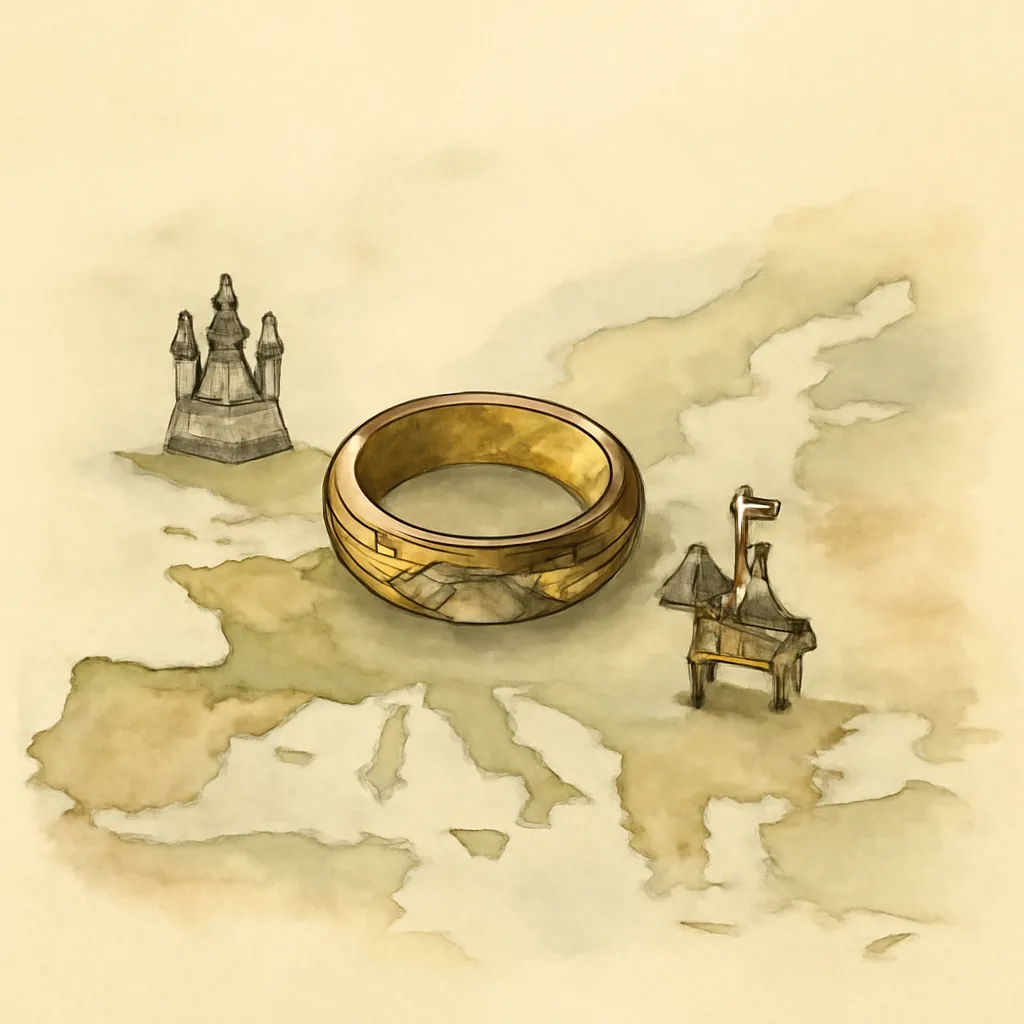
Louis XIV's marriages and romantic entanglements were intricately linked to his political strategies, showcasing how personal relationships influenced state affairs. His marriage to Maria Theresa of Spain was a calculated move to solidify alliances between two powerful nations, aiming to curb Spanish ambitions while strengthening France’s position in Europe. Yet, this union was overshadowed by his affairs, most notably with Louise de La Vallière and later Madame de Montespan, which reflected both his desires and his vulnerabilities. These relationships often complicated his political maneuvers, as personal scandal could disrupt diplomatic efforts and impact his reputation. The king's romantic liaisons not only illustrated the interplay between love and politics but also revealed the human side of a ruler otherwise cloaked in the trappings of power. The emotional fallout from his relationships often spilled into the public sphere, affecting his reign and the perception of his authority, emphasizing how deeply personal choices can reverberate through the corridors of power.
6.The Edict of Nantes and Its Revocation
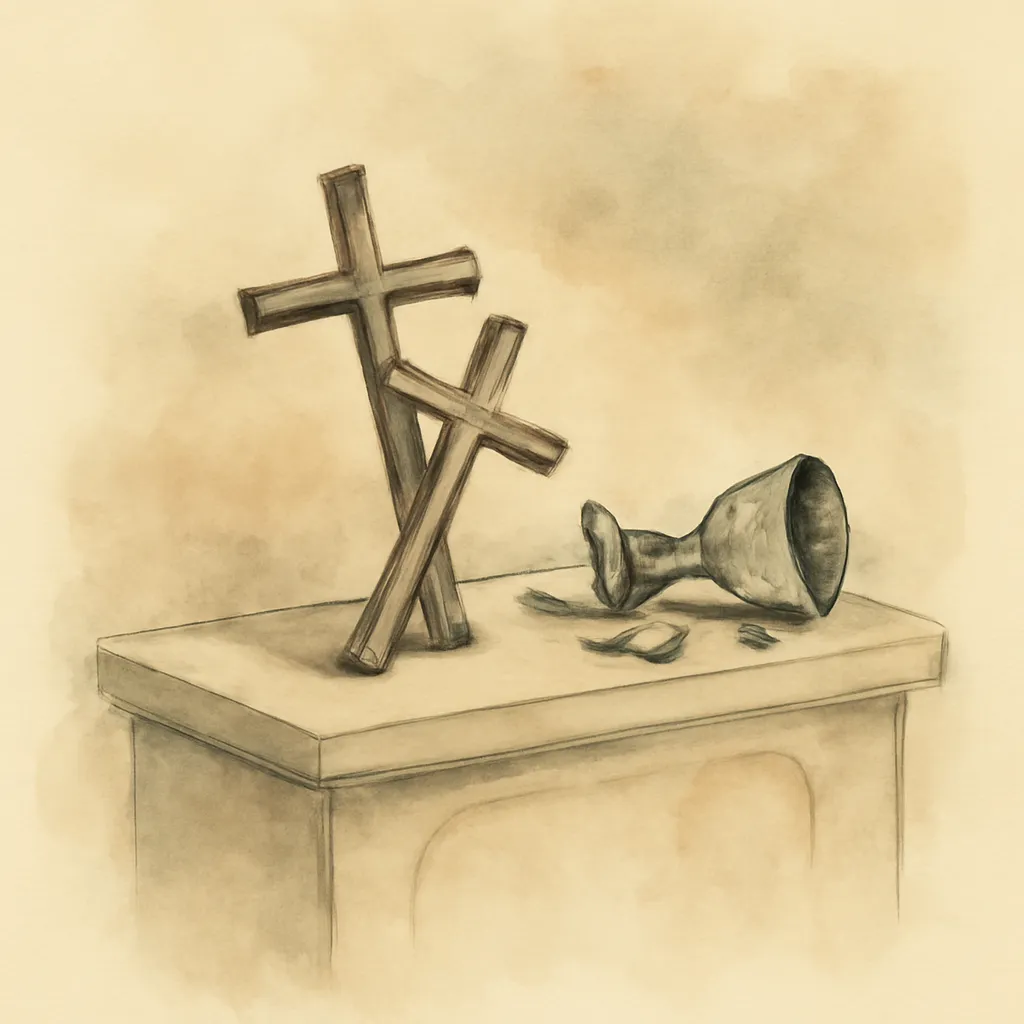
The Revocation of the Edict of Nantes in 1685 marked one of the most controversial decisions of Louis XIV’s reign, highlighting his fervent Catholic zeal and the extremes of his absolutism. The Edict, which had granted religious tolerance to Huguenots, was seen by Louis as a threat to national unity and religious conformity. His decision to revoke it led to widespread persecution, forcing many Protestants to flee France, which subsequently drained the nation of skilled labor and economic vitality. This act of intolerance not only showcased the king’s commitment to Catholicism but also revealed the moral contradictions inherent in his rule. The fallout from this decision would resonate throughout history, contributing to the seeds of discontent that ultimately led to the French Revolution. Louis XIV’s actions illustrate the dangers of conflating personal belief with state policy, demonstrating how the quest for religious uniformity can lead to societal fracture and unrest.
7.The Burden of War
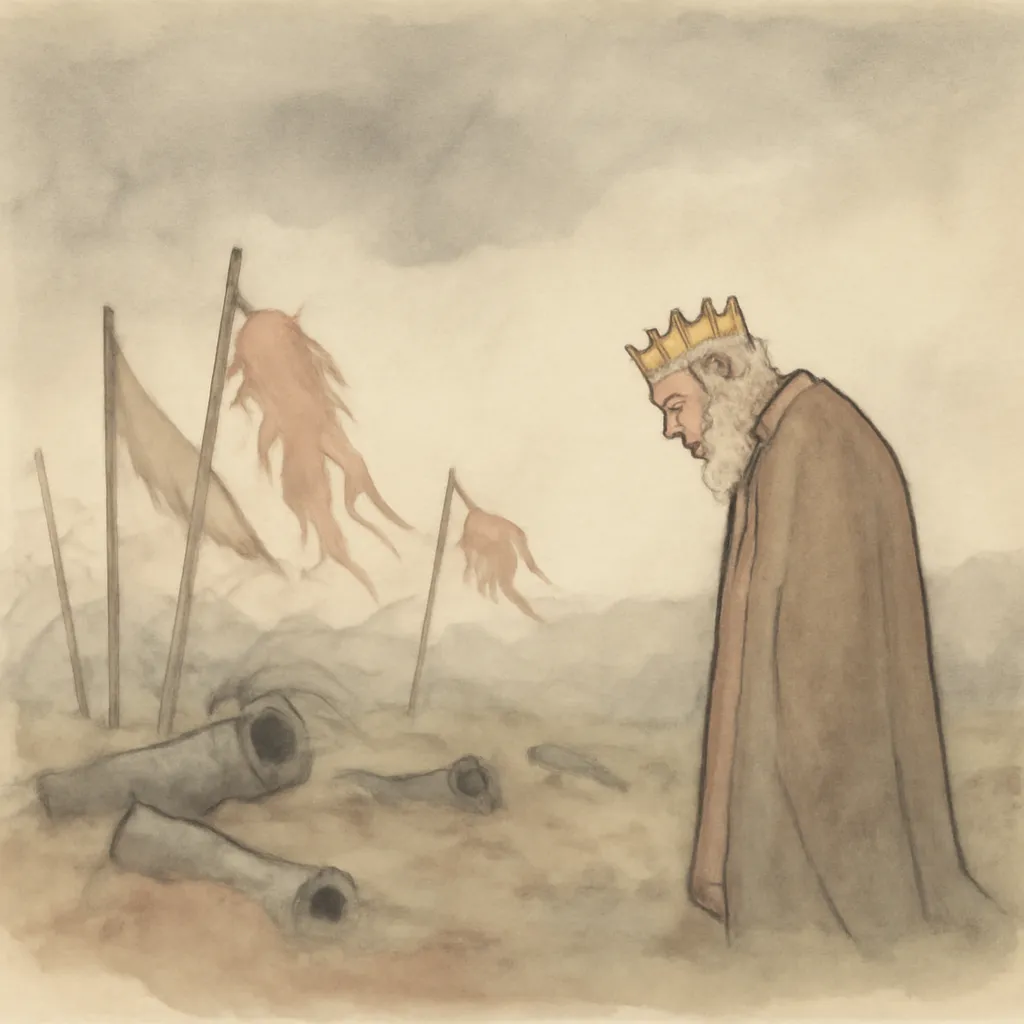
Louis XIV's reign was marked by numerous military campaigns, each reflecting his ambition to expand French territory and influence. These wars, while initially seen as a means of demonstrating power, gradually drained the royal treasury and strained the populace. The relentless pursuit of military glory often overshadowed the welfare of his subjects, leading to widespread suffering and discontent. The king's military strategies, characterized by both brilliance and brutality, revealed his complex relationship with power—one that sought both glory and control. The wars also exposed the fragility of his reign, as victories were often followed by economic hardship and loss of life. The legacy of these conflicts would haunt France, setting the stage for future upheavals and illustrating the precarious balance between ambition and responsibility in leadership. Louis's military endeavors serve as a cautionary tale about the costs of imperial ambition, revealing how the quest for territorial expansion can create long-lasting socio-economic repercussions.
8.The Influence of Madame de Maintenon

Madame de Maintenon emerged as a pivotal figure in Louis XIV's later years, influencing both his personal life and political decisions. Their relationship began as a companionship but evolved into a profound bond that reshaped the king's perspective on governance and morality. Maintenon’s devoutness and moral fortitude provided a counterbalance to the excesses of court life, prompting Louis to reflect on his legacy and the impact of his actions. She encouraged him to adopt a more compassionate approach towards his subjects, advocating for reforms that would alleviate some of the suffering caused by his earlier policies. Their secret marriage symbolized a shift in Louis's priorities, as he sought to reconcile his public persona with a more introspective and morally conscious identity. The influence of Madame de Maintenon illustrates how personal relationships can profoundly affect leadership and policy, reminding us that the human element is often at the heart of governance.
9.The Final Days and Legacy
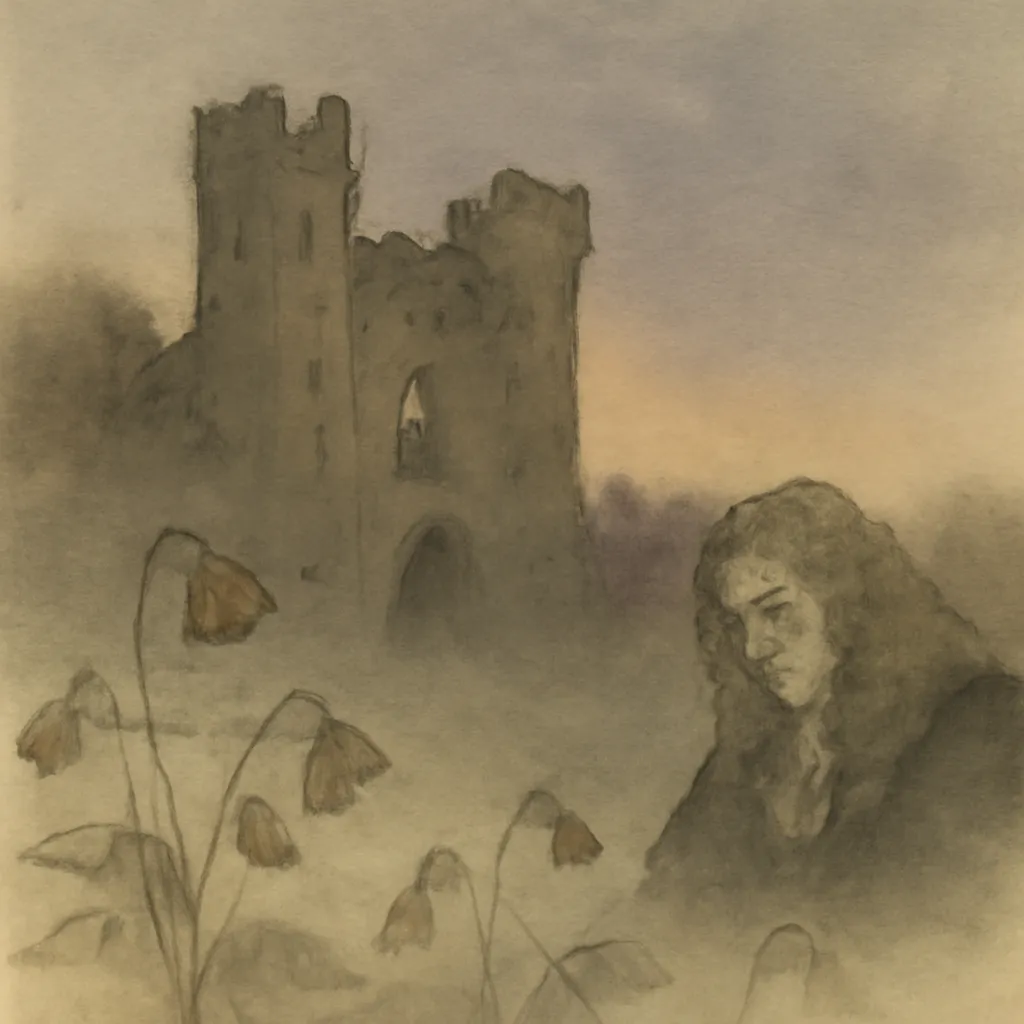
The final days of Louis XIV were marked by illness and reflection, as he faced the consequences of his long reign and the choices he had made. His health deteriorated amidst the backdrop of political intrigue and familial strife, with the deaths of his heirs weighing heavily on him. Louis's last moments were filled with a sense of remorse for the suffering his policies had inflicted on the French people, indicating a growing awareness of the disconnect between his grand ambitions and the realities of life for his subjects. His death marked the end of an era, leaving behind a legacy of both grandeur and tragedy. The opulence of his reign, symbolized by Versailles, stood in stark contrast to the discontent brewing among his subjects, foreshadowing the revolutionary fervor that would soon engulf France. Louis XIV’s life serves as a cautionary tale about the perils of absolute power and the moral responsibilities of leadership, echoing through history as a testament to the complexities of human ambition and the need for compassion in governance.