1.The Universal Tale of Psyche and Cupid
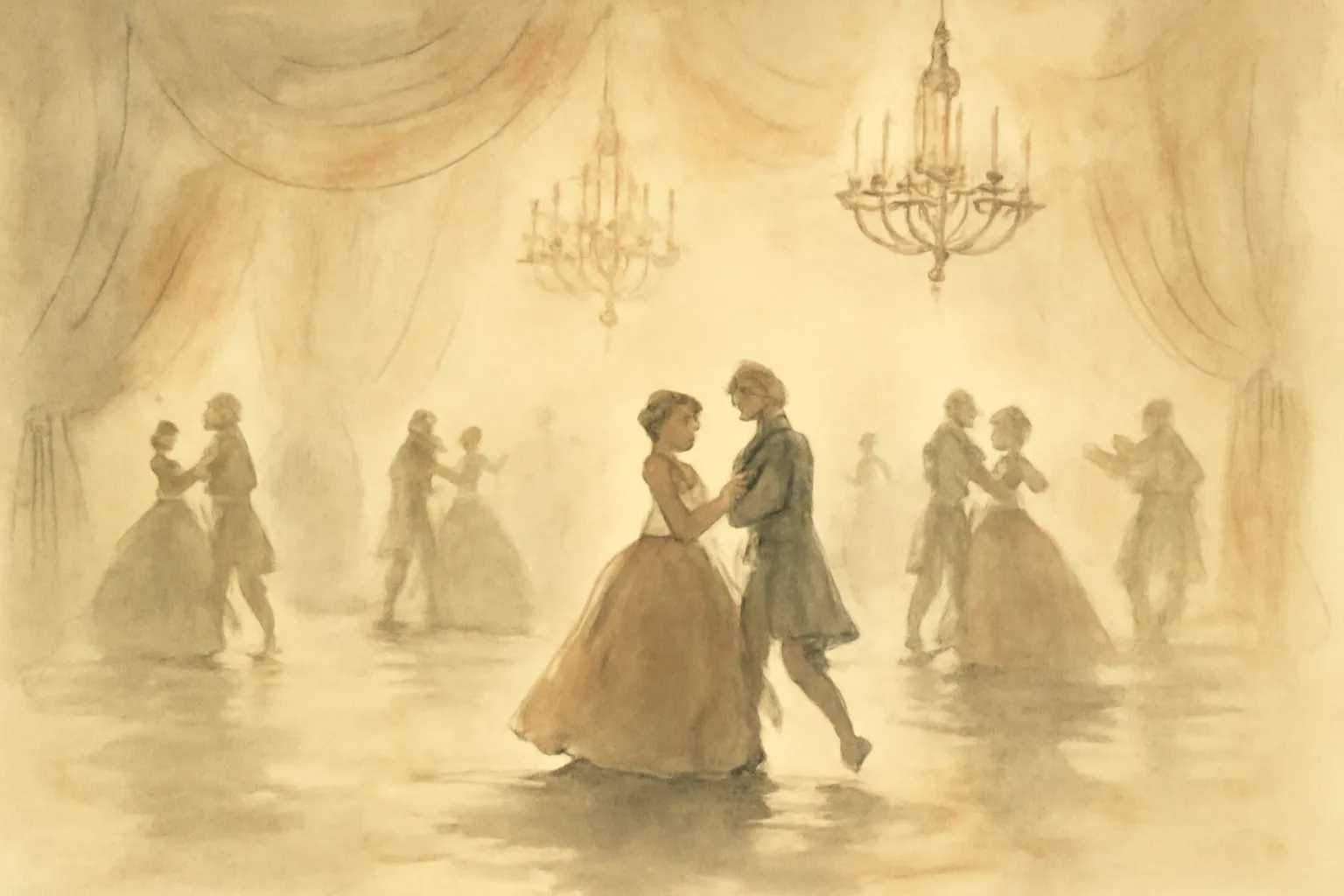
At the heart of Yonge's narrative lies the classic tale of Psyche, representing the soul's quest for love and understanding. This ancient fable, echoed in various cultures, illustrates the trials one must endure to attain true love. In the context of the Delavie family, Psyche's journey symbolizes the struggles faced by Aurelia and her sisters as they navigate societal expectations and their own desires. Yonge expertly weaves Psyche's trials into the fabric of the Delavie sisters' lives, emphasizing the necessity of perseverance in the face of adversity. The jealousy of Venus, who wishes to thwart Psyche's happiness, mirrors the external pressures that the sisters encounter from their own society. The story becomes a reflection of the universal human condition, emphasizing that love often requires endurance and resilience. This allegorical framework not only enriches the narrative but also provides readers with a lens through which to view their own experiences of love and sacrifice.
2.The Delavie Sisters: Portraits of Individuality

The Delavie sisters—Aurelia, Harriet, and Betty—each embody distinct personalities and struggles, creating a rich tapestry of female experience in the 18th century. Aurelia, the youngest, is characterized by her innocence and desire for adventure, often longing for experiences beyond the confines of her family's expectations. Harriet, the eldest, grapples with the expectations of maturity and propriety, often acting as a mother figure to her younger siblings. Betty serves as the mediator, balancing her sisters' contrasting temperaments and desires. Through their interactions and experiences, Yonge highlights the societal pressures placed on women during this era, including the importance of marriage and social standing. Each sister's journey reflects the broader theme of self-discovery, as they confront their own identities amidst the constraints of their environment. This nuanced portrayal of sisterhood not only deepens the reader's connection to the characters but also serves as a commentary on the evolving roles of women in society. The interplay between the sisters also highlights the importance of familial bonds in navigating life's challenges, showcasing both the joys and tensions inherent in sisterly relationships.
3.Love as a Transformative Force

Yonge presents love as a powerful, transformative force that compels characters to confront their deepest fears and desires. The relationships within the Delavie family and their interactions with suitors like Sir Amyas Belamour illustrate how love can act as both a guiding light and a source of turmoil. For Aurelia, her budding romance with Sir Amyas becomes a catalyst for her growth, pushing her to transcend her youthful innocence and embrace the complexities of adult relationships. Through Aurelia's eyes, readers witness the thrill and trepidation of first love, as well as the way it motivates her to strive for deeper understanding and connection. However, love is not portrayed as an unqualified good; it often brings pain and sacrifice, as seen in the trials faced by Psyche in her quest for Cupid, which parallels Aurelia's own trials. This duality of love—its ability to elevate and to challenge—resonates throughout the narrative, inviting readers to reflect on their own experiences with love's transformative power. Ultimately, Yonge suggests that while love may lead to suffering, it is also a necessary part of personal growth and fulfillment.
4.The Role of Society and Class

The societal backdrop of Yonge's narrative plays a crucial role in shaping the characters' experiences and choices. The Delavie family's status as provincial gentry places them at a crossroads between tradition and modernity, as they navigate expectations of propriety and social decorum. Major Delavie's military background and the family's connection to the aristocracy underscore the weight of social class on personal relationships. Yonge deftly critiques the rigid class structures of her time, illustrating how they often dictate the course of love and marriage. The sisters' aspirations for happiness are frequently thwarted by societal norms, as seen in their interactions with potential suitors and the expectations placed upon them. For instance, Aurelia's desire for love is complicated by the societal pressure to marry wisely—essentially for social gain rather than personal happiness. This commentary on class and society adds depth to the narrative, encouraging readers to consider the broader implications of social structures on individual lives. Yonge’s exploration of class issues also highlights the limitations imposed on women, who often find their agency constrained by societal expectations.
5.The Journey of Self-Discovery

Aurelia's journey serves as a central thread in the story, representing the quest for self-discovery amidst external pressures. As she navigates the complexities of love and familial duty, Aurelia's character evolves from a naive girl into a more self-aware young woman. Her interactions with Sir Amyas and the challenges she faces force her to confront her own values and desires, leading to a deeper understanding of her identity. Yonge emphasizes that self-discovery is not a straightforward path; it is filled with confusion, doubt, and moments of clarity. For instance, Aurelia must grapple with her feelings of inadequacy and her longing for adventure, ultimately learning to reconcile these emotions with her obligations to her family. This theme resonates with readers, as it reflects the universal struggle of finding one's place in the world and the courage required to pursue one's true desires. Yonge suggests that true self-discovery often occurs through relationships, particularly the love that challenges and nurtures personal growth.
6.Sacrifice and the Cost of Love

Sacrifice is a recurring theme in Yonge's tale, highlighting the often-painful choices that accompany love. Characters are frequently faced with dilemmas that require them to choose between their own desires and the well-being of others. For instance, Aurelia's willingness to put her family's needs above her own exemplifies the sacrifices that love demands. This is particularly evident when she considers the impact of her choices on her sisters and father, often prioritizing their happiness over her own romantic aspirations. Similarly, Psyche's trials underscore the notion that true love is not without its hardships; it requires endurance and a willingness to face adversity. Yonge's portrayal of sacrifice serves as a poignant reminder that love often comes with a cost, prompting readers to reflect on the sacrifices they are willing to make for those they cherish. By illustrating the complexities of sacrifice, Yonge invites readers to ponder the delicate balance between personal happiness and the responsibilities we hold to others.
7.Faith and Spirituality in Love
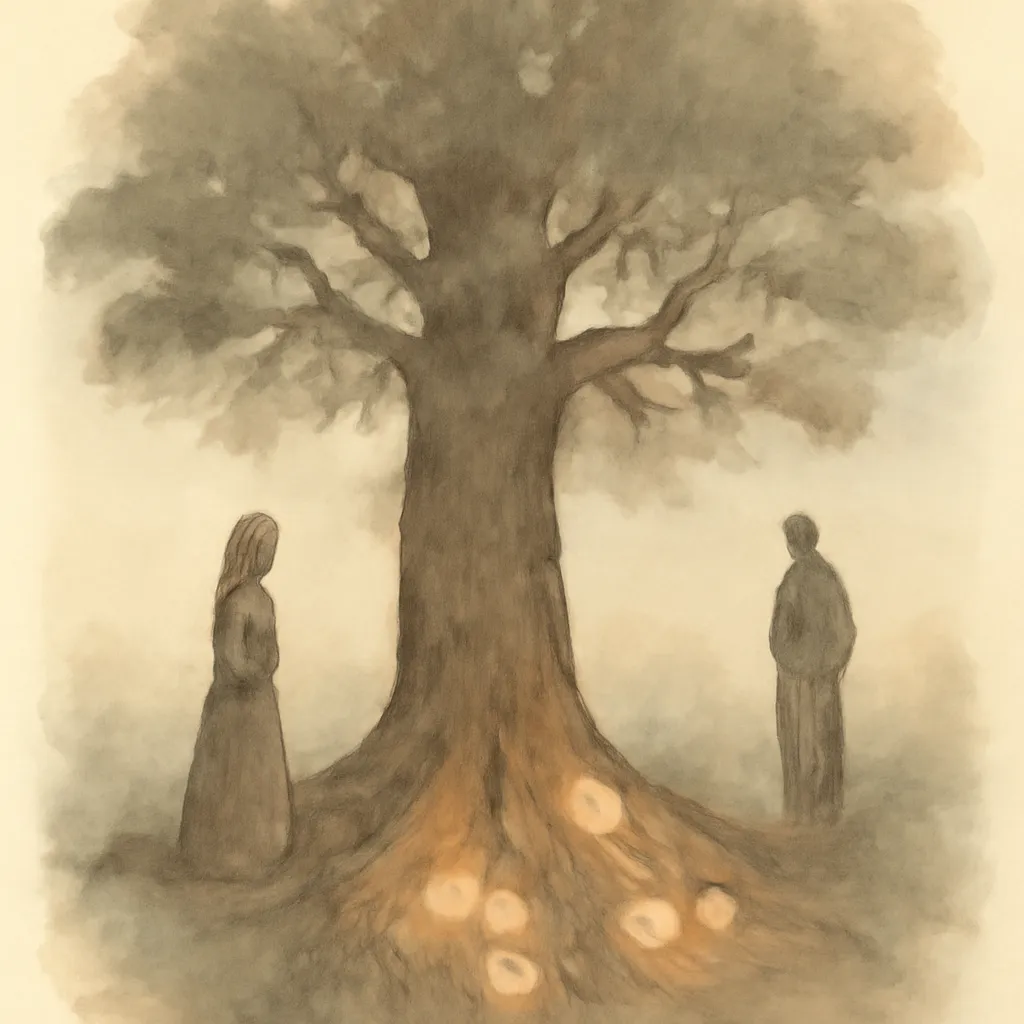
The narrative draws on themes of faith and spirituality, particularly in the allegorical representation of Psyche's journey. Yonge intertwines the idea of spiritual awakening with the pursuit of romantic love, suggesting that true fulfillment arises from a connection to something greater than oneself. This theme is particularly evident in the portrayal of Psyche as a symbol of the soul's longing for divine love and understanding. Yonge encourages readers to consider how love can be a pathway to spiritual growth, reflecting the belief that the journey toward true love is also a journey toward self-awareness and enlightenment. This exploration of spirituality enriches the narrative and adds layers of meaning to Aurelia's experiences. As she navigates her relationship with Sir Amyas, she also grapples with her spiritual beliefs, which become intertwined with her understanding of love. This duality adds depth to the story, suggesting that the most profound connections are often those that resonate on both emotional and spiritual levels.
8.The Complexity of Human Relationships

Yonge masterfully depicts the complexities of human relationships, illustrating how love, friendship, and familial bonds intertwine and shape individual destinies. The interactions among the Delavie sisters, their father, and suitors reveal the intricate dynamics that govern their lives. Yonge emphasizes that relationships are not simplistic; they are often fraught with misunderstandings, jealousy, and conflicting desires. For instance, the tension between Aurelia and her sisters highlights the challenges of sibling relationships, particularly when love interests are involved. The portrayal of these complexities adds realism to the narrative, allowing readers to connect with the characters on a deeper level. This exploration of human relationships serves as a reminder that love is multifaceted and encompasses joy, pain, and everything in between. Yonge's characters often find themselves navigating the tricky waters of loyalty, betrayal, and reconciliation, which reflect the realities of human interactions in any era.
9.The Influence of Nature on Emotion
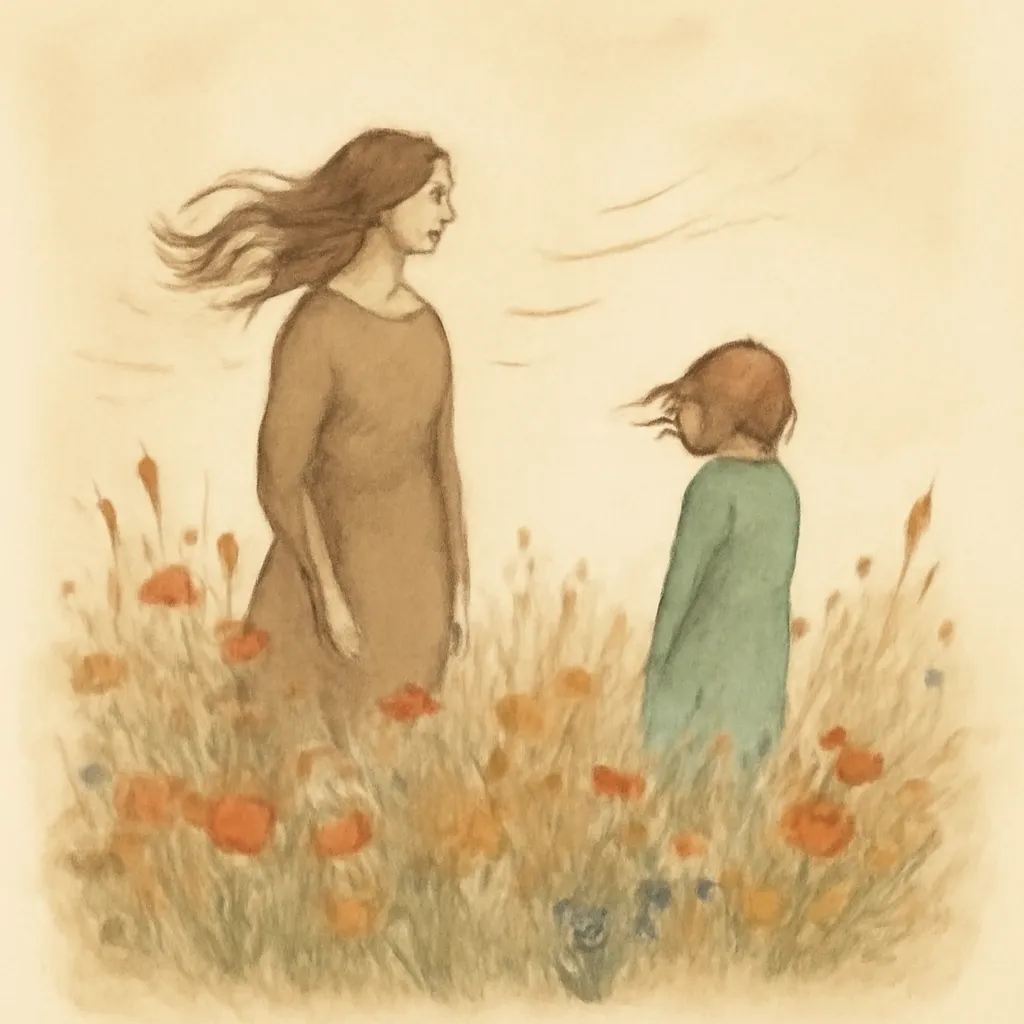
Nature plays a significant role in shaping the emotional landscape of the characters in Yonge's narrative. The descriptions of the English countryside, with its blooming gardens and seasonal changes, mirror the characters' emotional states and journeys. For instance, the blooming flowers often symbolize hope and renewal, paralleling Aurelia's growth and evolving understanding of love. In contrast, moments of turmoil are often set against bleak or tumultuous natural settings, underscoring the emotional weight of the characters' experiences. Yonge’s vivid imagery brings the natural world to life, making it an integral part of the story rather than merely a backdrop. This connection between nature and emotion invites readers to reflect on their own relationships with the natural world and its influence on their feelings and experiences. Yonge’s portrayal of nature serves as an emotional barometer, reflecting characters' internal struggles and triumphs, and enhances the overall richness of the narrative.