1.The Weight of Duty and Honor
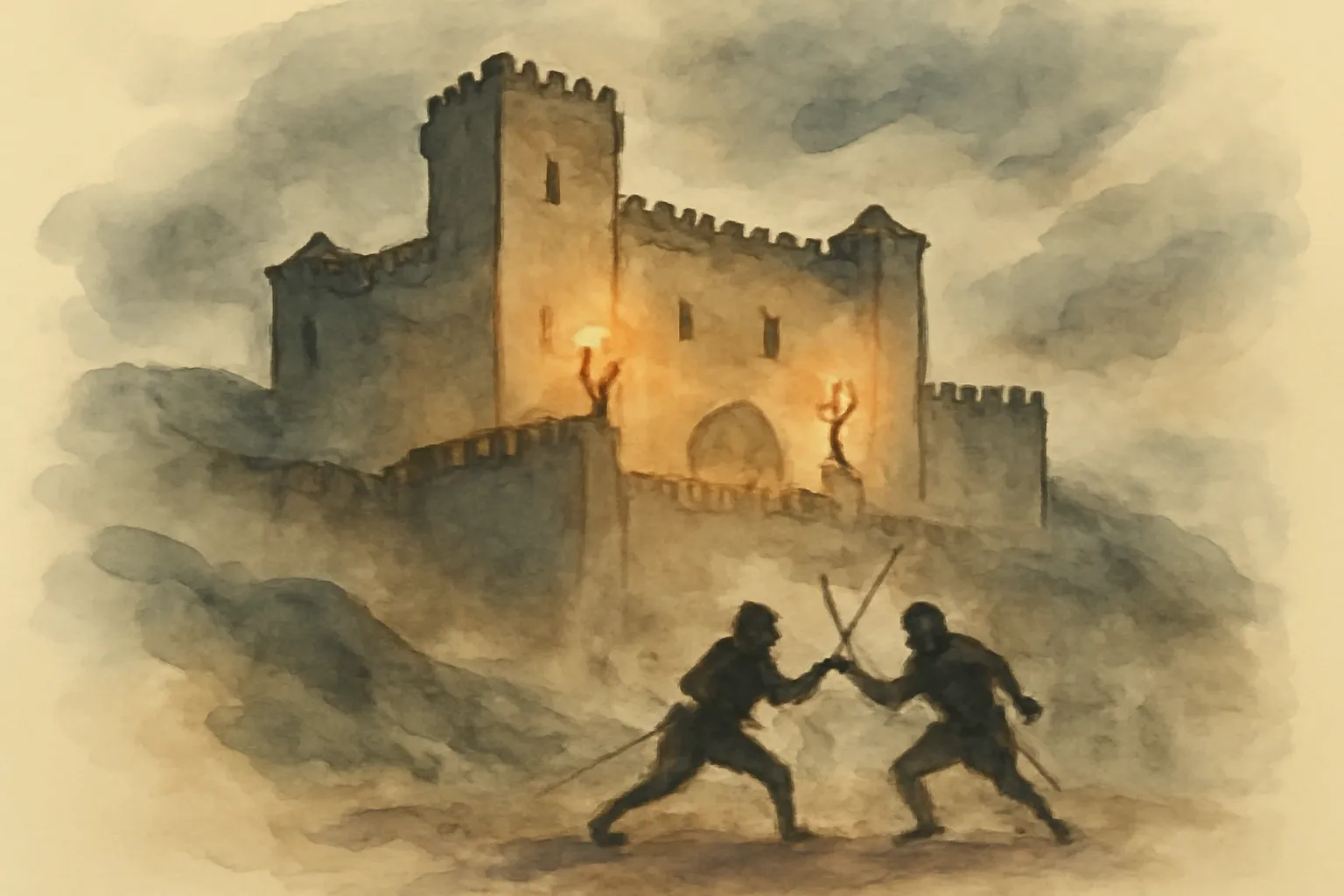
The characters in 'Love-at-Arms' are constantly grappling with the weight of their duties and the expectations placed upon them by their social standing. For instance, Count Francesco of Aquila must navigate his loyalties to his family and the greater good of his state while dealing with personal desires. The tension between personal ambition and public duty is a recurring theme, as seen when Francesco contemplates the implications of his actions concerning Gian Maria, the Duke of Babbiano. As the story unfolds, the pressure to fulfill societal expectations often leads to internal conflict and moral dilemmas, illustrating the Renaissance belief that nobility comes with a heavy burden. This dynamic is particularly poignant during pivotal moments when Francesco is faced with choices that could either uphold his honor or align with his heart's desire.
2.The Complexity of Love
Sabatini intricately portrays love as a multifaceted emotion that drives characters to both noble and ignoble actions. The romantic entanglements between Francesco and Monna Valentina highlight how love can inspire bravery and sacrifice but also lead to jealousy and betrayal. Valentina’s decision to resist her arranged marriage to Gian Maria encapsulates the struggle many characters face between societal expectations and personal desires. This tension is beautifully illustrated in scenes where Valentina expresses her defiance against the constraints of her station, revealing her yearning for autonomy. Their love story is not merely a backdrop; it serves as a catalyst for the characters’ growth, pushing them into situations that challenge their values, loyalty, and ultimately, their identities. By depicting love as both a source of strength and vulnerability, Sabatini evokes the complexity of human emotions and the inherent risks of passionate relationships.
3.Betrayal and Loyalty
Betrayal is a central theme that underscores the relationships among the characters, emphasizing the precarious nature of trust in a world rife with political intrigue. The betrayal by Gonzaga, who manipulates events to serve his interests, serves as a reminder of how personal ambition can corrupt loyalties. Characters like Ferrabraccio and Amerino Amerini, who initially appear loyal, ultimately meet tragic ends due to their misplaced trust and the machinations of others. This theme resonates throughout the narrative, illustrating the dangers of placing trust in those who seek power at any cost. It also raises questions about the nature of loyalty itself—whether it is a choice or a consequence of circumstance. The fluidity of alliances and the motivations behind them compel readers to consider not only the personal stakes for each character but also the broader implications of betrayal on societal stability.
4.The Role of Fate and Chance

Fate plays a significant role in 'Love-at-Arms,' with characters often finding themselves at the mercy of circumstances beyond their control. The fateful meeting between Francesco and Valentina after his injury sets off a series of events that alter their lives forever. Sabatini weaves the concept of chance throughout the plot, as unexpected encounters and decisions lead to both fortuitous and disastrous outcomes. The character of the fool, Peppe, serves as a reminder of the unpredictable nature of fate—his insights often reveal truths that characters overlook, further complicating their situations. The interplay between destiny and free will invites readers to ponder the extent to which characters are masters of their own destinies or mere pawns in a larger game. This exploration of fate challenges the characters to confront their choices and the consequences that follow, reinforcing the idea that in a chaotic world, chance can dramatically alter the course of their lives.
5.The Power of Identity
Identity is a crucial theme in the novel, as characters struggle with their roles within society and the expectations tied to them. Francesco's dual identity as both a nobleman and a mercenary highlights the tension between his personal desires and societal obligations. This conflict is made evident when he must choose between his love for Valentina and the expectations of his position. Additionally, the fool, Peppe, navigates his identity as a jester, often serving as the voice of reason and insight amidst the chaos. His unique perspective allows him to see through the facades of the nobility, challenging the notion that social status equates to wisdom or virtue. The exploration of identity raises questions about how one's role in society shapes personal choices and relationships. It illustrates that identity is not static but is constantly evolving based on experiences, relationships, and the broader socio-political context.
6.The Influence of Political Landscape
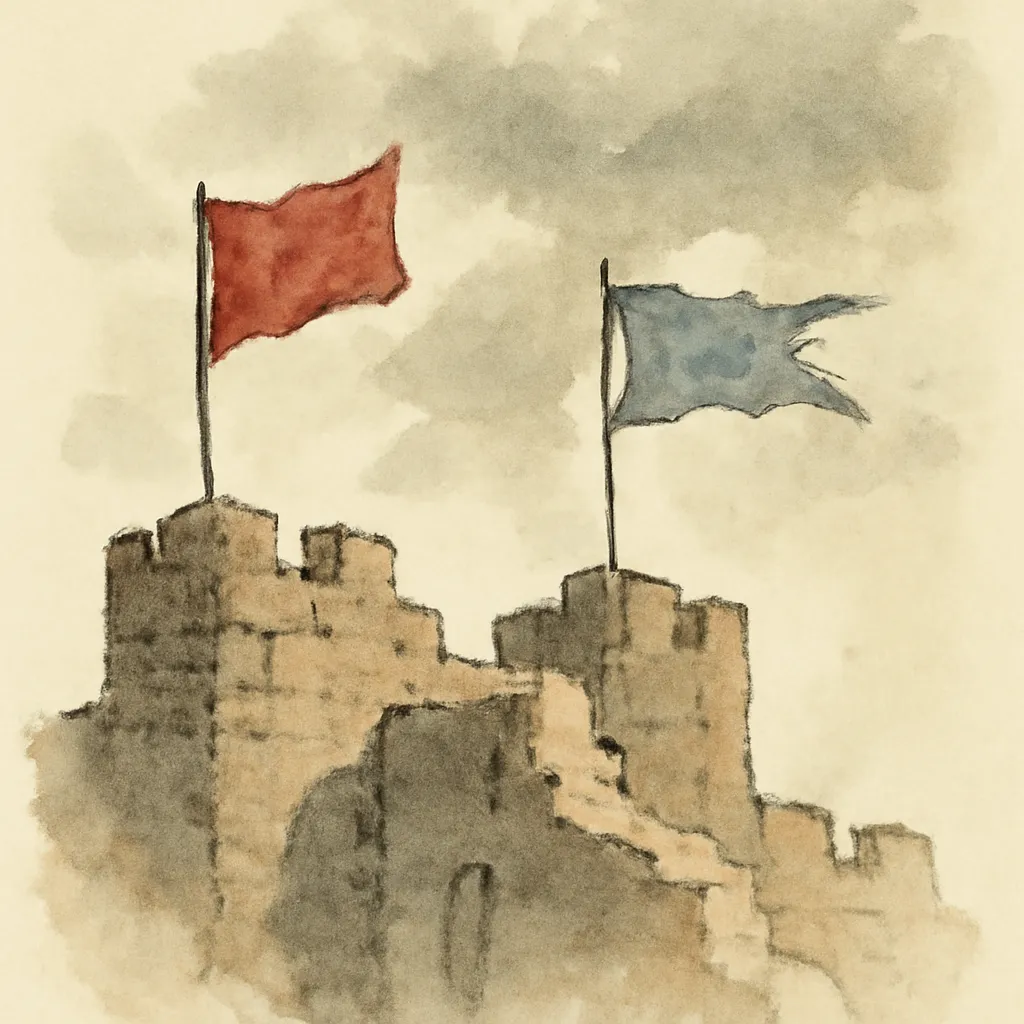
The political dynamics of Renaissance Italy serve as a backdrop to the personal stories of the characters, influencing their motivations and actions. The struggle for power between rival factions, such as the Sforza and Borgia families, creates a volatile environment where alliances are fragile and loyalty is often tested. Sabatini effectively illustrates how the characters’ personal lives are intertwined with the larger political landscape, as their ambitions and desires are continually shaped by the shifting tides of power. This setting not only adds depth to the characters’ motivations but also enriches the narrative, providing a historical context that enhances the themes of love and betrayal. The constant threat of violence and upheaval looms over the characters, forcing them to make choices that reflect their understanding of power, influence, and their place within the sociopolitical hierarchy.
7.Heroism and Sacrifice
Heroism is portrayed in various forms throughout 'Love-at-Arms,' with characters often making sacrifices for love, honor, or the greater good. Francesco's willingness to risk his life for Valentina exemplifies the romantic ideal of a hero, driven by love and loyalty. This heroism is not without its contradictions, as characters also grapple with the consequences of their actions. The sacrifices made by characters like Ferrabraccio, who fights for ideals, serve as a counterpoint to Francesco's more personal motivations, suggesting that heroism can take many forms—some noble and some misguided. The concept of sacrifice is intricately tied to the themes of duty and love, highlighting the moral complexities of the characters’ choices. Sabatini challenges the traditional notions of heroism, suggesting that the true measure of a hero lies not only in their bravery but also in their moral choices and the impact of their actions on those they love.
8.The Impact of Violence
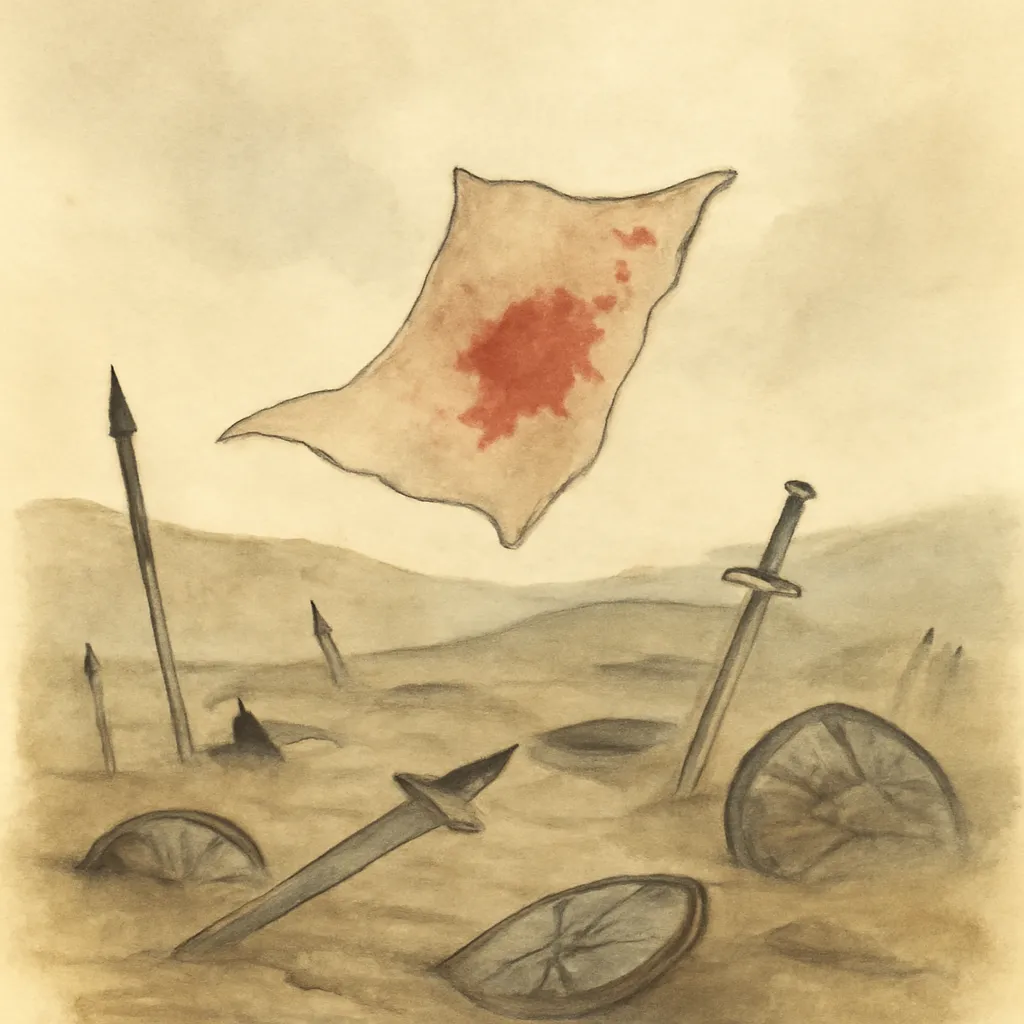
Violence is a pervasive theme in 'Love-at-Arms,' serving as both a catalyst for action and a consequence of ambition. The brutal realities of warfare and the violent nature of political power struggles are vividly depicted, emphasizing the toll that such conflicts take on individuals and communities. Characters grapple with the effects of violence on their lives, as seen in the aftermath of battles and betrayals that claim the lives of friends and foes alike. The graphic descriptions of violence serve to ground the narrative in the harsh realities of the time, reinforcing the notion that personal and political conflicts often result in bloodshed. This exploration of violence highlights the moral complexities of the characters’ choices, forcing them to confront the consequences of their actions in a world where bloodshed is often the price of ambition. The narrative prompts readers to reflect on the cyclical nature of violence and its implications for the characters’ fates.
9.The Nature of Friendship

Friendship is portrayed as a complex and often fragile bond in 'Love-at-Arms,' with characters navigating the treacherous waters of loyalty and betrayal. The relationships between Francesco, Fanfulla, and other allies underscore the importance of camaraderie in the face of adversity. However, these friendships are tested by ambition, jealousy, and the harsh realities of their world. The dynamic between Francesco and Fanfulla illustrates how friendship can serve as a source of strength and support during challenging times. Yet, as characters confront their ambitions and desires, the fragility of these bonds becomes apparent. Sabatini illustrates that true friendship requires sacrifice and understanding, and that the bonds forged in times of struggle can be both a source of strength and a point of vulnerability. This exploration of friendship adds depth to the narrative, revealing how personal connections can shape individuals' choices and ultimately affect the broader political landscape.