1.The Power of Female Solidarity
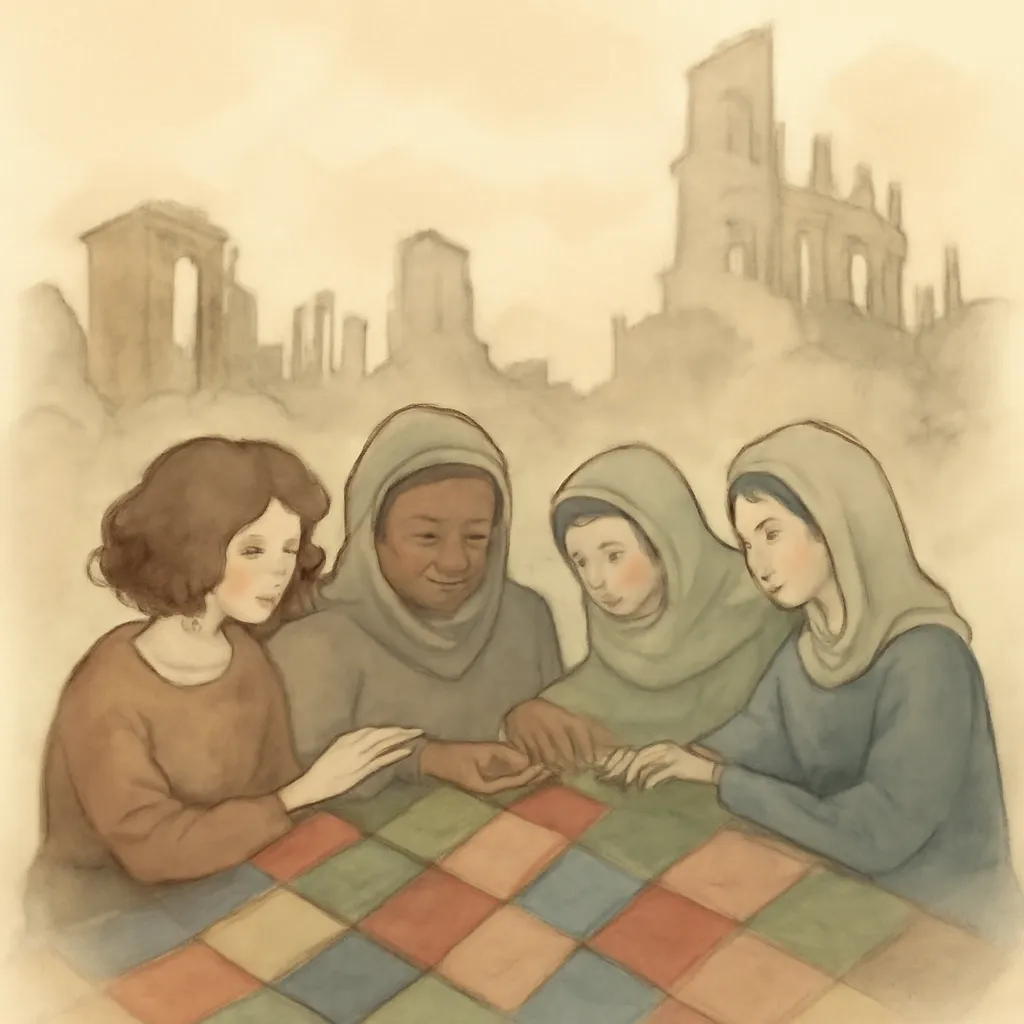
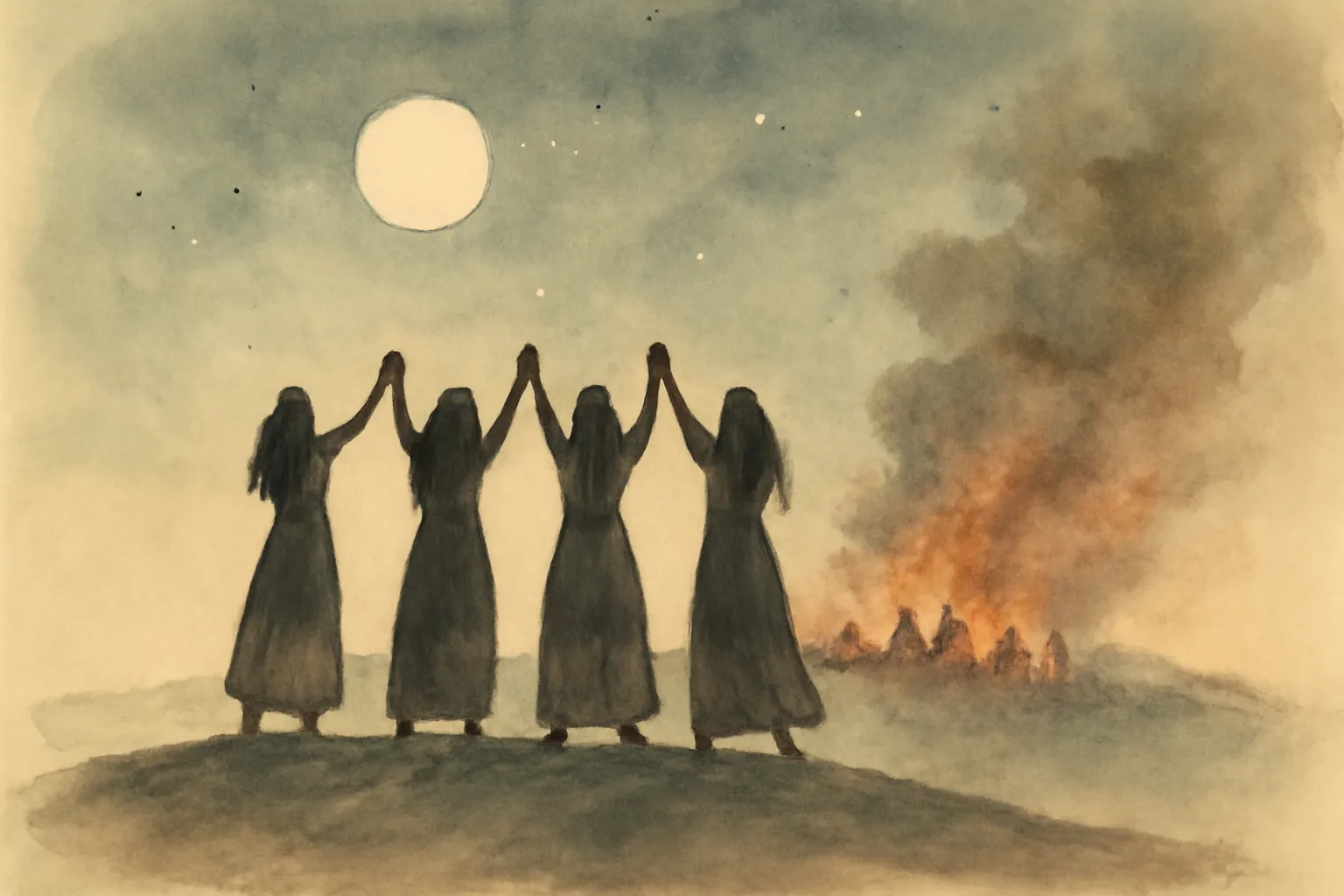
At the heart of 'Lysistrata' lies the theme of female solidarity. The protagonist, Lysistrata, rallies women from various city-states, including Athens and Sparta, uniting them under a common purpose: to withhold sexual favors from their husbands as a means to force the men to negotiate peace. This act of defiance illustrates how women, often seen as submissive, can band together to enact significant social change. The initial reluctance of some women to join the cause is significant; it highlights the societal pressures they face, reinforcing the idea that breaking free from traditional roles requires courage. The camaraderie that ultimately develops among the women exemplifies the strength found in unity, as they support one another in their shared goal. By portraying women as active participants in political discourse, Aristophanes challenges the traditional gender norms of his time, suggesting that women have the agency to influence the course of history, even in a patriarchal society.
2.Sex as a Tool for Political Leverage
Aristophanes cleverly uses sexuality as a bargaining chip in 'Lysistrata'. The women’s decision to abstain from sex is not merely a personal sacrifice; it is a strategic move designed to leverage their power over men. Lysistrata articulates this plan with a mix of humor and seriousness, emphasizing that the men’s desires will compel them to seek peace. For example, she suggests that men will be so consumed by their lust that they will be willing to negotiate for peace just to regain access to their wives. The absurdity of the situation creates a humorous backdrop, yet the underlying message remains poignant. This dynamic is not only comedic but also serves as a commentary on the intersections of love, power, and war, effectively turning the traditional narrative of male dominance on its head. The women's sexuality becomes a source of strength and agency, challenging the notion that women are merely passive objects of desire.
3.The Role of Women in War and Peace
Lysistrata’s initiative to end the war by withholding sex underscores the often-overlooked role of women in wartime. While men are portrayed as the warriors and decision-makers, it is the women who bear the brunt of the consequences of conflict. Their conversations about the emotional and physical toll of war reveal their deep understanding of the impact that conflict has on families and communities. For instance, the women express their frustrations and fears about their absent husbands, showcasing their emotional labor in dealing with the fallout of the war. By positioning women as key players in the quest for peace, the play challenges the notion that political matters are exclusively male domains. Instead, it suggests that women's experiences and perspectives are crucial to understanding the full scope of war's consequences and the necessity of peace.
4.Humor as a Vehicle for Serious Themes
Aristophanes masterfully employs humor to address serious themes in 'Lysistrata'. The comedic elements serve to engage the audience while simultaneously prompting reflection on the absurdities of war and societal expectations. The witty banter among the women and their exaggerated reactions to the prospect of abstaining from sex create a light-hearted atmosphere, yet the underlying message remains poignant. Humor becomes a tool for social critique, allowing Aristophanes to illuminate the ridiculousness of war and challenge the cultural norms surrounding gender roles. By framing the women's rebellion in a humorous light, Aristophanes invites viewers to reflect on the societal norms that dictate gender roles and the futility of war. This clever blend of comedy and gravity ensures that the play remains relevant, encouraging audiences to question the status quo and consider the potential for change.
5.The Symbolism of the Akropolis
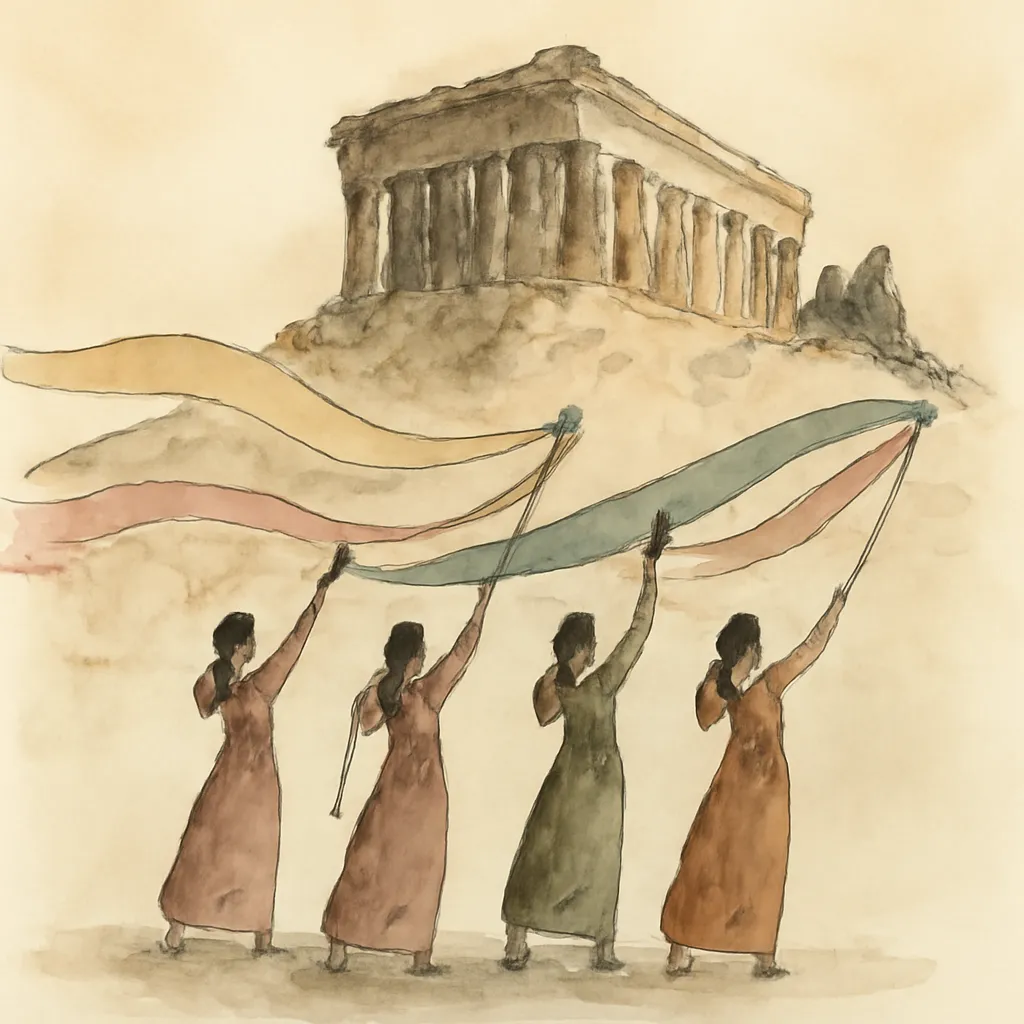
The Akropolis serves as a powerful symbol in 'Lysistrata', representing both political power and the battleground of gender relations. By seizing the Acropolis, where the treasury is located, the women assert their control over the state’s finances and, by extension, its ability to wage war. This act of occupation is emblematic of their refusal to be passive participants in a system that disregards their voices. The Akropolis stands as a metaphor for the patriarchal structures that the women seek to dismantle, highlighting the need for a re-evaluation of power dynamics in society. The women’s occupation of this significant political site illustrates their determination to challenge male authority and reclaim their agency in a male-dominated world. By placing the women's struggle against the backdrop of this iconic structure, Aristophanes emphasizes the significance of their actions in the larger context of civic life, suggesting that true democracy cannot exist without the inclusion of women's voices.
6.The Complexity of Desire
Desire plays a central role in 'Lysistrata', manifesting itself in various forms and driving the plot forward. The women’s initial reluctance to abstain from sex reveals the complexities of human desire, illustrating how deeply intertwined love and physical intimacy are with personal identity and happiness. The characters’ humorous exchanges about their desires serve to humanize them, showcasing their vulnerabilities and fears. For example, Myrrhine's struggle to resist her husband, Cinesias, encapsulates the tension between personal longing and political duty. It is this complexity that makes their eventual commitment to the cause all the more significant. By confronting their desires and choosing a higher purpose, the women transcend their individual yearnings for the sake of collective peace, demonstrating a powerful shift in priorities. This portrayal of desire reinforces the idea that personal and political spheres are inextricably linked.
7.Lysistrata as a Feminist Icon
Lysistrata emerges as a feminist icon in Aristophanes’ play, embodying strength, intelligence, and agency. Unlike the traditional female figures of her time, she takes charge of her destiny and the fate of her city. Her actions are not simply reactions to the war but are proactive steps taken to instigate change. Through her unwavering determination, she inspires other women to join her cause, proving that female leadership can challenge societal norms. This portrayal of Lysistrata as a proactive and assertive woman resonates with contemporary feminist ideals, making her a timeless symbol of resistance against patriarchal oppression. Additionally, her clever manipulation of male desires further cements her status as a figure of empowerment, illustrating that women can use the tools available to them to effect change in their societies.
8.The Impact of War on Domestic Life
Aristophanes poignantly illustrates the impact of war on domestic life in 'Lysistrata'. The women’s grievances about their husbands’ absence and the emotional toll of the conflict serve as a backdrop for their revolutionary actions. Through their discussions, the play reveals the ways in which war disrupts family life, leaving women to manage the household and bear the emotional weight of loss and uncertainty. This focus on domesticity highlights the interconnectedness of public and private spheres, suggesting that political decisions have profound implications on personal lives. The women's experiences reflect the silent suffering endured by many families during wartime, serving as a reminder that peace is essential for the well-being of families and society as a whole. By showcasing the women’s struggles, Aristophanes emphasizes that the pursuit of peace is not only a political necessity but also a moral imperative.
9.The Role of Humor in Social Critique
The humor in 'Lysistrata' serves as a powerful tool for social critique. Aristophanes uses satire to expose the absurdities of war and the often ridiculous nature of male-dominated politics. The comedic situations and exaggerated characters allow the playwright to address serious topics without alienating his audience. For instance, the absurdity of the women’s plan to withhold sex illustrates the lengths to which individuals will go to challenge the status quo. By framing the women’s rebellion in a humorous light, Aristophanes invites viewers to reflect on the societal norms that dictate gender roles and the futility of war. This clever blend of comedy and critique ensures that the play remains relevant, encouraging audiences to question the status quo and consider the potential for change. The humor ultimately serves to empower the women by transforming their struggle into a source of laughter and solidarity.
10.The Triumph of Peace
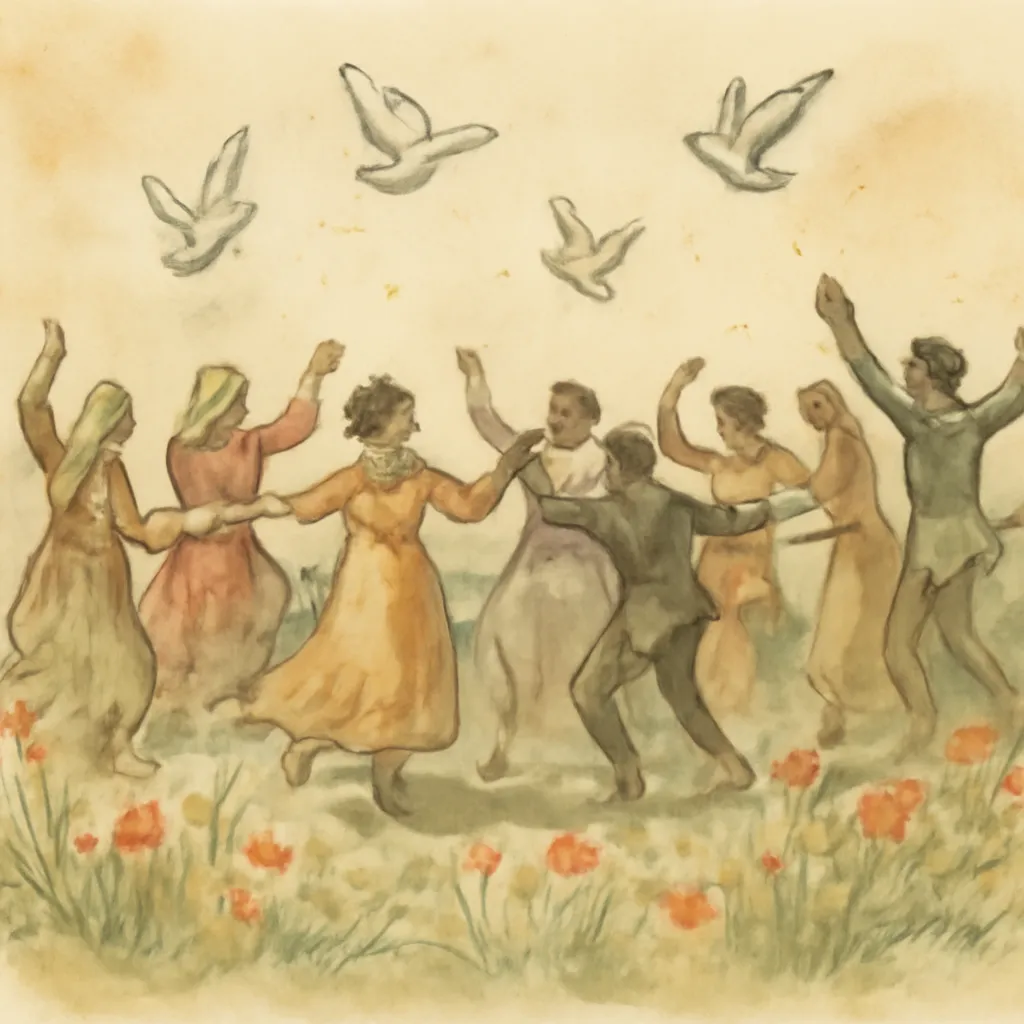
In the conclusion of 'Lysistrata', the triumph of peace serves as a hopeful resolution to the conflicts presented throughout the play. The joyous celebration of peace among the women and their husbands symbolizes the potential for reconciliation and harmony. Through song and dance, Aristophanes emphasizes the importance of unity and the shared desire for a better future. The play ends on a note of optimism, suggesting that even amidst the chaos of war, the power of love and solidarity can prevail. This resolution reinforces the idea that peace is not merely the absence of conflict but a state of active collaboration and mutual respect. The celebratory tone of the conclusion invites the audience to envision a world where cooperation, understanding, and dialogue replace hostility and division, leaving them with a profound sense of hope and the possibility of change.