1.The Weight of Expectations
Irene Huntingdon embodies the struggle against societal expectations, particularly those imposed by her father, Mr. Huntingdon. From an early age, Irene is raised with an implicit understanding that she is to marry her cousin, Hugh Seymour, a relationship predicated on family obligation rather than genuine affection. This tension manifests in her resistance to being treated like a 'wax doll,' as she asserts her autonomy by refusing to allow her father and others to dictate her actions. Her fierce independence is a recurring theme, illustrating how societal norms can suffocate individual desires. The character of Irene serves as a poignant critique of the limited roles available to women in her society, showcasing her internal conflict as she grapples with her identity and the expectations placed upon her.
2.Art as a Means of Expression
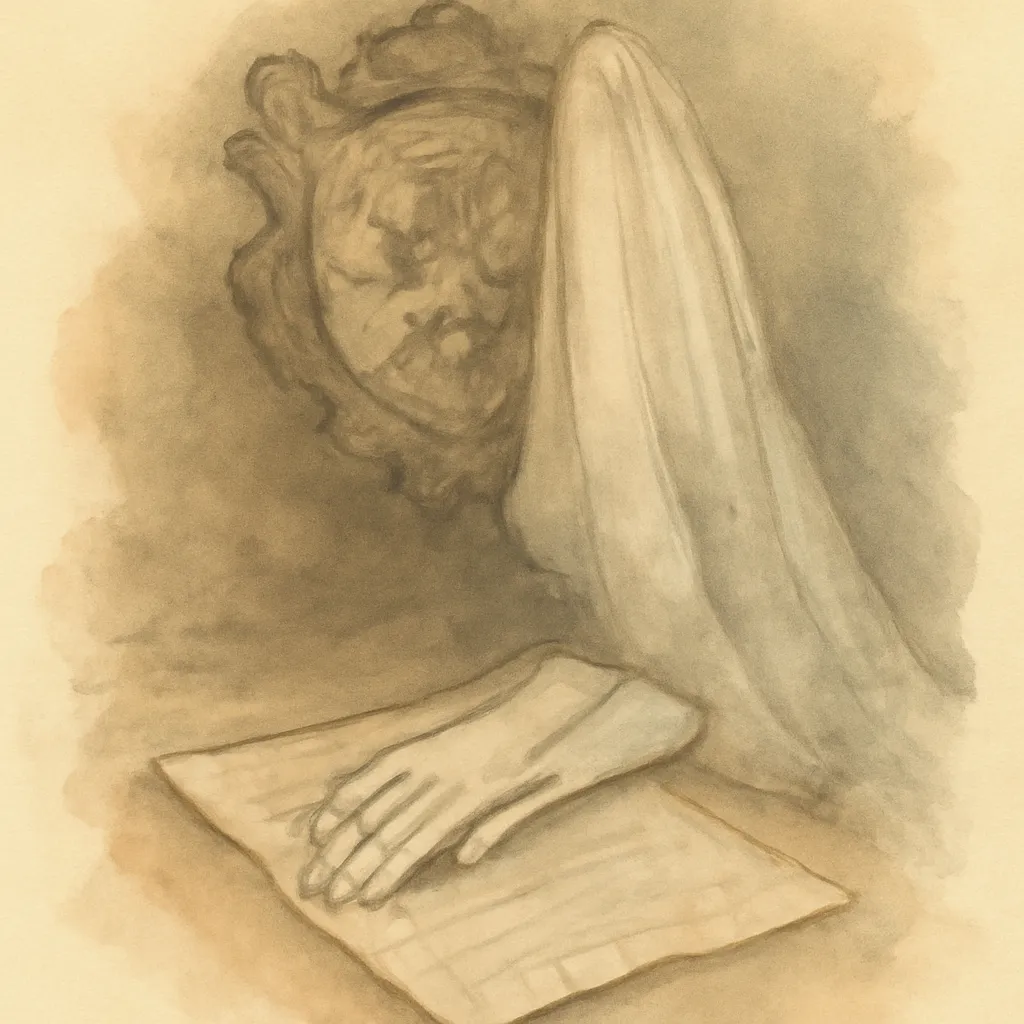
Electra Grey's journey as an artist highlights the transformative power of art as both a personal refuge and a medium for self-expression. Her relationship with her mentor, Mr. Clifton, evolves into a deep bond that transcends traditional teacher-student dynamics. As she navigates the challenges of her craft, Electra finds herself pouring her emotions into her artwork, culminating in her first significant piece—a portrait that captures the essence of her feelings for Clifton. This artwork becomes a symbol of her struggle and determination, representing not just her artistic ambition but also her desire for recognition in a male-dominated field. Electra's development underscores the theme that true artistry stems from personal experience and emotional depth, allowing her to assert her identity and agency in a world that often seeks to confine her.
3.The Complexities of Love
The relationships in 'Macaria' are marked by complexity and contradiction, particularly in the love triangle involving Irene, Russell, and Hugh. While Hugh is presented as the dutiful cousin, his relationship with Irene lacks the emotional connection she craves. In contrast, Russell, despite his humble beginnings and struggles, embodies the ideals of passion and ambition that resonate with Irene. Their bond is fraught with societal barriers, as Russell's aspirations conflict with the expectations of wealth and status represented by Hugh. This dynamic illustrates the novel's exploration of love not merely as a romantic ideal but as a force that compels individuals to confront their societal roles and personal ambitions. The characters’ interactions reveal how love can be both liberating and confining, pushing them toward self-discovery while simultaneously binding them to their social realities.
4.Friendship and Solidarity Among Women
The friendships between women in 'Macaria' serve as a source of strength and support amidst societal challenges. The bond between Irene and Electra is particularly significant, as they navigate their respective struggles together. Irene’s compassion for Electra, especially in her desire to help Mrs. Aubrey, showcases the nurturing aspect of their relationship. This solidarity is further emphasized during their individual hardships, as they provide emotional support to one another. Their interactions reflect a broader commentary on the importance of female friendship in a patriarchal society, where women often find themselves isolated by the expectations placed upon them. Through their connection, Evans illustrates that friendship can empower women, offering a counterbalance to the constraints imposed by societal norms.
5.The Pursuit of Knowledge and Self-Improvement
Russell Aubrey’s character arc emphasizes the value of education and self-improvement as means to transcend one's circumstances. Working as an accountant, Russell dedicates himself to his studies, demonstrating an unyielding commitment to personal growth despite the challenges he faces. His ambition to rise above his current status reflects a broader theme of aspiration that permeates the novel. Russell’s character illustrates that knowledge is not merely a tool for social mobility but also a pathway to self-fulfillment. His relentless pursuit of learning ultimately positions him as a figure of inspiration for both Irene and Electra, reinforcing the idea that determination and intellect can empower individuals to forge their own paths. This pursuit also serves as a critique of a society that often prioritizes wealth and status over genuine merit and capability.
6.The Burden of Sacrifice
Throughout 'Macaria', the theme of sacrifice manifests in various forms, particularly in the lives of the main characters. Irene’s internal struggle to uphold her familial obligations while yearning for personal happiness reflects the sacrifices many women of her time had to make. Electra, too, sacrifices her time and emotional well-being for her art and for the care of Mrs. Aubrey, showcasing how personal devotion can come at a cost. These sacrifices are not always acknowledged or rewarded, raising questions about the nature of duty and the expectations placed on individuals, especially women. The novel challenges readers to consider the weight of these sacrifices and the impact they have on personal identity and relationships. Ultimately, Evans suggests that while sacrifice is often noble, it can also lead to feelings of resentment and unfulfilled potential.
7.Societal Change and the Role of Women
Set against the backdrop of a changing society, 'Macaria' reflects the tensions between traditional gender roles and the emerging aspirations of women. The characters navigate a world in flux, where the expectations of Southern society are increasingly challenged by the desires for autonomy and self-expression. Irene and Electra represent the evolving roles of women who seek to assert their identities beyond the confines of marriage and domesticity. Their struggles highlight the societal limitations that women faced, as well as the burgeoning desire for independence and agency. This theme resonates throughout the novel, as Evans portrays the characters' journeys as emblematic of a broader movement toward female empowerment. By depicting these struggles, Evans underscores the importance of acknowledging and challenging societal norms that restrict women's potential.
8.The Influence of Family Dynamics
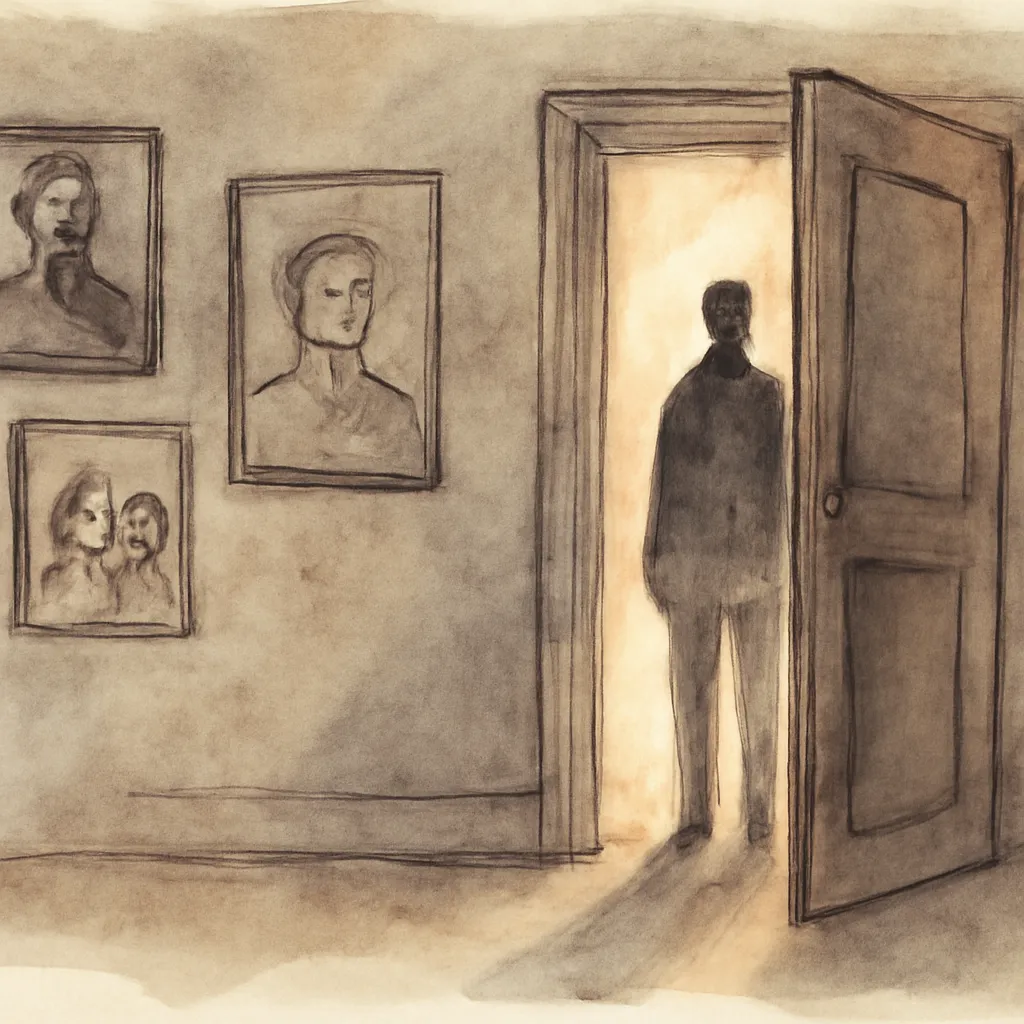
Family dynamics play a crucial role in shaping the characters' decisions and identities in 'Macaria'. The relationship between Irene and her father is particularly complex, characterized by love, obligation, and conflict. Mr. Huntingdon's expectations weigh heavily on Irene, influencing her choices and her sense of self. This paternal influence is juxtaposed with the more supportive relationships that Irene develops with her friends and Electra. Similarly, Electra's bond with her mother, Mrs. Aubrey, though marked by care, is also laden with the expectations of duty and sacrifice. Evans illustrates how family relationships can both empower and constrain individuals, highlighting the dual nature of familial love as a source of strength and a potential hindrance to personal freedom. The interplay between familial expectations and personal aspirations serves as a central tension in the narrative, reflecting the complexities of love and duty within family structures.
9.The Role of Religion and Morality

Religion and morality underpin many of the characters' decisions and interactions in 'Macaria', serving as both a guiding force and a source of conflict. Irene's spiritual journey reflects her quest for purpose and meaning, particularly following the death of her cousin Hugh. Her involvement with the church signifies a turning point, where she seeks solace in faith amidst her personal turmoil. This development illustrates the transformative power of religion as a means of coping with loss and finding direction. Moreover, the moral dilemmas faced by the characters, particularly in their relationships and societal obligations, prompt deep reflections on duty, sacrifice, and the pursuit of happiness. Evans uses these religious and moral themes to explore the characters' inner lives, revealing how their beliefs shape their actions and contribute to their overall growth. The interplay of faith and morality serves as a backdrop against which the characters navigate their struggles and aspirations.
10.The Intersection of Class and Ambition
The novel intricately explores the intersection of class and ambition, particularly through the character of Russell Aubrey. Coming from a humble background, Russell faces the societal barriers that often accompany class disparities. His journey toward self-improvement and success is fraught with challenges, as he navigates a world that often values wealth and status over merit. This theme is further amplified by the contrasting social standings of Irene and Hugh, highlighting the privileges that come with wealth and the limitations imposed on those without. Evans critiques the class structures of her time, illustrating how they shape the characters' aspirations and relationships. Russell's determination to rise above his circumstances serves as a powerful commentary on the potential for individual agency to transcend social barriers, suggesting that ambition and hard work can pave the way for success, regardless of one's origins.