1.The Allure of the Stage
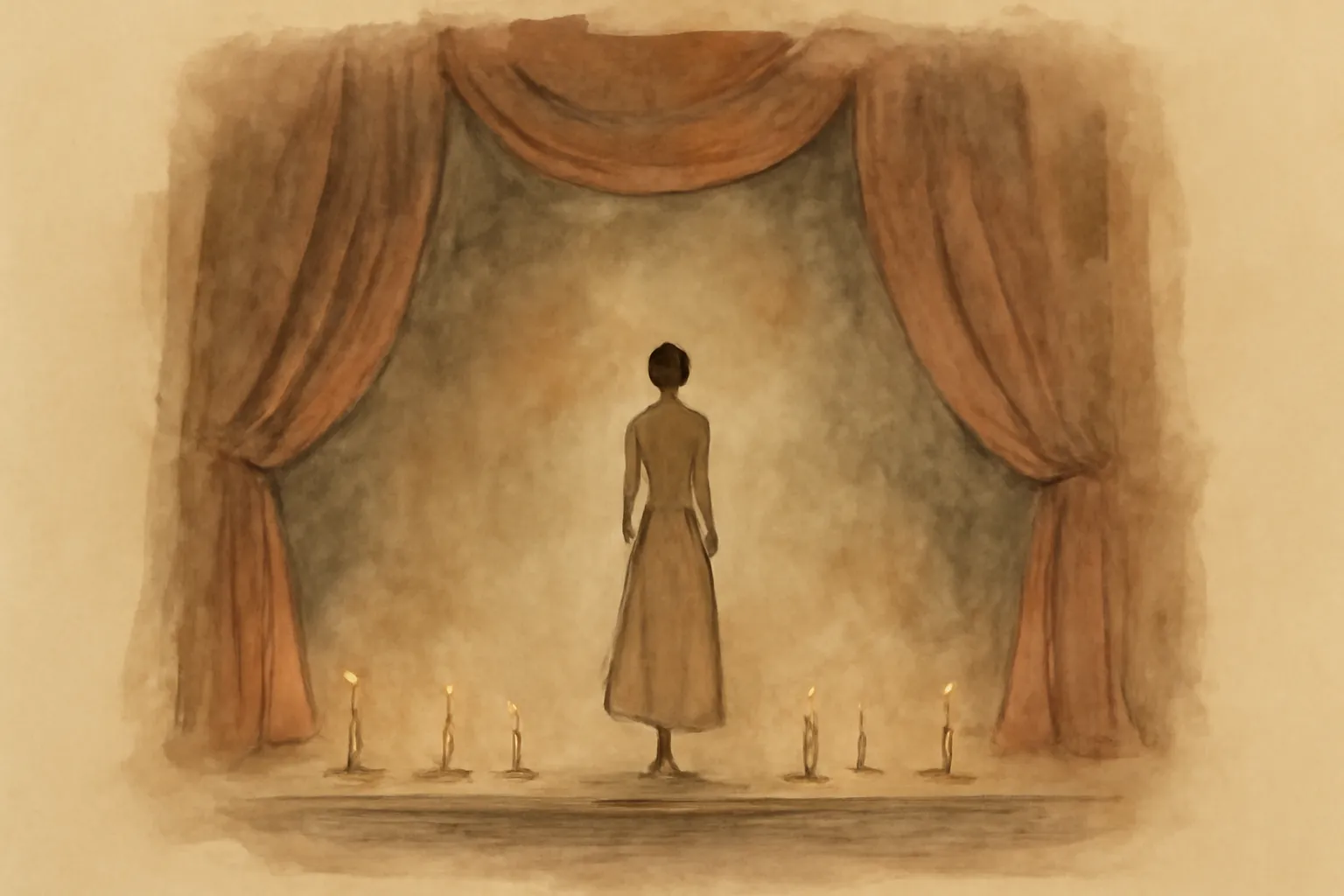
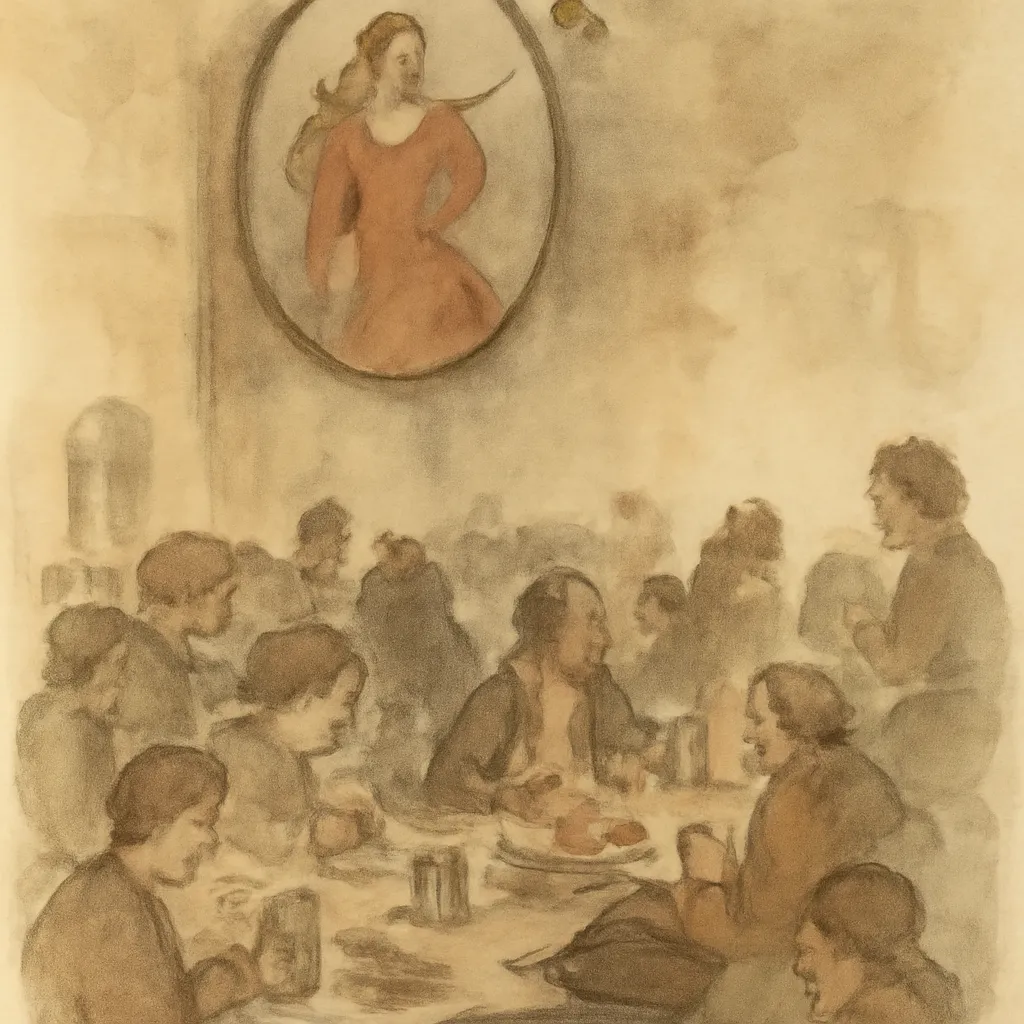
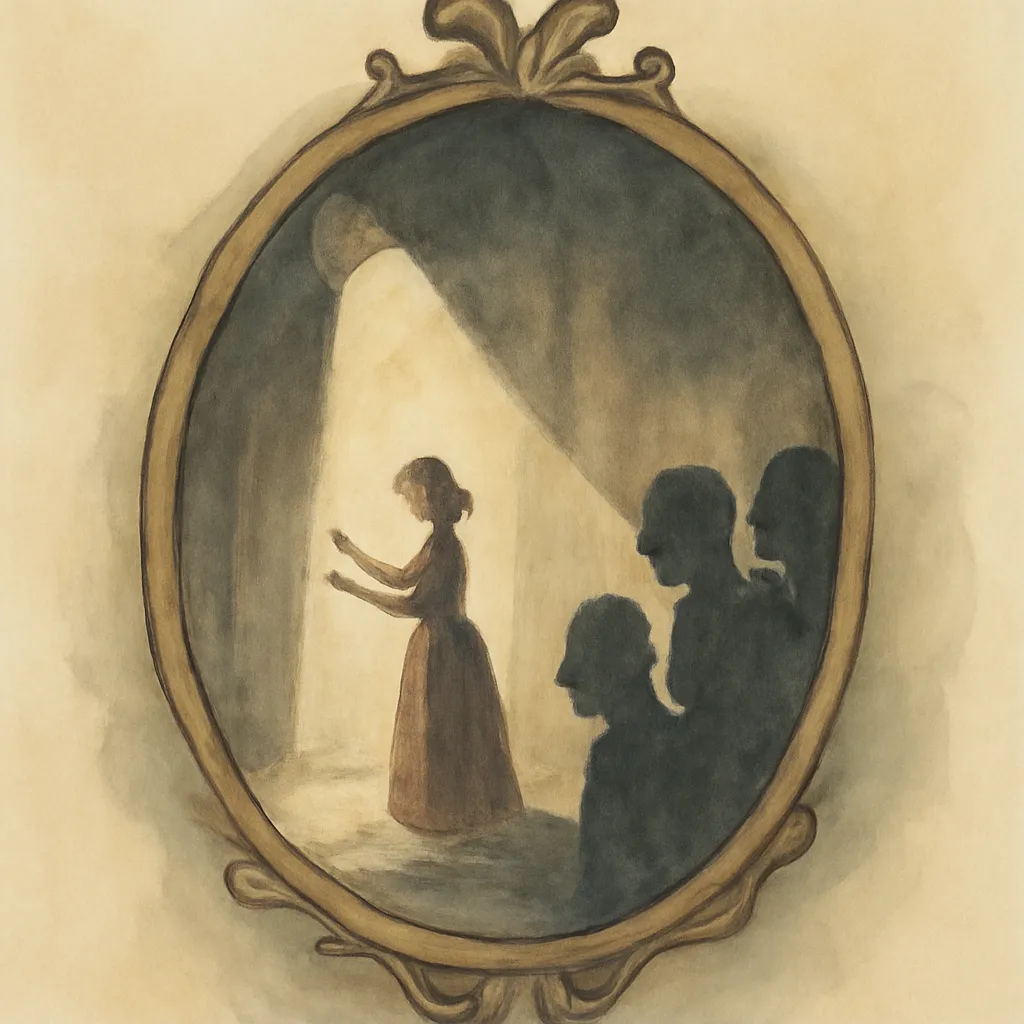
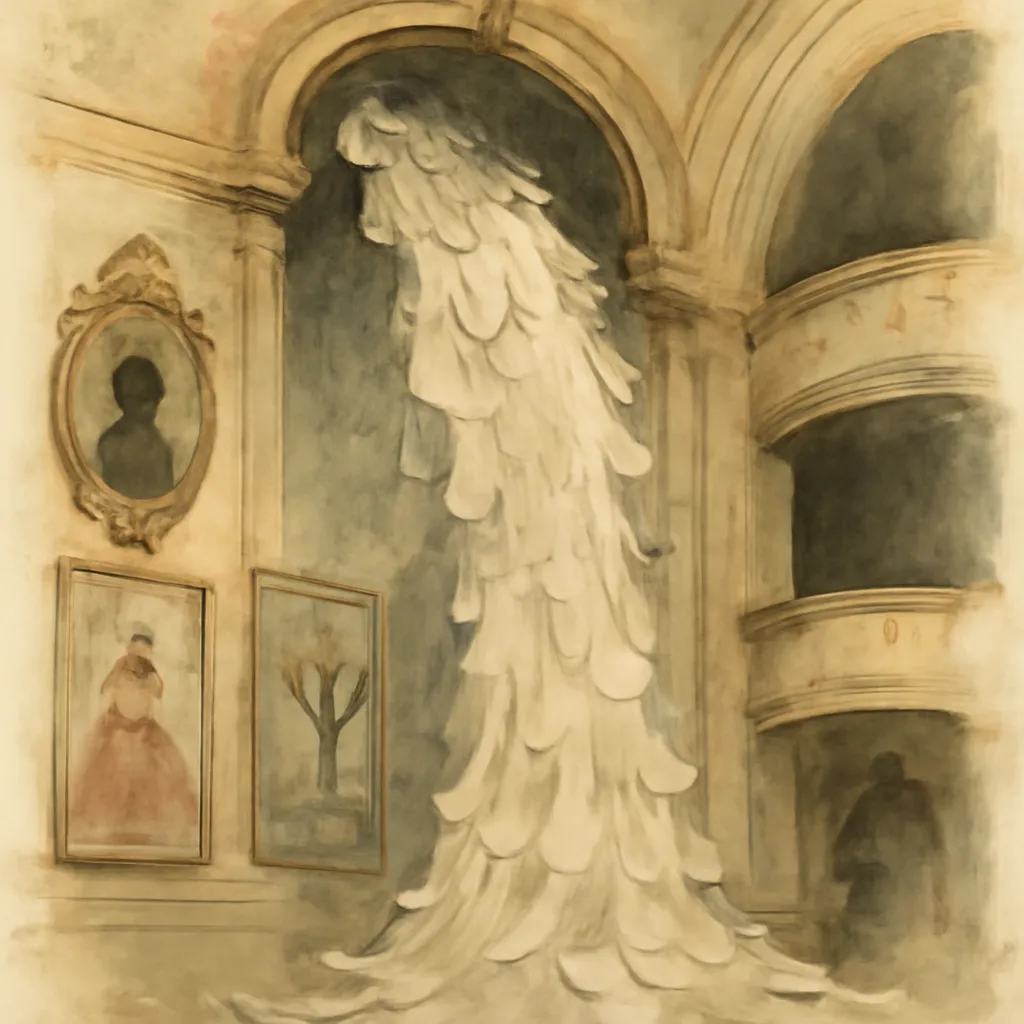
The novel opens in the Maiden Head Inn, a lively tavern where colorful characters gather to discuss the latest happenings in London. This setting not only introduces readers to the bustling social life of 18th-century London but also establishes the allure of the stage as a central theme. Lavinia's journey begins as she is drawn to the vibrant world of theater, a place where she can escape her mundane life and express herself freely. The tavern acts as a microcosm of society, showcasing a blend of the elite and the common folk, united by their fascination with performance. It is here that Lavinia's aspirations are ignited, as she dreams of becoming an actress and embracing the freedom that the stage offers. The atmosphere of the inn foreshadows the transformation Lavinia will undergo, emphasizing her desire to reinvent herself and challenge societal norms.
2.Love and Betrayal
Lavinia's romantic entanglements introduce a rich tapestry of love and betrayal, threading through the narrative as she navigates her feelings for Archibald Dorrimore and Lancelot Vane. Dorrimore represents the societal pressures placed on women to marry well and secure their futures. Initially enamored with him, Lavinia's feelings deepen, leading her to grapple with her own desires versus the expectations imposed upon her by society. The introduction of Vane complicates her emotional landscape, as she finds herself torn between genuine affection and the ambition to elevate her social standing. Through Lavinia's relationships, Pearce explores the sacrifices one makes in the name of love, emphasizing the painful choices that often accompany passionate connections. The betrayal becomes a key element of Lavinia's character development, forcing her to confront the reality of her relationships and the true nature of the people she trusts.
3.The Role of Women in Society
Pearce intricately weaves the theme of women's roles within the fabric of 18th-century society, using Lavinia as a vessel to challenge the constraints placed on women of her time. Lavinia's character serves as a symbol of rebellion against the limitations imposed on her gender. As a woman striving for independence and recognition in the theatrical world, she embodies the struggles faced by many. Pearce highlights the expectations that dictate a woman's worth through marriage and domesticity, contrasting them with Lavinia's aspirations as an actress. Her journey reflects a larger commentary on the evolving roles of women during this period, advocating for agency and self-expression. Through Lavinia, Pearce champions the idea that women should not be confined to societal norms, encouraging readers to consider the importance of autonomy in pursuing one's passions.
4.The Duality of Fame
As Lavinia pursues her dreams of becoming a celebrated actress, the novel examines the duality of fame—its allure and its costs. The stage offers Lavinia a chance at success, but as she rises to prominence, she faces the scrutiny and jealousy that come with public attention. Pearce deftly illustrates how the pursuit of fame can lead to personal sacrifices, as Lavinia encounters both admiration and envy from those around her. Her experiences reveal that fame can be fleeting and may come at the expense of personal relationships. The complexities of public perception become increasingly apparent as Lavinia navigates the challenges of being in the spotlight. Through her journey, Pearce raises questions about the true nature of success, ultimately suggesting that the price of fame may include the loss of intimacy and authenticity in one's life.
5.Friendship and Loyalty
The relationships Lavinia forms throughout her journey serve as integral components of her growth and self-awareness. Key figures like John Gay and Jemmy Spiller play significant roles in her development, providing support and guidance as she navigates the tumultuous world of theater. Their friendships highlight the importance of loyalty and camaraderie in a society rife with ambition and competition. Pearce emphasizes the value of genuine connections in contrast to the superficial relationships often formed in the pursuit of fame. Through these bonds, Lavinia learns important lessons about trust, betrayal, and the significance of surrounding oneself with uplifting influences. The theme of loyalty resonates throughout the narrative, showcasing the necessity of companionship in overcoming life's challenges and achieving personal aspirations.
6.The Power of Choice
Lavinia’s journey is ultimately one of self-discovery, guided by the power of choice. Each decision she makes shapes her destiny, reflecting the broader theme of agency within the narrative. Pearce demonstrates how Lavinia’s choices—whether in matters of love, career, or friendship—are pivotal in defining her character and future. The tension between societal expectations and personal desire plays a crucial role in her development, as she learns to navigate the complexities of her life with courage and determination. This theme resonates with readers, emphasizing that despite external pressures, individuals possess the power to shape their own paths. Lavinia's choices serve as a testament to the resilience of the human spirit, encouraging readers to embrace their own journeys with confidence.
7.The Influence of Art and Literature
The novel celebrates the transformative power of art and literature, particularly within the context of theater. Lavinia's passion for acting becomes a vehicle for self-expression, allowing her to explore her identity and challenge societal norms. Pearce highlights the impact of the arts on society, showcasing how performances can evoke emotions, challenge perceptions, and inspire change. The characters' discussions around plays and poetry reflect the cultural landscape of the time, emphasizing the significance of artistic endeavors in shaping public opinion. Through Lavinia's experiences, Pearce underscores the idea that art is not merely entertainment; it is a powerful tool for social commentary and personal reflection. The novel advocates for the arts as a means of understanding the human experience, reinforcing the notion that creativity can illuminate societal issues.
8.Conflict and Resolution
The narrative is marked by various conflicts that drive the plot and shape Lavinia's character, from her internal struggles with love and ambition to the external challenges posed by societal expectations. Pearce masterfully weaves conflict into the fabric of the story, with each struggle serving as a catalyst for Lavinia's growth. As she navigates these challenges, readers witness her evolution from a naive girl to a determined woman who understands the complexities of life. The resolution of these conflicts, whether through triumph or heartbreak, underscores the importance of resilience and adaptability. Pearce's exploration of conflict and resolution adds depth to the narrative, making it a compelling reflection on the human experience. This theme resonates with readers, encouraging them to recognize the beauty of personal growth that arises from overcoming adversity.
9.The Interplay of Class and Society
Pearce intricately examines the interplay of class and society throughout 'Madame Flirt.' Lavinia's background as a lower-class woman seeking to rise in the world of theater highlights the social hierarchies of 18th-century London. The novel delves into the challenges faced by those from humble beginnings as they strive for recognition and acceptance in elite circles. Pearce contrasts Lavinia's experiences with those of the upper class, revealing the prejudices and barriers that exist within society. This exploration of class dynamics adds a layer of social commentary, prompting readers to reflect on the enduring impact of social status on personal aspirations. Through Lavinia's journey, Pearce advocates for the breaking down of class barriers and the recognition of talent and ambition, regardless of one’s origins.
10.The Search for Identity
At its core, 'Madame Flirt' is a story about the search for identity. Lavinia's journey is one of self-discovery as she grapples with her desires, ambitions, and the expectations of those around her. Pearce explores the complexities of identity formation in a rapidly changing society, where traditional roles are being challenged. Lavinia's evolution reflects the struggles many individuals face as they seek to understand themselves amidst external pressures. The novel emphasizes the importance of authenticity, encouraging readers to embrace their true selves rather than conforming to societal norms. Through Lavinia's experiences, Pearce conveys a powerful message about the significance of self-acceptance and the courage to pursue one’s passions unapologetically.