1.The Burden of Command
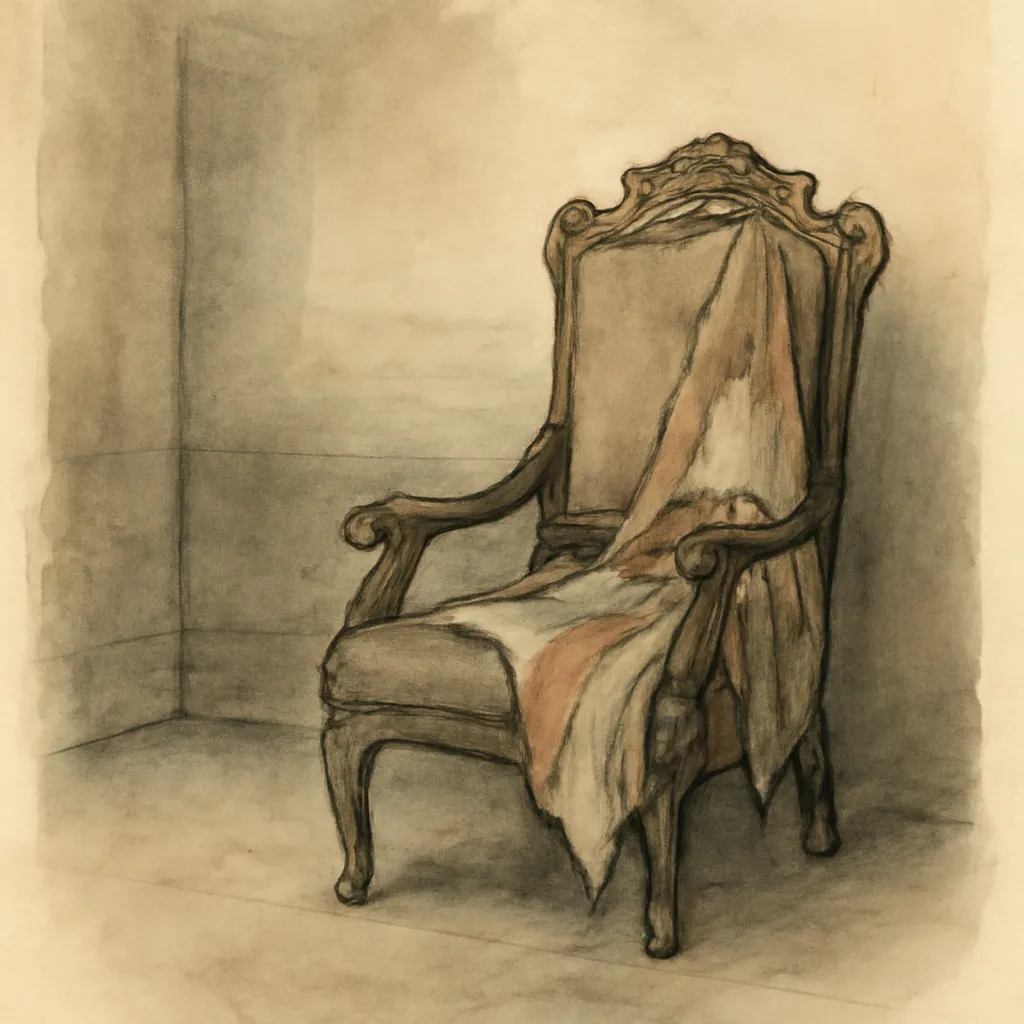
Major Vigoureux embodies the duality of military leadership: the honor of command juxtaposed with the deep-seated anxieties that accompany it. Throughout the narrative, he grapples with the expectation to maintain order and morale within the garrison while simultaneously dealing with supply shortages and the frustrations of his men. The Commandant's heated exchanges with Sergeant Archelaus over uniforms highlight the absurdity of military life, where practical needs are often overshadowed by bureaucratic inefficiencies. His struggles reveal a central theme: the paradox of leadership is that it requires both strength and vulnerability. Major Vigoureux reflects on his position, navigating his duties with a sense of dignity while being aware of the loneliness it brings. This internal conflict serves to humanize him, showcasing that the burden of leadership can isolate even the most honorable of men.
2.Isolation and Interpersonal Dynamics

The isolation of the garrison on St. Lide's creates a unique social environment where relationships become intensified due to limited interaction with the outside world. The characters navigate their emotional landscapes while dealing with the stark reality of their surroundings. The interactions between Major Vigoureux, Miss Gabriel, and Sergeant Archelaus reflect the tension between personal desires and social expectations. For instance, Miss Gabriel's frustration with the Commandant stems from their unfulfilled romantic prospects, highlighting the limitations placed on women in a patriarchal society. The arrival of Vashti disrupts the established order, introducing new dynamics that force characters to confront their feelings and insecurities. This exploration of how isolation shapes interpersonal relationships invites readers to ponder the complexity of human connections when external distractions are removed, ultimately revealing the profound effects of confinement on the human spirit.
3.Authority and Political Intrigue
The character of Sir Caesar Hutchins, the Lord Proprietor, serves as an embodiment of colonial authority, influencing the lives of the garrison's inhabitants through his decisions. His policies and whims elevate tensions within the military, particularly as they relate to the supply shortages faced by the Commandant and his men. Major Vigoureux's internal conflict regarding the Lord Proprietor's power reflects broader themes of governance and the often tenuous nature of authority. The social gatherings at Mr. and Mrs. Fossell's home expose the subtleties of power dynamics, as characters maneuver through the intricacies of class and status. This political backdrop underscores the narrative's exploration of loyalty and betrayal, questioning the alignment of personal ambitions with institutional obligations, and revealing how authority can shape relationships and create divisions among individuals who are otherwise united in their predicament.
4.Romantic Longing and Missed Connections
Romantic tension is a central theme in 'Major Vigoureux,' with the complex relationships between Major Vigoureux, Miss Gabriel, and Vashti serving as focal points for emotional exploration. Miss Gabriel's unrequited love for the Commandant illuminates the societal pressures women face to conform to traditional roles while her sharp intellect and wit challenge these norms. Her fierce independence offers an alternate lens through which readers can view the expectations placed upon women in the early 20th century. In contrast, Vashti’s presence introduces a sense of mystery and excitement, stirring feelings within the Commandant that he had long suppressed. The interplay of desire, jealousy, and frustration reveals how romantic entanglements can complicate lives already burdened by duty, inviting readers to empathize with the characters’ struggles as they navigate their personal desires in a restrictive environment.
5.Gender Dynamics and Women's Agency
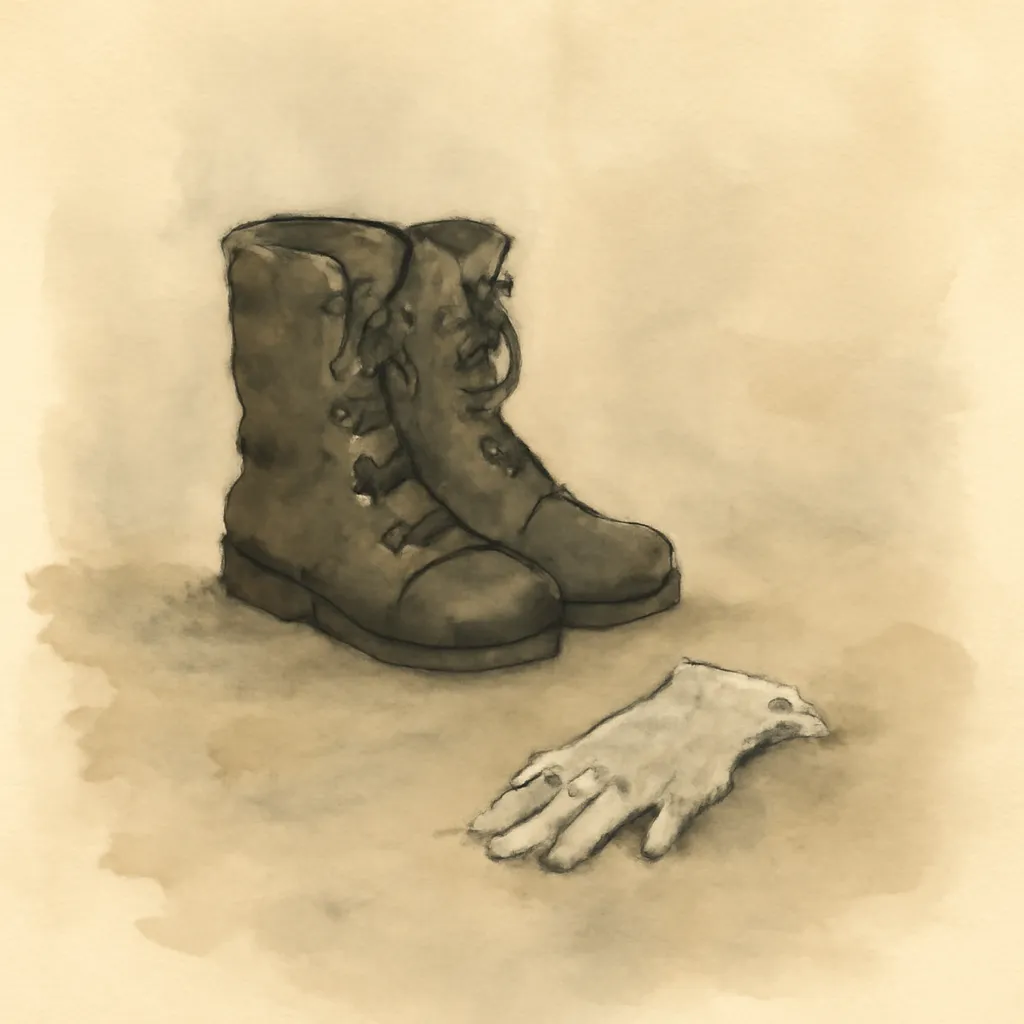
The portrayal of women in 'Major Vigoureux' showcases the complexities of gender dynamics in a military setting. Miss Gabriel emerges as a strong, opinionated figure, determined to assert her individuality despite societal constraints. Her interactions with the Commandant reveal her frustrations with gendered expectations, as she reflects on her own missed opportunities and the judgments passed upon her by other women. Vashti, on the other hand, symbolizes the allure of the unknown and the potential for freedom that lies outside the confines of the garrison. Both women challenge the male characters, pushing them to confront their own vulnerabilities and biases. This exploration of women's agency in a patriarchal structure highlights the struggle for identity and belonging, prompting readers to reflect on the implications of gender roles in their own contexts. The novel thus becomes a commentary on the shifting perceptions of women, revealing how they challenge traditional narratives and assert their voices in a confined space.
6.The Fog as Symbolism
The pervasive fog that envelops St. Lide's serves as a potent symbol throughout the novel, reflecting the emotional and psychological states of the characters. The fog obscures visibility, paralleling the uncertainties that Major Vigoureux and others face as they navigate their lives. During key moments, such as when the Commandant hears of a shipwreck, the fog heightens the stakes and amplifies the characters' inner turmoil. This atmospheric element reinforces the isolation felt by the garrison's inhabitants, creating a sense of entrapment as they grapple with their circumstances. Moreover, the fog underscores the theme of longing, as characters yearn for clarity and connection amidst the confusion of their lives. Quiller-Couch masterfully uses this motif to evoke the complexities of human experience, inviting readers to reflect on their own moments of uncertainty and the inherent fog that surrounds personal aspirations and relationships.
7.Class and Social Hierarchies
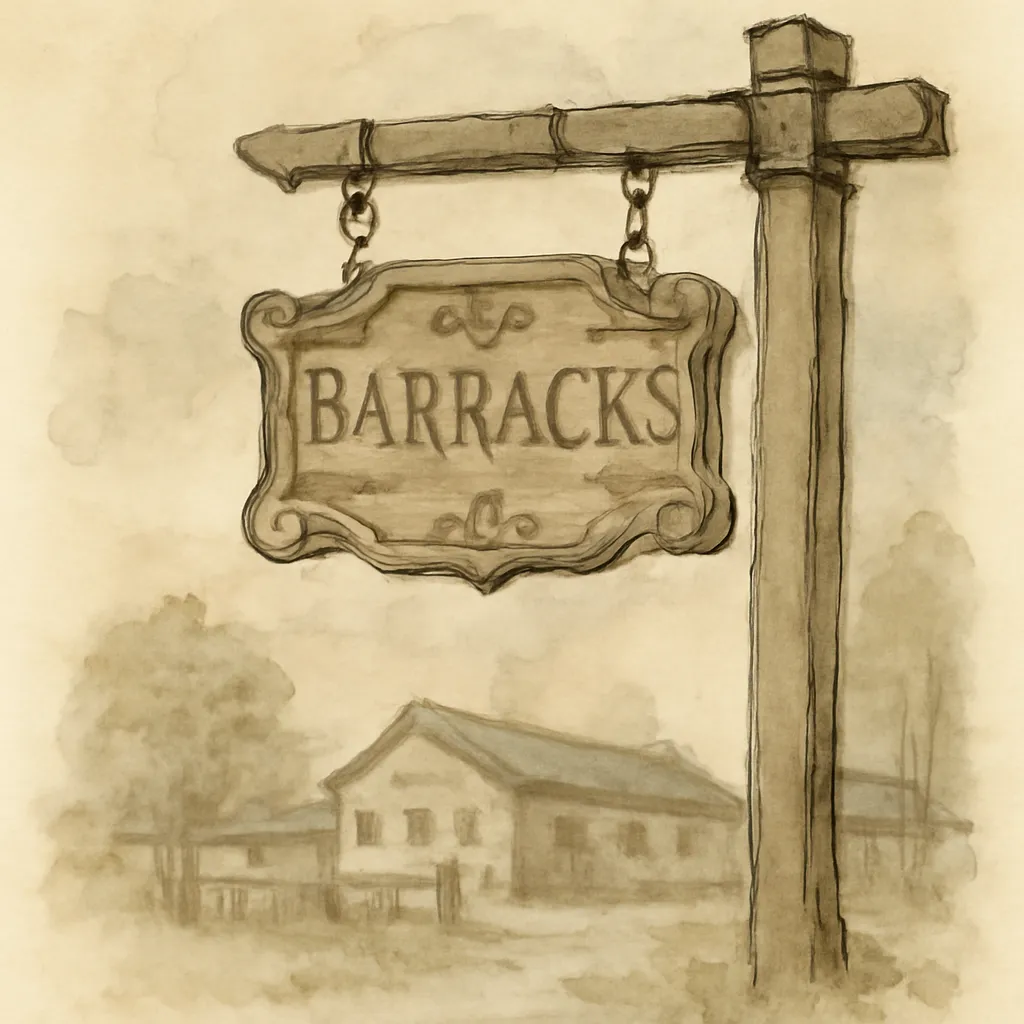
Class distinctions play a vital role in shaping interactions within the garrison, revealing the underlying tensions that govern social dynamics. Major Vigoureux, as a military officer, holds a position of authority that is consistently challenged by the Lord Proprietor's influence, highlighting the precarious nature of social standing. The interactions between officers and enlisted men, particularly Sergeant Archelaus and Treacher, illustrate the disparities in privilege and respect that permeate military life. This exploration of class is further complicated by the presence of women, whose social status often dictates their agency and influence. The novel critiques the rigid class structures that limit personal aspirations, ultimately encouraging readers to consider the impact of social hierarchies on their own lives and relationships. The intricate dance between class and personal ambition invites a deeper understanding of how society shapes individual choices and identities.
8.The Quest for Personal Identity

Major Vigoureux’s journey throughout the narrative serves as a quest for personal identity, as he grapples with his roles as a leader and as a man. The Commandant's internal conflicts are intricately woven into his interactions with Vashti, prompting him to question the values he has upheld and the life choices he has made. His relationship with her serves as a catalyst for self-discovery, pushing him to confront his fears and aspirations. This exploration of identity resonates deeply, as it reflects the universal struggle for self-definition in the face of external pressures. By delving into the nuances of the Commandant’s character, Quiller-Couch invites readers to reflect on their own journeys of identity and the complexities that shape who they are in a world that often imposes rigid expectations. Ultimately, this quest for identity serves as a reminder that one’s sense of self is an evolving narrative shaped by choices, relationships, and the socio-political environment.
9.Nature’s Influence on Human Experience
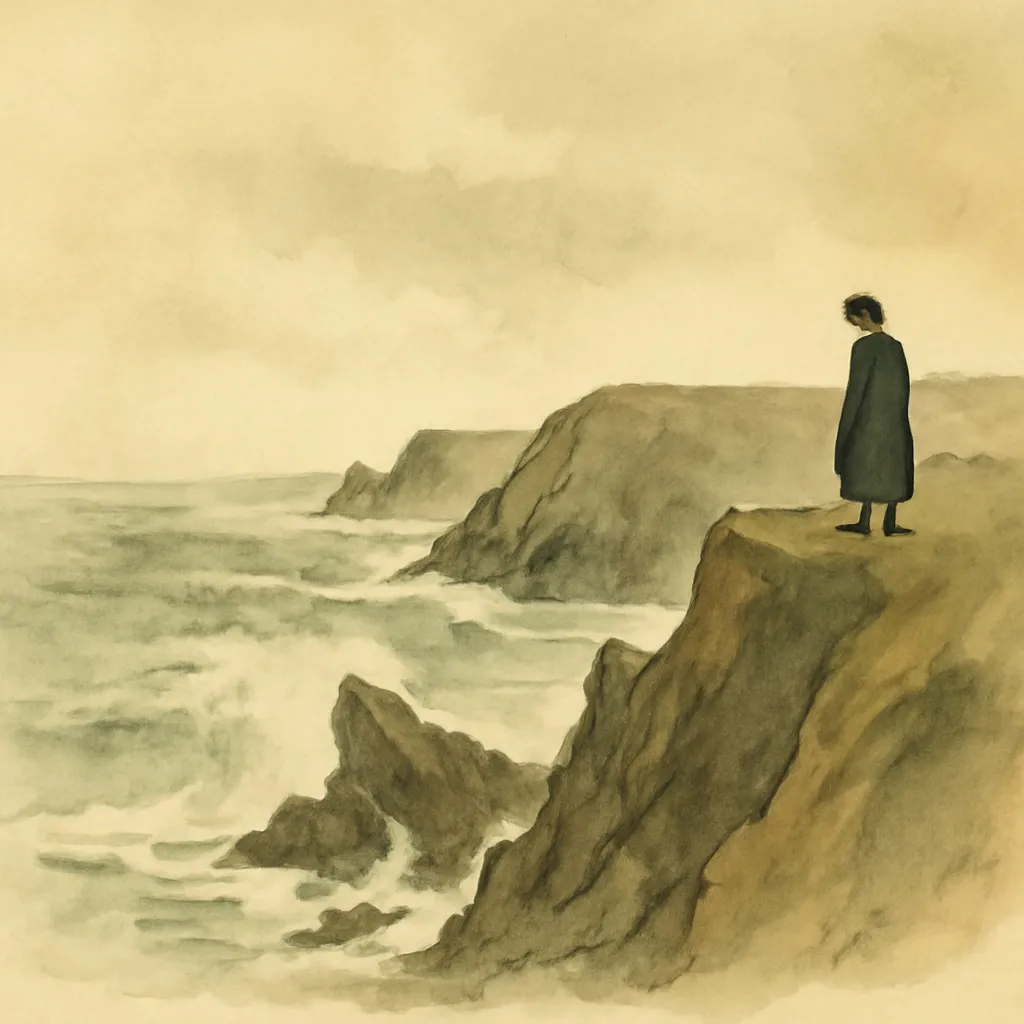
The natural landscape of St. Lide's is not merely a backdrop but integral to the narrative, influencing the lives of the characters profoundly. The rugged beauty of the islands, with their cliffs and turbulent seas, contrasts sharply with the internal struggles faced by the inhabitants. The environment shapes their experiences, offering both a source of solace and a reminder of their isolation. The weather, particularly the fog and storms, serves as a reflection of the characters' emotional states, amplifying their feelings of despair, longing, and hope. This connection between nature and human experience enhances the narrative’s thematic depth, encouraging readers to consider the ways in which our surroundings shape our lives and emotional landscapes. Quiller-Couch's vivid descriptions of the landscape invite readers to engage with the setting as a character in its own right, symbolizing the ever-present tension between human aspirations and the uncontrollable forces of nature.
10.The Ripple Effects of Choices

Throughout 'Major Vigoureux,' the theme of choices and their consequences is explored deeply, with characters grappling with the repercussions of their actions. Major Vigoureux’s decisions, whether regarding his relationship with Vashti or his responsibilities as a leader, send ripples throughout the garrison, impacting not only his life but the lives of those around him. The narrative adeptly illustrates how seemingly small choices can lead to significant outcomes, often in unforeseen ways. For example, the Commandant’s initial reluctance to engage with Vashti leads to a series of missed opportunities that weigh heavily on him as the story unfolds. This exploration of choice encourages readers to reflect on their own lives, considering how their decisions shape their realities and relationships. The weight of responsibility is a constant reminder that every choice carries the potential for both fulfillment and regret, prompting a deeper contemplation of the nature of agency and the interconnectedness of human experiences.