1.The Power of First Love
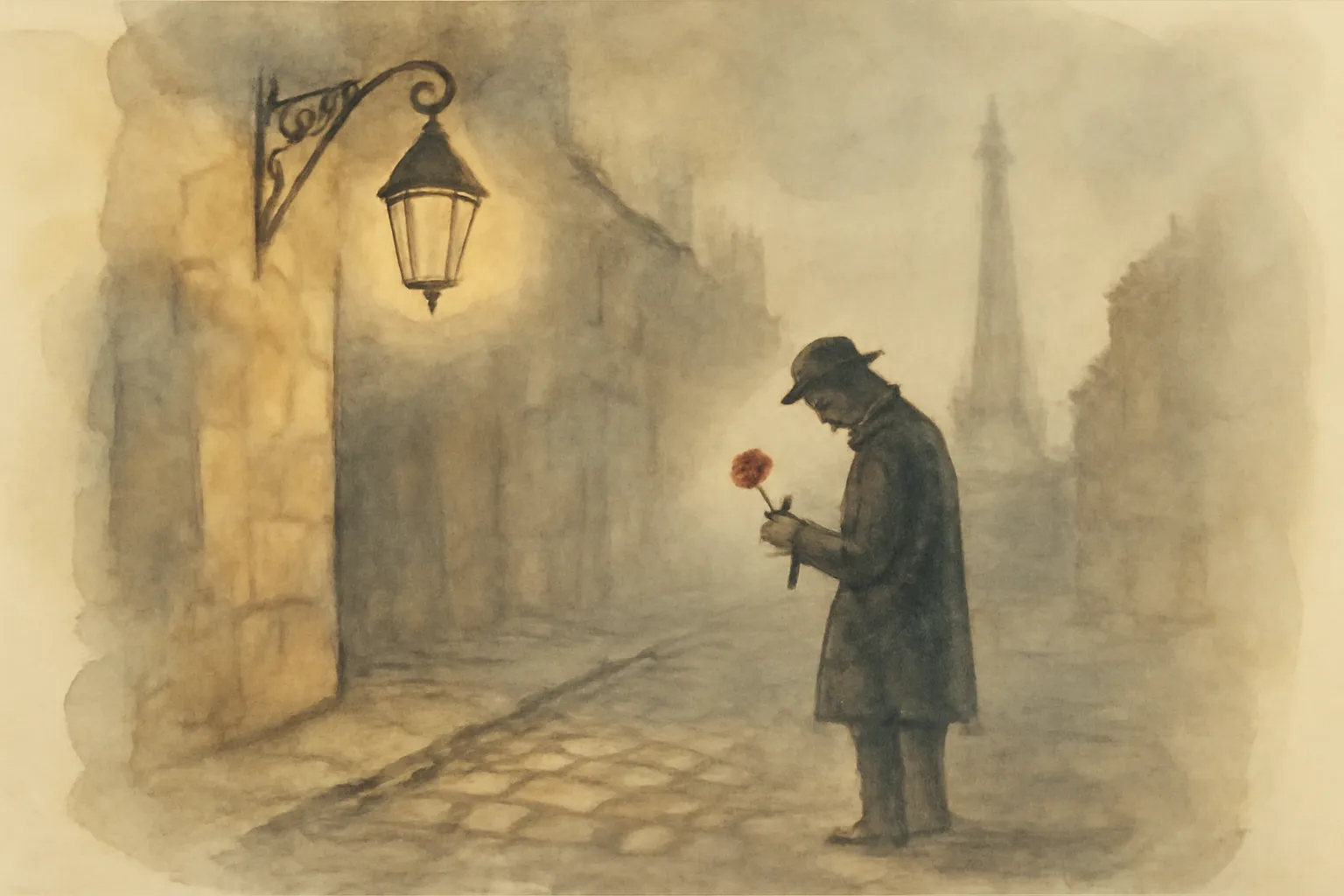
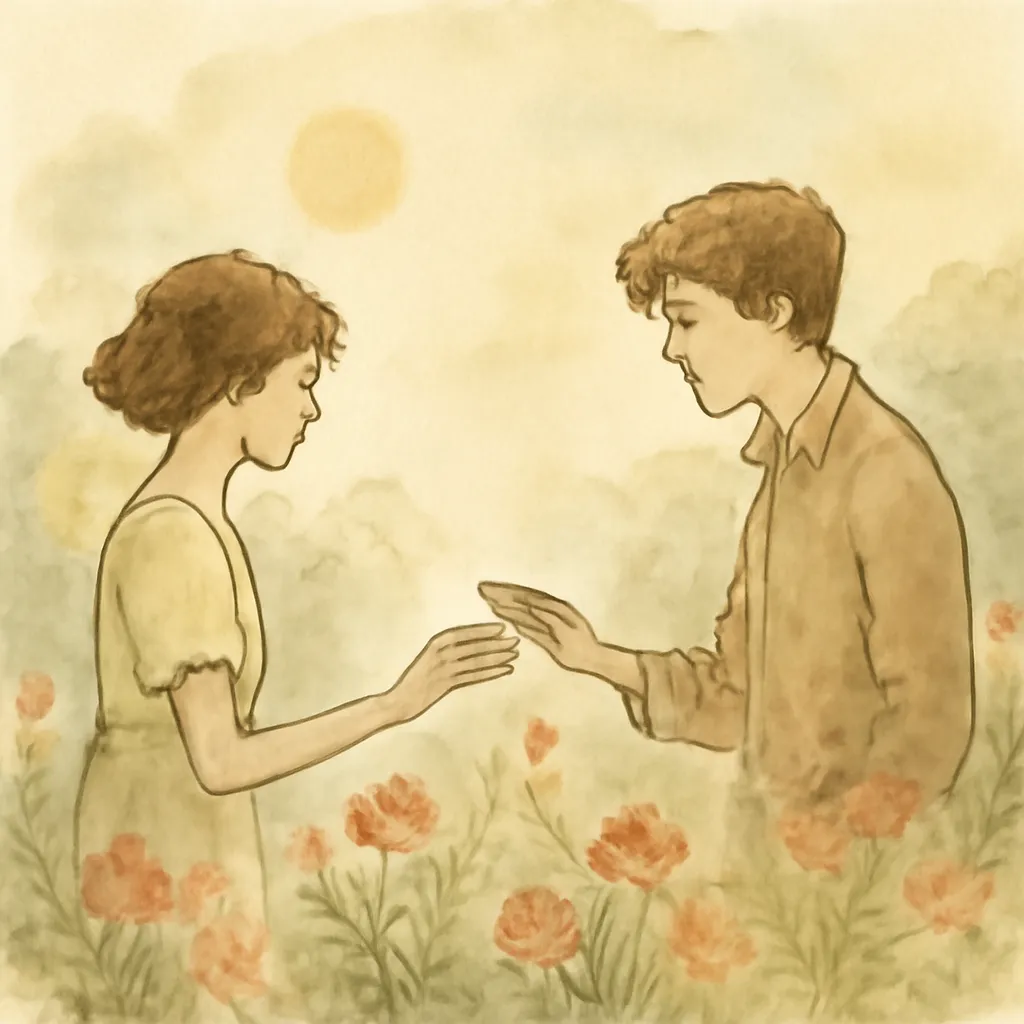
The story begins with the Chevalier des Grieux, a model student, who is poised for a respectable future. However, everything changes when he first encounters Manon Lescaut, a beautiful young woman destined for a life of pleasure and heartache. This initial meeting ignites a passionate love that blinds des Grieux to the realities of their circumstances. His infatuation leads him to forsake his studies and family, demonstrating how first love can be both intoxicating and destructive. Prévost illustrates that first love is often characterized by an overwhelming sense of devotion that can cloud judgment, compelling individuals to abandon their obligations for the sake of fleeting emotions. This theme resonates universally, as many readers will recall their own experiences of youthful passion leading to reckless decisions. Manon's allure captivates des Grieux, highlighting the power of attraction and the way it can derail the path of a promising life.
2.Societal Constraints and Personal Freedom
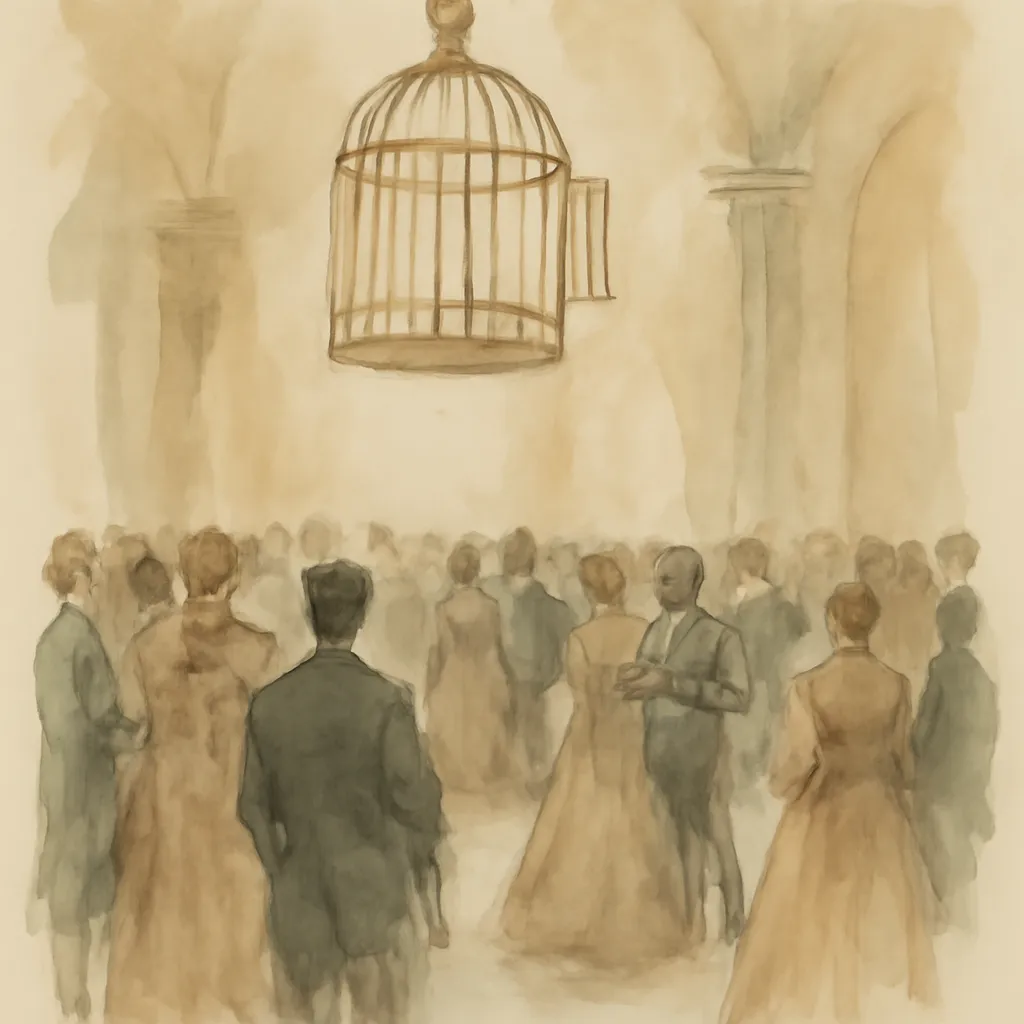
Des Grieux's love for Manon exists within the constraints of society, where class and reputation dictate the course of one’s life. Despite his noble birth, des Grieux finds himself at odds with societal expectations as he chooses love over duty. Manon, on the other hand, is portrayed as a product of her environment—a woman caught between her desires and the limitations placed upon her by society. Their relationship serves as a critique of the rigid social structures of the time, highlighting how these constraints can suffocate individual freedom and true happiness. Prévost presents a world where societal norms dictate the possibilities for love and fulfillment, often leading individuals to make painful sacrifices. As des Grieux navigates his love for Manon, he grapples with the tension between societal norms and personal fulfillment, ultimately questioning whether true love can exist within the confines of a judgmental society. The struggle against these constraints not only shapes their relationship but also reveals the broader implications of love in a world governed by rules and expectations.
3.The Role of Friendship and Loyalty
Throughout the narrative, the bond between des Grieux and his friend Tiberge plays a crucial role in shaping the protagonist's journey. Tiberge represents the voice of reason, urging des Grieux to reconsider his reckless choices. Their friendship is tested as des Grieux plunges deeper into his passionate affair with Manon, showcasing the complexities of loyalty in the face of personal desires. Tiberge's unwavering support highlights the theme of friendship as both a source of strength and a potential source of guilt, as des Grieux's actions increasingly distance him from his friend. The tension between loyalty to friendship and loyalty to love prompts des Grieux to reflect on his priorities, raising questions about the nature of true friendship. As Tiberge warns des Grieux of the dangers of his infatuation, the contrasting perspectives of the two friends illuminate the multifaceted nature of love and the sacrifices that often accompany it.
4.The Consequences of Desire
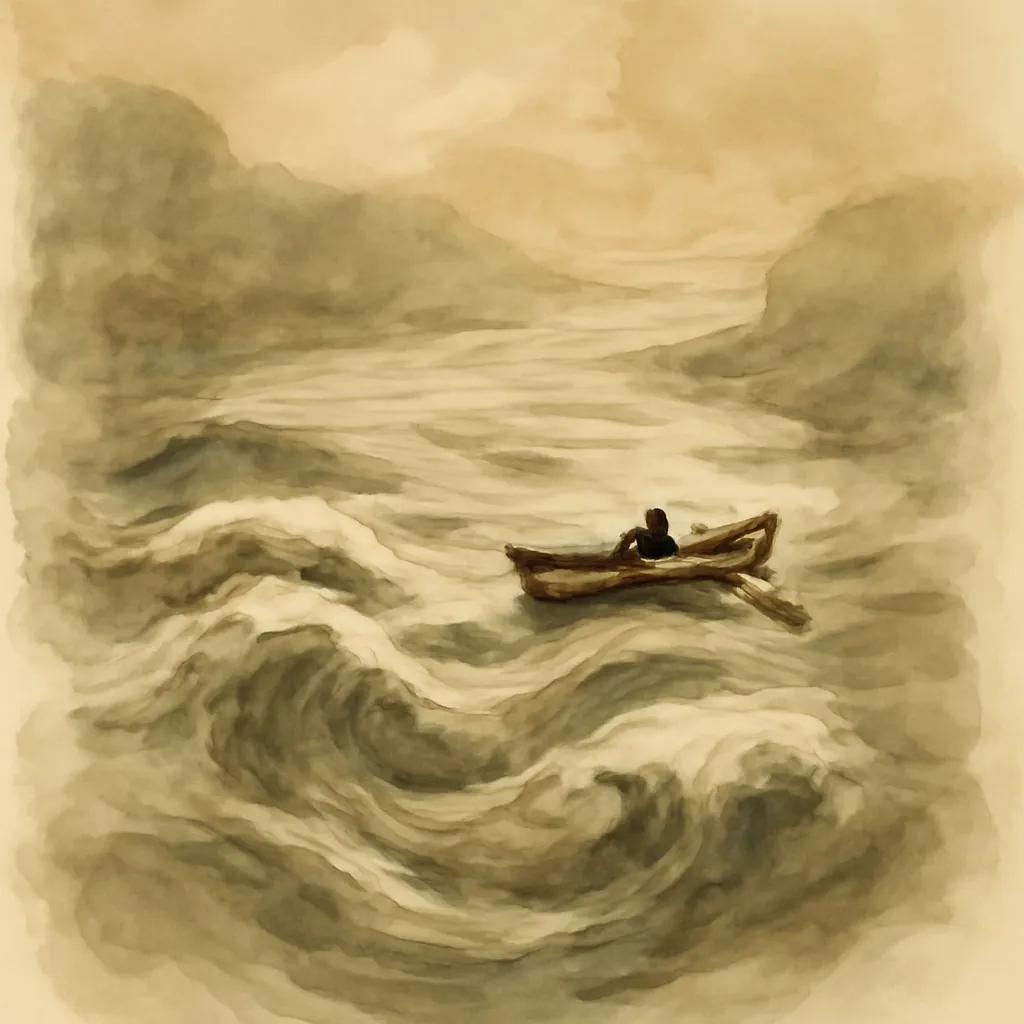
Des Grieux’s overwhelming passion for Manon leads him down a path filled with consequences, both immediate and far-reaching. As they attempt to escape the societal constraints that bind them, they encounter a series of misfortunes that test the limits of their love. The narrative illustrates how desire, when unchecked, can lead to a spiral of moral degradation and suffering. Each decision des Grieux makes in pursuit of Manon—whether it be abandoning his family, engaging in deceit, or risking his safety—carries a weight that ultimately shapes their tragic fate. Prévost’s exploration of desire serves as a cautionary tale, emphasizing that the pursuit of passion can come at a great cost. This relentless pursuit not only leads to personal ruin but also impacts those surrounding them, demonstrating how the consequences of desire can ripple through the lives of many. The narrative forces readers to consider the ethical implications of their desires and the potential fallout from choices made in the throes of passion.
5.The Fragility of Happiness
Moments of joy between des Grieux and Manon are fleeting, often overshadowed by the specter of their circumstances. As they savor brief interludes of happiness, the narrative foreshadows the inevitable collapse of their relationship. Prévost poignantly reveals that true contentment is elusive, particularly for those like des Grieux and Manon, whose lives are dictated by external forces beyond their control. The contrast between their blissful moments and the harsh realities of their lives underscores the fragility of happiness. Each time they find solace in one another, it is tinged with the knowledge that such moments are transitory, creating a sense of impending doom. This theme resonates with readers who understand that happiness is often ephemeral and that the pursuit of love is fraught with uncertainty. The fragility of their happiness becomes a central theme, compelling readers to reflect on the nature of joy and its often temporary nature.
6.Love and Betrayal

Manon’s character embodies the duality of love and betrayal, as she oscillates between genuine affection for des Grieux and the survival instincts that lead her to make questionable choices. Her actions often betray the trust des Grieux places in her, creating a cycle of heartache that complicates their relationship. Prévost’s portrayal of Manon reveals the complexities of human emotion, as love can be intertwined with self-interest. This duality creates a compelling tension within the narrative, as des Grieux grapples with his unwavering love for Manon while facing the reality of her betrayals. The theme of betrayal serves as a reminder that love is not always pure, and that the heart can be a battleground for conflicting desires. Manon's choices, driven by her circumstances, force des Grieux to confront the painful reality that love can sometimes lead to betrayal, complicating the very essence of their connection. This exploration of betrayal fosters a deeper understanding of the intricacies of love, illustrating how it can be both a source of strength and a cause of profound pain.
7.The Impact of Fate
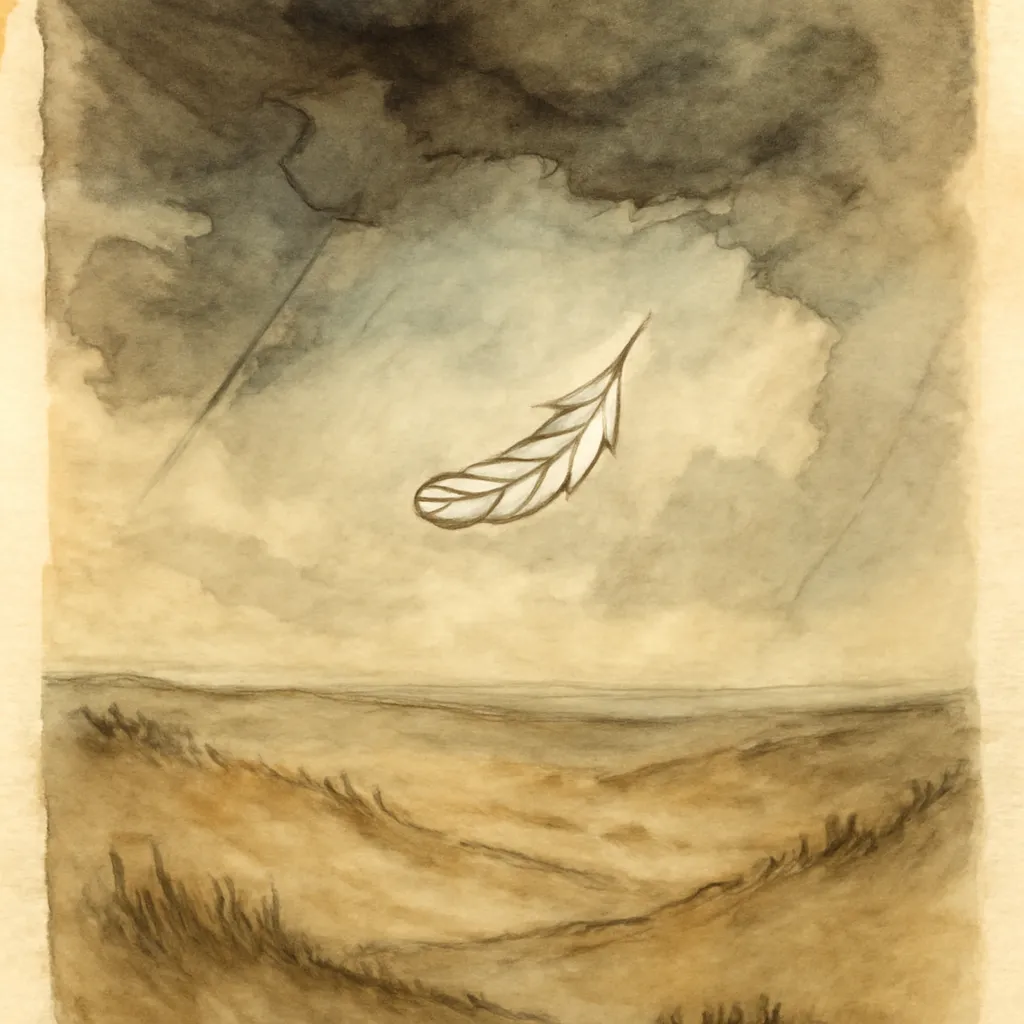
Fate plays an omnipresent role in 'Manon Lescaut,' guiding the characters through a series of events that seem predetermined. Des Grieux and Manon’s attempts to forge their own path are continually thwarted by external forces, suggesting that their destinies are beyond their control. Prévost masterfully weaves the theme of fate throughout the narrative, illustrating how the characters' choices are often met with dire consequences that reflect the whims of fortune. This fatalistic perspective prompts readers to consider the extent to which individuals can shape their own destinies, raising poignant questions about free will and the nature of existence. The interplay between fate and choice becomes central to understanding des Grieux and Manon's tragic outcomes, as their passionate pursuits are often met with cruel twists of fortune. Prévost's portrayal of fate serves to remind readers that in the grand tapestry of life, personal agency may be undermined by forces beyond one's comprehension, leaving them to grapple with the consequences of their desires.
8.The Illusion of Freedom
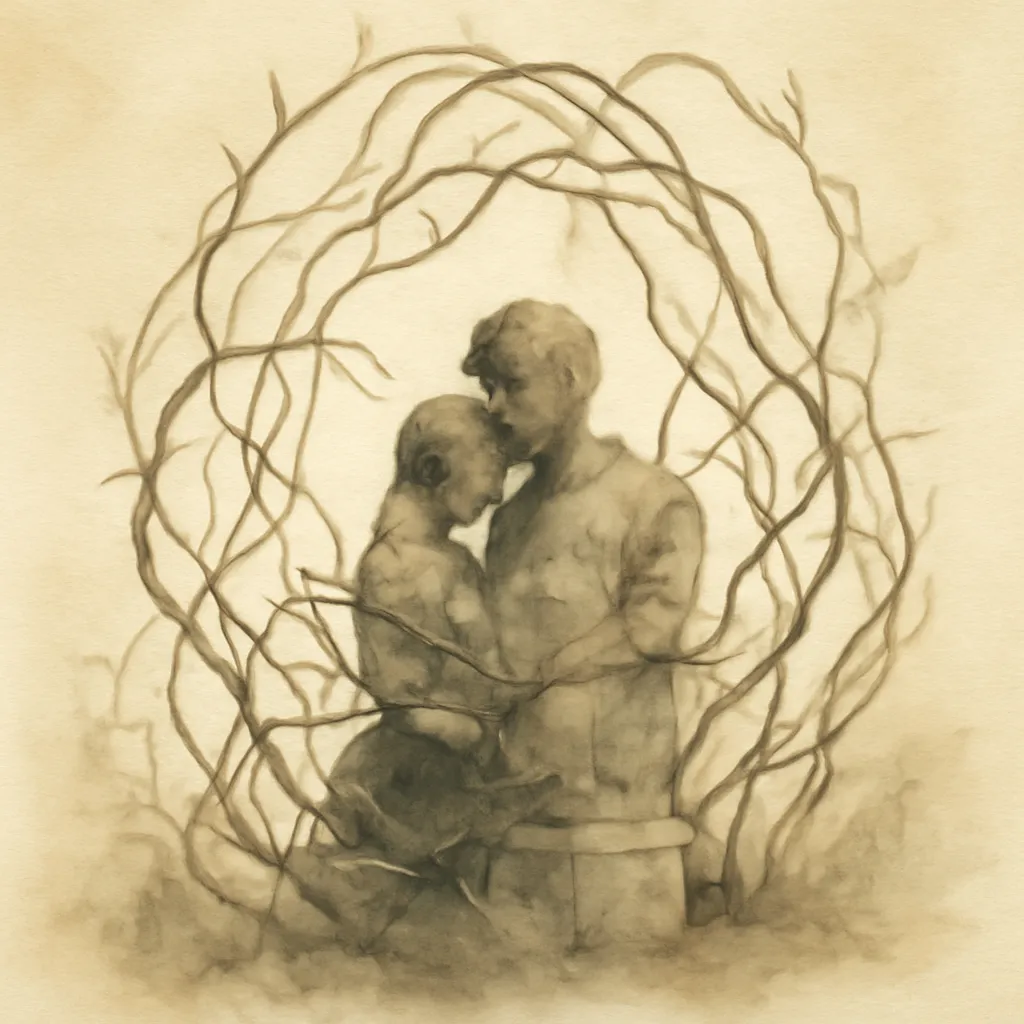
As des Grieux and Manon navigate their tumultuous relationship, the notion of freedom becomes increasingly complex. While they seek to escape the confines of society and pursue their love, they find themselves trapped in a cycle of dependency and despair. Their attempts at freedom often lead to further entrapment, illustrating the paradox of seeking liberation through love. Prévost explores the idea that true freedom is often an illusion, particularly for those ensnared by passion and desire. As des Grieux becomes more entangled in his love for Manon, he realizes that the very pursuit of freedom can lead to a deeper sense of bondage. This exploration of freedom and its constraints challenges readers to consider the true nature of liberation, questioning whether one can ever be truly free while shackled by the powerful forces of love and desire. The characters’ struggles illuminate the complexity of love, revealing that the pursuit of happiness can sometimes lead to a loss of autonomy.
9.The Nature of Sacrifice
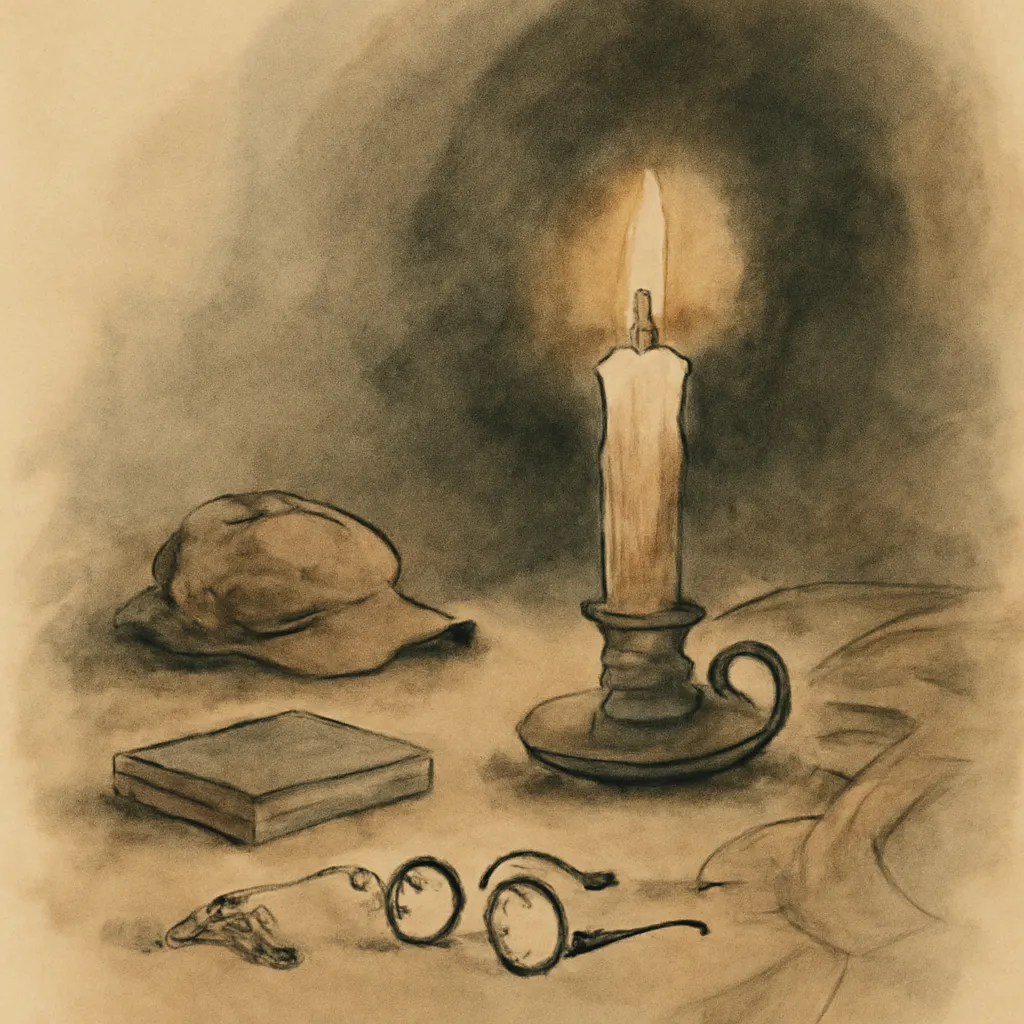
Sacrifice is a recurring theme in 'Manon Lescaut,' as des Grieux is continually faced with the dilemma of what he is willing to give up for love. His devotion to Manon compels him to make significant sacrifices, including his reputation, wealth, and eventually his own happiness. These sacrifices illustrate the lengths to which individuals will go for love, raising questions about the value of such devotion. Prévost examines the dual nature of sacrifice, portraying it as both noble and potentially self-destructive. Each sacrifice des Grieux makes is both a testament to his love for Manon and a step towards his own downfall. The nature of sacrifice in the narrative prompts readers to reflect on the cost of love and the moral implications of devotion. As des Grieux grapples with the consequences of his sacrifices, the story reveals that love often demands a price, compelling individuals to confront the essence of their commitments and the sacrifices that accompany them.
10.The Tragic Conclusion
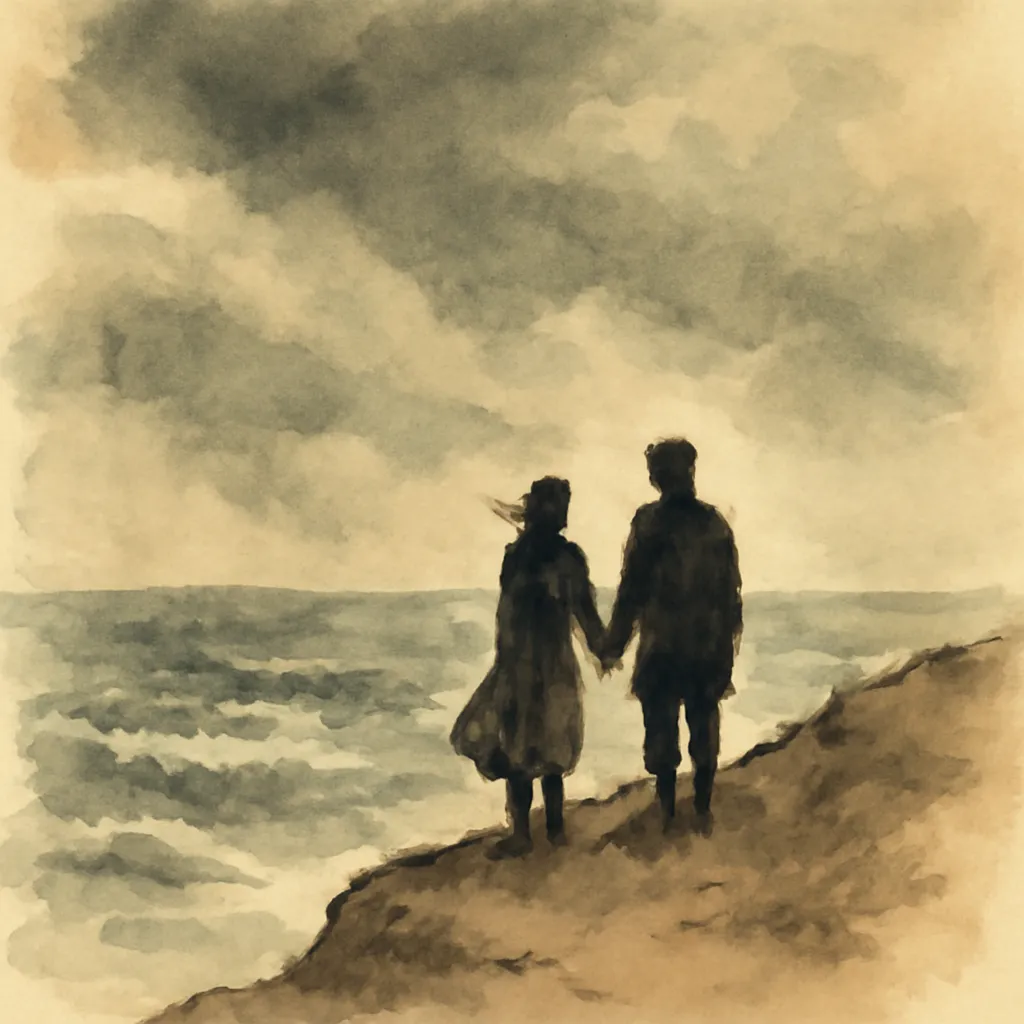
The story culminates in a heart-wrenching conclusion that encapsulates the tragic nature of des Grieux and Manon's love. Their journey, marked by passion, betrayal, and despair, leads them to a final reckoning with their choices and the forces that have shaped their lives. The devastating outcome serves as a poignant reminder of the fragility of love and the inevitability of loss. Prévost’s narrative ultimately leaves readers with a profound understanding of the human condition, where love can bring both immense joy and unbearable pain. The tragic conclusion not only underscores the themes of the novel but also resonates with the universal experiences of love, loss, and the relentless passage of time. As des Grieux faces the consequences of his choices, the narrative invites readers to contemplate the nature of fate and the inevitability of suffering that often accompanies passionate love. The conclusion serves as a testament to the complexities of human emotion, leaving readers with a lingering sense of the bittersweet nature of love.