1.Reimagining a Literary Absence
Geraldine Brooks takes the shadowy figure of Mr. March from Little Women and transforms him into a fully realized protagonist. By doing so, she not only fills the narrative gap left by Louisa May Alcott but also explores how absence and silence can shape a family. March’s journey reveals the cost of ideals and the personal toll of being both a husband and a father who is physically and emotionally distant.
2.The Corrosive Power of War
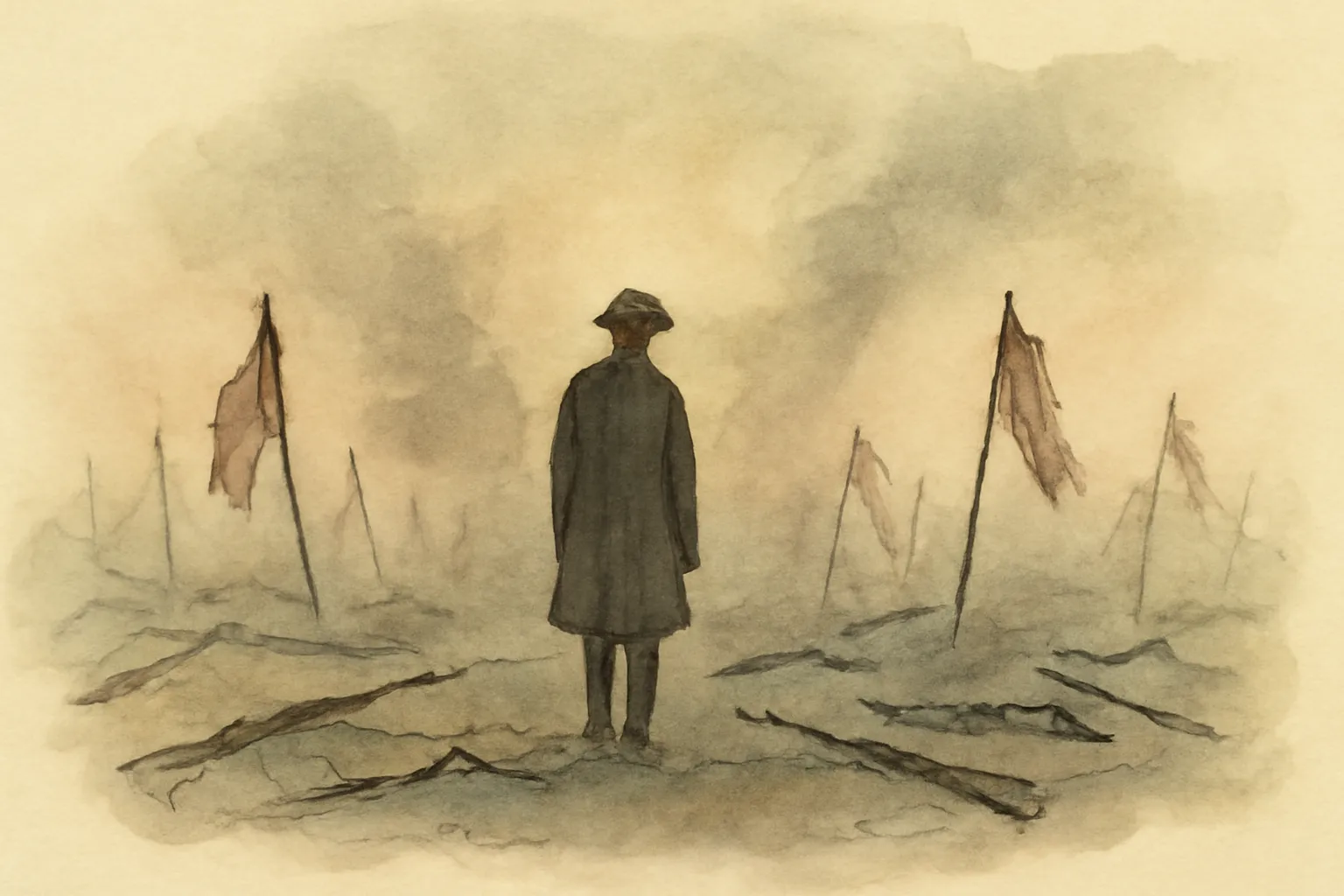
March is a meditation on the psychological and moral devastation wrought by the Civil War. Through March’s eyes, readers witness the brutality, confusion, and ethical dilemmas of battle—not just on the field, but in the soul. Brooks shows how war can erode even the most ardent convictions, forcing individuals to confront their own capacity for compromise, guilt, and survival.
3.Idealism Versus Reality
The novel interrogates the tension between idealism and the harsh realities of life. March enters the war as a fervent abolitionist and Transcendentalist, but his experiences force him to question the limits of moral purity. Brooks deftly illustrates how ideals are tested—and often altered—by circumstance, and how clinging to them can both uplift and destroy.
4.Marriage Under Strain
Brooks delves into the emotional landscape of marriage, particularly when tested by distance, trauma, and secrets. The relationship between March and Marmee is rendered with nuance, showing how love can be both a source of strength and a battleground. Their story is a reminder that personal relationships are often as fraught and consequential as historical events.
5.Race, Slavery, and Moral Complicity
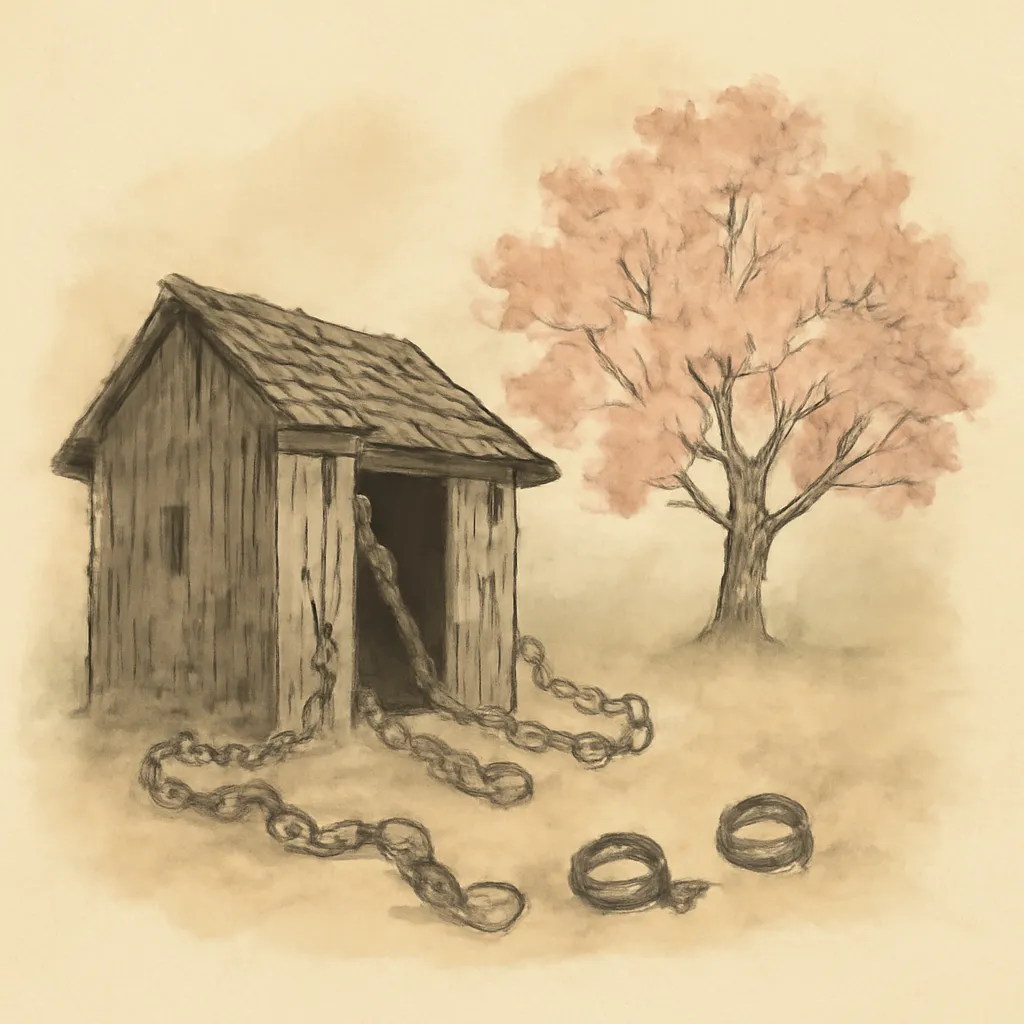
March confronts the realities of slavery and racism, not as distant evils but as immediate and personal horrors. The novel refuses to let its protagonist—or its readers—off the hook, instead probing the ways in which even well-intentioned Northerners were implicated in the systems they opposed. Brooks uses March’s encounters to challenge simplistic notions of good and evil, heroism and guilt.
6.The Unreliability of Memory and Narrative
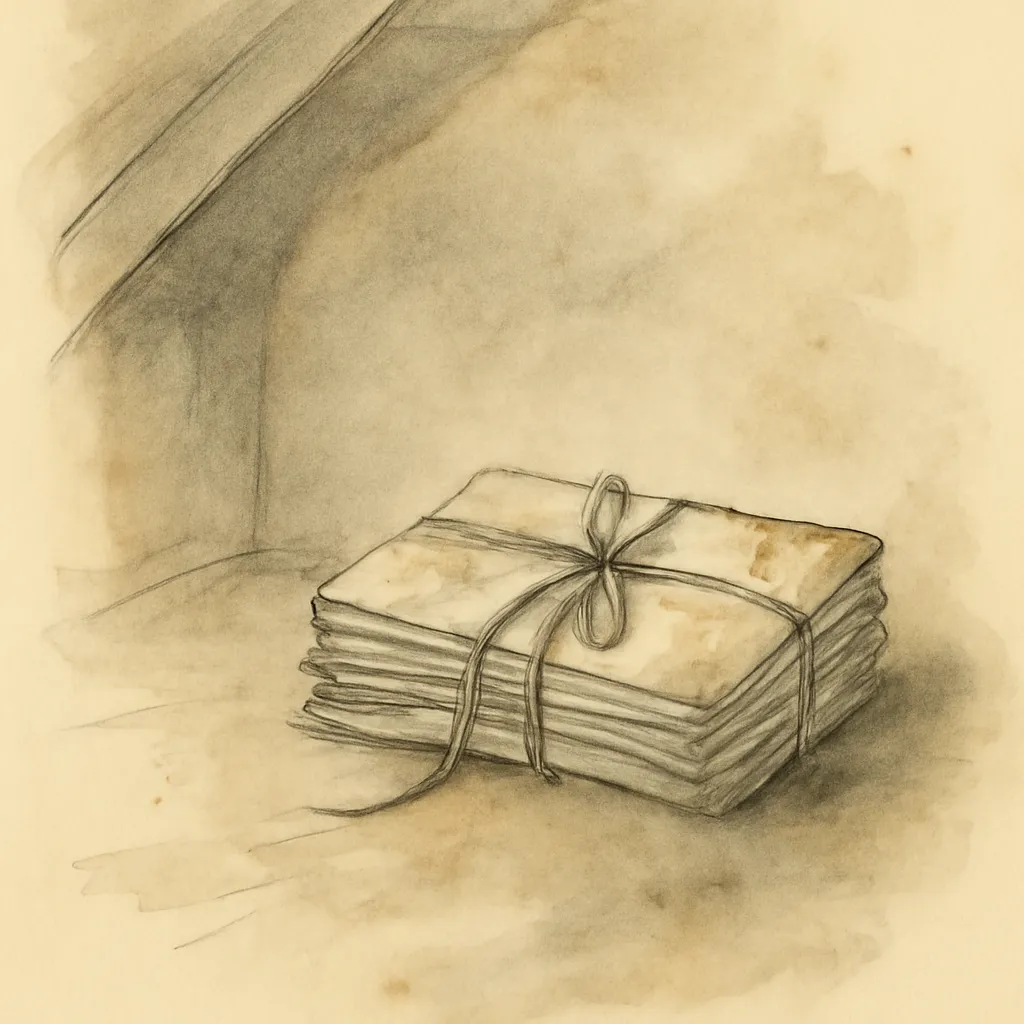
Brooks plays with the idea that personal and historical narratives are always incomplete, shaped by memory, omission, and self-justification. March’s letters home are carefully curated, masking the full truth of his experiences. This invites readers to question the stories we tell ourselves and others, and to consider the costs of both honesty and silence.