1.The Historical Context of Conflict

Margaret of Anjou's life was intricately tied to two major conflicts: the Wars of the Roses and the ongoing battles between England and France. The Wars of the Roses stemmed from a deep-seated dispute over the English throne between the houses of York and Lancaster, fueled by competing claims and the ambitions of powerful nobles. Abbott emphasizes how these internal strifes reflected not only the ambitions of noble families but also the broader social turmoil that gripped England. At the same time, the Hundred Years' War with France created an external pressure that further complicated governance in England. This duality of conflict illustrates the precariousness of Margaret's position; as a representative of the Lancastrian claim, she was embroiled in a battle for survival on multiple fronts. Her narrative is not just a story of a queen but a window into an era of relentless upheaval that shaped English history profoundly. The resulting chaos forced Margaret to take an active role in both politics and military strategy, leading to her eventual transformation into a leader of considerable influence.
2.Margaret's Formative Years
Margaret was born into the noble family of Anjou, the daughter of King René, which afforded her a rich background in aristocratic culture and political ambition. Her early life was marked by expectations, as she was groomed for a significant role in European politics. Abbott details her upbringing, which included exposure to the intricate dynamics of court life and the values of chivalry, reinforcing the ideals that would influence her actions as queen. Her marriage to Henry VI at a young age was a calculated political alliance intended to strengthen the Lancastrian claim to the English throne. This union was not only a personal bond but also a strategic maneuver within the larger context of Anglo-French relations, reflecting the importance of marriage alliances among the nobility. The narrative reveals how these formative experiences equipped Margaret with the skills necessary to navigate the complex political landscape that awaited her. The contrast between her sheltered upbringing and the brutal realities of power she would soon face underscores the dramatic shifts that defined her life.
3.The Role of Women in Power

Margaret of Anjou represents a significant figure in a time when women were often relegated to subservient roles. Yet, she transcended these limitations by becoming an influential political player in her own right. Abbott explores how her marriage to Henry VI allowed her to assert influence in governance, challenging the prevailing norms of her time. Margaret's keen intellect and political savvy enabled her to form strategic alliances and engage in diplomatic negotiations, showcasing her capacity for leadership. Unlike many women of her time, who were often confined to domestic responsibilities, Margaret took on the mantle of authority, shaping the course of events in England. This portrayal of Margaret challenges traditional narratives that depict women as passive figures in history, instead highlighting how they could wield power and agency within patriarchal societies. By examining her actions, Abbott reveals the complexities of female leadership and the societal structures that both supported and hindered women in positions of authority.
4.Court Intrigues and Alliances

Upon her arrival in England, Margaret was immediately enmeshed in a web of court intrigues, with rival factions vying for control of the young king. Abbott highlights the intense political maneuvering that characterized the English court, as Margaret navigated the complex relationships with figures like the Duke of Gloucester and Cardinal Beaufort. The rivalry between these powerful nobles created an environment rife with suspicion and hostility, forcing Margaret to employ her diplomatic skills to maintain her position. She cultivated alliances with her supporters, particularly the Earl of Suffolk, while managing her adversaries with care. The narrative illustrates how Margaret deftly maneuvered through this treacherous political landscape, balancing personal relationships with the broader imperatives of statecraft. Her ability to navigate such intrigues is a testament to her resilience and understanding of the ruthless nature of power. Abbott's depiction reveals the strategic thinking required to survive in a court where loyalty was often fleeting and alliances could shift overnight.
5.The Burden of Leadership

As queen, Margaret bore the immense responsibility of leadership during a time of national crisis. Abbott depicts her as a figure of resilience, striving to stabilize her husband's reign amidst rising tensions and opposition. The narrative illustrates the challenges she faced as internal conflicts threatened to engulf the realm, pushing her into a more active political role. Margaret's steadfast commitment to her husband's legacy required her to take on a more prominent position in governance, often at great personal risk. The emotional toll of leadership is palpable as Margaret grappled with the weight of her responsibilities and the expectations placed upon her. As she sought to secure her family's position, she became a symbol of hope for her supporters while also facing backlash from her adversaries. This exploration of the burdens of leadership underscores the complexities of power and the sacrifices made by those in positions of authority. Ultimately, Abbott illustrates that true leadership is often accompanied by profound personal sacrifice and moral ambiguity.
6.Margaret's Military Prowess
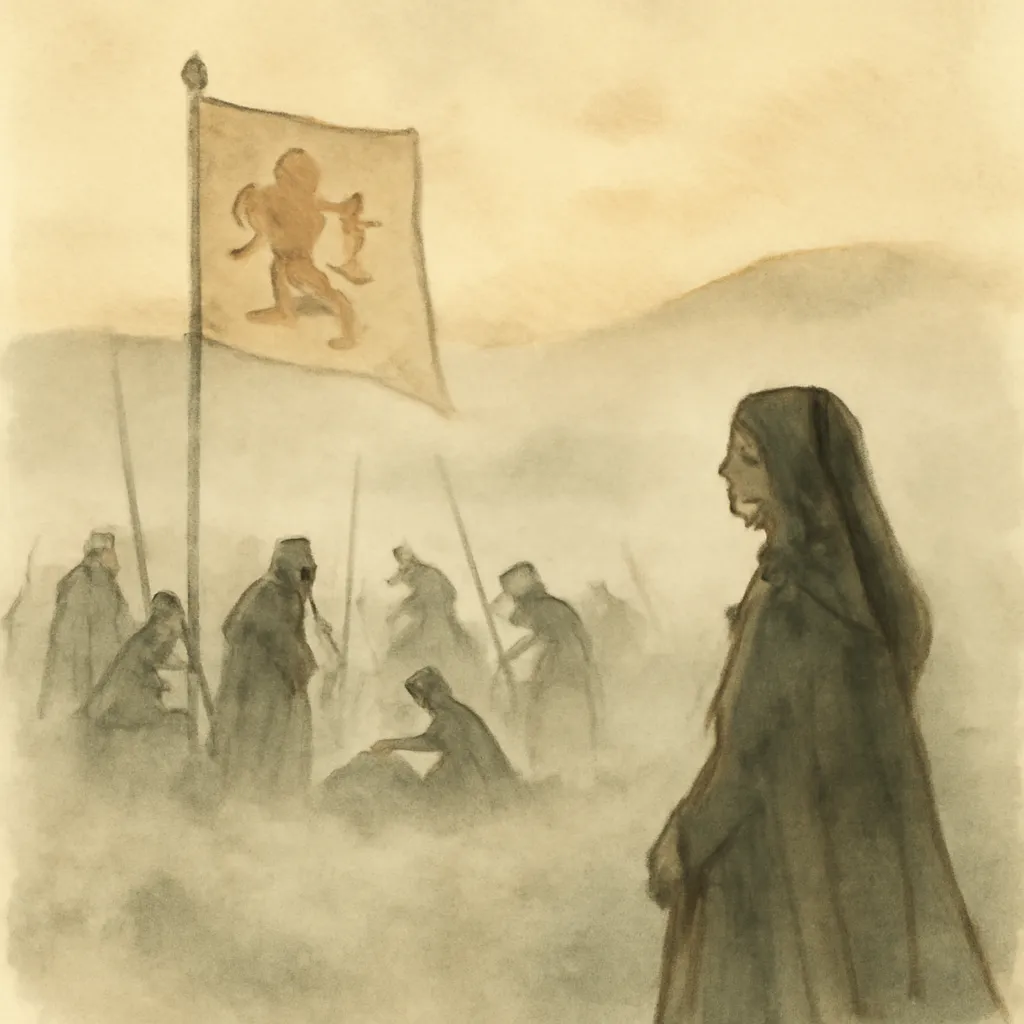
Margaret of Anjou was not only a political figure but also a formidable military leader in her own right. Abbott details her involvement in key battles where she took command of troops and organized military campaigns to defend her husband's reign against Yorkist forces. Her strategic decisions in the field illustrated her ability to inspire loyalty among her soldiers and secure vital victories. Margaret's military leadership challenged contemporary gender norms, as women were typically expected to remain passive in matters of warfare. This aspect of her character showcases her determination to defy expectations, proving that she could command respect and authority in a male-dominated environment. Abbott emphasizes how these military endeavors solidified her reputation as a queen willing to fight for her family and their claims, highlighting the dual roles she played as both a ruler and a warrior. The narrative demonstrates that Margaret was not simply a figurehead; she actively participated in the defense of her husband's realm, adapting her strategies to changing circumstances on the battlefield.
7.The Perils of Ambition

Margaret's rise to power was fraught with danger, as her ambition often led to tragic consequences. Abbott explores how her desire to secure her family's legacy resulted in ruthless political maneuvers, including the elimination of potential threats. Significant events, such as the death of the Duke of Gloucester and the downfall of the Yorkist faction, illustrate the lengths to which Margaret was willing to go to protect her interests. However, these actions also highlight the moral complexities of ambition, as the quest for power can lead individuals to make devastating choices. While Margaret's intentions may have been rooted in loyalty to her husband and her son, the consequences of her ambition often had a far-reaching impact, creating a legacy marked by violence and division. This exploration of ambition serves as a reminder of the darker aspects of power and the moral dilemmas faced by those who pursue it. Abbott urges readers to consider how ambition, when unchecked, can lead to catastrophic outcomes, not only for individuals but for entire nations.
8.The Impact of Personal Loss

Throughout her tumultuous life, Margaret endured profound personal losses that shaped her resolve and character. The death of her husband, Henry VI, marked a pivotal moment in her life, plunging her into despair and uncertainty about the future. Abbott captures the emotional weight of this loss, detailing how it impacted her mental state and her subsequent actions. With the crown now in jeopardy, Margaret's grief fueled her determination to reclaim her family's position and protect her child from the dangers of political machinations. The narrative showcases how personal tragedy can catalyze resilience, driving individuals to confront overwhelming challenges. Margaret's story underscores the interconnectedness of personal and political struggles, illustrating how her experiences of loss informed her relentless pursuit to maintain her family's legacy. Abbott effectively conveys that personal grief, while debilitating, can also serve as a powerful motivator for action and survival.
9.The Legacy of a Queen

Margaret of Anjou's legacy is multifaceted, marked by her achievements and her failures. Abbott emphasizes how her life reflects the turbulent history of England during the Wars of the Roses, with her actions leaving an indelible mark on the political landscape. Despite ultimately facing exile and being rendered a tragic figure, Margaret's fierce determination and political acumen have earned her a place in history as a queen who fought valiantly for her family's survival. The narrative encourages readers to reconsider traditional portrayals of historical figures, recognizing the complexities that define their legacies. Margaret's story serves as a reminder that history is often shaped by individuals who defy societal expectations and navigate the intricate web of power and ambition, ultimately leaving a lasting impact on their world. Abbott's portrayal inspires reflection on how women's contributions to history can often be overlooked or simplified, urging a deeper understanding of their roles in shaping societal narratives.