1.The Clash of Class and Identity
Martin Eden's journey begins with his stark awareness of the class divide between himself and Ruth Morse, the woman he loves. Initially, Martin is acutely conscious of his rough, unpolished demeanor, which starkly contrasts with the cultured environment of Ruth's family. This awareness shapes his identity and fuels his determination to ascend the social ladder through education and writing. The novel vividly illustrates how class distinctions can confine individuals to certain roles, and how Martin's desire to transcend these boundaries leads him to a painful realization: that societal acceptance often comes at the cost of personal authenticity. London deftly portrays the internal conflict between Martin's true self and the persona he feels compelled to adopt to win Ruth's affection and respect. He embodies the struggle of many individuals caught in the throes of ambition, illustrating how society's rigid structures can stifle genuine self-expression.
2.Love as a Catalyst for Change
Ruth Morse represents not only love but also the ideal of beauty and intellect that Martin aspires to attain. His infatuation with her ignites a profound transformation within him, pushing him to seek knowledge and artistic expression. However, this love is complex; it both inspires and torments him. Martin's perception of Ruth evolves from an object of desire to a symbol of the refined life he yearns for, complicating his feelings as he grapples with the notion that love should not solely be about personal gain. The novel examines the duality of love: it serves as both a motivating force and a source of existential crisis, pushing Martin to confront the depths of his ambition and the authenticity of his feelings. London's portrayal of love is multifaceted, revealing how it can elevate individuals while simultaneously forcing them to confront uncomfortable truths about themselves and their aspirations.
3.The Struggle for Artistic Recognition

Martin's aspiration to become a writer is fraught with challenges that mirror the struggles of many artists. He faces rejection after rejection from literary magazines, which reflects the harsh realities of the publishing world. This struggle is not just about finding success; it delves into the artistic process itself, highlighting the frustration and despair that often accompany creative endeavors. London captures the tension between artistic integrity and commercial success, as Martin grapples with the question of whether he should conform to societal expectations or remain true to his artistic vision. His relentless pursuit of recognition becomes a metaphor for the universal quest for validation in a world that often values superficiality over substance. The narrative emphasizes the importance of staying true to one’s artistic voice amidst external pressures, illustrating the challenges many writers face in navigating their identity within the literary landscape.
4.The Burden of Success
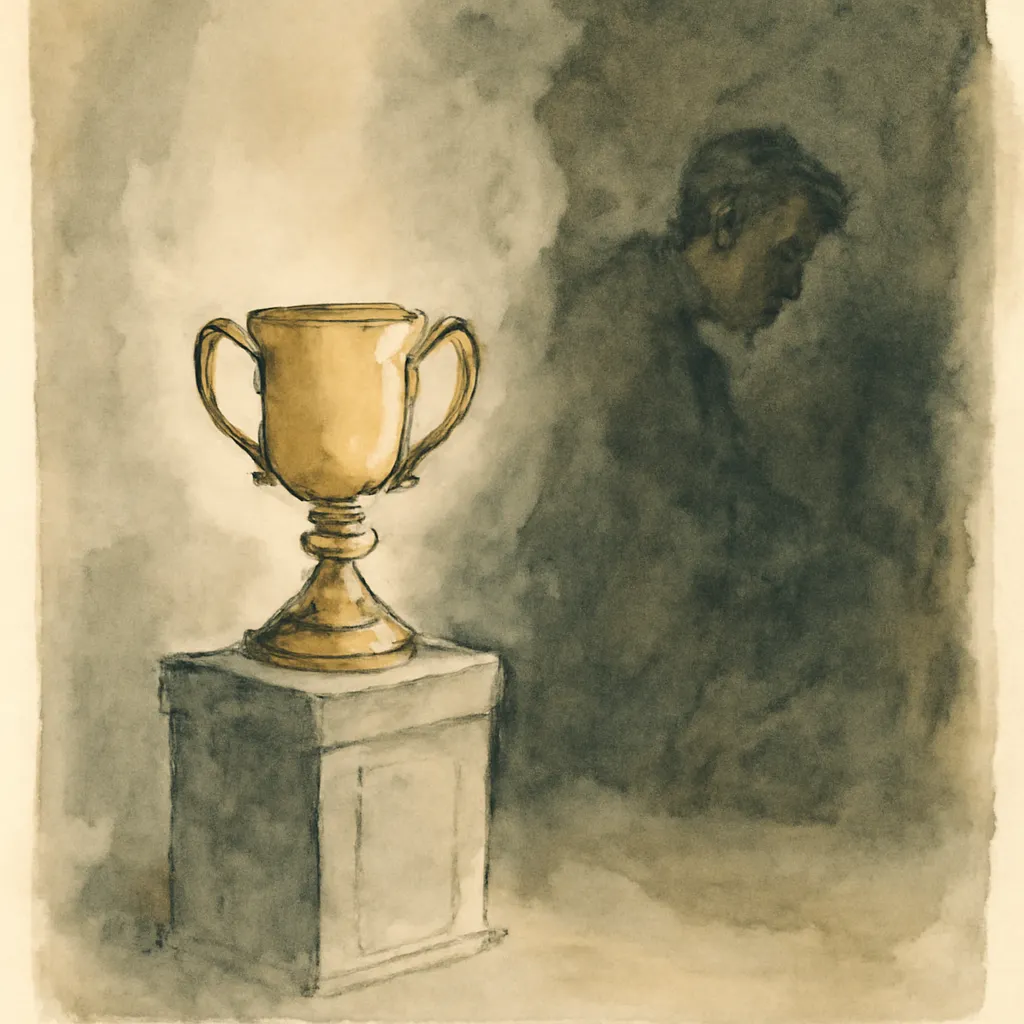
As Martin begins to achieve recognition and success as a writer, he faces the paradox of his ambition. The initial thrill of acceptance transforms into a burden, as he realizes that success does not equate to happiness. London poignantly illustrates how the very achievements Martin fought for can alienate him from his roots and the people he loves. His relationships, particularly with Ruth, become strained as he is pulled deeper into the literary elite, exposing the isolating nature of success. The novel raises critical questions about the cost of ambition: is it worth sacrificing personal connections for professional acclaim? Martin's journey serves as a cautionary tale about the potential emptiness of success when it comes at the expense of genuine human relationships. Through Martin's disillusionment, readers are prompted to reflect on their own definitions of success and the sacrifices they make in pursuit of their dreams.
5.The Role of Education and Self-Improvement
Education is a central theme in 'Martin Eden', representing both a means of escape and a path to self-discovery. Martin's voracious appetite for knowledge propels him from a life of manual labor to one of intellectual pursuit. Through his self-education, he not only seeks to improve his writing but also to understand the world around him. However, London's portrayal of education is nuanced; it does not guarantee success or acceptance. Martin's intellectual growth often leads him to profound insights about society, but it also distances him from his former life and companions. This tension illustrates the complexity of self-improvement: while it can elevate one’s status, it can also create a rift with one’s origins and those who remain tethered to them. The novel suggests that the journey of self-education is fraught with challenges, emphasizing that the pursuit of knowledge is both a liberating and isolating experience.
6.Disillusionment with Society
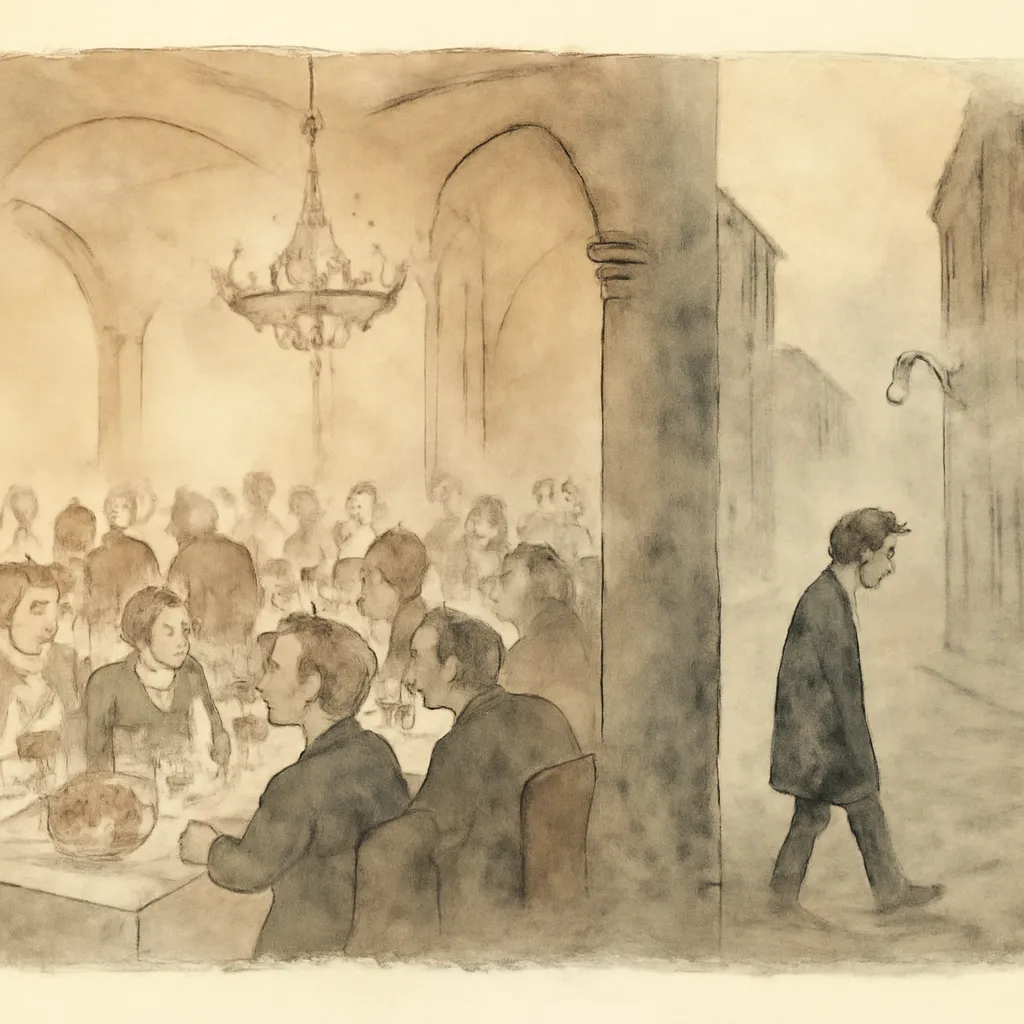
As Martin climbs the social ladder, he becomes increasingly disillusioned with the very society he aspired to join. London critiques the superficial values of the upper class, exposing the hollowness behind their cultured exteriors. Martin's experiences reveal that success and refinement often come with moral compromises and a lack of authenticity. The warmth and love he initially found in Ruth's family contrast sharply with the coldness of social ambition. This disillusionment serves as a turning point for Martin, prompting him to question the true value of his aspirations and the sacrifices he has made to achieve them. The narrative challenges readers to reflect on the societal structures that dictate worth and success, suggesting that true fulfillment may lie outside conventional societal norms. Martin's growing awareness of the limitations of societal acceptance forces him to confront the contradictions between his desires and the realities of his environment.
7.The Search for Authenticity

Martin's journey is ultimately one of searching for authenticity in a world that often prioritizes facade over reality. His initial desire to win Ruth's love drives him to adopt behaviors and attitudes that feel foreign to him, leading to an internal struggle between his true self and the persona he feels he must project. As he navigates the complexities of love, ambition, and societal expectations, Martin grapples with the question of what it means to be genuine in a world rife with pretense. London emphasizes that authenticity is not merely about self-expression but also about staying true to one’s values and beliefs, even in the face of societal pressure. This quest for authenticity becomes a guiding principle for Martin, influencing his choices and relationships as he seeks to reconcile his identity with his aspirations. Ultimately, the novel suggests that the pursuit of authenticity is a challenging yet essential aspect of the human experience, one that requires courage and self-reflection.
8.The Tragedy of Isolation

As Martin achieves literary success, he finds himself increasingly isolated from the people and experiences that once grounded him. The more he rises in the literary world, the more he distances himself from his former life and the love of Ruth. London poignantly captures this tragedy of isolation, illustrating how ambition can lead to alienation from one’s roots. Martin’s success comes with a heavy price, as he loses touch with the very essence of what inspired him to write in the first place. This isolation serves as a reminder of the importance of community and connection, raising questions about the sacrifices one makes in the pursuit of greatness. The narrative ultimately warns against the dangers of prioritizing success at the expense of meaningful relationships and highlights the emotional toll of disconnection. Through Martin’s journey, London emphasizes that true fulfillment comes not only from personal achievements but also from the bonds we forge with others.
9.The Complexity of Human Relationships

Martin Eden's relationships, particularly with Ruth, are central to the narrative and illustrate the complexities of human connection. Initially, Martin's love for Ruth inspires him to pursue a better life, yet as he rises in status, their relationship becomes strained. London explores the nuances of love, ambition, and societal expectations, highlighting how external pressures can complicate personal relationships. The evolution of Martin and Ruth's connection serves as a microcosm of the broader societal dynamics at play, revealing how class and ambition can shape and sometimes fracture intimate bonds. Through their interactions, the novel examines the delicate balance between love and ambition, emphasizing that true connection requires understanding and compromise. The narrative challenges readers to consider how societal expectations can influence personal relationships, ultimately asking whether love can withstand the pressures of ambition and class disparity.
10.The Consequences of Unfulfilled Dreams
Martin Eden ultimately confronts the harsh reality of unfulfilled dreams. Despite his relentless pursuit of success and love, he faces the stark truth that achieving one's goals does not guarantee happiness. The novel culminates in a profound sense of loss and despair, as Martin grapples with the realization that his dreams may never fully materialize. London poignantly captures this sentiment, illustrating the emotional toll of ambition and the often-unforgiving nature of reality. Martin's journey serves as a reminder that the pursuit of dreams can be fraught with challenges, and that the consequences of unfulfilled aspirations can lead to a deep sense of disillusionment. In the end, the novel raises critical questions about the nature of success and the true meaning of fulfillment in life. Martin’s tragic fate urges readers to reflect on their aspirations and the impact of societal pressures on their own dreams.