1.The Legacy of Illegitimacy
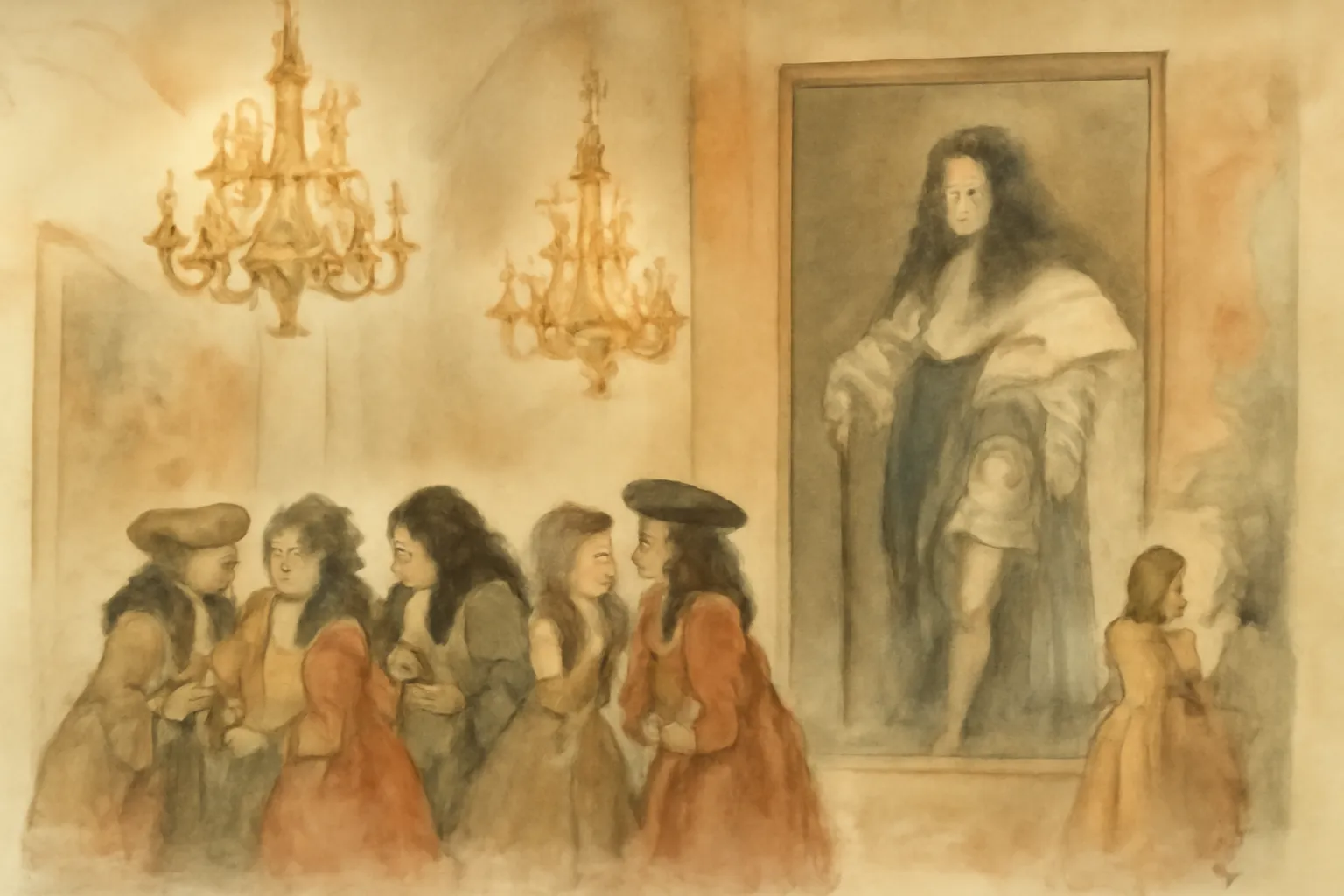
Saint-Simon provides a detailed account of Louis XIV's numerous illegitimate children and the political ramifications of their existence. The King, eager to establish his natural offspring in society, arranged marriages that often scandalized the court. For instance, the proposed marriage of the Duc de Chartres to Mademoiselle de Blois, one of the King's daughters with Madame de Montespan, was fraught with controversy. This union represented a significant elevation of status for the illegitimate children, juxtaposed against the rigid hierarchy of noble birth. The court's reaction to these marriages reflected deeper societal tensions regarding legitimacy and power, as many viewed these unions as threats to the established order. Saint-Simon's insights reveal how these personal decisions echoed through the political landscape, shaping alliances and enmities that would last for generations.
2.The Weight of Family and Duty
The memoirs reveal Saint-Simon's profound reflections on family obligations and personal ambition. After the death of his father, he faced the daunting prospect of living up to his family's legacy while navigating the treacherous waters of court life. His mother's guidance instilled in him a sense of duty and the importance of personal merit, especially as he was the only child of a favored noble. This pressure to succeed is palpable as he recounts his military career and aspirations, emphasizing the struggle between personal desire and familial expectations. The narrative illustrates how family ties can both uplift and constrain, as Saint-Simon grapples with the duality of loyalty to his lineage and his own ambitions. His journey underscores the complexities of identity in a world where one's worth is often measured by lineage and connections.
3.The Court as a Microcosm of Power
Saint-Simon's observations paint the court of Louis XIV as a microcosm of larger political dynamics, where power plays and social maneuvering were the norms. The intricate hierarchy of the court dictated not only social interactions but also political alliances. For instance, the rivalry between M. de Luxembourg and other dukes over precedence exemplifies the absurd lengths to which nobles would go to assert their status. This obsession with rank and honor illustrates how personal ambition often eclipsed collective loyalty, leading to a fragmented court rife with jealousy and conflict. Saint-Simon's recounting of these rivalries serves to highlight the precarious nature of power in a system where favor could shift overnight, revealing the fragility of human relationships built on ambition and envy.
4.The Burden of Kingship
The memoirs delve into the psychological burden borne by Louis XIV as the embodiment of the state. Saint-Simon captures the King's desire for control and the immense pressures he faced from all sides. The King's decisions, such as the ill-fated military campaigns, often stemmed from a need to maintain his image of invincibility. Saint-Simon reflects on the consequences of these choices, particularly the toll they took on the lives of soldiers and the fabric of French society. The King’s personal sacrifices, including the emotional distance he maintained from his family, reveal a man trapped by his own grandeur. This exploration of kingship emphasizes the isolation that often accompanies power, prompting readers to consider the human cost of political ambition.
5.The Role of Women in Court Politics
Women played a critical yet often underappreciated role in the political landscape of the court, as highlighted in Saint-Simon's memoirs. Figures like Madame de Maintenon wielded significant influence, shaping royal decisions and court dynamics through their relationships. Saint-Simon recounts how these women navigated the treacherous waters of court life, using their intellect and charm to secure their positions. The interactions between the King's mistresses and his legitimate family members reveal the complexities of female power, as women often acted as intermediaries and power brokers. This narrative challenges the notion of women as mere passive figures in history, instead showcasing their critical contributions to the political machinations of their time. Saint-Simon's observations invite readers to reconsider the traditional narratives surrounding power and gender in the context of the French court.
6.The Illusions of Glory
Saint-Simon's memoirs are steeped in a sense of disillusionment regarding the pursuit of glory and honor. He reflects on the hollow nature of many noble pursuits, particularly within the military campaigns that he participated in. The Siege of Namur, for example, is depicted with stark realism, showcasing not just the valor of soldiers but also the immense suffering endured during warfare. These accounts serve as a critique of the glorification of military success, revealing the human cost of such endeavors. Saint-Simon's candid reflections challenge the romanticized notions of heroism, urging readers to confront the brutal realities behind the pursuit of glory. His narrative ultimately serves as a reminder that the pursuit of honor often leads to personal and collective tragedy.
7.The Nature of Friendship and Loyalty
The memoirs explore the intricate web of friendships and loyalties that defined court life, revealing how easily these bonds could be broken. Saint-Simon recounts various friendships that were tested by ambition and rivalry, illustrating the fragile nature of trust in such a competitive environment. The relationships between nobles were often transactional, built on mutual benefit rather than genuine affection. This reality is poignantly illustrated in the author's interactions with figures like M. de Beauvilliers, where personal loyalty is frequently overshadowed by political necessity. Saint-Simon's insights into these dynamics provide a sobering perspective on the nature of human relationships, emphasizing how ambition can corrupt even the strongest of bonds. Through his experiences, he underscores the importance of discernment in a world where loyalty is often a facade.
8.The Intersection of Faith and Politics
Religion plays a pivotal role in shaping the politics of the court, as evidenced by the interactions between the clergy and the royal family. Saint-Simon discusses the influence of figures like the Abbe de Fenelon and the tensions between Jansenists and Jesuits, highlighting how religious affiliations often dictated political alliances. The conflict between these factions serves as a backdrop for larger discussions about morality, governance, and the role of faith in public life. Saint-Simon's observations reveal the complexities of navigating faith within the political sphere, as religious convictions frequently intersected with personal ambitions. The memoirs encourage readers to reflect on the enduring influence of faith on political structures and individual actions, illustrating how these elements are often inextricably linked.
9.The Spectacle of Court Life
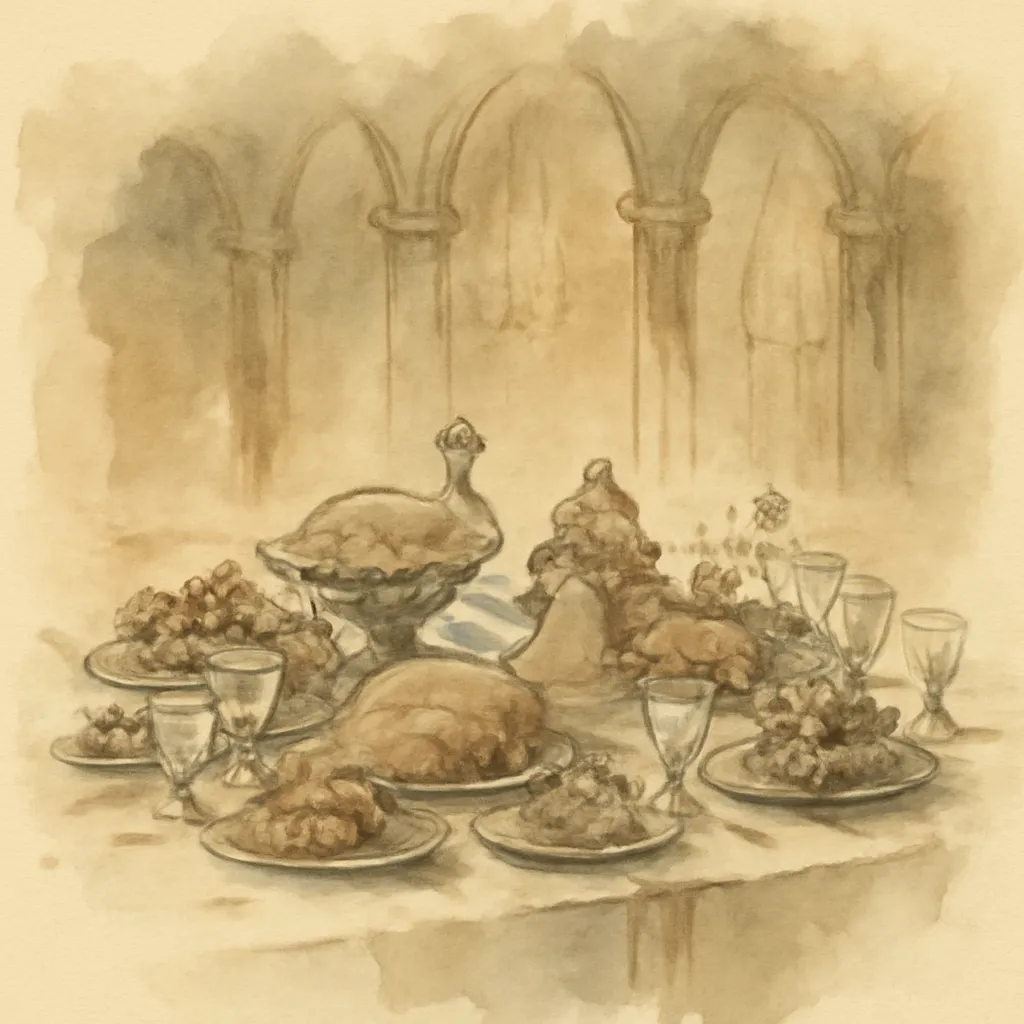
Saint-Simon captures the lavishness and excesses of court life, providing readers with a glimpse into the opulent lifestyle of the French nobility. The grand ceremonies, elaborate feasts, and ostentatious displays of wealth are depicted with vivid detail, illustrating the stark contrasts between the lives of the courtiers and the common people. This spectacle serves not only as entertainment but also as a tool for reinforcing social hierarchies and power dynamics. The author reflects on how these displays were often superficial, masking the underlying tensions and conflicts that simmered beneath the surface. By portraying the court as both a site of grandeur and a stage for human folly, Saint-Simon invites readers to question the true value of such excess. His narrative ultimately serves as a critique of a society obsessed with appearances, highlighting the dissonance between public spectacle and private reality.
10.The Art of Memoir Writing
Saint-Simon's memoirs are not just a record of events but also a masterclass in the art of memoir writing. He employs a reflective tone, blending personal anecdotes with broader historical commentary, creating a narrative that is both engaging and informative. His keen observations and attention to detail bring the court to life, allowing readers to feel the weight of the decisions being made. The author’s willingness to critique himself and others adds a layer of authenticity to his writing, making it a compelling read. Saint-Simon's approach to memoir writing emphasizes the importance of perspective, as he navigates complex themes of power, ambition, and morality. His work serves as a reminder of the power of storytelling in shaping historical narratives, encouraging readers to appreciate the nuances of individual experiences within the larger tapestry of history.