1.The Early Years: Roots of Resilience
Napoleon Bonaparte was born on August 15, 1769, in Ajaccio, Corsica. His early life was marked by the financial struggles of his family, who were significantly affected by the actions of the Jesuits, which deprived them of their inheritance. This background instilled a sense of determination and resilience in young Napoleon. At the Royal Military College of Brienne, he began to cultivate his love for mathematics while developing a disdain for Latin, a reflection of his strong will and desire to forge his own path. Napoleon's experiences at Brienne, including a memorable sham siege, showcased his early inclination towards military strategy and leadership. Bourrienne highlights how their friendship blossomed during these formative years, revealing the early signs of Napoleon's extraordinary potential alongside the complexities of his character, which would later manifest in his leadership style.
2.The Military Genius Unveiled
Napoleon's military career gained momentum when he moved to the Military College of Paris, where he quickly distinguished himself among his peers. His early reports on military conditions revealed a sharp intellect and a keen understanding of strategy and organization. Bourrienne details how Napoleon's disdain for bureaucratic inefficiencies drove him to innovate in military tactics, particularly during his early campaigns. Napoleon's campaigns in Toulon and against the Austrians in Italy showcased not only his tactical brilliance but also his ability to inspire loyalty and courage among his troops. His successes, such as at the Battle of Lodi, highlighted his capacity for rapid decision-making and unorthodox strategies. This period solidified his reputation as a military leader and marked the beginning of a series of triumphs that would elevate him to the peak of power in France.
3.The Rise to Power: Political Maneuvering
The political landscape in France was tumultuous during the post-Revolution period, and Napoleon adeptly navigated these treacherous waters to seize power. Bourrienne provides insights into the various political factions and how Napoleon aligned himself with influential figures while distancing himself from rivals. His appointment as commander of the army of the interior after the 13th Vendémiaire was a strategic move that allowed him to consolidate military and political power. The memoir captures the intensity of these political dynamics, illustrating how Napoleon's charisma and tactical brilliance enabled him to manipulate both allies and enemies alike. Furthermore, Bourrienne discusses how Napoleon's marriage to Josephine was not only a romantic union but a strategic alliance that enhanced his political standing, allowing him to connect with influential circles in Paris. The interplay of personal and political motives in Napoleon's life is a recurring theme that underscores his multifaceted character.
4.The Italian Campaign: Triumphs and Challenges
Napoleon's Italian campaign was pivotal in establishing his military reputation and leadership style. Bourrienne details key battles such as Lodi, Arcole, and Rivoli, where Napoleon's innovative tactics and ability to inspire his troops led to stunning victories against seemingly insurmountable odds. These triumphs were not without their challenges; Napoleon faced supply shortages, fierce resistance, and the harsh realities of war that tested both his troops and his strategic planning. The memoir provides a vivid account of how Napoleon's leadership galvanized his soldiers, fostering a sense of unity and loyalty that was crucial in achieving their goals. This period also revealed Napoleon's adaptability as he learned to navigate the complexities of commanding an army in foreign territory, ultimately solidifying his status as a military genius and a formidable leader.
5.The Egyptian Expedition: Ambitions and Setbacks
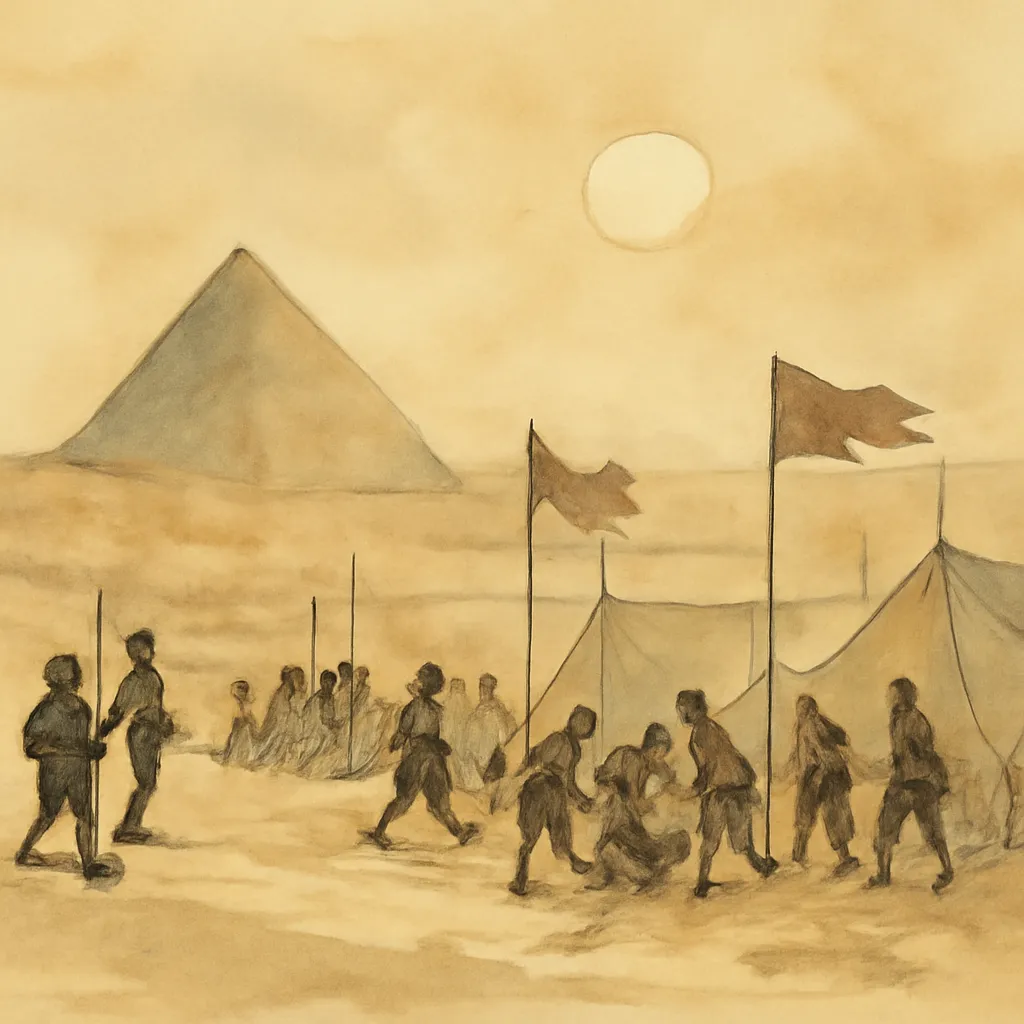
In 1798, Napoleon launched the Egyptian expedition with the ambitious goal of expanding French influence in the East and challenging British dominance. Bourrienne vividly recounts the initial excitement and optimism surrounding the campaign, as well as Napoleon's vision for Egypt as a new center of French culture and power. However, the expedition faced numerous setbacks, including the catastrophic loss of the French fleet to Nelson and the challenges of maintaining control in a foreign land. Bourrienne highlights Napoleon's attempts to establish a scientific and cultural presence in Egypt, showcasing his dual ambitions as both a conqueror and a patron of the arts. The expedition also underscores the limits of Napoleon's vision, revealing the complexities and contradictions inherent in his imperial pursuits. As the campaign progressed, Bourrienne notes the disillusionment that set in among the troops and how these setbacks began to erode Napoleon's earlier confidence.
6.Personal Relationships: The Man Behind the General
Bourrienne's memoirs provide a rare and intimate glimpse into Napoleon's personal life, particularly his relationship with Josephine. Their marriage, marked by genuine affection, was also fraught with political calculation and personal strife. The memoir captures the nuances of their bond, including Napoleon's infidelities and Josephine's struggles with her own insecurities. Bourrienne also sheds light on Napoleon's friendships and rivalries with contemporaries like Moreau and Bernadotte, illustrating how personal dynamics influenced military and political decisions. Through these relationships, the memoir humanizes Napoleon, revealing a man who, despite his immense power, grappled with vulnerability and the complexities of love. This personal dimension of Napoleon's life contrasts sharply with his public persona as a commanding general and emperor, adding depth to the historical narrative.
7.The Coup of Brumaire: Seizing Control
The coup of Brumaire in 1799 was a pivotal moment in French history, marking Napoleon's decisive seizure of power and effectively ending the Directory. Bourrienne recounts the strategic planning and coordination among key figures leading up to the coup, emphasizing Napoleon's charisma and decisiveness in garnering support from military leaders and political allies. This moment not only solidified his power but also transformed the political landscape of France, paving the way for his eventual declaration as Emperor. Bourrienne's insider perspective highlights the calculated risks Napoleon took to achieve his ambitions, as well as the lengths he was willing to go to secure his legacy. The coup exemplifies Napoleon's mastery of political maneuvering and sets the stage for his future reforms and governance strategies.
8.Napoleon's Vision for France: Reform and Governance

Upon assuming power, Napoleon sought to implement sweeping reforms across France, aiming to stabilize the nation and restore order after years of revolution. Bourrienne details Napoleon's efforts to modernize the legal system with the Napoleonic Code, which established principles of equality, meritocracy, and legal clarity. He also reformed education, finance, and public infrastructure, laying the groundwork for a more centralized and efficient government. The memoir illustrates the challenges Napoleon faced in balancing his authoritarian tendencies with the ideals of the revolution, as he navigated the complexities of governance. This vision not only transformed France but also set a precedent for future governments, showcasing Napoleon's lasting impact on the nation and beyond. Bourrienne emphasizes how Napoleon's reforms were both a reflection of his ideals and a means to consolidate his power, further intertwining personal ambition with national progress.
9.The Continental System: Economic Warfare
In response to Britain's economic dominance, Napoleon implemented the Continental System, a trade blockade aimed at crippling Britain's economy and asserting French power across Europe. Bourrienne chronicles the ambitious scope of this initiative, which sought to unify the continent against a common enemy. However, the system faced significant challenges, including resistance from allied nations and the logistical difficulties of enforcement. The memoir highlights the unintended consequences of the blockade, which ultimately strained relationships with key allies and contributed to economic hardships across Europe. This chapter serves as a testament to Napoleon's ambitious vision for a unified Europe, while also illustrating the complexities and pitfalls of grand strategies in international relations. The Continental System reflects the broader themes of ambition, conflict, and the interplay of power on the European stage during Napoleon's era.
10.The Downfall: Lessons from Defeat
Despite his earlier successes, Napoleon's later years were marked by a series of defeats that ultimately led to his downfall. Bourrienne details the disastrous invasion of Russia in 1812, where logistical challenges, extreme weather, and fierce resistance decimated Napoleon's Grand Army. The memoir captures the profound impact of these losses on Napoleon's psyche, as he grappled with the consequences of overreach, hubris, and the unintended consequences of his ambitions. The aftermath of the campaign revealed the fragility of his empire, as discontent and rebellion simmered across Europe. This period serves as a critical reflection on the limits of power and the importance of adaptability in leadership, offering valuable lessons for future leaders. Bourrienne's insights into Napoleon's character during this tumultuous time highlight the complexities of a man who, despite his genius, was not immune to the forces of history.