1.Reimagining the Gothic Genre
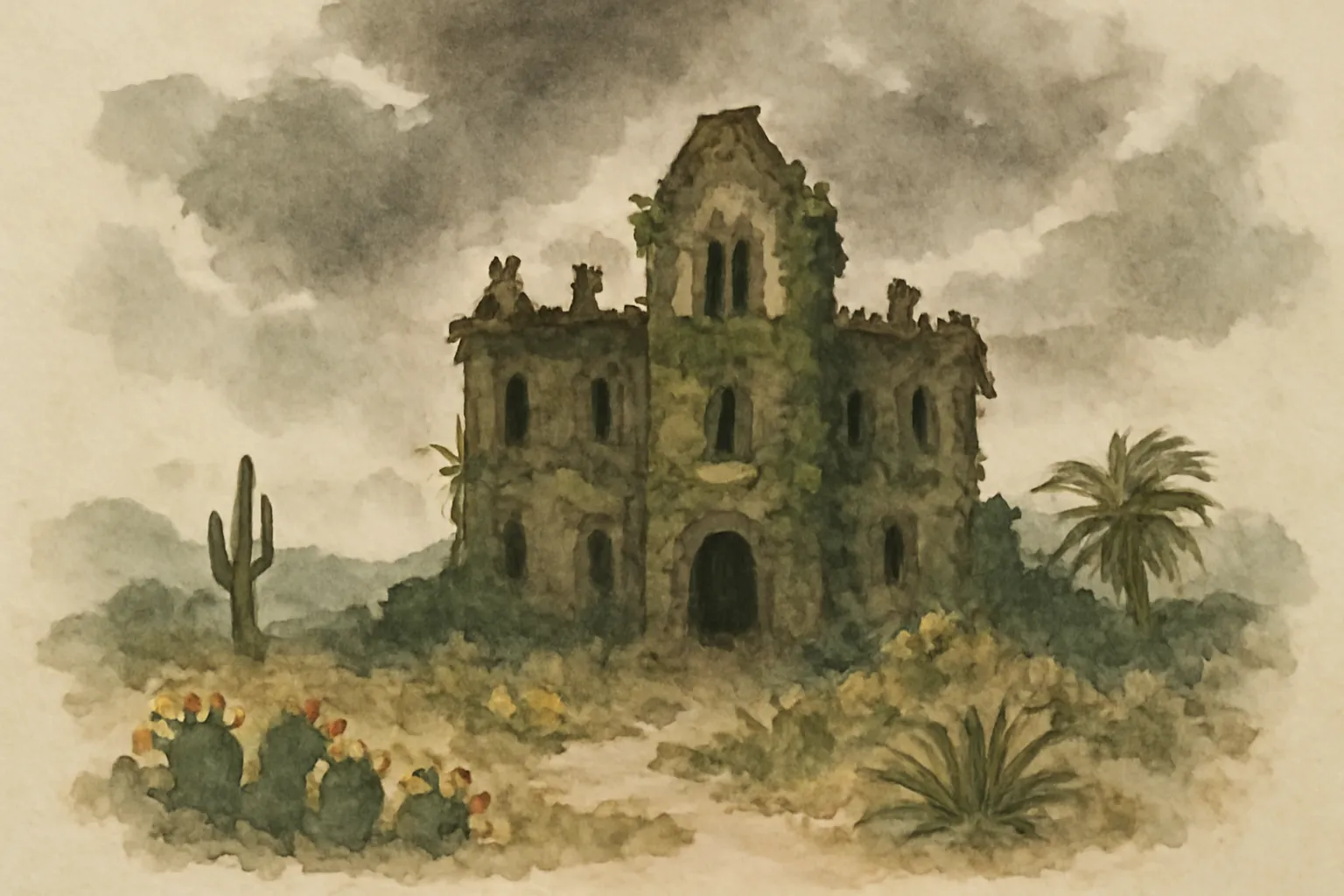
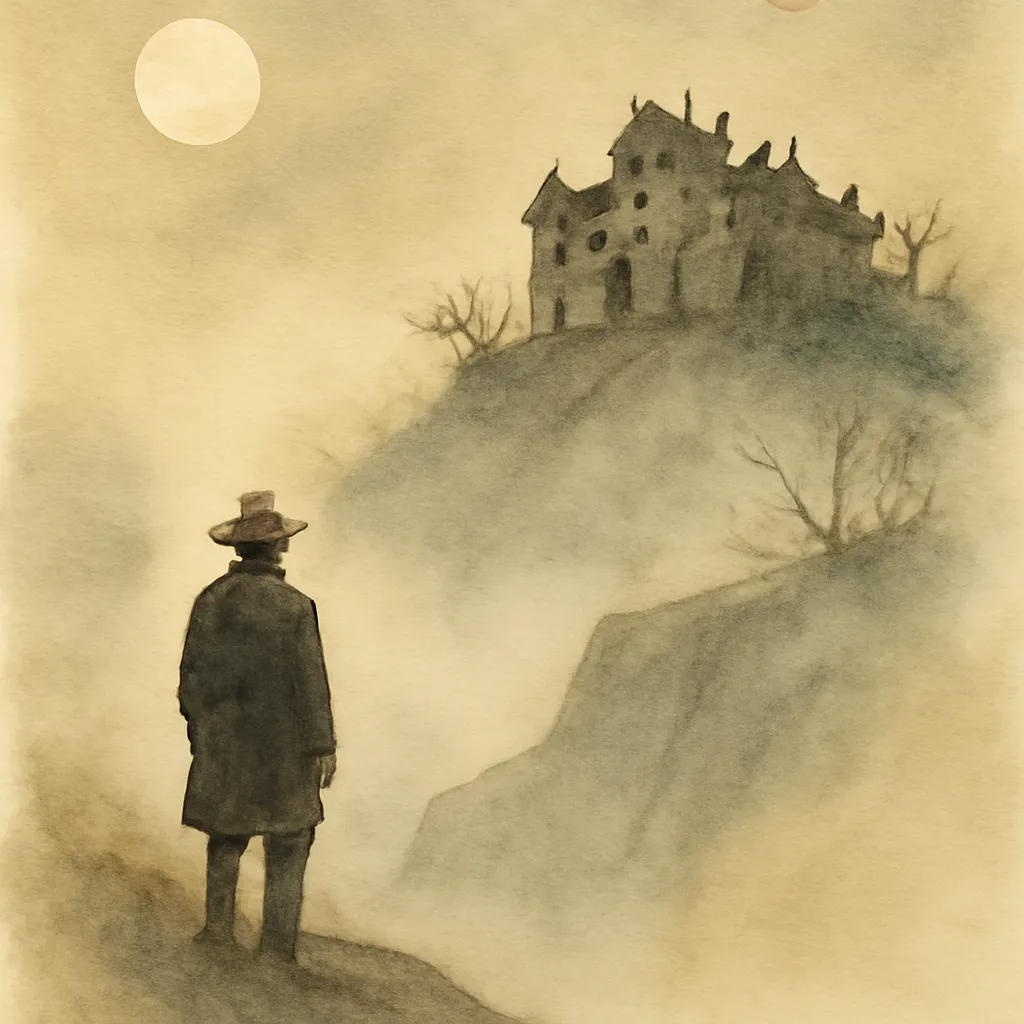
Silvia Moreno-Garcia revitalizes the gothic tradition by transplanting it from the misty moors of England to the Mexican countryside. The familiar elements—an isolated mansion, a vulnerable outsider, a family with dark secrets—are all present, but the setting and cultural context transform the genre. The novel interrogates the colonial roots of gothic literature, making the haunted house not just a symbol of personal trauma, but also of historical violence and exploitation.
2.Female Agency and Resistance
Noemí Taboada, the protagonist, is not the passive heroine typical of classic gothic tales. Instead, she is witty, fashionable, and fiercely independent, refusing to be cowed by patriarchal authority or supernatural threats. Her journey is one of self-discovery and resistance, challenging both the literal horrors of the house and the figurative ones of gendered expectations and control.
3.The House as a Living Entity
High Place, the mansion, is more than a backdrop—it is a sentient, suffocating presence. The house’s decay, its invasive mold, and its disturbing influence on its inhabitants serve as metaphors for festering secrets and the lingering effects of colonialism. The boundaries between the psychological and the supernatural blur, making the reader question what is real and what is imagined.
4.Colonialism and Racial Hierarchies
The Doyle family, English immigrants who lord over the Mexican countryside, embody the lingering power dynamics of colonialism. Their exploitation of local labor, obsession with purity, and sense of entitlement are woven into the horror of the story. The novel critiques how colonial attitudes persist across generations, infecting both people and places.
5.The Power and Danger of Knowledge
Throughout the novel, knowledge is both a weapon and a curse. Noemí’s curiosity drives the plot, but the secrets she uncovers are dangerous, even deadly. The story questions whether some truths are better left buried, and whether ignorance can ever truly protect us from harm.
6.Atmosphere and Psychological Horror
Mexican Gothic excels at building a sense of dread through its lush, oppressive atmosphere. The horror is as much psychological as it is supernatural, with dreams, hallucinations, and paranoia blurring the lines between reality and nightmare. Moreno-Garcia’s evocative prose immerses the reader in a world where every shadow could conceal a threat.