1.Savannah as a Living Character
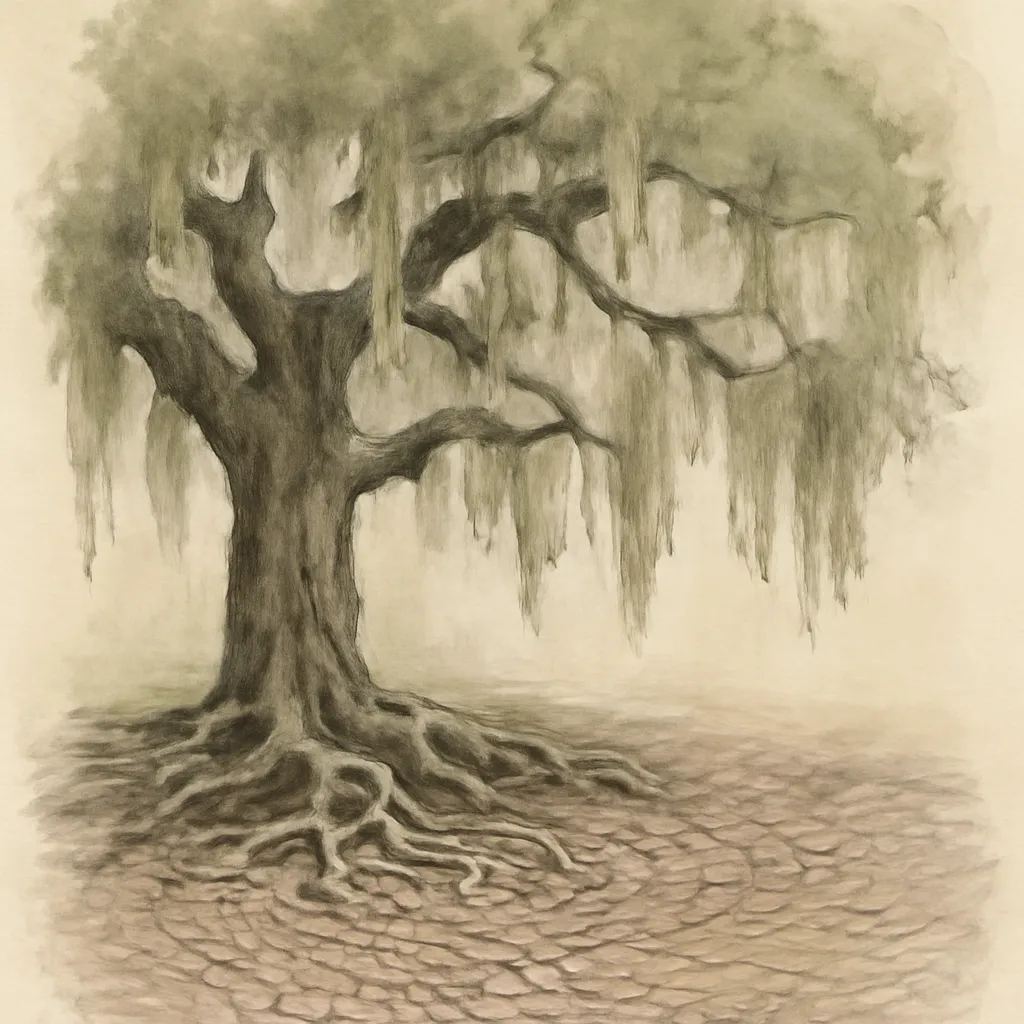
Berendt’s Savannah is not just a backdrop but a central figure, its lush beauty and old-world manners masking deep eccentricities and social complexities. The city’s traditions, cliques, and unspoken rules shape every event and personality in the narrative, making place inseparable from plot. This immersive sense of location allows readers to experience the South’s contradictions—hospitality and exclusion, charm and decay—firsthand.
2.Blurring Fact and Fiction
Although nonfiction, the book reads with the suspense and color of a novel. Berendt’s narrative style blurs the lines between journalism and storytelling, raising questions about truth, perspective, and the ethics of narrative nonfiction. This approach invites readers to consider how stories are constructed and how reality is filtered through the storyteller’s lens.
3.Eccentricity and Outsider Status
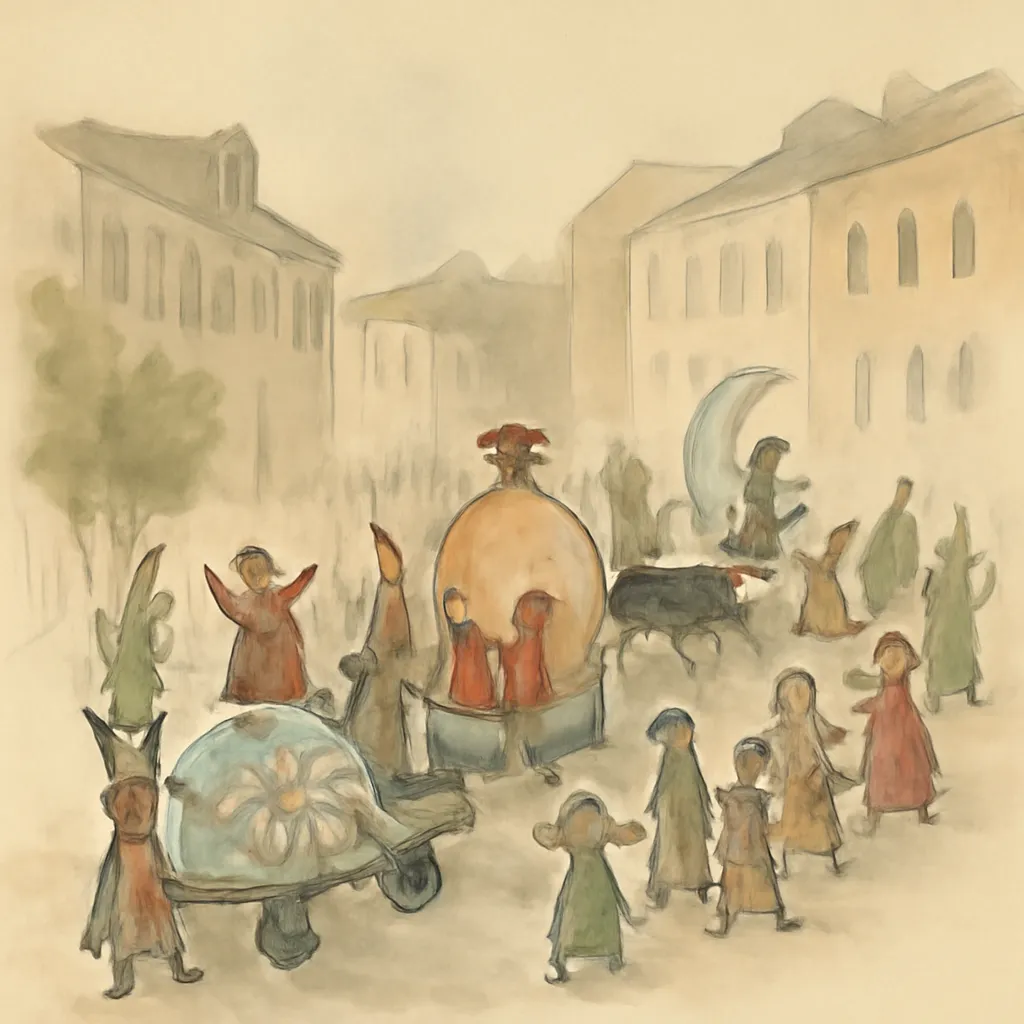
The book’s cast is filled with unforgettable eccentrics—drag queens, voodoo practitioners, reclusive inventors—who both embody and challenge Savannah’s social norms. Berendt explores how outsiders and misfits find community and power in a society obsessed with appearances and propriety, highlighting the tension between conformity and individuality.
4.Justice and Ambiguity
At the heart of the story is the murder trial of Jim Williams, a wealthy antiques dealer. The case’s twists and turns, and the city’s whispered judgments, reveal the complexities of Southern justice—where personal connections, reputation, and social standing can be as influential as evidence. The book resists easy answers, leaving readers to grapple with ambiguity and doubt.
5.Performance and Identity
Many characters, from the flamboyant Lady Chablis to Williams himself, are constantly performing versions of themselves for different audiences. Berendt examines how identity is constructed, maintained, and sometimes weaponized in a society where appearances are everything. The performative nature of Savannah’s social life becomes a metaphor for broader questions of authenticity.
6.The Persistence of the Past
Savannah is portrayed as a city haunted by its own history, where old grudges, traditions, and social hierarchies persist beneath the surface. Berendt shows how the past shapes the present, both in the city’s architecture and in its people’s attitudes, and how this can be both a source of beauty and a barrier to change.