1.The Setting as a Character
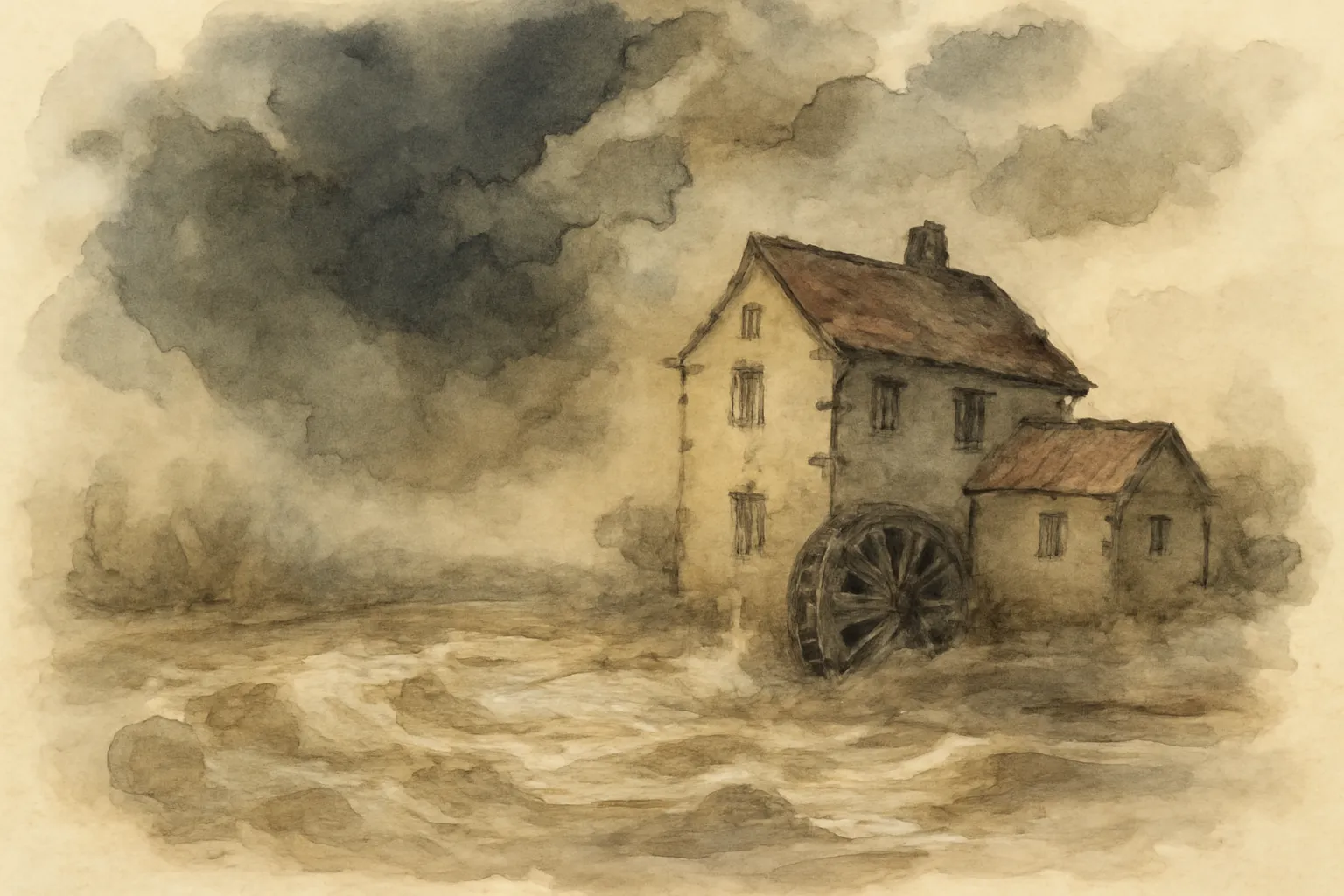
The landscape of St. Ogg's and Dorlcote Mill is not just a backdrop but a living entity that shapes the characters and their fates. Eliot's detailed descriptions of the river Floss, its changing moods, and the surrounding countryside reflect the emotional states of the Tulliver siblings. For example, the mill symbolizes both the family's heritage and the burdens of their past, while the river represents the flow of life and the inevitability of change. As the story unfolds, the natural world mirrors Maggie's tumultuous inner life, providing readers with a deeper understanding of her character. The setting is intricately woven into the narrative, illustrating the interplay between environment and personal destiny.
2.Maggie's Rebellion Against Societal Norms
Maggie Tulliver embodies the struggle between individual desire and societal expectations, particularly regarding gender roles. From a young age, she exhibits a fierce independence and a yearning for intellectual and emotional fulfillment that defies the typical constraints placed upon women of her time. Her close relationship with her brother Tom is complicated by her desire to forge her own path, as seen in her interactions with Philip Wakem, the deformed son of her father's adversary. Maggie's passionate nature leads her into conflicts that ultimately alienate her from her family and community. Eliot skillfully portrays Maggie's inner turmoil as she seeks love and acceptance, presenting her as a tragic figure caught between her desires and the rigid expectations of Victorian society.
3.Tom's Struggle with Responsibility
Tom Tulliver's character is defined by his sense of duty and the pressures of masculinity in a patriarchal society. As the sole male heir of Dorlcote Mill, he feels the weight of his family's financial struggles and the expectations to uphold their honor. Tom's experiences at school and his interactions with Philip highlight his rigid views and inability to empathize with others, particularly when it comes to Maggie's emotional needs. His relationship with Maggie becomes strained as he prioritizes duty over understanding, leading to a tragic rift between them. Eliot uses Tom's character to explore themes of masculinity, honor, and the often conflicting demands placed on men in a changing social landscape.
4.The Impact of Family Dynamics
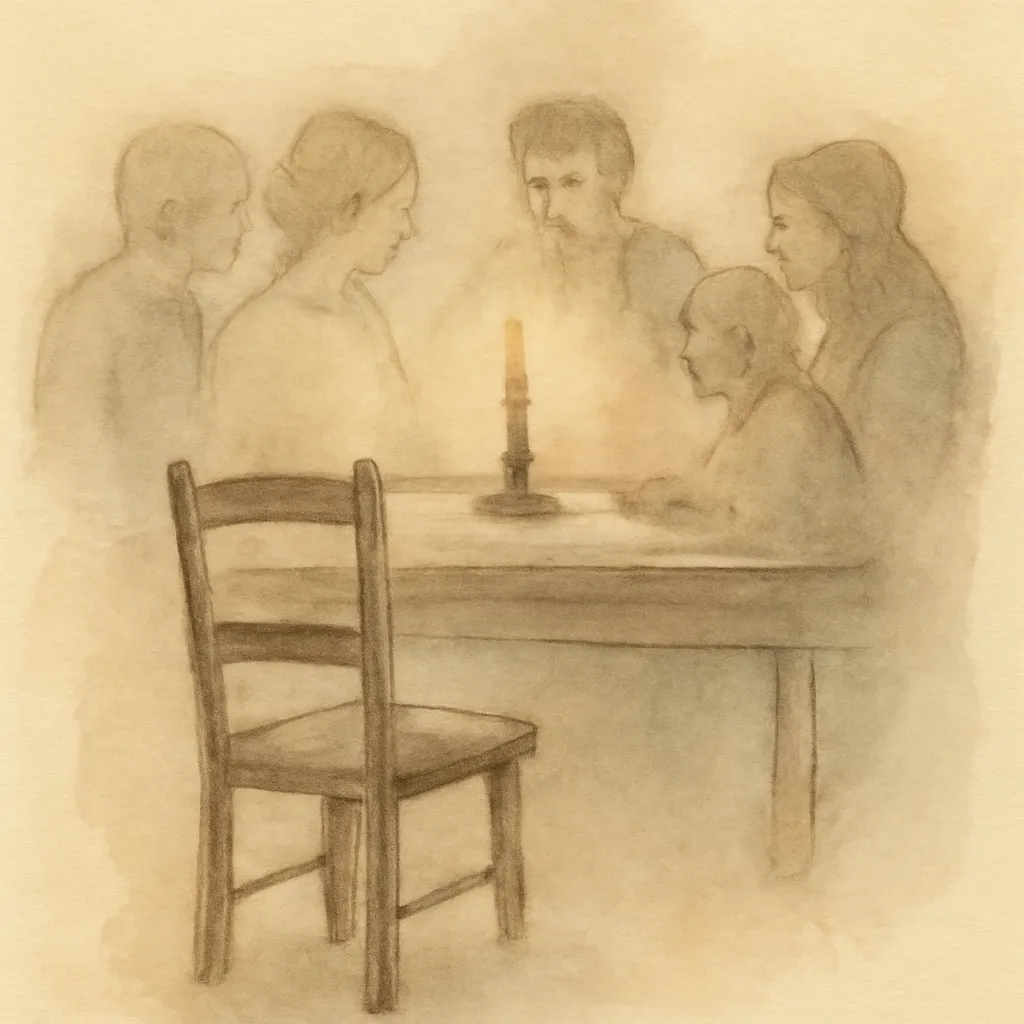
The Tulliver family's internal dynamics are central to the narrative, revealing the complexities of love, loyalty, and conflict. Mr. Tulliver's passionate nature and stubbornness set the stage for the family's financial ruin, while Mrs. Tulliver's gentle disposition contrasts sharply with her husband's fiery temperament. The siblings' relationship is marked by both deep affection and tension, as Tom often feels compelled to protect Maggie, while she yearns for autonomy. The arrival of aunts and uncles adds another layer of complexity, as their opinions and judgments create additional pressure on the Tullivers. Eliot's portrayal of family dynamics highlights the intricate web of relationships that shape individual identities and decisions.
5.The Role of Education and Class
Education emerges as a pivotal theme in 'The Mill on the Floss', influencing the characters' opportunities and societal standing. Mr. Tulliver's desire to provide Tom with a good education reflects his aspirations for upward mobility, while Maggie's thirst for knowledge drives her to seek intellectual companionship outside her family. The contrast between Tom's formal education and Maggie's self-directed learning underscores the limitations imposed by gender and class. Eliot critiques the educational system of the time, suggesting that it often fails to nurture true intelligence and character. Through the Tullivers' experiences, readers witness how education can empower individuals but also reinforce societal divides.
6.Love and Sacrifice
The theme of love, particularly the nature of sacrifice, permeates the narrative, particularly in Maggie's relationships with Tom and Philip. Maggie's love for her brother is profound, yet it is tested by her desire for independence and her emotional connection to Philip, who represents both danger and allure. As Maggie navigates her feelings, she often finds herself making sacrifices that highlight the tension between personal desire and familial loyalty. The climactic moments of the story reveal the extent of Maggie's sacrifices, ultimately leading to tragic consequences. Eliot's exploration of love emphasizes its complexities and the painful choices individuals must make in its name.
7.The Consequences of Social Judgment
Eliot keenly examines the harsh realities of social judgment and its impact on individual lives. The Tullivers face scorn and derision from their community following Mr. Tulliver's financial downfall, illustrating how quickly social standing can shift. Maggie, in particular, suffers from societal condemnation for her choices, such as her friendship with Philip and her passionate nature. Eliot's critique of social norms reveals the often arbitrary nature of moral judgments and the ways in which individuals are ostracized for failing to conform. The story serves as a poignant reminder of the power of societal expectations and the consequences of transgressing them.
8.The Tragic Nature of Maggie's Journey
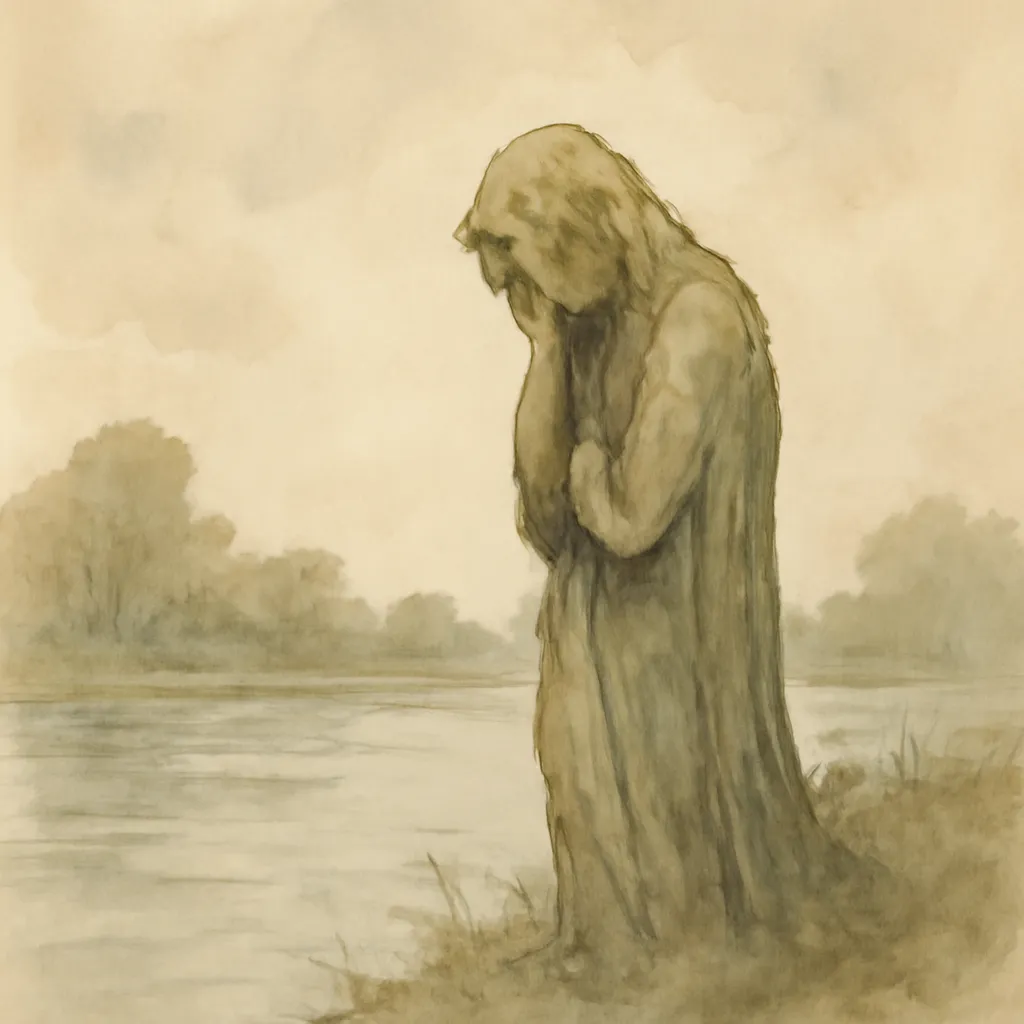
Maggie's journey is marked by tragedy, shaped by her passionate spirit and the constraints of her environment. Eliot crafts a narrative that delves into the depths of Maggie's character, portraying her as a deeply sympathetic figure whose desires and struggles resonate with readers. Her quest for love and acceptance leads her into conflicts that ultimately culminate in her isolation. The tragic conclusion of her story serves as a powerful commentary on the limitations faced by women in the 19th century, as well as the broader human experience of yearning for connection and understanding. Eliot's portrayal of Maggie's fate invites readers to reflect on the societal forces that shape individual destinies.
9.The Symbolism of Water
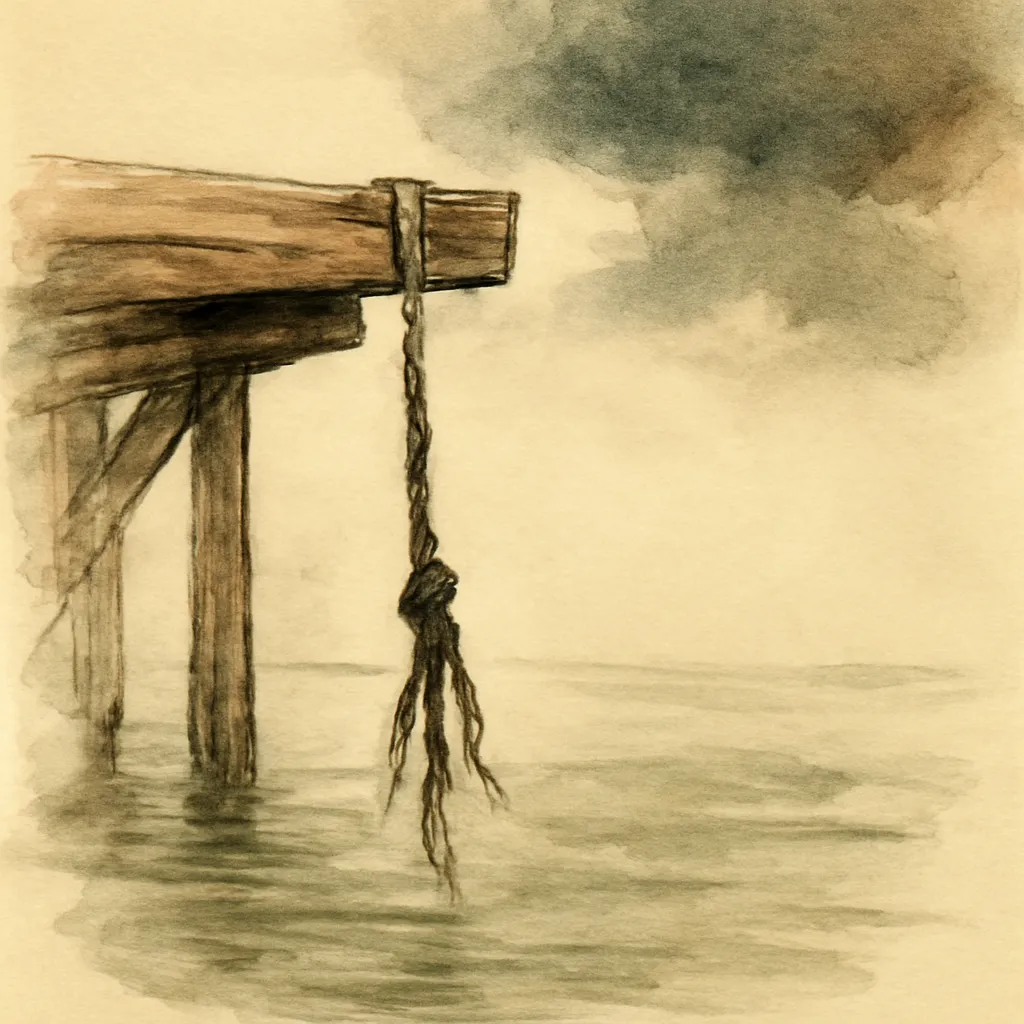
Water serves as a recurring symbol throughout 'The Mill on the Floss', representing both the flow of life and the tumultuous emotions of the characters. The river Floss, with its changing currents, mirrors the Tullivers' experiences and the unpredictable nature of fate. Moments of crisis, such as Maggie's decision to leave her home or the climactic flood, are intricately tied to water, emphasizing its dual role as a source of life and destruction. Eliot's use of water symbolism enriches the narrative, highlighting the themes of change, conflict, and the inescapable passage of time. The river becomes a metaphor for the characters' struggles, illustrating how they are both shaped by and inextricably linked to their environment.
10.Redemption and Forgiveness
Despite the tragic elements of the story, 'The Mill on the Floss' also explores themes of redemption and forgiveness. The relationship between Tom and Maggie is fraught with misunderstandings and conflicts, yet their bond is ultimately rooted in deep love and affection. Eliot suggests that the path to redemption lies in the recognition of one's flaws and the ability to forgive both oneself and others. Throughout the narrative, moments of reconciliation highlight the potential for healing and understanding amidst pain. The characters' journeys emphasize the importance of compassion and empathy, offering a glimmer of hope in the face of adversity.