1.The Intricacies of Romantic Expectations
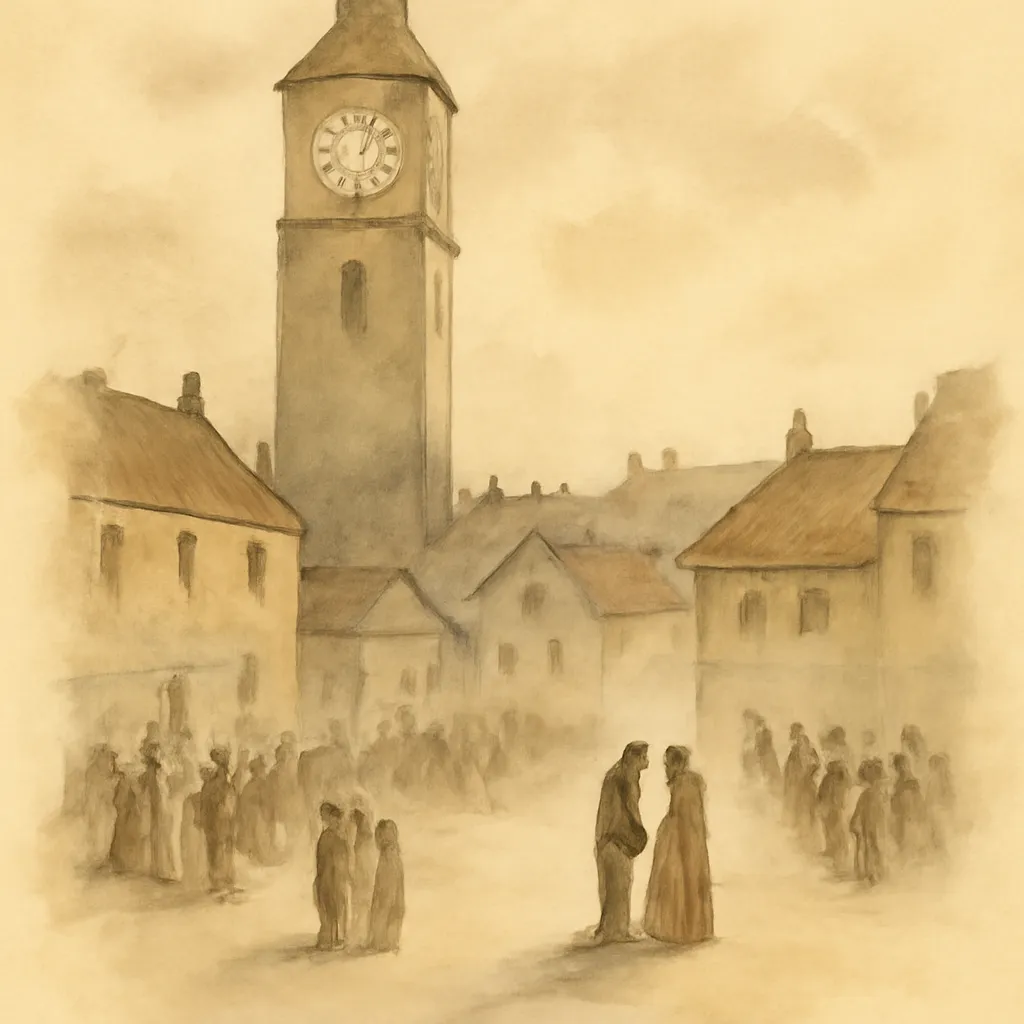
From the very outset, 'Molly Bawn' highlights the societal pressures surrounding romance. Characters like Mr. Massereene and Letitia express disbelief and concern when Tedcastle George Luttrell accepts an invitation to stay for a month. Their reactions underscore the societal expectation that companionship should be limited and controlled. Molly's excitement about Luttrell's arrival, juxtaposed with Letitia's dismay, reveals how personal desires clash with societal norms. This tension is a recurring theme, illustrating how characters navigate their romantic aspirations within the constraints of their social environment. Through their interactions, the novel explores how love can be both liberating and confining, depending on the societal context. The early breakfast scene where Molly eagerly anticipates news about Luttrell sets the tone for this exploration, as her innocent curiosity contrasts sharply with the apprehension of the adults around her, encapsulating the generational divide regarding romantic expectations.
2.The Power of Youthful Innocence
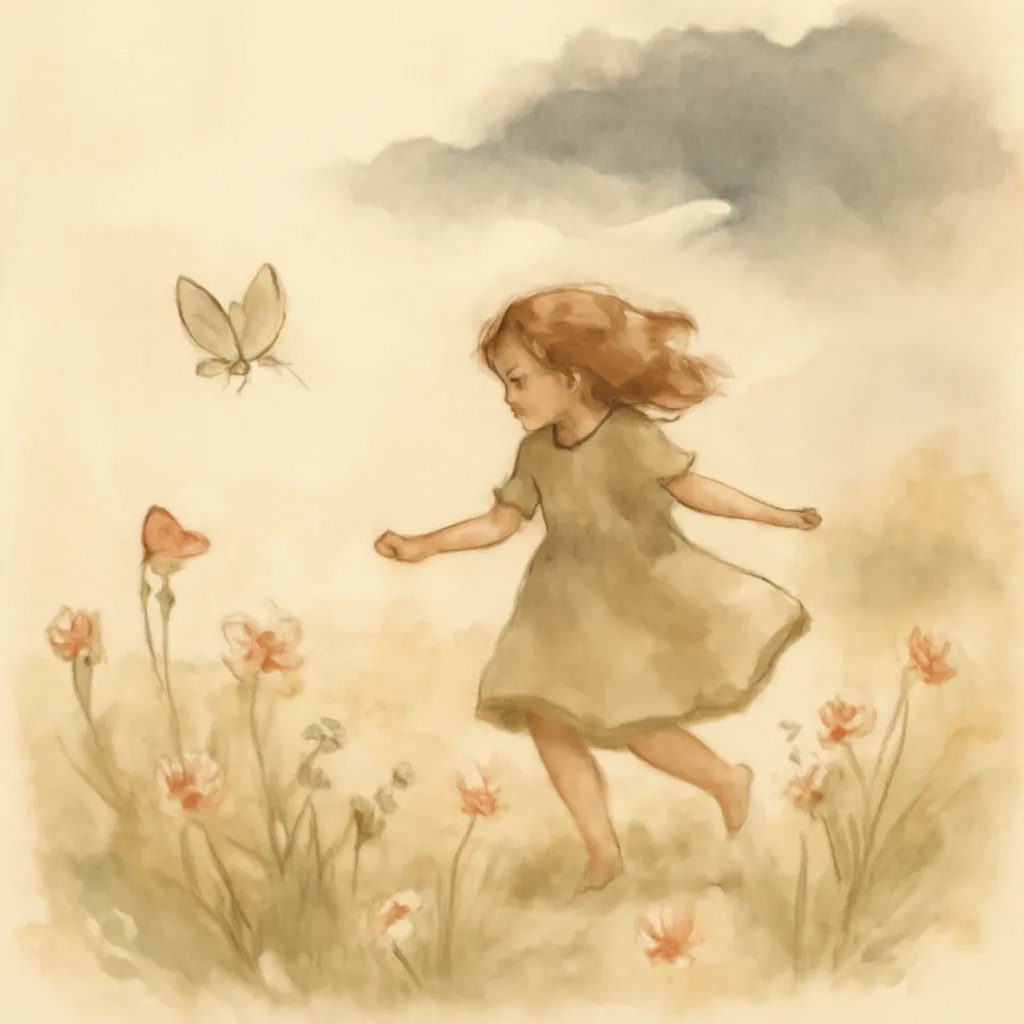
Molly embodies the spirit of youthful innocence and the exuberance of first love. Her interactions with Luttrell are characterized by playful banter and a sense of wonder that reflects her naivety. As she flirts and engages in light-hearted teasing, it becomes evident that her feelings for Luttrell are genuine yet unrefined by the complexities of adult relationships. This innocence invites readers to reflect on their own youthful experiences of love, where hope and joy often overshadow the potential for heartbreak. The novel captures the essence of young love—its idealism and the belief that anything is possible, making Molly's journey both relatable and poignant. Her character serves as a reminder of the beauty found in unguarded emotions. The scenes where she throws roses at Luttrell and engages in light-hearted jests exemplify this innocence, showcasing how her unguarded spirit draws others into her orbit and fosters genuine connections.
3.The Weight of Family Legacy
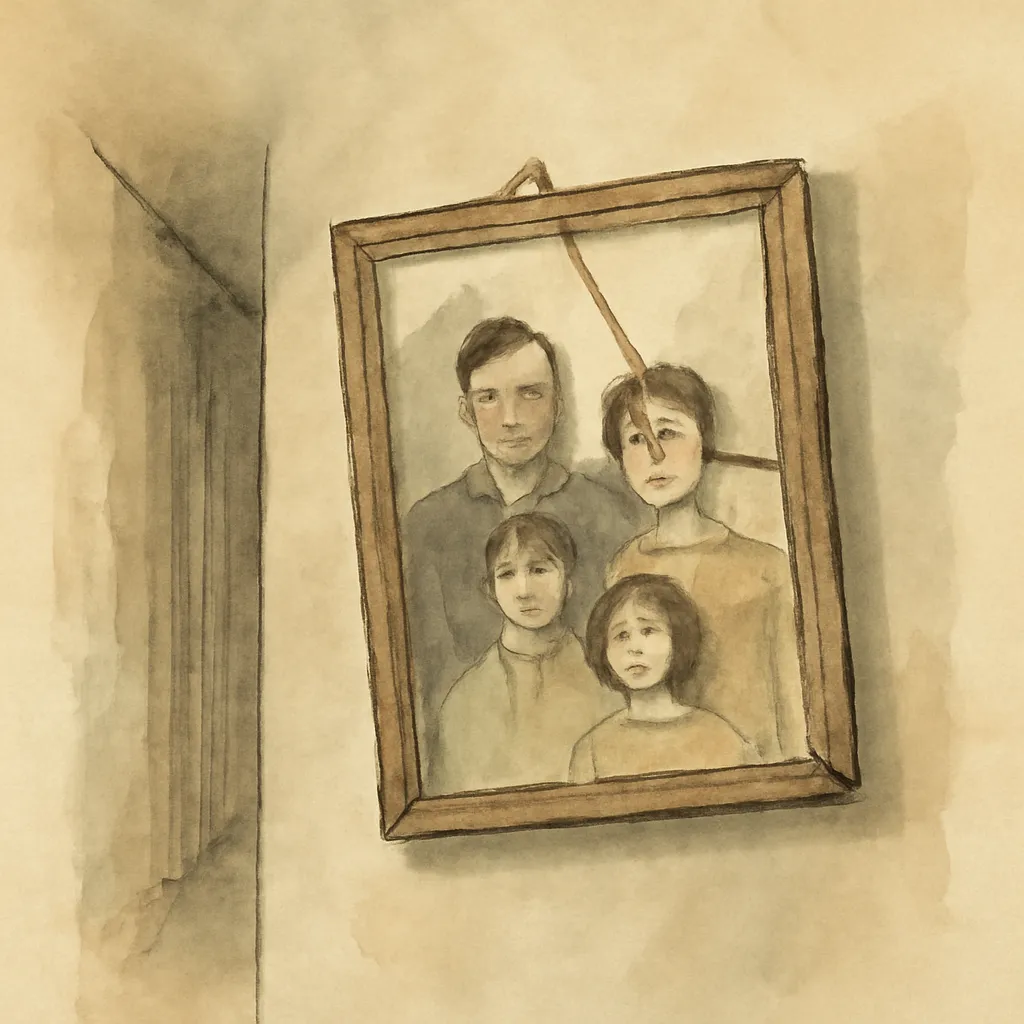
The novel intricately examines how family history casts a long shadow over personal identity. John Massereene's past, marked by tragedy and familial rejection, deeply influences his relationship with Molly. His struggles with financial limitations and societal expectations reflect a broader commentary on how family legacies shape individual destinies. Molly, having grown up without the presence of her maternal family, experiences a sense of longing and curiosity about her heritage. This exploration of family dynamics reveals how the past can inform the present, complicating relationships and emotional connections. The characters' interactions are often tinged with the weight of their histories, emphasizing the importance of understanding one's roots in the pursuit of love and happiness. The scene where John reflects on his mother's elopement and the subsequent estrangement from her family showcases the profound impact of familial decisions on personal identity and the ways in which these legacies affect Molly's understanding of her own place in the world.
4.The Dance of Flirtation and Social Manners
Flirtation serves as a central motif in 'Molly Bawn,' illustrating the delicate dance between attraction and societal expectations. Molly's playful exchanges with Luttrell often tread a fine line between innocent flirtation and the risk of social impropriety. This dynamic is particularly evident when John recounts Molly's previous flirtations at Lady Barton's gathering, where her behavior disrupts the expected decorum. The novel highlights how flirtation can be both a means of self-expression and a source of tension within social circles. Characters must navigate the complexities of desire while adhering to societal norms, leading to moments of both humor and conflict. The interplay of flirtation and social manners underscores the importance of context in romantic interactions. The early breakfast scene showcases Molly's teasing as she engages both John and Luttrell, revealing her clever intellect and innate understanding of the social stakes involved in their exchanges.
5.The Role of Nature as a Mirror of Emotion
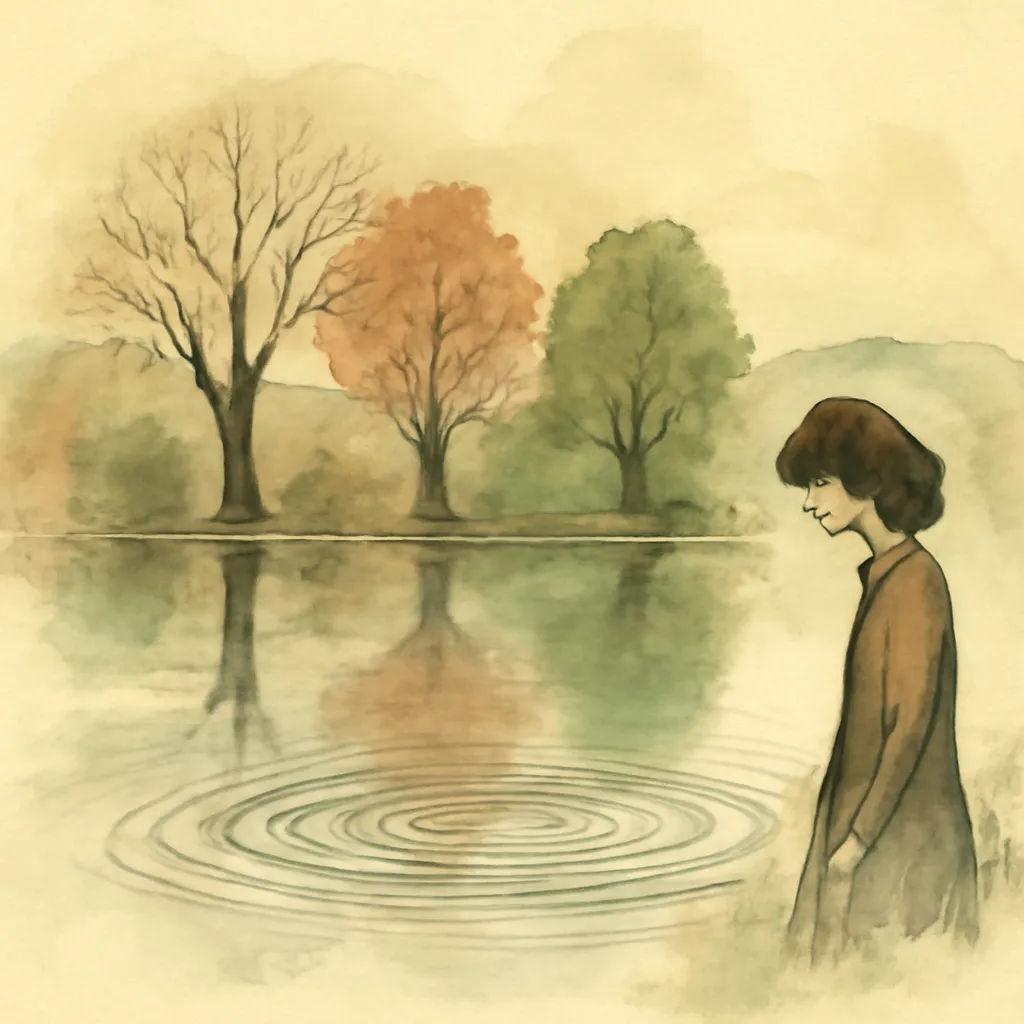
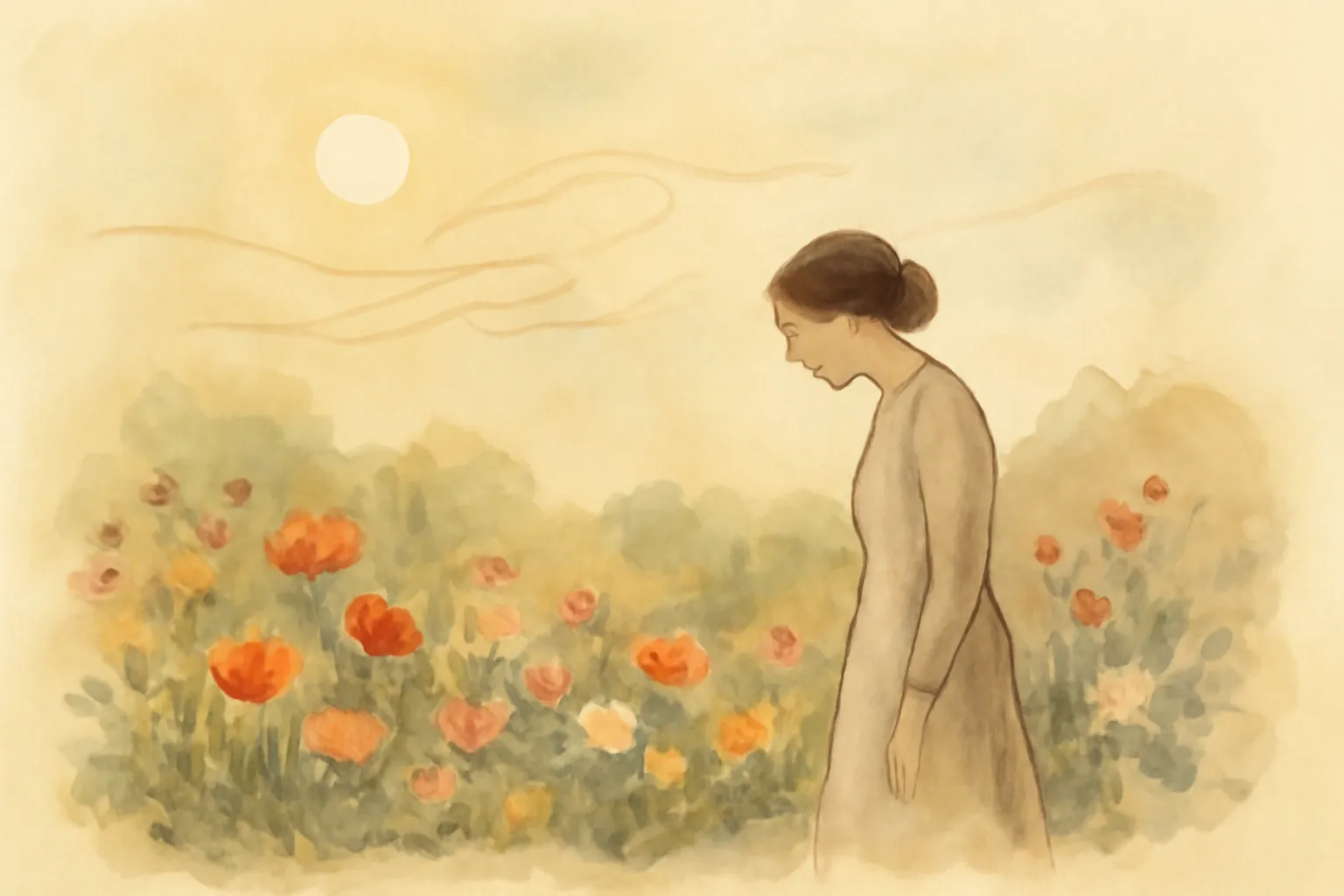
Nature plays an essential role in 'Molly Bawn,' serving as both a backdrop and a reflection of the characters' emotional landscapes. The idyllic English countryside, with its vibrant gardens and tranquil lakes, mirrors the beauty and complexity of Molly's feelings for Luttrell. Descriptions of the setting evoke a sense of peace and joy, contrasting with the inner turmoil experienced by the characters. For instance, the lush gardens where Molly and Luttrell share moments of connection symbolize the blossoming of their romance. However, as tensions rise and misunderstandings unfold, the natural world also reflects the characters' emotional struggles. The interplay between nature and emotion enriches the narrative, inviting readers to consider how the environment influences human experiences. The scene where the sun-drenched garden is described during a pivotal moment between Molly and Luttrell perfectly encapsulates the beauty of their budding romance while simultaneously foreshadowing the challenges ahead.
6.The Complexity of Jealousy and Possession
Jealousy emerges as a powerful theme in 'Molly Bawn,' complicating relationships and emotional dynamics. Characters grapple with feelings of jealousy as they navigate their affections for one another. Sir Penthony's jealousy toward Talbot Lowry's interest in Lady Stafford illustrates how possessiveness can breed tension and conflict. This jealousy often stems from insecurity and fear of loss, prompting characters to act out in ways that can jeopardize their relationships. The novel explores how jealousy can distort perceptions of love, leading to misunderstandings and emotional turmoil. Through the experiences of various characters, the narrative highlights the destructive potential of jealousy while also suggesting that open communication and trust are essential in overcoming these challenges. These dynamics come to a head in pivotal interactions, where misunderstandings stemming from jealousy threaten the bonds between characters.
7.The Illusion of Social Class and Identity
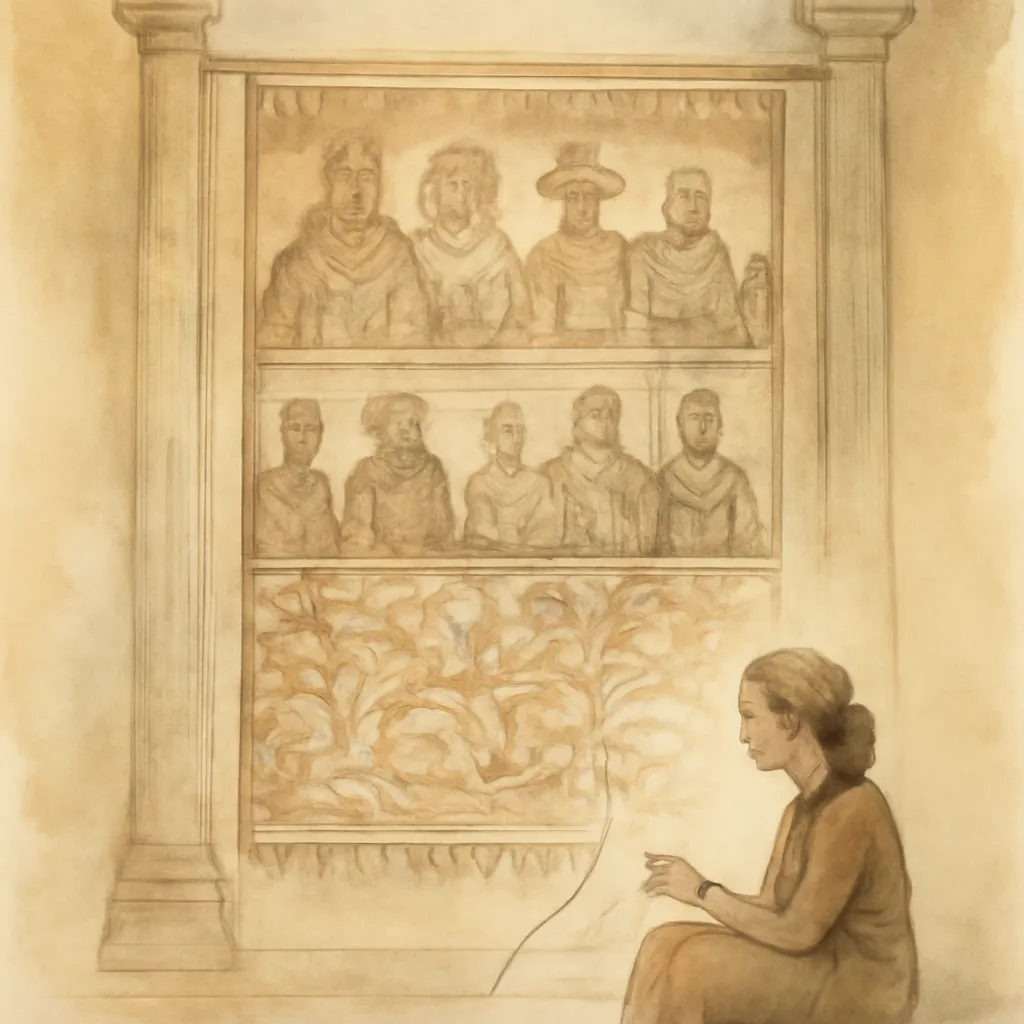
Social class plays a pivotal role in shaping the characters' identities and relationships in 'Molly Bawn.' The novel critiques the rigid class structures of the time, illustrating how they influence perceptions of worth and belonging. Molly's status as a lower-class girl with noble heritage complicates her interactions with the upper-class characters at Herst Royal. Her experiences reveal the tension between social expectations and personal aspirations, as she navigates her desire for acceptance within elite circles. Additionally, characters like Luttrell challenge these class distinctions through their genuine affection for Molly, suggesting that love transcends societal barriers. The novel ultimately advocates for a more fluid understanding of identity, encouraging readers to consider the ways in which love and connection can defy social constraints. This theme is most clearly illustrated when Molly's nobility is juxtaposed with her humble upbringing, emphasizing the complexity of her identity and her place within the social hierarchy.
8.The Influence of Friendship on Romantic Choices

Friendship serves as a critical influence on the characters' romantic decisions in 'Molly Bawn.' The bonds between characters often shape their perceptions of love and affect their choices. For instance, Molly's friendship with Letitia influences her views on societal expectations and romantic pursuits. Letitia's cautious approach to relationships contrasts with Molly's impulsive nature, highlighting the diverse ways in which friendship can guide behavior. Additionally, the camaraderie among the male characters, particularly Luttrell and John, affects their interactions with Molly, as they navigate their feelings within the context of their friendships. The novel emphasizes the importance of these relationships, suggesting that friendship provides both support and complexity in the pursuit of love. The moments shared between Molly and Letitia reveal how their contrasting perspectives inform each other's decisions and ultimately contribute to the narrative's romantic entanglements.
9.The Pursuit of Happiness Amidst Societal Constraints
Ultimately, 'Molly Bawn' is a story about the pursuit of happiness in a world filled with societal constraints and expectations. Characters grapple with their desires for love and fulfillment while navigating the rigid structures of their social environment. Molly's journey reflects the struggle to carve out her own identity and find happiness amidst the pressures of family legacy and societal norms. The novel suggests that true happiness often requires courage and resilience, encouraging characters to challenge the status quo in pursuit of their dreams. While the path to fulfillment may be fraught with obstacles, the narrative ultimately champions the idea that love, authenticity, and personal agency are essential components of a meaningful life. The climactic moments in the narrative demonstrate how characters must confront their societal roles to embrace their desires, ultimately leading to a greater sense of fulfillment.
10.The Impact of Social Gatherings on Relationships
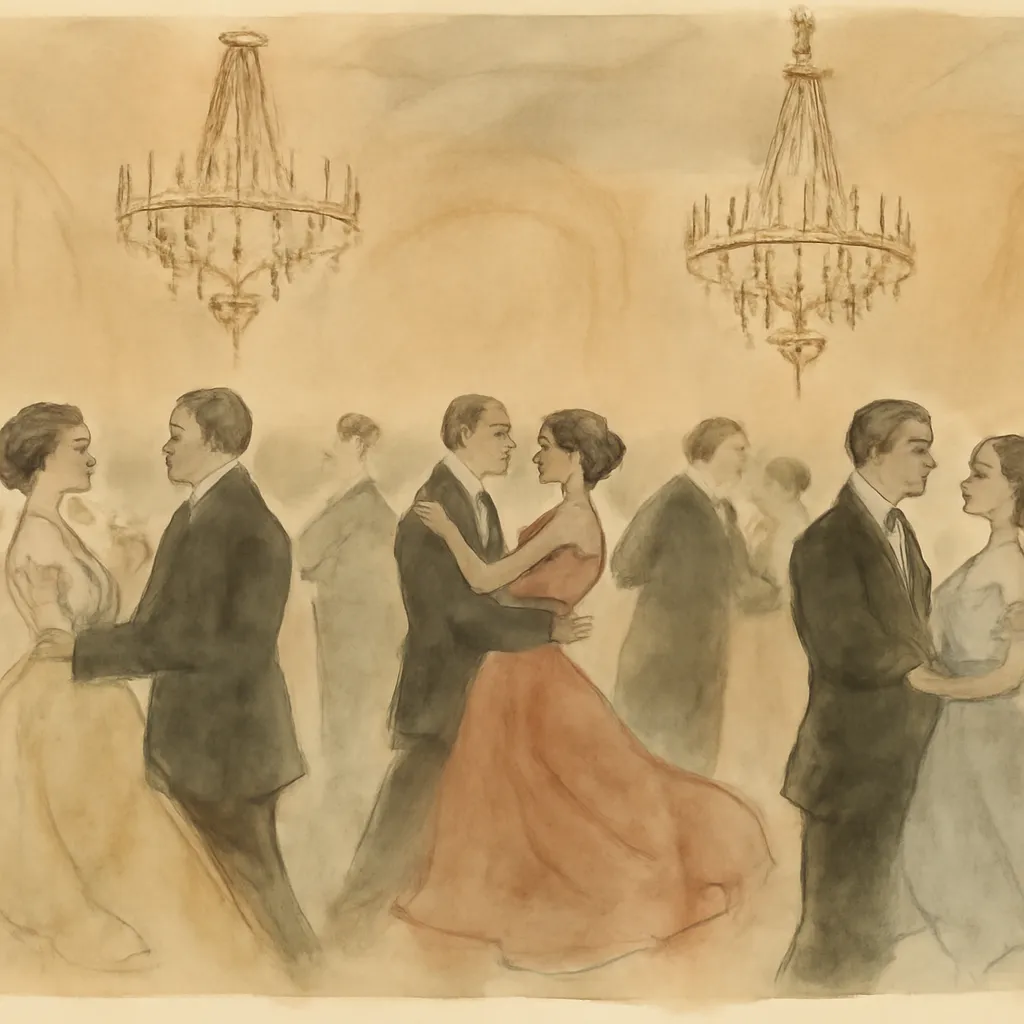
Social gatherings serve as critical turning points in 'Molly Bawn,' highlighting the interplay between public persona and private emotion. Events such as Lady Barton's invitation and the subsequent gatherings at Herst allow characters to showcase their social acumen while also revealing their vulnerabilities. These occasions often serve as arenas for flirtation, jealousy, and social maneuvering, illustrating how public interactions can significantly influence personal relationships. For example, during the gathering where Molly encounters Lord and Lady Rossmere, her behavior and interactions with Luttrell become a spectacle, both entertaining and revealing the underlying tensions present in their developing romance. The novel effectively critiques the superficiality of social gatherings, positioning them as both a stage for personal aspirations and a catalyst for deeper emotional conflicts.