1.The Weight of Expectations
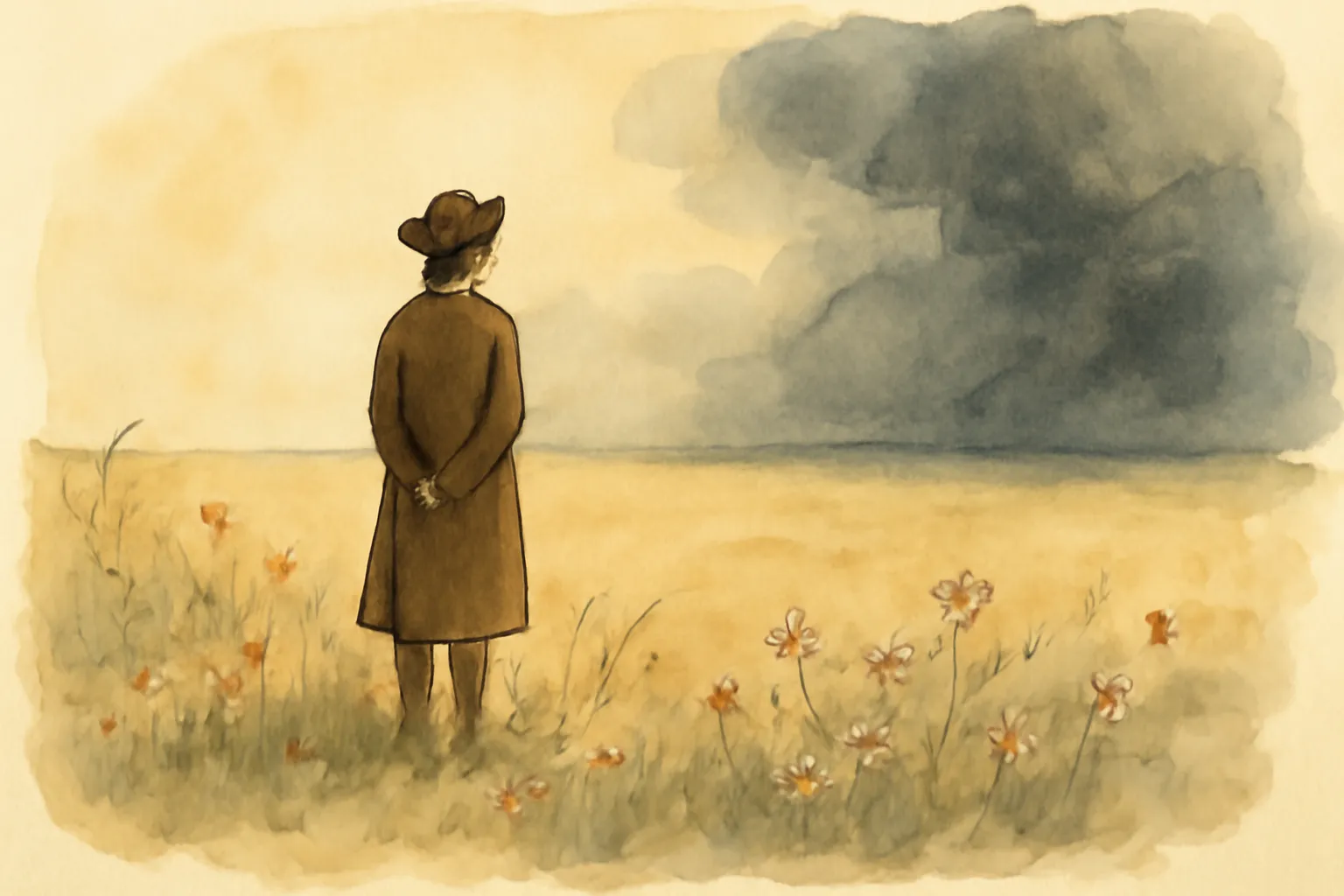
From the outset, Alcott highlights the societal pressures that dictate the lives of women like Sylvia. The narrative reveals how Sylvia grapples with the expectations placed upon her by her family and society, particularly in her relationships with men. Her sister Prue embodies the voice of practicality, urging Sylvia to engage with the world, yet Sylvia resists, feeling a profound dissatisfaction with external demands. This conflict illustrates the tension between personal desire and societal obligation, a theme that resonates throughout the novel as Sylvia's moods fluctuate in response to these pressures. Alcott masterfully portrays how the weight of expectations can stifle individuality and lead to a sense of entrapment. Sylvia's refusal to conform to societal norms highlights Alcott's critique of the era's rigid gender roles, emphasizing that the struggle for self-identity often comes at a cost.
2.The Complexity of Love
Alcott intricately weaves the theme of love through Sylvia's relationships with Geoffrey Moor and Adam Warwick, showcasing the different facets of romantic entanglement. Sylvia's initial infatuation with Warwick represents a youthful, passionate love that is idealized and filled with longing. In contrast, her relationship with Moor evolves into a more stable and grounded partnership, reflecting a deeper understanding of companionship. Alcott explores how love can be both a source of joy and a catalyst for personal growth, as Sylvia learns to navigate her feelings and the realities of her relationships. This duality in love serves to illustrate that true intimacy often requires sacrifice, understanding, and the courage to confront one's own vulnerabilities. Alcott's portrayal of love also critiques the romantic ideals of the time, suggesting that genuine affection transcends superficial attraction and is rooted in mutual respect and understanding.
3.The Journey of Self-Discovery
Sylvia's journey is marked by a profound quest for self-discovery, as she transitions from the innocence of girlhood to the complexities of womanhood. Alcott captures the essence of this transformation through Sylvia's introspective moments, where she reflects on her past and contemplates her future. The author artfully contrasts Sylvia's youthful whims with the weight of adult responsibilities, emphasizing the internal conflict that arises from this transition. Sylvia's experiences, including her time spent on the river and the emotional turbulence of her relationships, serve as catalysts for her growth. Alcott suggests that self-discovery is not a linear path, but rather a series of ebbs and flows, mirroring the unpredictable nature of human emotion. This theme is particularly evident as Sylvia faces her fears and desires, ultimately leading to a deeper understanding of her identity and aspirations.
4.The Role of Nature in Healing
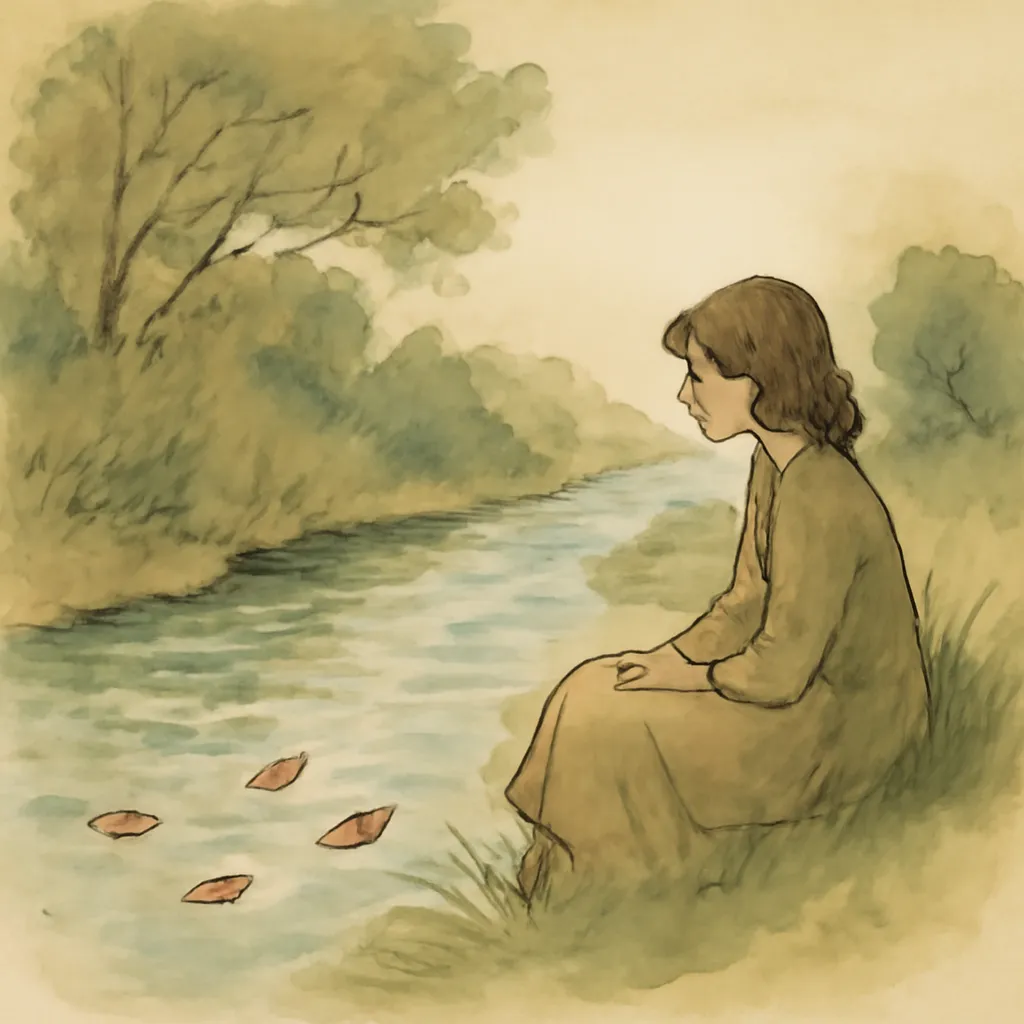
Alcott employs nature as a powerful backdrop in 'Moods', using it to reflect the characters' emotional states and facilitate their healing processes. The river, for instance, symbolizes both the passage of time and the fluidity of emotions, offering Sylvia a space to reflect on her life and choices. During moments of turmoil, nature serves as a refuge, providing solace and clarity. As Sylvia interacts with the natural world, her moods shift, illustrating the therapeutic effects of the environment on her psyche. Alcott's vivid descriptions of the landscape not only enhance the narrative but also underscore the intrinsic connection between humanity and nature, suggesting that healing often lies in the embrace of the natural world. The tranquility found in nature allows characters like Sylvia to confront their feelings and find peace amid emotional chaos.
5.The Dichotomy of Freedom and Constraint
Throughout 'Moods', Alcott explores the dichotomy of freedom versus constraint, particularly in the context of women's roles in society. Sylvia's internal struggles often reflect her desire for autonomy while grappling with the limitations imposed by her family and societal norms. Alcott poignantly illustrates how these constraints can lead to feelings of entrapment and frustration, prompting Sylvia to seek liberation through her choices. This theme resonates with readers as it raises questions about the true nature of freedom—whether it is merely the absence of constraints or the ability to make empowered choices. Alcott's nuanced portrayal of this struggle invites readers to reflect on their own experiences with freedom and the societal structures that shape their lives. As Sylvia navigates her relationships, she seeks to balance the constraints of duty with her desires, ultimately questioning the very nature of her freedom.
6.The Impact of Mood on Perception
Alcott's title, 'Moods', encapsulates a central theme in the novel: the profound impact of emotional states on perception and behavior. Sylvia's moods fluctuate throughout the narrative, influencing her interactions with others and her understanding of herself. Alcott adeptly illustrates how these moods can distort reality, leading to misunderstandings and misinterpretations in relationships. For example, Sylvia's despondency leads her to withdraw from the world, while moments of joy ignite her passion and desire for connection. This exploration of mood serves as a reminder of the intricate interplay between emotions and human experience, emphasizing that our perceptions are often colored by our internal states. Alcott's exploration of mood highlights the need for emotional awareness, as characters navigate their feelings and the consequences of their actions, revealing the complexity of human interactions.
7.The Consequences of Unfulfilled Aspirations
Alcott poignantly addresses the consequences of unfulfilled aspirations through the character of John Yule, Sylvia's father. His life serves as a cautionary tale about the dangers of sacrificing personal dreams for societal approval. Yule's regret and bitterness manifest in his relationships with his children, particularly with Sylvia, as he grapples with the weight of his own choices. Alcott illustrates how unfulfilled aspirations can breed resentment and discontent, affecting not only the individual but also their loved ones. This theme invites readers to reflect on their own aspirations and the importance of pursuing passions that align with one's true self, rather than conforming to external expectations. John Yule's character serves as a stark reminder of the costs associated with neglecting personal fulfillment, showcasing how the burden of regret can cloud one's relationships and overall happiness.
8.The Power of Friendship
Friendship emerges as a vital theme in 'Moods', providing support and solace amidst the challenges faced by the characters. Alcott portrays the bond between Sylvia and her sister Prue as a source of strength, illustrating how familial relationships can offer comfort during turbulent times. Prue's unwavering encouragement and practical advice serve as a grounding force for Sylvia, helping her navigate her emotional landscape. Additionally, the friendships formed with Geoffrey and Adam provide moments of joy and companionship, showcasing the importance of connection in the journey of self-discovery. Alcott emphasizes that true friendship enriches life, offering a sense of belonging and understanding that is essential for personal growth. The supportive relationships in Sylvia's life serve as a counterbalance to her romantic struggles, reinforcing the notion that love comes in many forms beyond the romantic.
9.The Influence of Art and Creativity
Art and creativity play a significant role in 'Moods', serving as a means of expression and self-discovery for Sylvia. Alcott highlights her protagonist's artistic endeavors, whether through drawing or music, as a reflection of her inner thoughts and emotions. These creative outlets not only provide solace but also allow Sylvia to explore her identity and aspirations. Alcott suggests that engaging in artistic pursuits can foster personal growth, offering a pathway to understanding oneself more deeply. Sylvia's creative expressions often mirror her emotional states, revealing the connection between art and personal experience. This theme resonates with readers, emphasizing the importance of creativity in navigating the complexities of life and emotions, and encouraging individuals to embrace their artistic inclinations as a means of self-exploration.
10.The Interplay of Joy and Sorrow
Alcott masterfully portrays the interplay of joy and sorrow throughout 'Moods', illustrating how these contrasting emotions coexist within the human experience. Sylvia's journey is marked by moments of elation and despair, reflecting the complexity of life itself. Alcott emphasizes that joy often emerges in the wake of sorrow, suggesting that the two emotions are intertwined and essential to personal growth. For instance, Sylvia's happiest moments are often juxtaposed with profound moments of reflection and grief, particularly in her relationships. This exploration of emotional duality invites readers to embrace the full spectrum of their feelings, recognizing that both joy and sorrow contribute to the richness of life. Alcott's nuanced depiction of these emotions encourages readers to accept the inevitable ups and downs of existence as integral to their personal narratives.