1.The Ordinary Mask of Genius
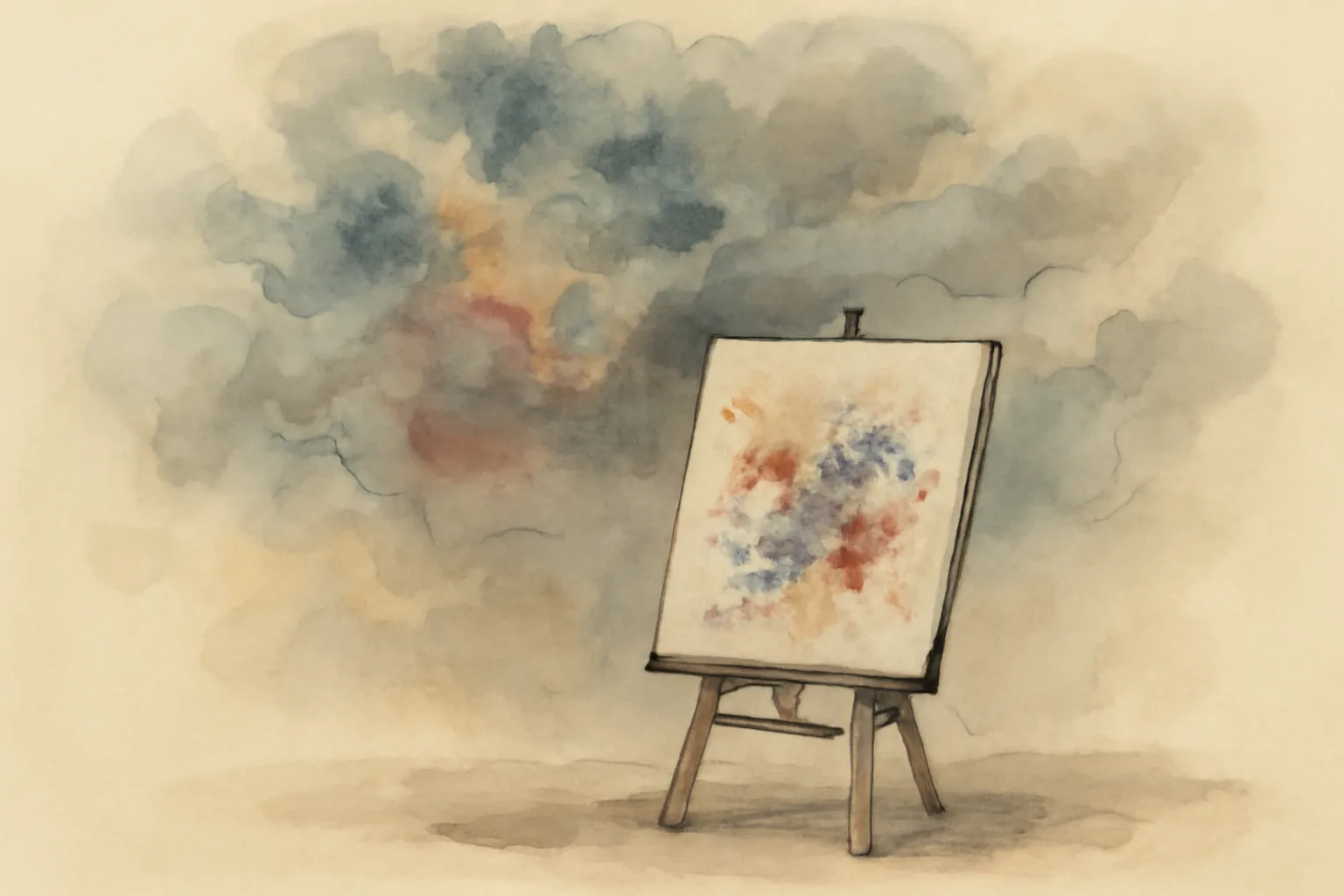
Charles Strickland is introduced as an unremarkable stockbroker, blending seamlessly into the fabric of middle-class life. His outward normalcy masks a profound inner turmoil and artistic genius that he himself does not fully understand. This duality raises questions about the nature of genius: can it exist unnoticed in the mundane? Maugham suggests that true greatness often hides behind the facade of ordinary existence, making it difficult for society to recognize and appreciate those who possess it. Strickland's life serves as a reminder that genius can emerge from the most unexpected places, challenging readers to reconsider their perceptions of talent and success.
2.The Price of Artistic Pursuit
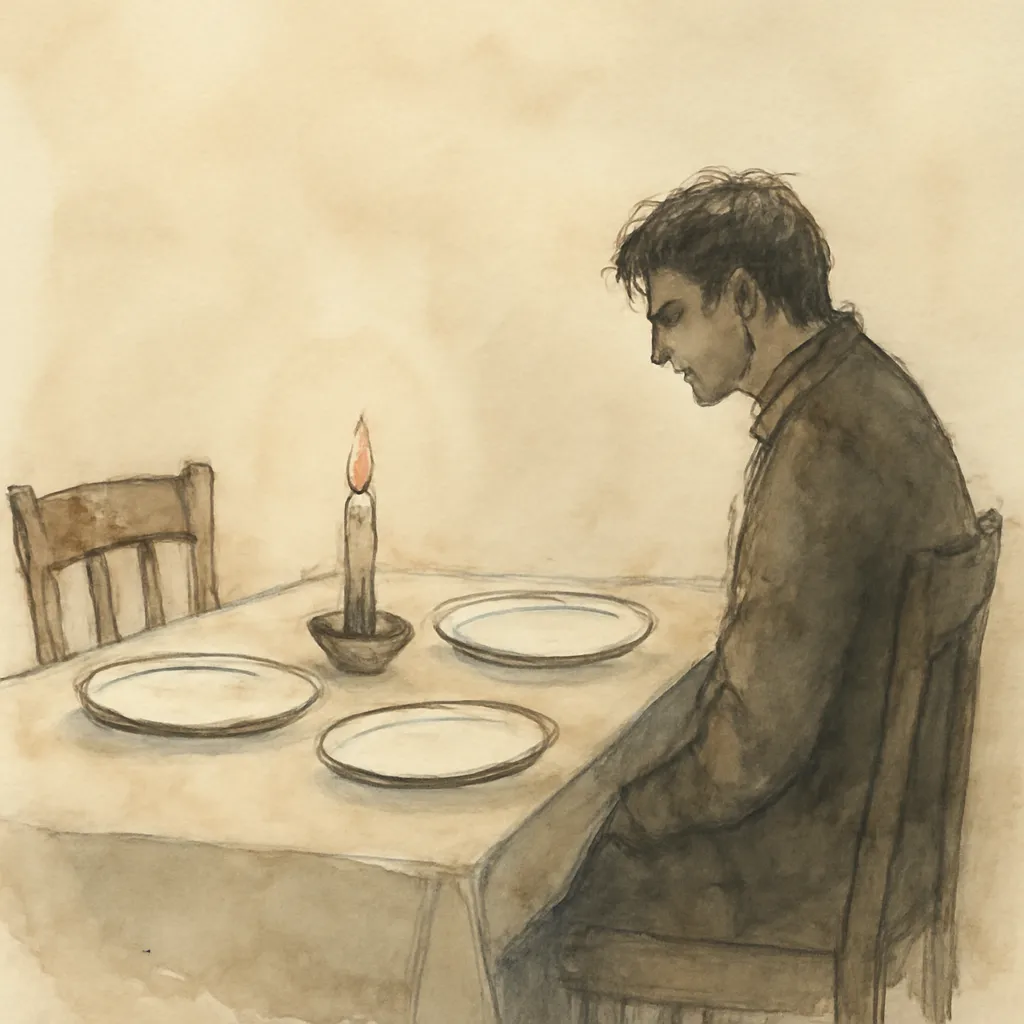
Strickland’s decision to abandon his family and conventional life for the sake of painting highlights the sacrifices often made by artists in the pursuit of their craft. Maugham illustrates this theme through Strickland's complete disregard for societal expectations and personal relationships. He leaves behind a wife and children without hesitation, driven by an insatiable need to express himself through art. This radical choice forces readers to confront the ethical implications of artistic ambition: does the quest for artistic authenticity justify the pain it causes others? Strickland’s journey becomes a reflection on the moral dilemmas faced by those who choose art over conventional life, emphasizing that the path of creation is often fraught with personal cost.
3.The Role of the Observer
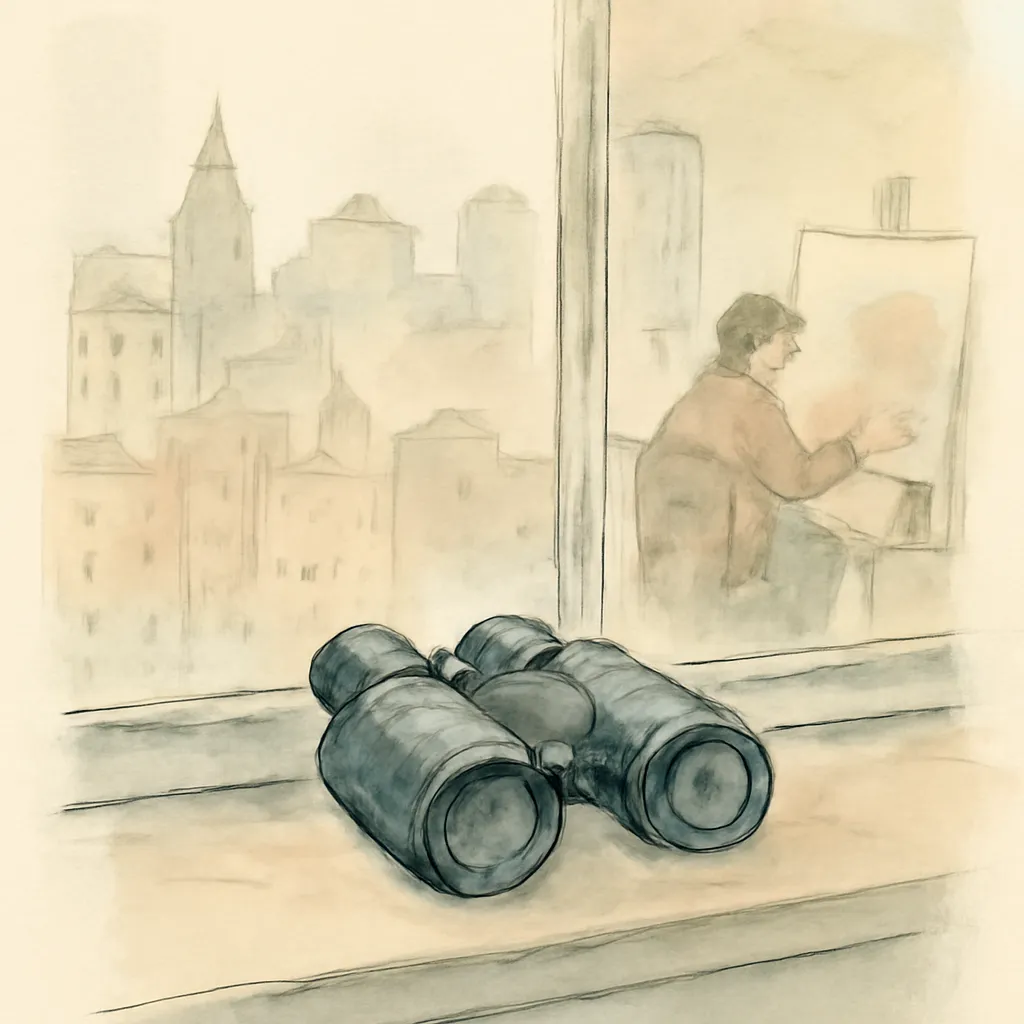
The novel is narrated by a character who serves as both a participant and an observer in Strickland's life. This dual role allows Maugham to explore the complexities of the artist's life through a lens of curiosity and admiration. The narrator’s reflections on Strickland's decisions provide insight into the often-misunderstood nature of artistic genius. He grapples with his feelings of fascination and revulsion towards Strickland, embodying the conflict that many feel when confronted with unconventional creative minds. This perspective forces readers to consider how the observer influences the narrative of an artist’s life and the subjective nature of art appreciation itself.
4.Art as a Reflection of the Soul
Maugham posits that art is not merely a product of skill, but a profound reflection of the artist's inner turmoil and character. Strickland’s paintings, often disturbing and raw, reveal his complex personality and existential struggles. They serve as a window into his soul, suggesting that the act of creation is a deeply personal and sometimes painful process. The narrator’s musings on Strickland’s work illustrate how art can evoke strong emotional reactions, challenging viewers to confront their own feelings and beliefs. This theme emphasizes that true art transcends technical proficiency; it is an expression of the artist's essence and a commentary on the human experience.
5.Isolation and the Artist
Strickland's journey takes him to Tahiti, a remote location that symbolizes both his physical and emotional isolation. This setting becomes a crucial backdrop for his artistic evolution, allowing him to escape societal constraints and delve into his creative process. Maugham explores the theme of isolation as a necessary condition for artistic growth, suggesting that solitude can foster deep introspection and creativity. However, this isolation also comes with its own set of challenges, as Strickland grapples with loneliness and the consequences of his choices. The contrast between the beauty of his surroundings and the darkness of his internal struggles underscores the complexities of the artist's experience.
6.The Complexity of Relationships
Strickland's relationships, particularly with his wife and later with his lover, reveal the intricate dynamics between personal connections and artistic ambition. His marriage is characterized by emotional distance, as Strickland’s obsession with art eclipses his responsibilities as a husband and father. Maugham highlights how Strickland’s single-minded pursuit of art alienates those around him, raising questions about the nature of love and commitment. The tension between his desire for authentic expression and the expectations of intimate relationships reflects the broader struggle that many artists face: how to balance personal fulfillment with the needs of others. This exploration of relationships serves to illustrate the often painful intersections between love, duty, and the pursuit of one’s passion.
7.Genius vs. Madness
Maugham delves into the fine line between genius and madness, suggesting that the traits often associated with artistic brilliance can also lead to destructive behavior. Strickland’s relentless pursuit of his vision is accompanied by moments of irrationality and social detachment, prompting the narrator to question the stability of his mind. This theme invites readers to consider the societal perceptions of artists as both creators and outcasts, often grappling with their inner demons. Maugham’s portrayal of Strickland challenges the romanticized notion of the tortured artist, suggesting that while genius may come with a price, it is not inherently linked to madness. This nuanced exploration complicates the understanding of what it means to be an artist in a world that often misunderstands their struggles.
8.The Influence of Environment on Creativity
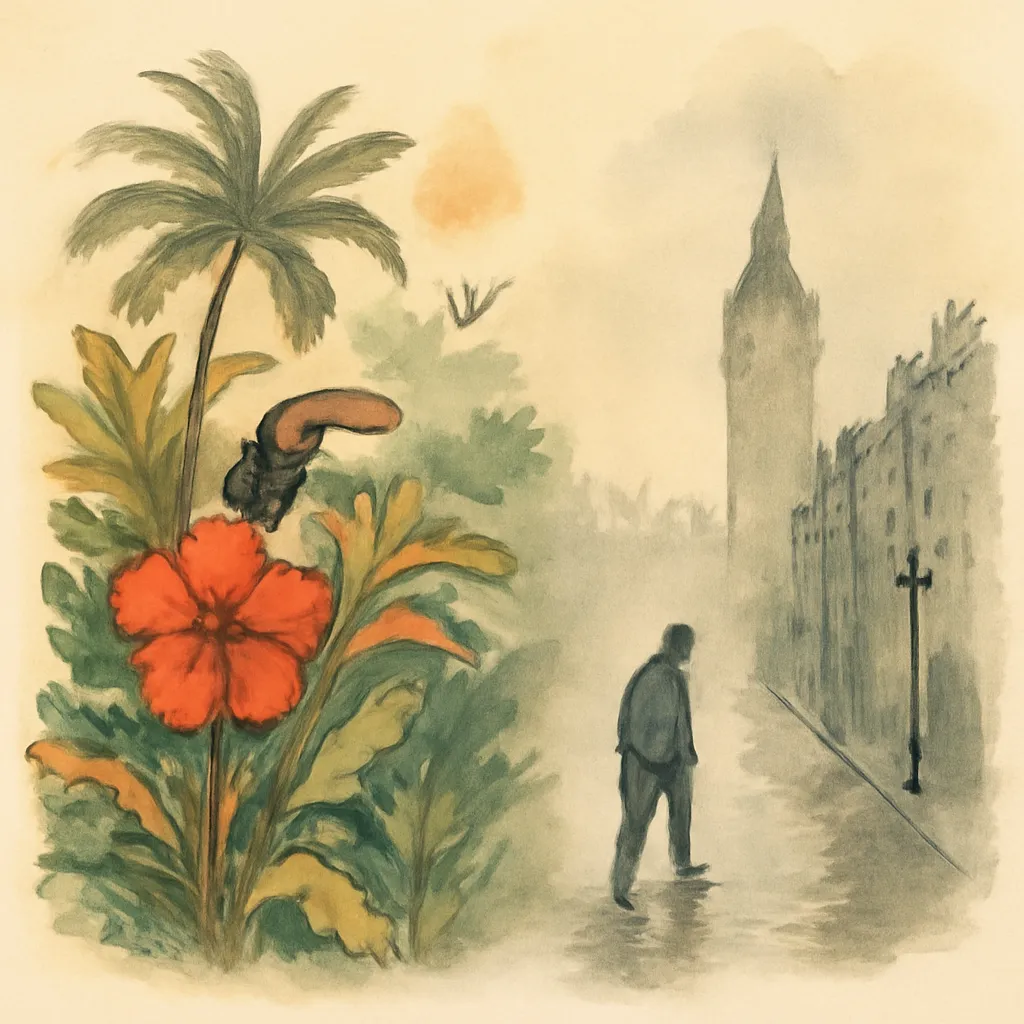
Strickland’s artistic transformation is significantly influenced by his environment, particularly his time spent in Tahiti. Maugham contrasts the vibrant, unspoiled beauty of the island with the constraints of Strickland’s previous life in London, suggesting that the environment plays a crucial role in shaping an artist’s work. The lush landscapes and cultural richness of Tahiti inspire Strickland to create art that is bold and evocative, reflecting his newfound freedom. This theme underscores the importance of context in the creative process, prompting readers to consider how different settings can cultivate or stifle artistic expression. Maugham’s depiction of Strickland’s environment highlights the interconnectedness of place, identity, and creativity.
9.The Nature of Success and Recognition
Throughout the novel, Maugham explores the concept of success and the often-elusive nature of artistic recognition. Strickland's work, initially dismissed and ridiculed, eventually gains appreciation posthumously, raising questions about the criteria by which art is judged. Maugham suggests that societal validation is often fickle and can be influenced by trends and prevailing tastes. This commentary on the art world invites readers to reflect on the complexities of artistic success: is it defined by popularity, critical acclaim, or personal fulfillment? Strickland’s journey serves as a reminder that true artistry may not always align with conventional measures of success, challenging the notion that recognition is the ultimate goal for every artist.
10.Legacy and the Impact of Art
The novel culminates in a reflection on Strickland’s legacy, prompting readers to consider the enduring impact of art beyond the artist’s lifetime. Maugham illustrates how Strickland’s work continues to evoke interest and provoke thought long after his death, emphasizing the timeless nature of genuine artistic expression. This theme speaks to the power of art to transcend the individual, influencing future generations and shaping cultural narratives. Strickland’s story ultimately raises questions about what it means to leave a mark on the world: is it through personal relationships, societal contributions, or the art one creates? Maugham’s exploration of legacy invites readers to ponder the lasting significance of creative endeavors and their ability to inspire others.