1.Heritage as a Binding Force
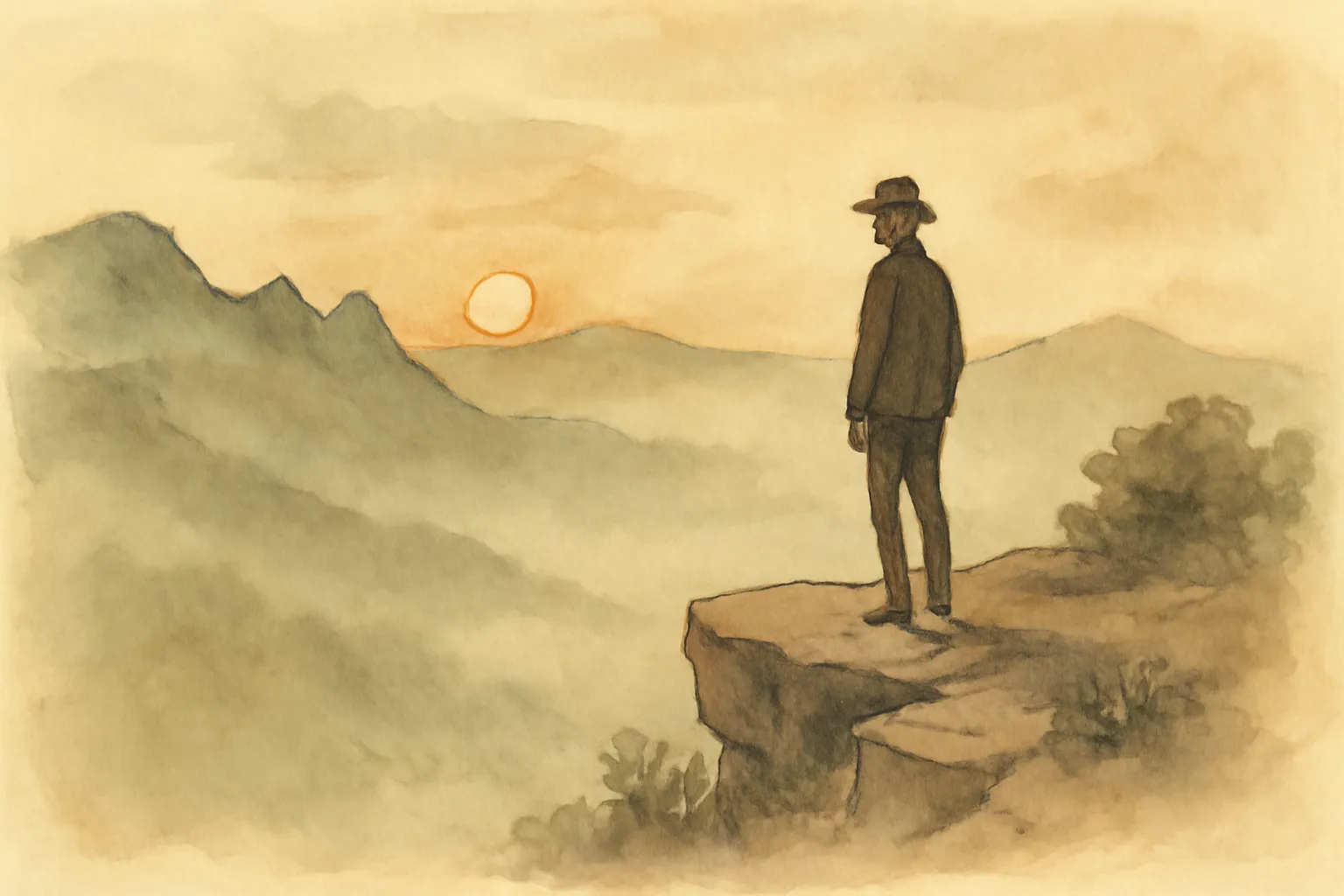
The influence of heritage looms large in Gordon Makimmon's life, shaping his identity and choices. The novel opens with Gordon's departure from Stenton, yet his connection to the place remains palpable. His family history—a lineage marred by alcohol abuse and failure—casts a long shadow over his ambitions. Gordon's grandfather, who fled from Scotland, embodies the legacy of loss and defeat, having succumbed to the bottle after seeing his dreams fade. This heritage is not merely a backdrop; it is an active force that dictates much of Gordon's behavior and decisions. The expectations of his ancestors weigh heavily on him, creating an internal conflict where his desire to break free from the cycle of despair clashes with the obligation to uphold family legacy. Hergesheimer delves into this theme, illustrating how the scars of the past can both inspire and hinder personal growth, forcing readers to consider how their own backgrounds shape their lives.
2.The Dichotomy of Community and Isolation
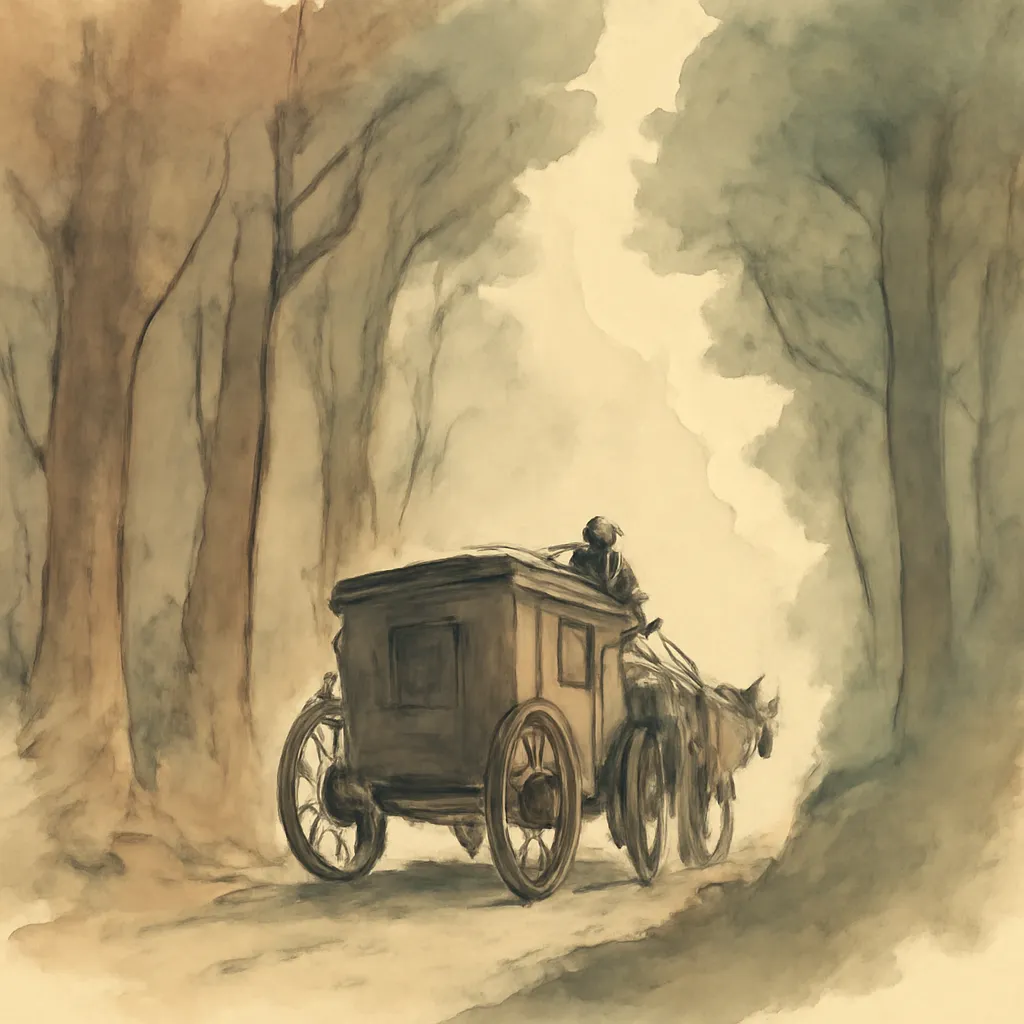
Greenstream functions as a microcosm of rural life, representing both the comfort of community and the suffocating nature of isolation. The stagecoach ride into the mountains serves as a powerful metaphor for Gordon's journey into a world where he faces the complexities of social dynamics. The residents of Greenstream are keenly aware of each other's lives, their curiosity often tinged with suspicion towards outsiders. Hergesheimer expertly portrays the duality of Greenstream residents—curious yet suspicious of newcomers, supportive yet critical of one another. This tight-knit nature fosters connections but also breeds an environment where conformity is paramount. Gordon’s struggle to carve out his own identity amidst these communal pressures allows readers to reflect on the universal experience of feeling trapped by societal expectations while yearning for personal freedom. The characters, including the priest Father Merlier, embody this tension as they navigate their individual desires within the confines of a watchful community.
3.Ambition's Complications and Consequences
Gordon's ambition is a driving force that propels him through the narrative, underscoring the human desire for purpose and recognition. Initially, his dreams are lofty, filled with the promise of success that seems just out of reach. However, as he navigates life in Greenstream, the harsh reality of his circumstances becomes increasingly clear. The disparity between his aspirations and the stifling environment of Greenstream often leads to frustration and disappointment. Hergesheimer illustrates the conflicts between ambition and the stark limitations imposed by one's environment. Characters like Buckley Simmons represent the opportunistic elements in society that can manipulate and exploit ambition for their own gain. Gordon’s encounters with such individuals challenge his sense of self-worth, illustrating how ambition can lead to both personal and moral dilemmas. This nuanced portrayal invites readers to consider the price of ambition and the sacrifices one must endure to achieve it.
4.Relationships as Mirrors of Internal Conflict

The various relationships in 'Mountain Blood' serve as reflections of Gordon's internal struggles, particularly his conflicting emotions regarding love and duty. His marriage to Clare is characterized by a sense of obligation rather than passion, positioned as a practical union that lacks the fire of genuine affection. Clare, with her delicate demeanor, embodies the traditional roles expected of women in their community, adding to the weight of Gordon's ambivalence. In contrast, his interactions with Lettice Hollidew awaken desires within him that challenge his sense of loyalty and highlight the deep emotional currents in his life. Hergesheimer deftly illustrates the tension between duty and desire, exploring how societal norms dictate personal relationships. The emotional depth of these connections invites readers to reflect on their own experiences with love, loyalty, and the complexities of human interaction, emphasizing that relationships often reveal our deepest vulnerabilities.
5.Nature as a Reflective Canvas

Hergesheimer’s vivid imagery of the Appalachian landscape is instrumental in shaping the narrative, mirroring the characters' emotional states and struggles. The natural world in 'Mountain Blood' is not just a backdrop but an active participant in the story, influencing the characters’ actions and decisions. As Gordon ascends the mountains, the shifting scenery symbolizes his internal journey—moving from the oppressive heat of Stenton to the refreshing coolness of the mountain gorge represents a quest for clarity and liberation. The duality of nature, with its breathtaking beauty juxtaposed against its indifference, reflects the harsh realities of life and the characters' struggles. Hergesheimer's descriptions of the mountains, forests, and streams evoke a sense of both wonder and danger, illustrating how nature can inspire but also intimidate. This interplay between environment and emotion underscores the theme that the external world can significantly affect one's internal landscape, urging readers to consider their own connections to nature and how it shapes their experiences.
6.Faith, Morality, and Redemption
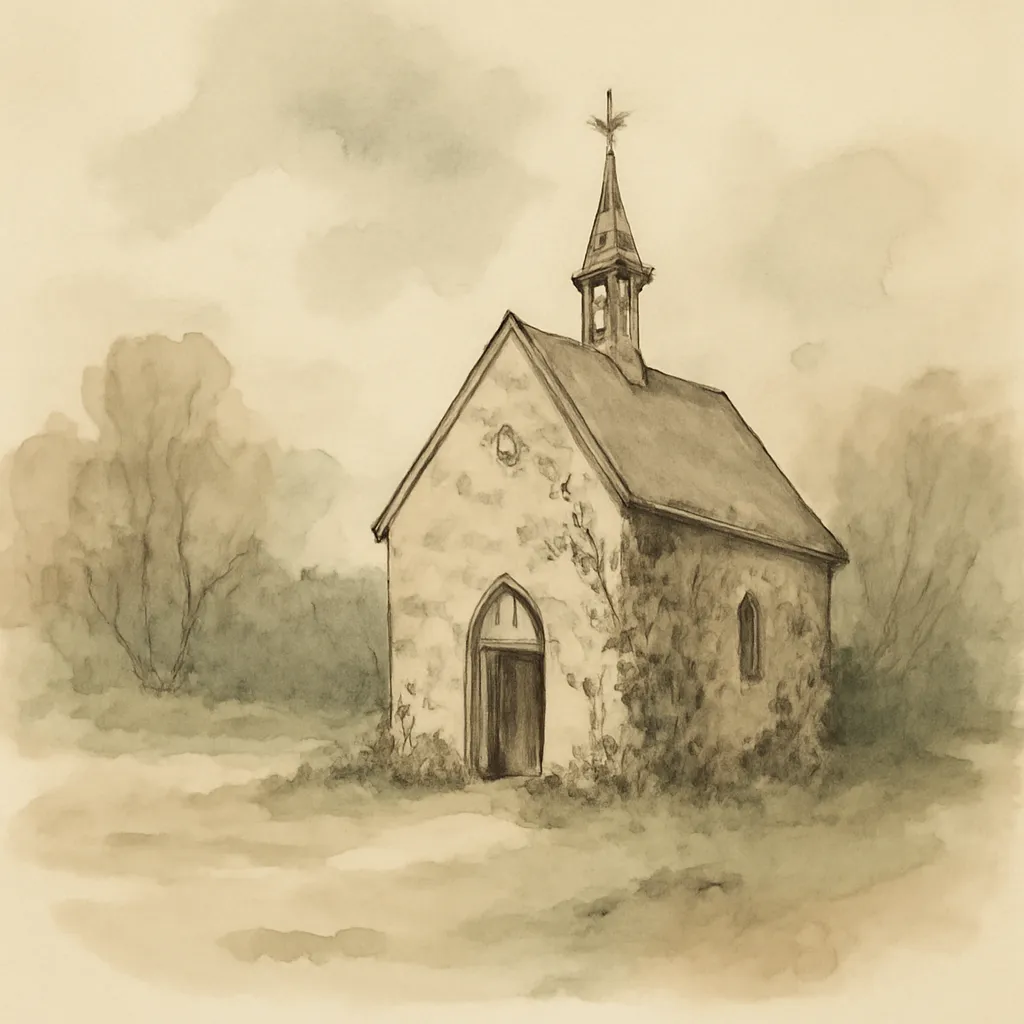
The character of Father Merlier introduces significant themes of faith and morality, compelling Gordon to confront his own beliefs and choices. As a priest in a predominantly Protestant community, Merlier embodies the complexities of faith, navigating the challenges of conversion and acceptance within Greenstream. His moral convictions stand in stark contrast to the ambitions and desires of the characters, particularly Gordon, who grapples with the implications of his choices. Merlier's unwavering faith serves as a beacon for Gordon, yet it also highlights the tension between personal ambition and moral responsibility. The theme of redemption surfaces as Gordon embarks on a journey of self-discovery, exploring the consequences of his decisions and the possibility of transformation. This exploration invites readers to reflect on their own moral compass and the paths toward redemption in their lives, suggesting that personal growth often requires confronting uncomfortable truths.
7.The Illusion of Control in Life's Journey
Gordon's attempts to assert control over his life often lead to unexpected consequences, illustrating the novel's exploration of free will versus determinism. Hergesheimer presents a character whose ambitions are continually thwarted by external circumstances and personal choices. The pivotal moment of gambling his money exemplifies this theme, revealing how a single decision can spiral into chaos. Gordon's realization that he cannot fully control his destiny resonates with the broader human experience, where life’s unpredictability can thwart even the best-laid plans. This tension between agency and circumstance is intricately portrayed, prompting readers to reflect on the extent to which they can shape their own lives amidst the forces of fate. The consequences of Gordon's actions serve as a reminder that while ambition drives us forward, it is often our choices that determine the trajectory of our journeys.
8.The Cost of Compromise and Integrity

Throughout 'Mountain Blood,' characters face the ramifications of their compromises, particularly regarding integrity and ambition. Gordon’s decisions often lead to personal and familial crises, highlighting the perils of sacrificing one’s values for fleeting gains. His willingness to gamble away his future encapsulates this theme, serving as a cautionary tale about the potential costs of compromising personal integrity. Hergesheimer underscores that the choices we make, even seemingly innocuous ones, can have far-reaching consequences. The interactions between Gordon and characters like Buckley Simmons and Pompey Hollidew further illustrate the moral complexities of navigating ambition in a world filled with ethical ambiguity. This exploration of compromise prompts readers to reflect on their own values and the importance of remaining true to oneself in the face of societal pressures, ultimately suggesting that integrity is the foundation upon which a fulfilling life is built.
9.Redemption as an Ongoing Journey
The quest for redemption is a central theme in Gordon's narrative arc, as he grapples with the consequences of his actions and the weight of his past. Hergesheimer portrays redemption not as a singular moment but as an ongoing journey marked by reflection and growth. As Gordon confronts the reality of his choices—both good and bad—he begins to understand the significance of integrity and responsibility. This process of transformation illustrates that redemption is not merely about forgiveness but also about taking ownership of one's actions and striving for personal growth. Through Gordon’s journey, readers are encouraged to consider their own paths towards redemption and the continuous nature of self-discovery, emphasizing that the journey toward personal integrity is as important as the destination.
10.Fate and Free Will Intertwined
The interplay between fate and free will is a recurring theme that permeates the narrative, as characters navigate their circumstances while seeking autonomy. Gordon's journey is fraught with instances where he must choose between adhering to the expectations of his heritage and forging his own path. Hergesheimer delicately weaves this theme throughout the story, illustrating how individual choices can significantly shape one's destiny while simultaneously being influenced by external circumstances. The tension between these forces is intricately portrayed, prompting readers to reflect on the extent to which their own lives are shaped by their decisions in relation to the inevitable forces of fate. This exploration of fate versus free will suggests that while we may not control every aspect of our lives, the choices we make are powerful and transformative.