1.The Roots of Activism
Pankhurst’s journey as an activist began in her childhood, shaped by the fervent discussions about slavery and emancipation within her family. Her mother’s active participation in fundraising for the newly freed American slaves exposed her to issues of injustice from an early age. Pankhurst recalls her vibrant memories of the bazaar in Manchester, where she contributed to the collection efforts as a small child, reflecting on how those experiences instilled a sense of duty towards social justice. The conversations around her home were not only about rights but about the moral imperative to fight against oppression. This early involvement created a foundation for her understanding of activism as a personal and communal responsibility that would ultimately lead her to become one of the most prominent figures in the fight for women’s rights.
2.The Political Landscape of Early Suffrage
In the late 19th century, the women's suffrage movement faced significant political challenges, exemplified by the failure of suffrage bills in Parliament. Pankhurst recounts her husband’s political endeavors, where despite his popularity, he faced defeat due to the political machinations of the Home Rule movement. This experience taught her valuable lessons about political strategy and the importance of perseverance. She recognized that the suffrage struggle was not merely about gaining the vote but about positioning women within the broader political landscape. Pankhurst became acutely aware that the political systems were often designed to marginalize women’s voices. The defeat of suffrage bills was not merely a setback; it illustrated the entrenched resistance against any extension of rights to women, compelling her to take more radical steps towards achieving their goals.
3.Militancy as a Strategy
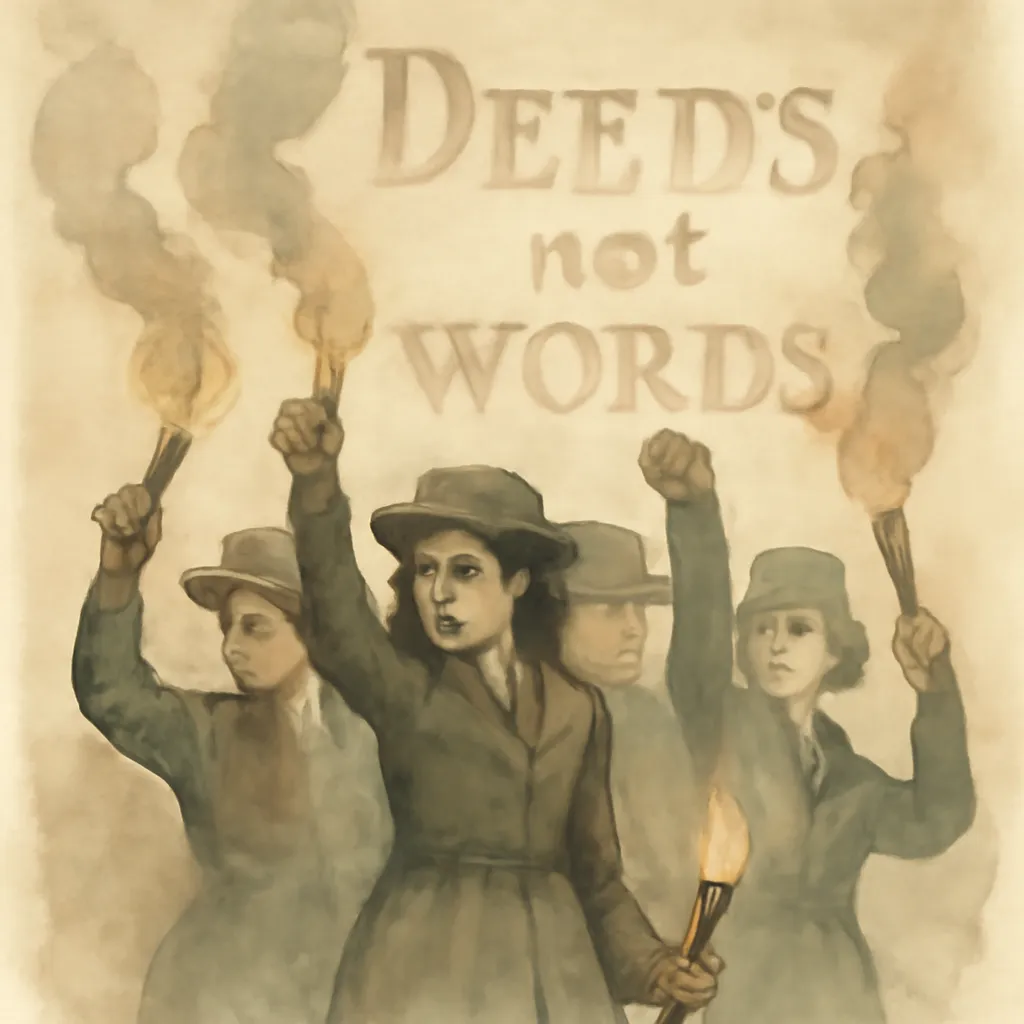
The formation of the WSPU marked a significant shift in the suffrage movement, moving from traditional lobbying to militant action. Under Pankhurst's leadership, the WSPU adopted the motto 'Deeds, not words,' emphasizing that they would no longer settle for passive activism. The WSPU’s approach included protests, demonstrations, and civil disobedience, which were designed to capture public attention and force the government to acknowledge women's demands. Pankhurst believed that the existing suffrage associations were too complacent and that only through direct action could they achieve their goals. The adoption of militant tactics, including hunger strikes, vandalism, and public demonstrations, was a response to the government’s indifference and the societal norms that marginalized women’s voices. This militant stance was seen as necessary to break through governmental inertia, drawing attention to the seriousness of their demands and the urgency of political change.
4.The Women's Parliament
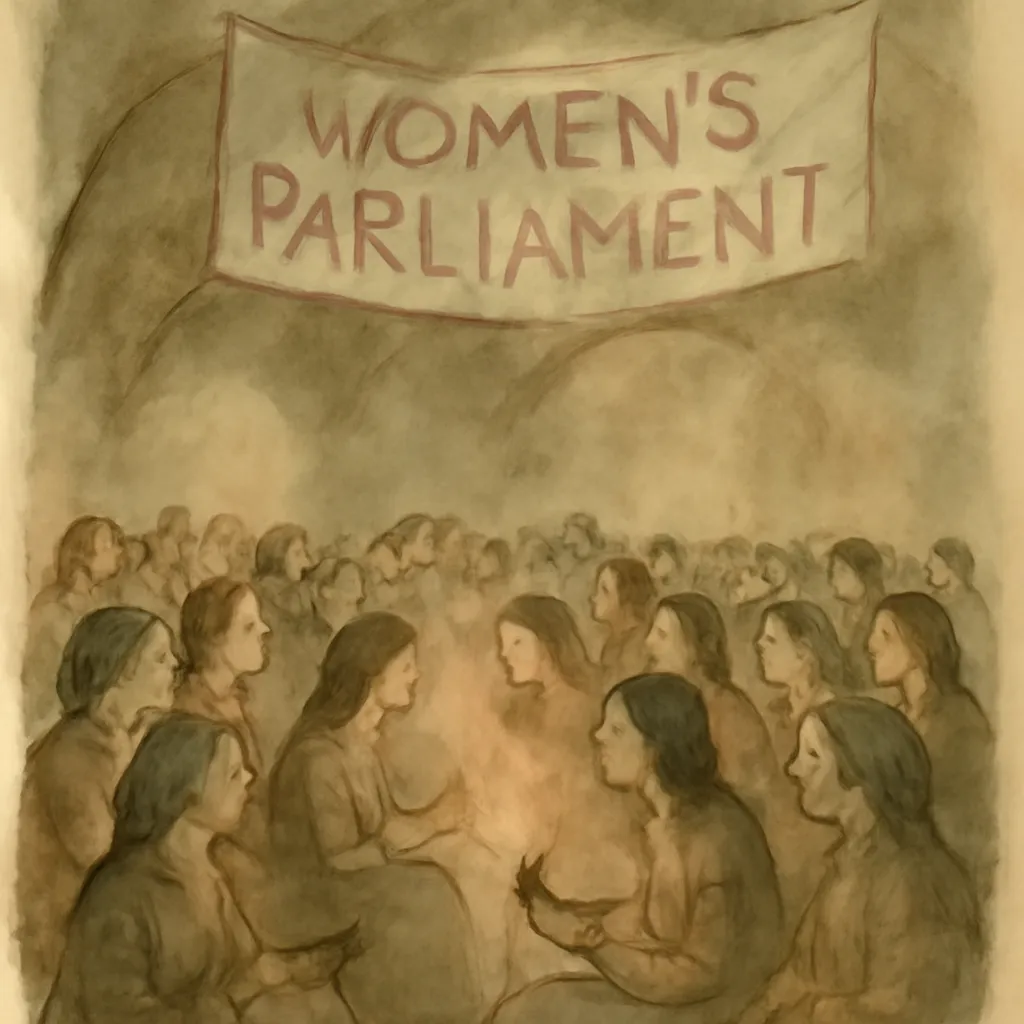
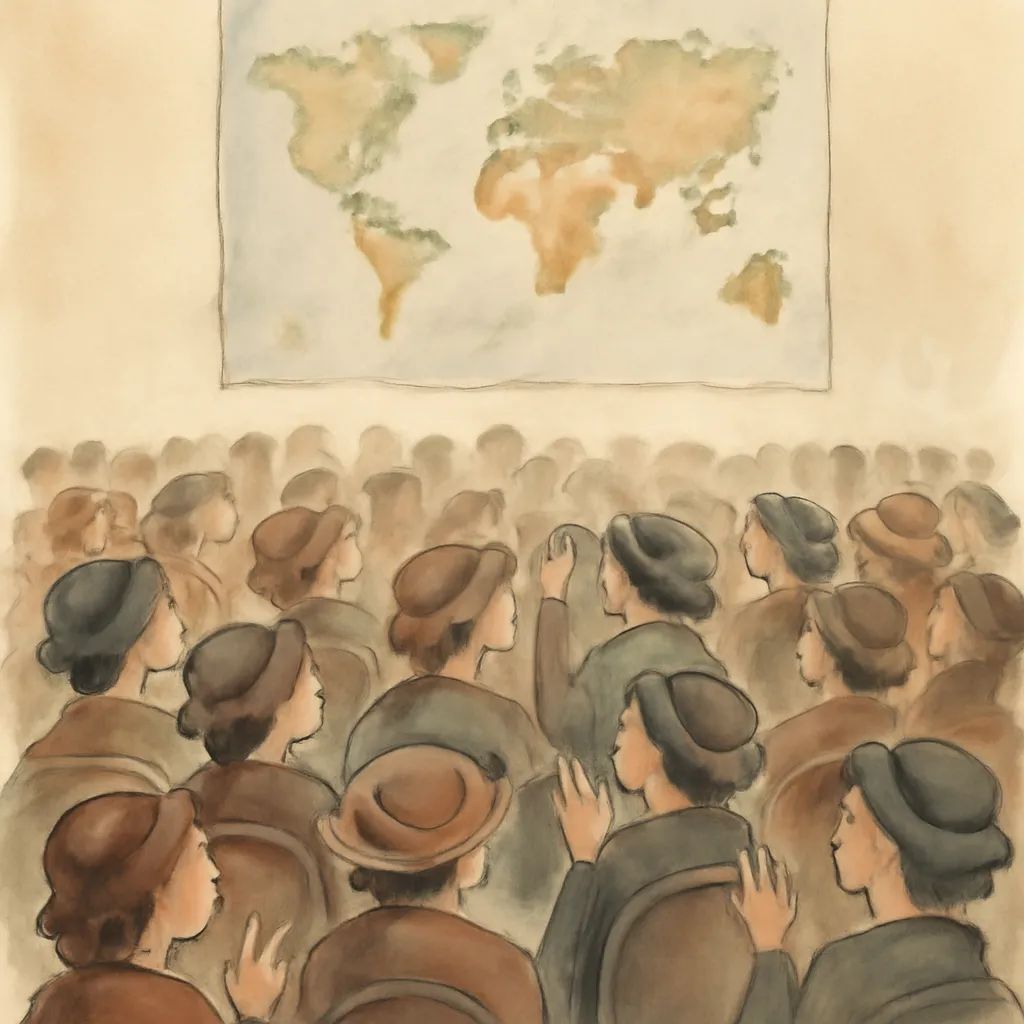
In 1907, Pankhurst organized a Women's Parliament to address the exclusion of women's suffrage from the King's Speech, which was a pivotal moment in the suffrage campaign. The event galvanized women across the nation, showcasing their collective indignation and resolve. Attendees were filled with a fervent spirit, determined to assert their rights and demand action from the government. This gathering highlighted the increasing political consciousness among women and served as a demonstration of their capability for organization and leadership. Pankhurst's address at the Parliament marked a turning point, as she not only called for immediate action but inspired women to envision a future where they could influence the political landscape. The Women's Parliament exemplified women asserting their political agency and their refusal to be sidelined any longer, setting the stage for further protests and an escalation of the movement.
5.Confrontation with Authority
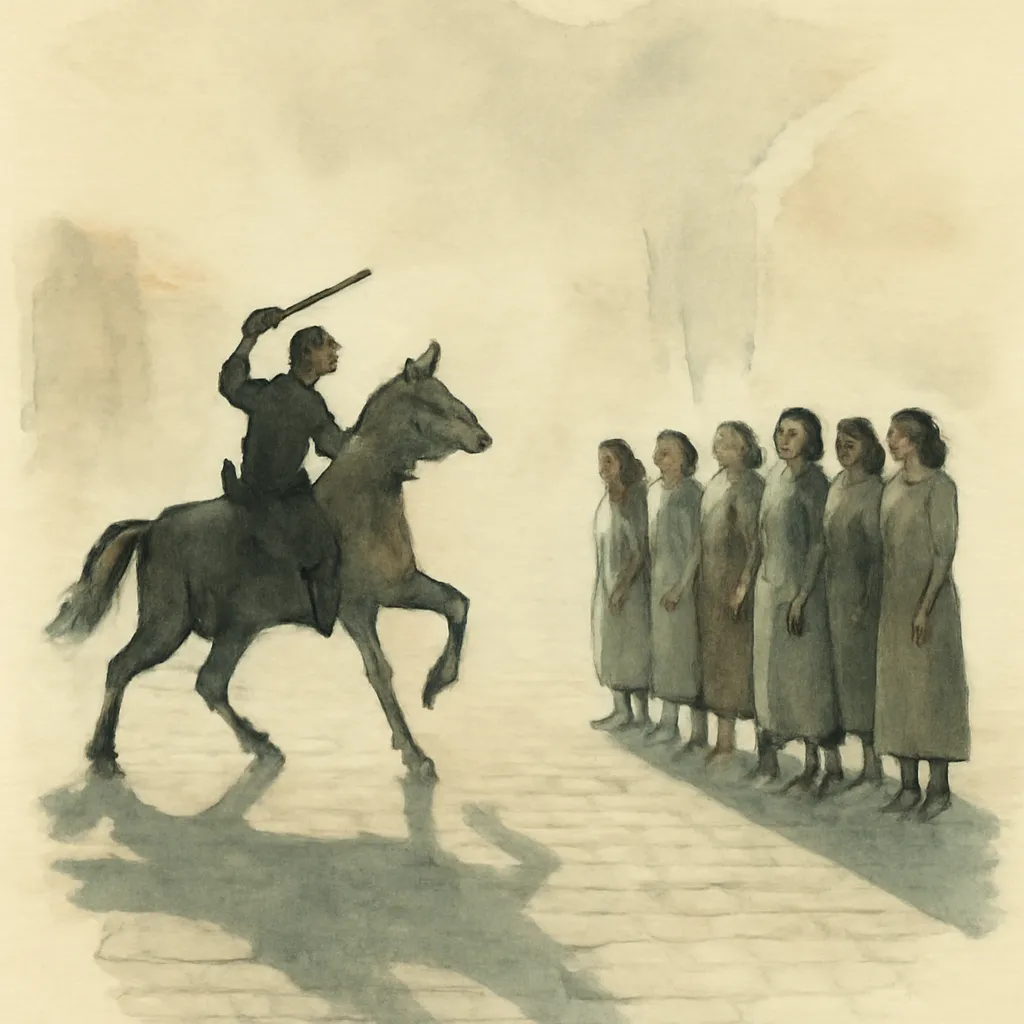
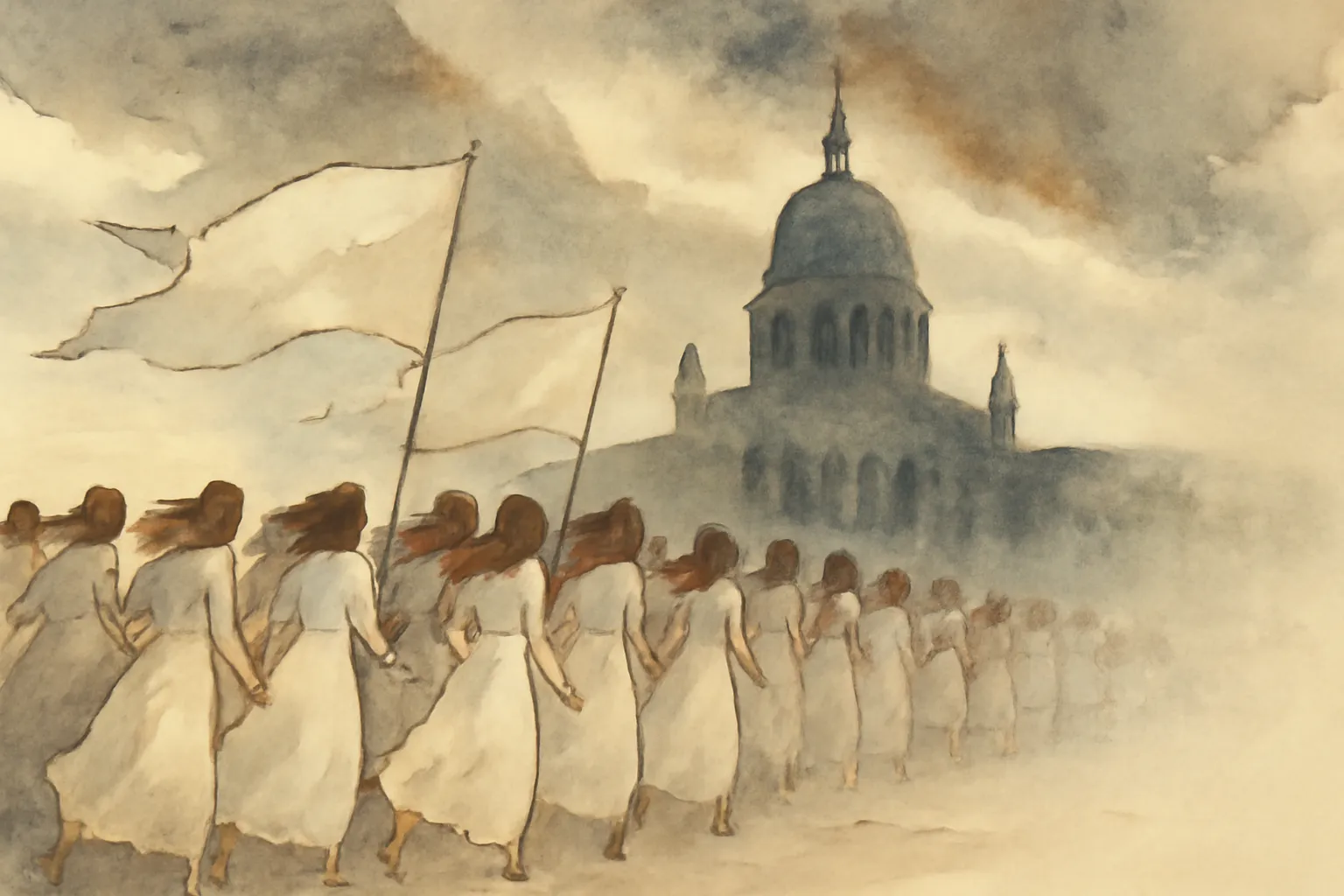
The struggle for suffrage often led to violent confrontations with authority, vividly illustrated by the brutal police response to peaceful protests. Pankhurst recounts the harrowing experiences of women facing mounted police while attempting to march towards Parliament. These confrontations were not merely physical; they symbolized the broader societal resistance to women’s demands. The police brutality against peaceful demonstrators served to expose the government’s refusal to acknowledge women as legitimate political actors. Pankhurst’s vivid descriptions of the violence faced by suffragettes are harrowing yet empowering, capturing the resilience of the women who stood firm in the face of oppression. Each clash with the authorities further fueled their resolve and turned public sympathy towards their cause, as the sight of women being treated violently only deepened the outrage against the status quo and highlighted the injustices inherent in their struggle for equality.
6.The Power of Hunger Strikes
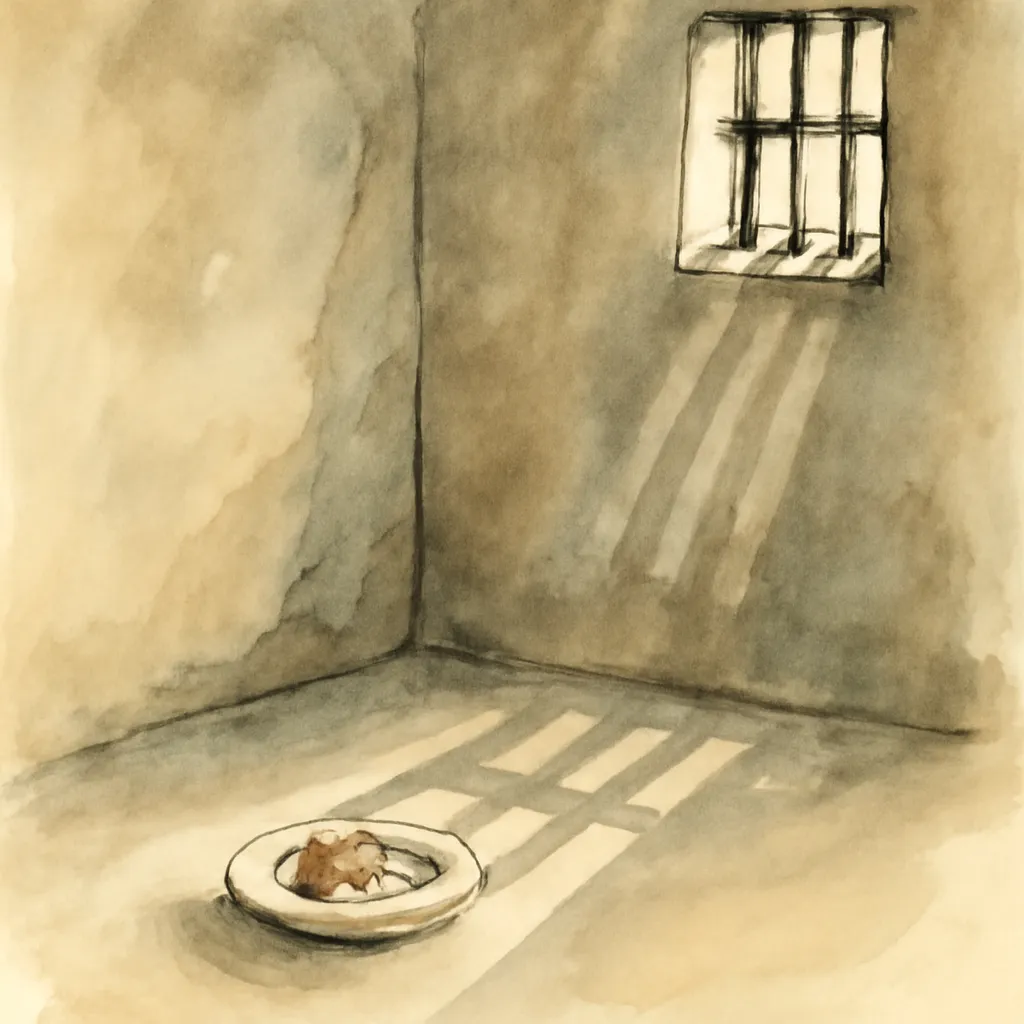
As the suffragettes faced imprisonment for their militant actions, many resorted to hunger strikes as a form of protest against their treatment as common criminals. Pankhurst details the psychological and physical toll of these strikes, which became a powerful tool in drawing public attention to their plight. The government's response, including forced feeding, only intensified the outrage surrounding their cause. Pankhurst describes the harrowing experiences that women endured during these hunger strikes, emphasizing their courage in the face of brutality. The hunger strikes not only highlighted the suffragettes' commitment to their cause but also forced public discourse around the treatment of political prisoners. The suffragettes' determination to continue their strikes, despite the severe consequences, showcased their resilience and commitment to justice, inspiring widespread public support and sympathy for their cause.
7.International Solidarity
Pankhurst’s travels to the United States highlighted the importance of international solidarity among women fighting for suffrage. During her lectures, she encountered a vibrant and engaged audience eager to learn about the British suffrage movement, which in turn invigorated the American suffragists. Her encounters with American activists revealed both shared struggles and unique challenges faced in different contexts. The connections forged during these travels reinforced the idea that the fight for women’s rights transcended borders, illustrating a global movement. Pankhurst emphasized the interconnectedness of women’s rights movements, showcasing how the experiences of suffragettes in one country could bolster the efforts in another. This international solidarity not only strengthened their resolve but also fostered a global dialogue around women’s rights, further legitimizing their demands and highlighting the universal nature of their struggle.
8.The Role of Media
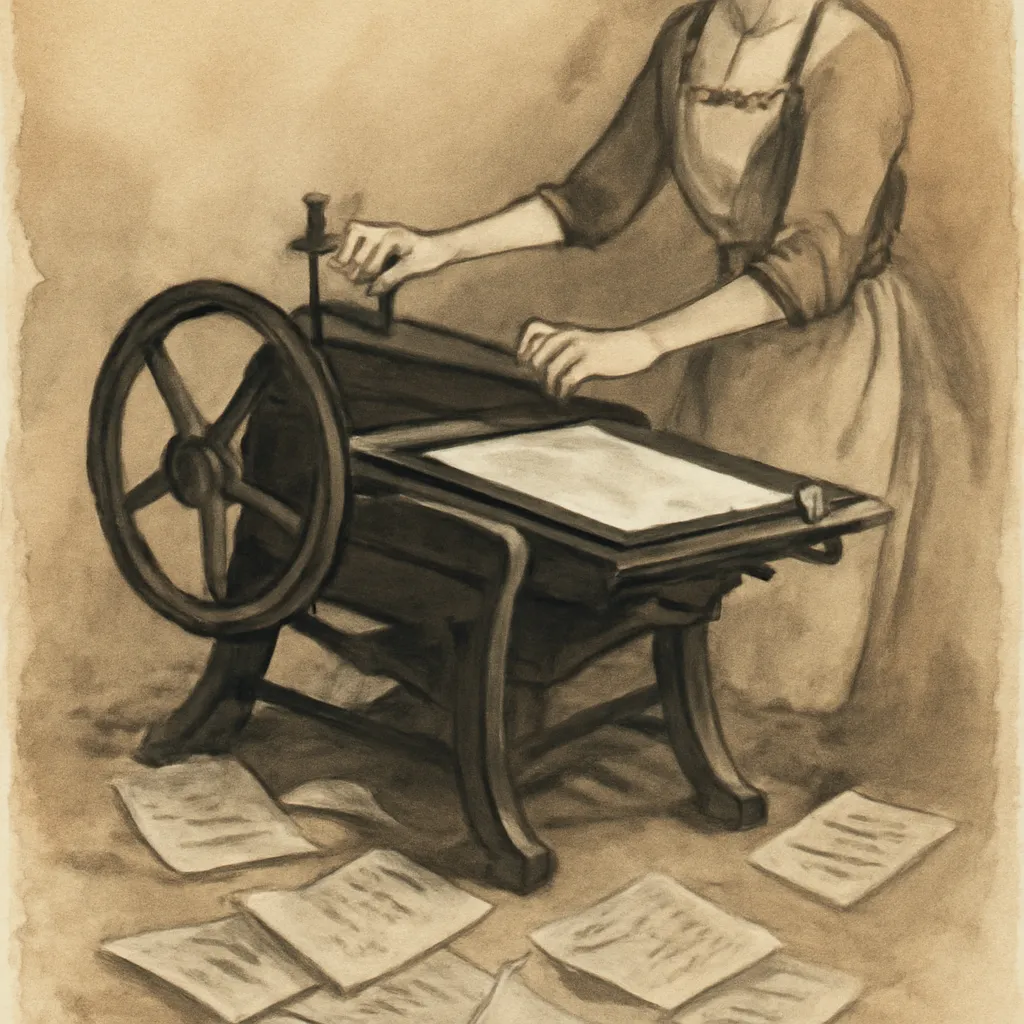
Throughout her narrative, Pankhurst emphasizes the critical role of media in shaping public perception of the suffrage movement. The WSPU utilized newspapers and pamphlets to disseminate their message and garner support. The carefully crafted narratives surrounding the suffragettes were vital for building public empathy and understanding. Despite government attempts to suppress their publication, the suffragettes found innovative ways to ensure their voices were heard. Pankhurst’s reflections on the media’s role reveal the strategic importance of communication in activism. The ability to reach a wider audience helped to humanize the suffragettes’ struggle and counter the negative portrayals often perpetuated by the press. This battle for narrative control was as crucial as the fight for the vote itself, as public opinion often swayed the political landscape. Pankhurst's insights underscore the necessity of having a voice in media and the power of storytelling in social movements.
9.The Impact of Violence
The suffragettes' use of militant tactics often sparked violence, leading to a complex relationship with the public and authorities. Pankhurst illustrates how acts of property destruction, such as arson and vandalism, were intended to shock the government into action and wake up a complacent public. While these actions were controversial, they effectively drew attention to the urgency of the suffrage cause and the injustices faced by women. Pankhurst argues that the violence inflicted upon suffragettes by the police further highlighted the injustices they faced. The ensuing public outrage over their treatment often overshadowed the violent tactics employed by the militants, ultimately shifting public opinion in favor of the suffrage movement. The calculated risks taken by the suffragettes demonstrated their willingness to sacrifice personal safety for the greater good, igniting a fire within the movement that could not be extinguished by repression.
10.Legacy and Reflection
In the closing chapters of her memoir, Pankhurst reflects on the legacy of the suffrage movement and its implications for future generations. She expresses hope that the sacrifices made by suffragettes would not be in vain and that women would continue to fight for equality and justice. Pankhurst’s vision extends beyond the right to vote; she advocates for a society where women can fully participate in all aspects of life, including political, social, and economic spheres. Her reflections serve as a powerful reminder of the ongoing struggle for gender equality, urging future activists to learn from the past and remain steadfast in their pursuit of justice. Pankhurst’s narrative culminates in a call to action, emphasizing that while the suffrage movement may have achieved significant milestones, the fight for women's rights continues in various forms. Her story inspires a commitment to activism, reminding readers that the quest for justice is never truly complete.