1.The Myth of Columbus

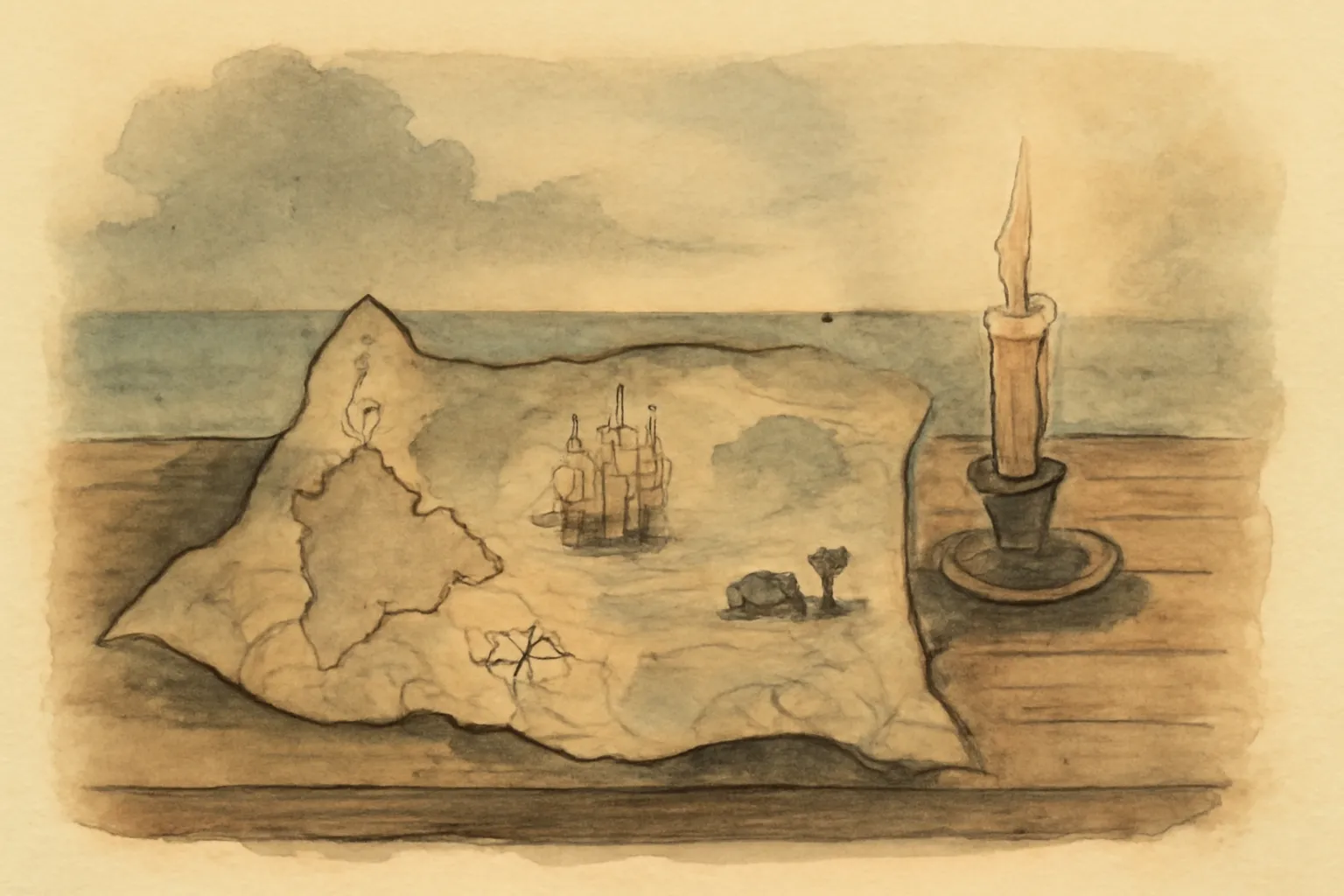
The portrayal of Columbus in history books often casts him as a heroic figure who bravely sailed into the unknown. However, through Danny's skepticism, we are introduced to the idea that this narrative is overly simplistic and potentially misleading. The initial classroom scene, where Danny faces ridicule for questioning Columbus's bravery, highlights the disconnect between textbook history and the multifaceted reality of Columbus's voyages. The professor's insistence on adhering to established narratives exemplifies the societal tendency to accept historical figures without scrutiny. This theme invites readers to reconsider the legacies upheld in educational contexts. Are we merely accepting the bold tales of the past without recognizing the complexities of the individuals behind them? By presenting Columbus as a potentially flawed character, Marlowe encourages a reexamination of historical narratives, suggesting they should be critically analyzed rather than passively accepted.
2.Time Travel as a Tool for Discovery
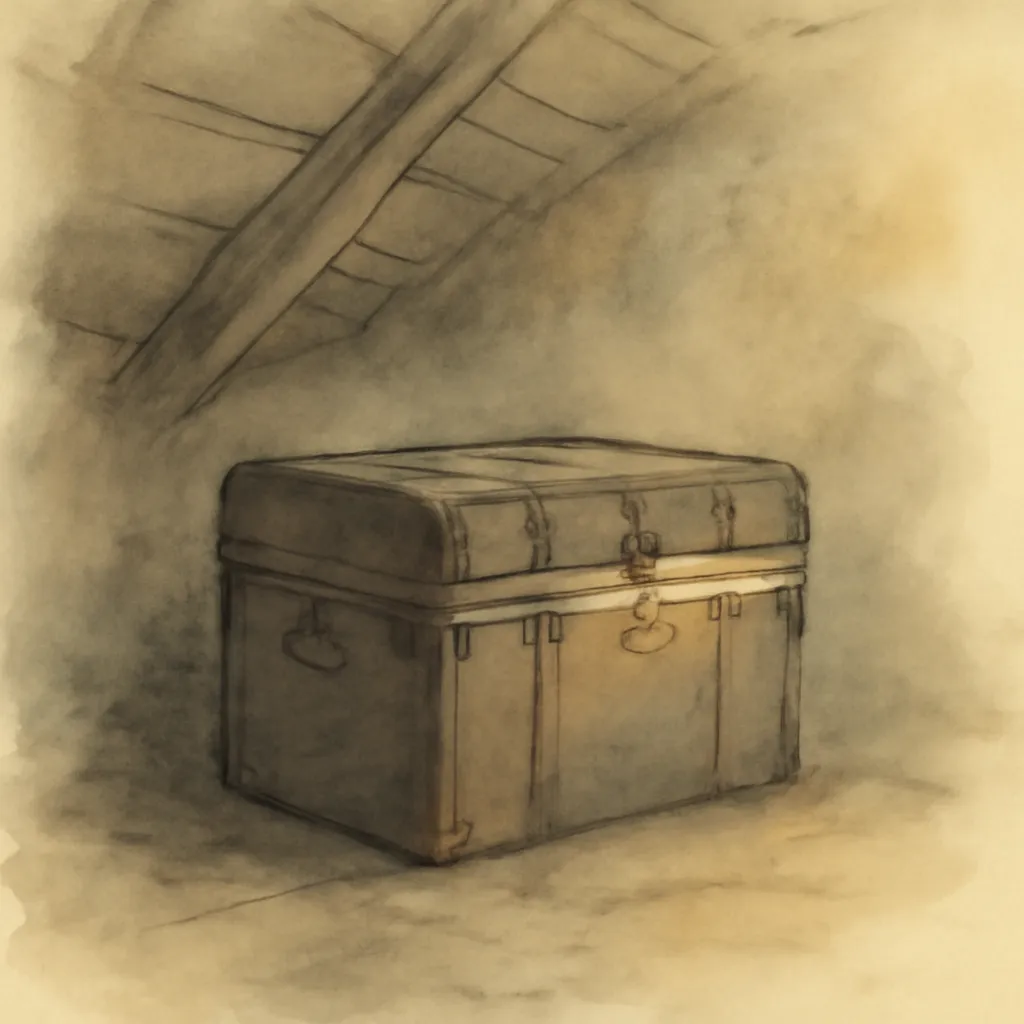
Danny's unexpected journey into the past serves as a narrative device allowing a profound exploration of history. The steamer trunk that supposedly holds a time machine represents not just a physical object but a metaphor for the desire to uncover the truth. As Danny grapples with the absurdity of his uncle's legacy, he ultimately decides to engage with the unknown, embodying the very spirit of exploration that Columbus is often credited with. This act of curiosity leads him to experience events firsthand, providing a unique opportunity to witness the actions and motivations of historical figures in a way that textbooks cannot convey. As he observes Columbus and his crew, Danny begins to grasp how historical events are not merely facts but are imbued with human emotion and conflict. The experiences he undergoes challenge his preconceptions and stimulate deeper reflections on the nature of exploration and discovery, emphasizing the value of direct engagement with history.
3.Identity and Transformation
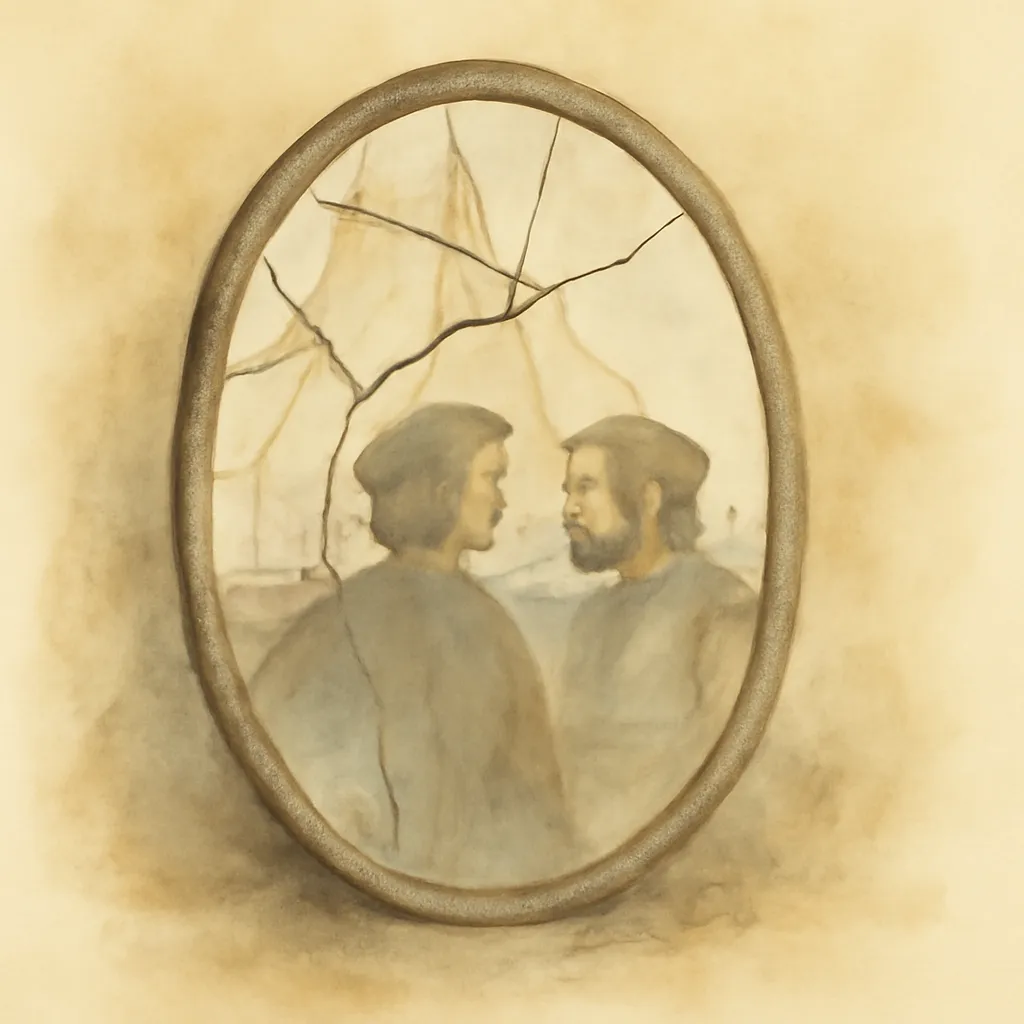
As Danny navigates the world of Columbus, he experiences a transformation that blurs the lines between his modern identity and that of Martin Pinzon, Columbus's contemporary. This dual identity allows Danny to explore the complexities of leadership and loyalty, particularly as he assumes command of the Nina. The conflict between his modern sensibilities and the historical context creates tension, highlighting the challenges of navigating authority in a different era. This transformation is not merely superficial; it forces Danny to confront his beliefs about bravery and heroism. As he slips into the role of Martin Pinzon, he gains insights into the motivations that drive explorers and leaders. The notion of identity in the past serves as a mirror, prompting Danny to reflect on his own life and choices in the present. This exploration of identity emphasizes how our understanding of ourselves is often influenced by the contexts we inhabit and the historical legacies we engage with.
4.The Role of Doubt in History
Danny’s journey is marked by a profound sense of doubt—both in the narratives he has been taught and in the actions of Columbus himself. This skepticism is crucial, as it prompts him to question the validity of the stories surrounding Columbus's voyages. The absence of definitive documents or accounts makes it clear that history is often written by the victors, and many truths remain hidden or distorted. Danny's insistence on not taking Columbus's bravery for granted reflects a broader philosophical inquiry into how we construct historical narratives. By embracing doubt, readers are invited to engage critically with the past, recognizing that history is not a fixed entity but a tapestry woven from various perspectives and interpretations. This theme of doubt serves to encourage an inquisitive mindset, urging readers to explore multiple viewpoints and question the accepted norms of historical storytelling.
5.The Nature of Heroism
In exploring the character of Columbus, Marlowe raises essential questions about what it means to be a hero. Danny's initial idolization of Columbus is gradually replaced by a more nuanced understanding of his character, as he witnesses the flaws and failures that accompany great undertakings. Columbus's decisions, often fraught with desperation and ambition, reveal a more human side to the legendary figure. This complexity challenges the notion of heroism as purely noble and suggests that great achievements are often accompanied by moral ambiguity. By depicting Columbus in this light, the narrative encourages readers to reconsider the qualities that define a hero. Is bravery enough, or must one also consider the consequences of their actions? The story underscores that understanding heroism requires a deeper engagement with both the successes and failures of historical figures, enriching our appreciation of what it means to make significant choices.
6.The Influence of Personal Relationships
The relationships that Danny forms with characters like Nina and the crew of the Nina play a significant role in shaping his understanding of the past. These interactions reveal the human elements of exploration—love, loyalty, and conflict—that are often overshadowed by grand narratives. The bond between Danny and Nina, in particular, serves as a poignant reminder of the personal stakes involved in historical events. Their connection is not just a romantic subplot; it embodies the complexities of human relationships during times of uncertainty and adventure. This focus on interpersonal dynamics enriches the historical context, illustrating that the motivations behind exploration are often deeply personal and rooted in human emotion. By emphasizing these relationships, Marlowe highlights how personal connections can shape the course of history, suggesting that individual actions and choices often have far-reaching consequences that extend beyond the individual.
7.The Consequences of Exploration
As Danny engages with the crew and navigates the challenges of the voyage, he begins to comprehend the far-reaching consequences of exploration. The narrative does not shy away from the darker aspects of Columbus's journey, including the impact on indigenous populations and the ethical dilemmas faced by explorers. This awareness prompts a critical examination of the cost of discovery—both for those who venture into the unknown and those who inhabit the lands being explored. Marlowe's portrayal of these consequences serves as a reminder that history is not merely a series of achievements but also a tapestry of suffering and exploitation. By confronting these realities, readers are challenged to engage with history in a more responsible and empathetic manner. The story urges the acknowledgment of the collateral damage caused by exploration, opening up discussions about the responsibilities of those who seek to expand their horizons at the expense of others.
8.The Power of Storytelling
The act of storytelling emerges as a central theme in 'My Shipmate—Columbus,' illuminating the ways in which narratives shape our understanding of history. Danny's journey is not just a physical adventure; it is also a quest for the truth behind the stories he has been told. The contrast between the romanticized versions of Columbus's exploits and the raw reality he encounters underscores the power of storytelling to both inspire and mislead. Marlowe suggests that the stories we tell about the past are as influential as the events themselves, shaping collective memory and identity. This exploration of storytelling invites readers to consider their own narratives and the responsibility that comes with crafting and sharing them. In a world where information is often manipulated, the emphasis on narrative integrity becomes paramount, encouraging individuals to scrutinize the stories that pervade their cultural landscape.
9.Challenging Historical Perspectives
Danny's experience aboard the Nina serves as a catalyst for challenging prevailing historical perspectives. As he grapples with the realities of Columbus's journey, he begins to recognize the importance of diverse viewpoints in constructing a more accurate understanding of history. The narrative encourages readers to seek out voices that have been marginalized or silenced, emphasizing that history is richer and more complex when viewed through multiple lenses. This call for inclusivity in historical discourse aligns with contemporary movements to reexamine and amplify underrepresented narratives. By embracing this multiplicity, we can cultivate a more comprehensive understanding of our shared past, fostering empathy and connection across cultures and generations. Marlowe's narrative serves as a reminder that history is not merely a collection of facts; it is a living conversation that involves continuous re-evaluation and reinterpretation.
10.Reimagining the Past
Ultimately, 'My Shipmate—Columbus' invites readers to reimagine the past and consider the ways in which history is malleable. Danny's journey demonstrates that understanding history is not a static endeavor but an evolving process that requires engagement and reflection. As he navigates the complexities of Columbus's voyages, he learns that the past is not merely a collection of facts but a dynamic interplay of narratives shaped by context, perspective, and interpretation. This realization empowers readers to take an active role in their historical understanding, encouraging them to question established narratives and seek out their own truths. By reimagining the past, we can forge a more inclusive and nuanced future. The narrative underscores that our engagement with history is not just about understanding what happened but also about how those events resonate in our present, impacting our identities and worldviews.