1.The Art of Cross-Fertilization
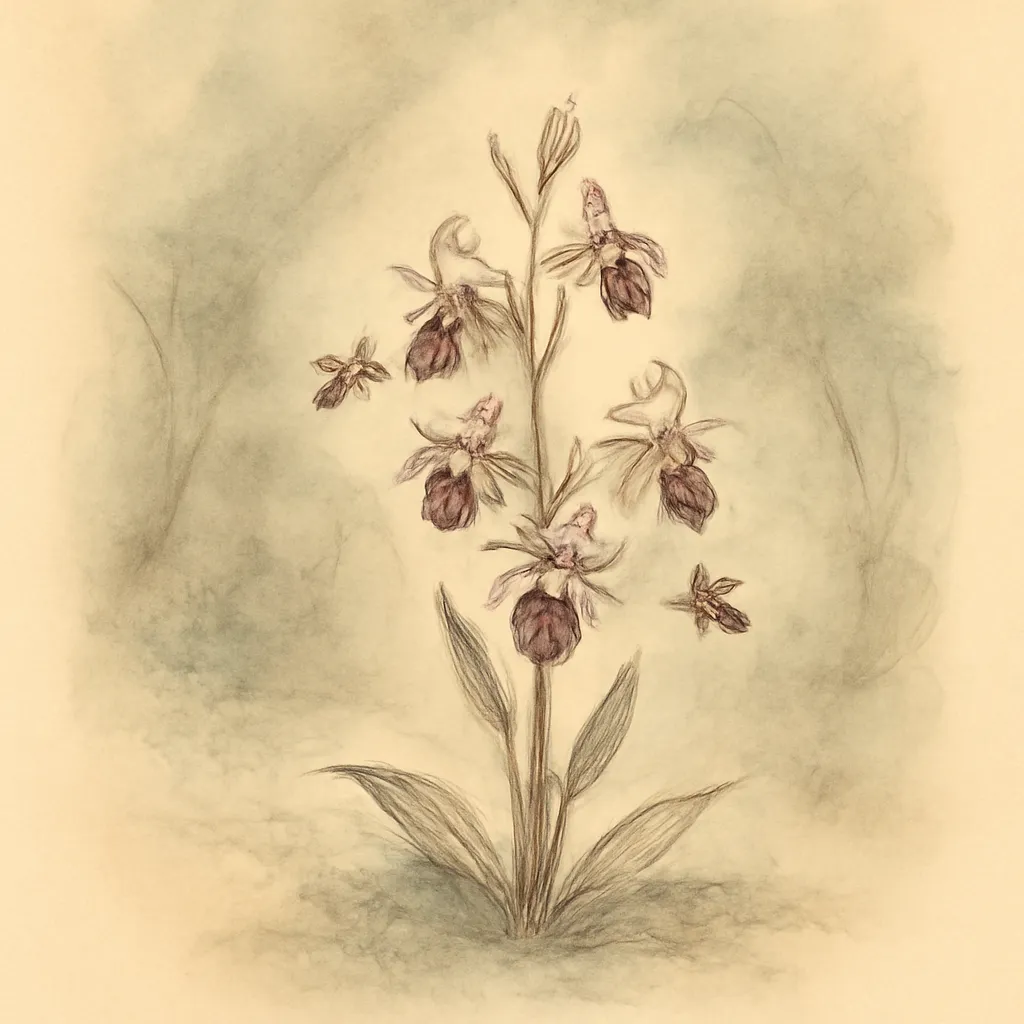
Cross-fertilization is a vital process for many flowering plants, ensuring genetic diversity and adaptability. Gibson describes the intricate mechanisms that various flowers employ to attract specific pollinators, such as bees and butterflies. For instance, the orchid's unique 'column' structure is designed to ensure that when an insect visits for nectar, it inadvertently picks up pollen and transfers it to another flower. This elaborate design not only facilitates reproduction but also highlights the evolutionary arms race between flowers and their pollinators. By adapting their shapes and scents, flowers can manipulate insect behavior, ensuring that they are visited by the right species at the right time. Each flower's evolutionary journey is a testament to the complex interplay between species, driven by the need for survival and reproduction. For example, the Sphinx-moth is a crucial partner for certain orchids, which have developed specialized nectar tubes that only this particular moth can access, creating a perfect match for cross-fertilization.
2.The Bee's Role in Nature
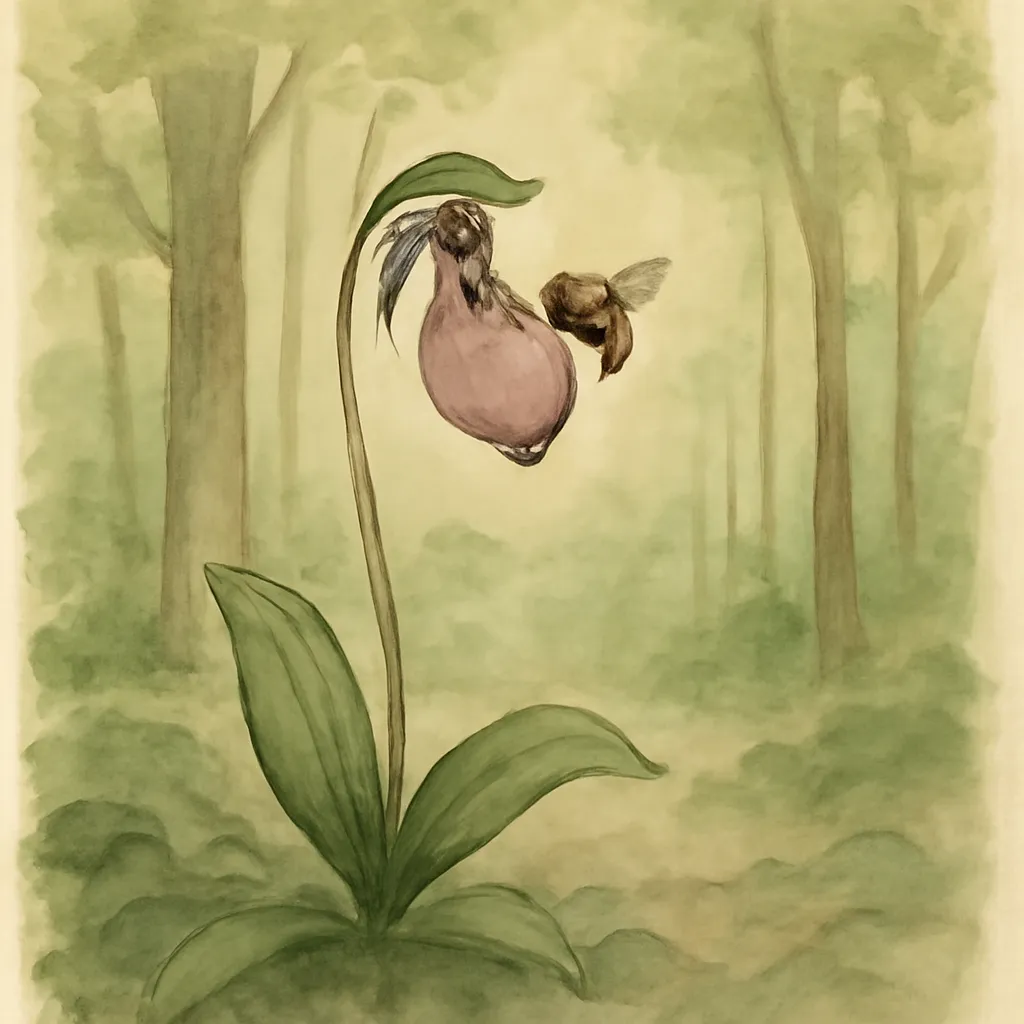
Bees are more than just pollinators; they are essential players in the ecosystem, directly influencing the success of many flowering plants. Gibson emphasizes the bee's role in cross-fertilization, detailing how certain flowers, like the Moccasin-flower, have evolved to physically capture bees, ensuring their pollen is transported. The intricate relationship between the bee and the flower is a dance of mutual benefit: the flower provides nectar, while the bee facilitates reproduction. Gibson illustrates this connection through vivid examples, such as the way a bee's anatomy is perfectly adapted to extract nectar while also collecting pollen. He describes the process in which a bee visits a flower, its body brushing against the anthers and stigma, thus transferring pollen from one bloom to another. This relationship underscores the importance of bees not only for individual plants but for entire ecosystems, highlighting the potential consequences of their decline. The decline of bee populations due to habitat loss and pesticide use poses a significant risk to biodiversity, making the preservation of these vital insects crucial for ecological health.
3.The Deceptive Beauty of Orchids
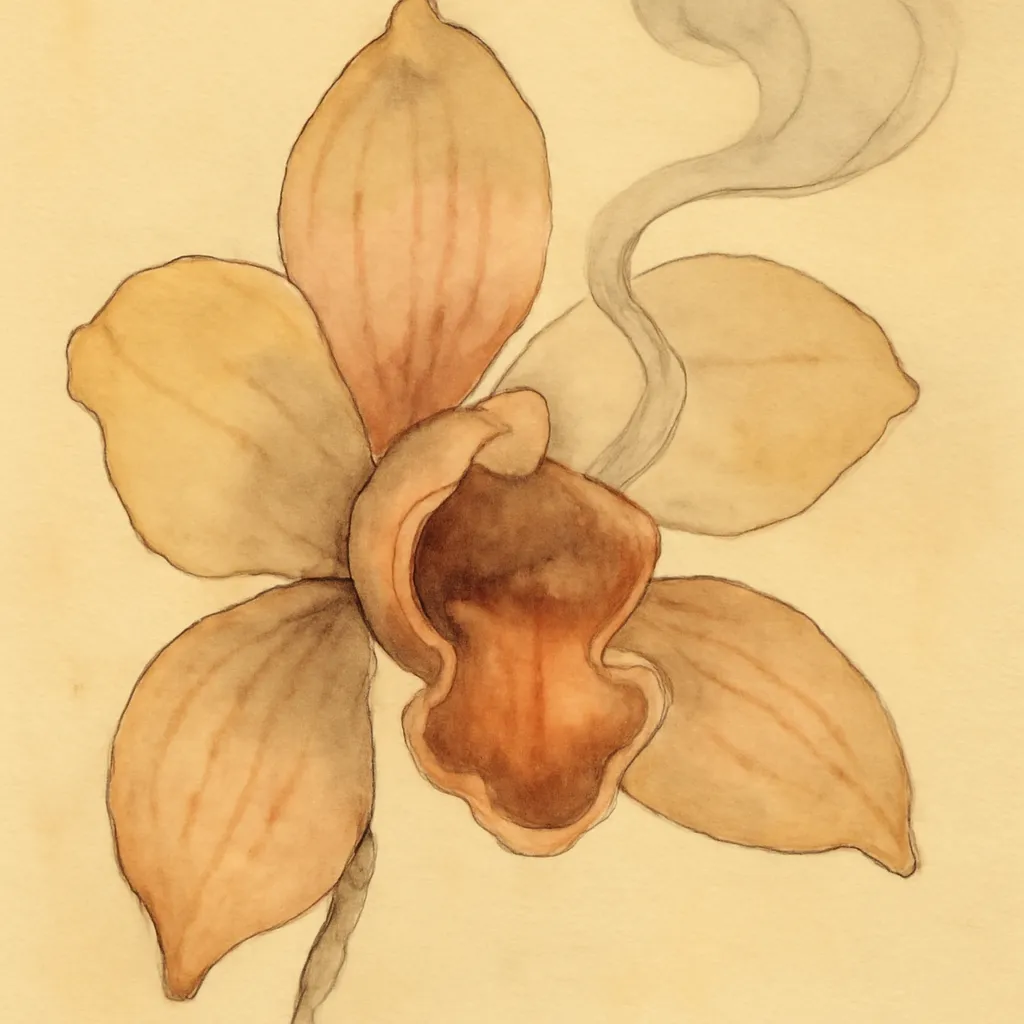
Orchids are some of the most fascinating flowers, known for their complex structures and alluring beauty. Gibson explores how these flowers have evolved intricate shapes and scents specifically designed to attract their ideal pollinators, often mimicking the appearance of female insects to lure males. This deception is a remarkable example of evolutionary adaptation, where the flower's survival hinges on its ability to manipulate the behaviors of its pollinators. For instance, the Sphinx-moth is drawn to the elongated nectary of an orchid, ensuring that as it feeds, it also transfers pollen. Gibson illustrates how orchids have developed specialized forms that reflect the morphology of their pollinators, often leading to very specific relationships. This relationship exemplifies the lengths to which flowers will go to secure their reproductive success. By understanding these complex interactions, we see how beauty in nature often serves a deeper, functional purpose.
4.The Evolutionary Arms Race
The relationship between flowers and their pollinators is characterized by an evolutionary arms race, where both parties continuously adapt to the strategies of the other. Gibson highlights how flowers have developed unique features to attract specific insects, while insects have evolved to exploit these features for their gain. This dynamic interaction is evident in the adaptations seen in various species: some flowers have elongated tubes that only certain insects can access, while others produce scents that mimic pheromones of female insects. The cowbird, for instance, is mentioned as a cunning character in the ecosystem, taking advantage of the nests built by other birds. This ongoing evolution shapes the biodiversity of both plants and pollinators, illustrating the intricate web of life where each species influences the survival of the other. Gibson's observations of this phenomenon reveal how the relentless pursuit of survival leads to increasingly sophisticated adaptations on both sides, leading to a rich diversity of forms and behaviors in both flora and fauna.
5.Nature's Ingenious Designs
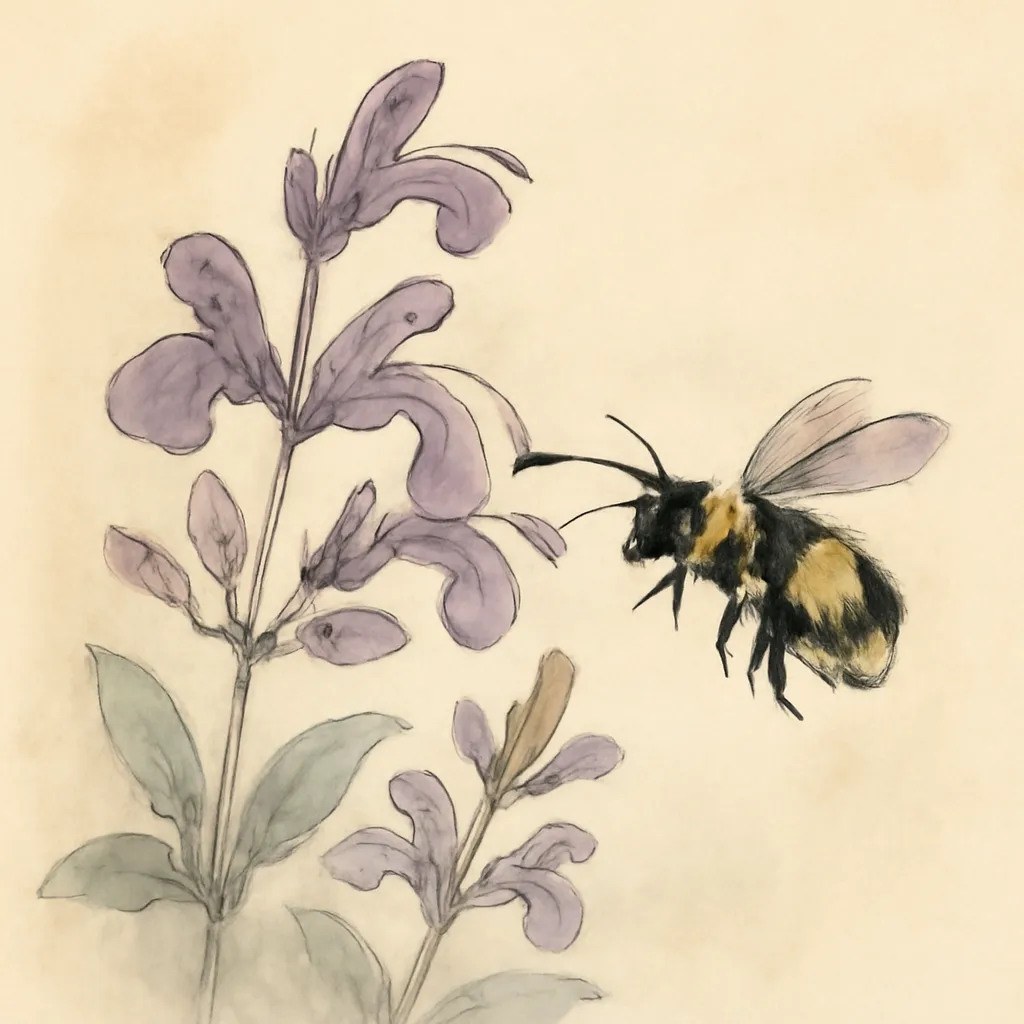
Gibson marvels at the ingenious designs found in nature, particularly in the structural adaptations of flowers that facilitate pollination. He describes how the unique shapes of flower parts, such as the curved stamen of sage, are perfectly aligned with the anatomy of visiting bees. These designs are not arbitrary; they are the result of countless generations of evolution, aimed at maximizing reproductive success. For example, the way a flower's stigma is positioned ensures that when a bee collects nectar, it also deposits pollen, thus enhancing the likelihood of fertilization. Gibson examines various flowers and their specific adaptations, noting how each detail—color, scent, and form—serves to attract the right pollinators. This intricate design process is a testament to the beauty and complexity of the natural world, where every detail serves a purpose in the grand scheme of life. The understanding of these designs not only enriches our appreciation of flowers but also encourages a sense of wonder about the evolutionary processes that shape life.
6.The Social Lives of Insects
Insects exhibit fascinating social behaviors that mirror human societies, and Gibson draws parallels between these behaviors and our own. He discusses the communal nature of bees and ants, which engage in complex social structures and cooperative behaviors to ensure the survival of their colonies. This social aspect is particularly evident in bees, where roles are divided among workers, drones, and queens, each contributing to the hive's success. Gibson’s observations extend to the behaviors of ants that cultivate aphids, demonstrating how certain relationships in nature reflect economic systems. By examining these intricate social dynamics, he emphasizes the importance of cooperation and collaboration in nature. This perspective challenges readers to reconsider the narrative of individualism in nature, showcasing instead the importance of community, not just within species but across the broader ecological system. Understanding these social structures in insects can provide insights into our own societal behaviors and the importance of cooperation for survival.
7.The Role of Environment in Flower Evolution
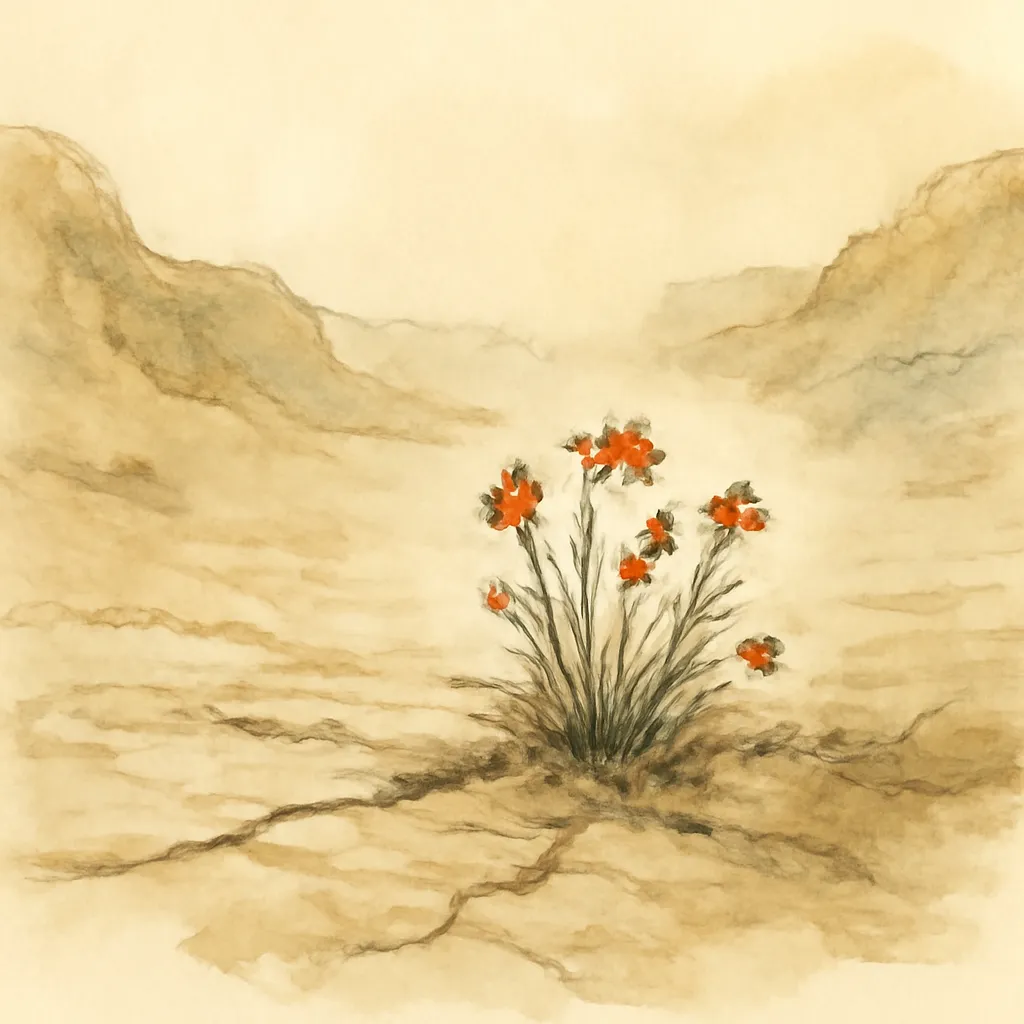
The environment plays a crucial role in shaping the characteristics of flowering plants, influencing their adaptations and survival strategies. Gibson emphasizes how factors such as climate, soil type, and available pollinators determine the traits that flowers develop over time. For instance, flowers in arid regions may evolve to produce more nectar to attract pollinators, while those in dense forests might develop brighter colors to stand out. He highlights the adaptability of flowers to their surroundings, showcasing how environmental pressures drive the evolution of specific traits that enhance reproductive success. Gibson draws attention to how environmental changes, such as deforestation and climate change, can threaten these delicate adaptations, emphasizing the need for conservation efforts to preserve habitats. As ecosystems change due to human activity, the delicate balance that has shaped these relationships for millennia is threatened, highlighting the need for conservation efforts. This understanding encourages a proactive approach to environmental stewardship, reminding us that our actions can significantly impact the natural world.
8.The Significance of Scent in Pollination
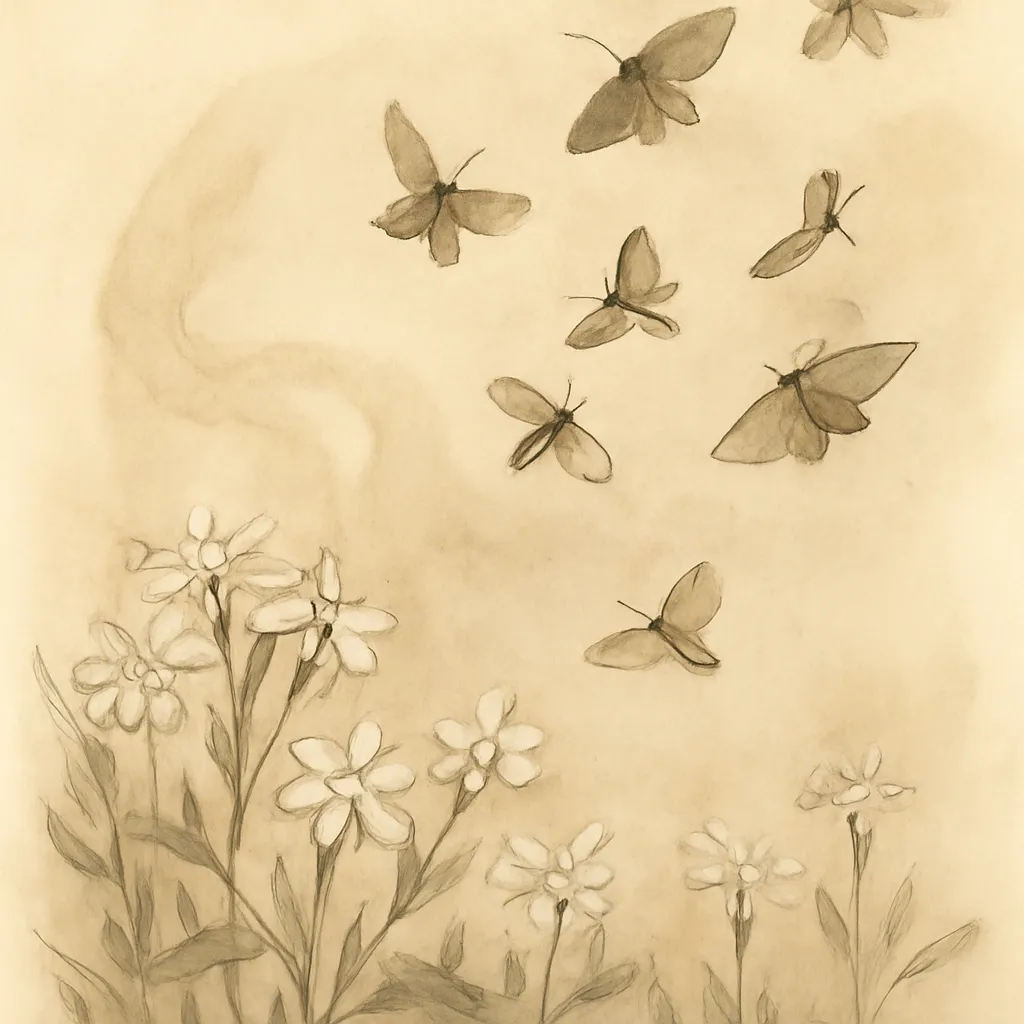
Scent plays a pivotal role in the attraction of pollinators, and Gibson delves into the various ways flowers utilize fragrance to entice insects. He describes how certain flowers emit specific scents that are particularly appealing to their target pollinators, acting as olfactory signals that guide them to nectar sources. Flowers like the Milkweed employ a complex mechanism to ensure that their pollinators are caught and engaged fully, ensuring mutual benefit. This sensory interaction is critical for successful pollination, as it not only attracts the right species but also encourages repeated visits. Gibson's exploration of scent reveals the sophisticated communication strategies employed by flowers, showcasing their active participation in the reproductive process. The importance of scent in nature serves as a reminder of the intricate connections that define ecosystems. The nuanced understanding of how scent operates in the natural world enriches our appreciation of the relationships that sustain life.
9.The Tragedy of the Bees
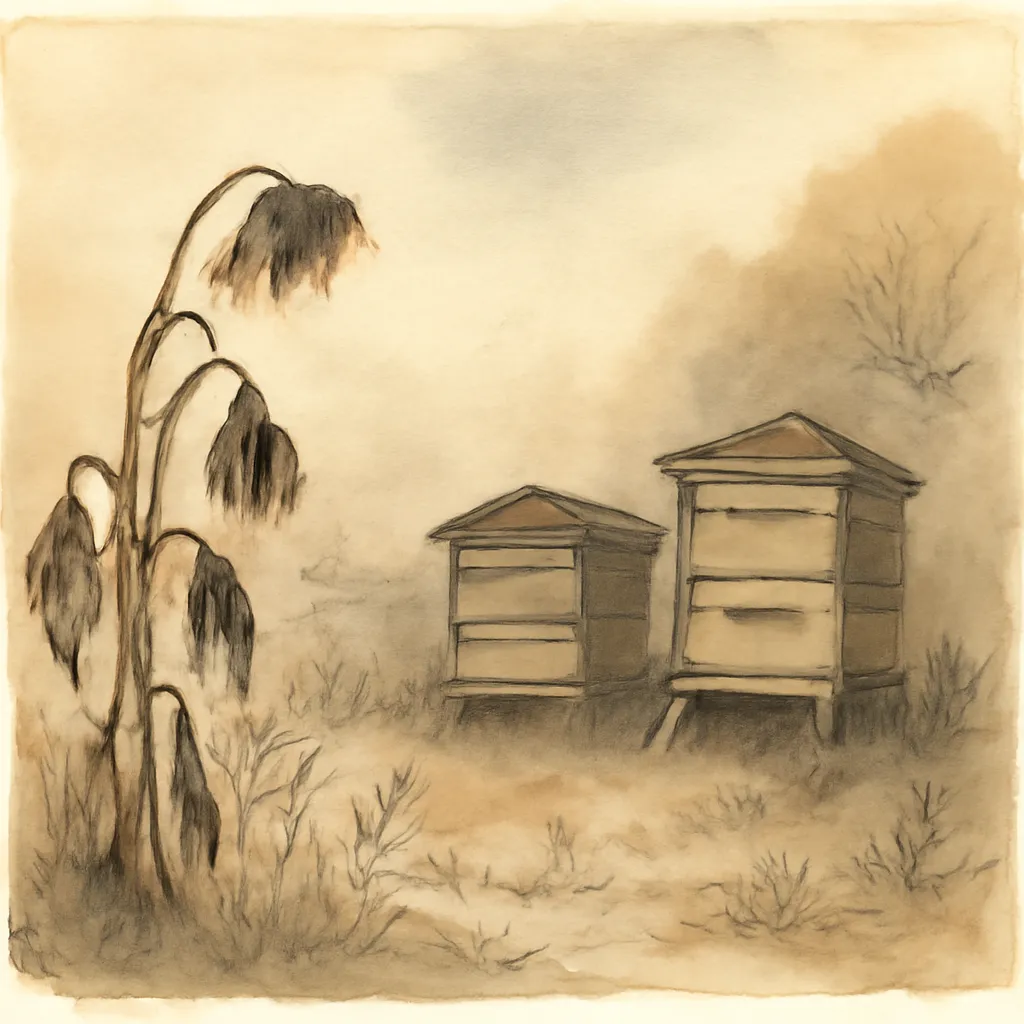
Gibson reflects on the plight of bees, whose populations are declining due to habitat loss, pesticides, and disease. This tragedy is not only a loss for the bees themselves but also poses a significant threat to the plants that rely on them for pollination. The interconnectedness of life means that the decline of one species can lead to cascading effects throughout the ecosystem. Gibson's observations serve as a call to action, urging readers to recognize the importance of bees and their role in maintaining biodiversity. He highlights how the loss of these crucial pollinators can result in decreased crop yields and compromised ecosystems. By understanding the challenges faced by these essential pollinators, society can work towards solutions that protect both bees and the plants that depend on them. This urgent message emphasizes that conserving bee populations is not just about saving a species; it is about preserving the balance of nature that supports all life.
10.A New Perspective on Nature
Through 'My Studio Neighbors,' Gibson invites readers to adopt a new perspective on nature, one that recognizes the agency and complexity of flowers and insects. He challenges the traditional view of flowers as passive objects of beauty, instead presenting them as active participants in their ecosystems. This shift in perspective encourages a deeper appreciation for the natural world, prompting readers to observe and reflect on the intricate relationships that define life. Gibson’s work ultimately serves as a reminder of the beauty and interconnectedness of all living things, inspiring a sense of wonder and responsibility towards the environment. The call to see flowers not just for their aesthetic beauty but as crucial players in ecological dynamics enriches our understanding of nature and our place within it. This new lens fosters a culture of environmental awareness and stewardship, urging readers to engage with the natural world around them.