1.The Power of Escape
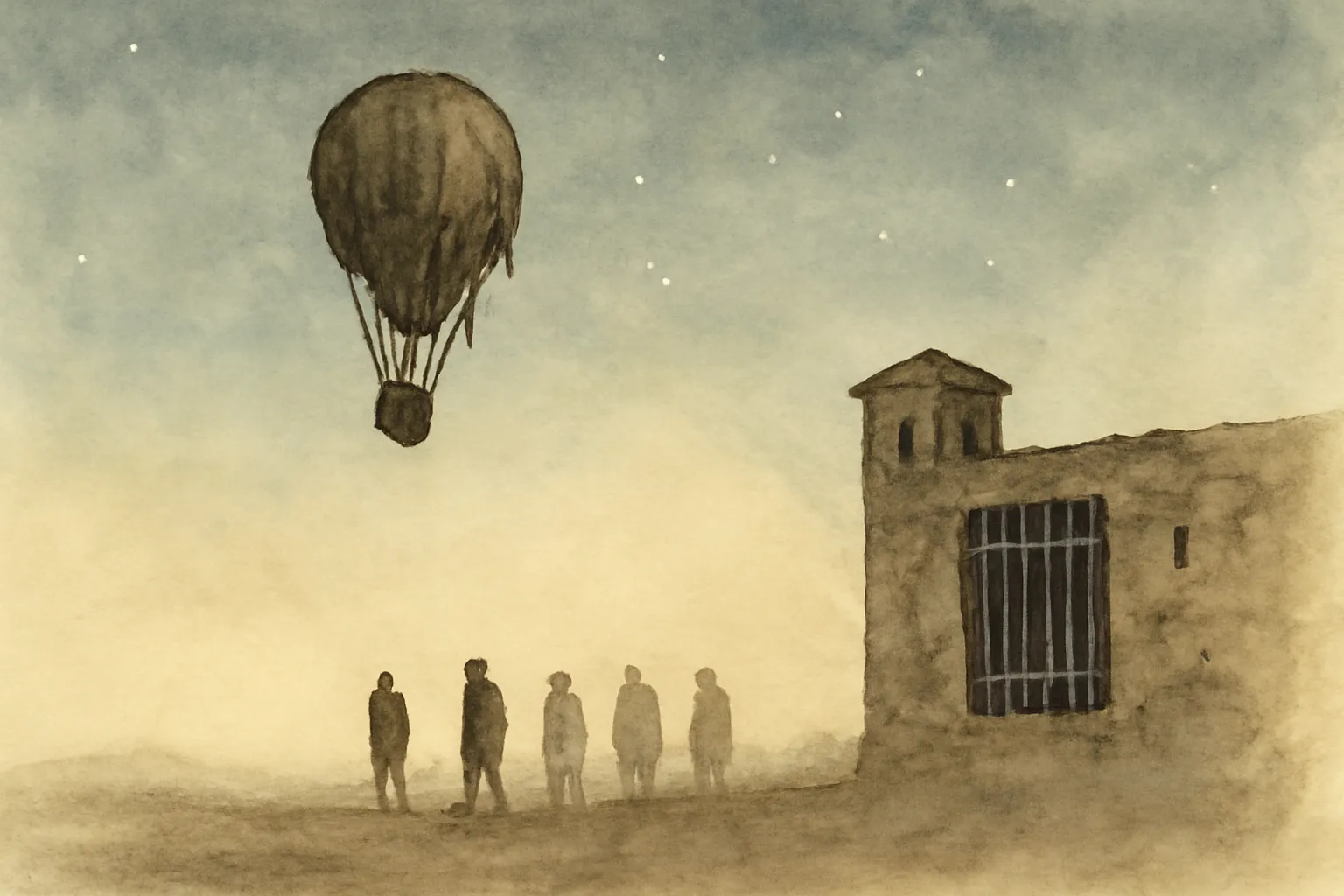
The story begins with a dramatic escape from a Confederate prison during the American Civil War. A group of prisoners, led by the resourceful engineer Cyrus Harding, commandeers a hot air balloon to flee their captors. This bold act of defiance sets the stage for their incredible journey, where their initial hope for freedom quickly transforms into a fight for survival. The escape illustrates the lengths to which individuals will go to reclaim their freedom and the courage it takes to venture into the unknown. Their airborne adventure, however, is abruptly interrupted by a violent storm that sends them crashing into the Pacific Ocean. This harrowing transition from freedom to peril emphasizes both the unpredictability of life and the resilience required to face new challenges.
2.Survival Against the Odds
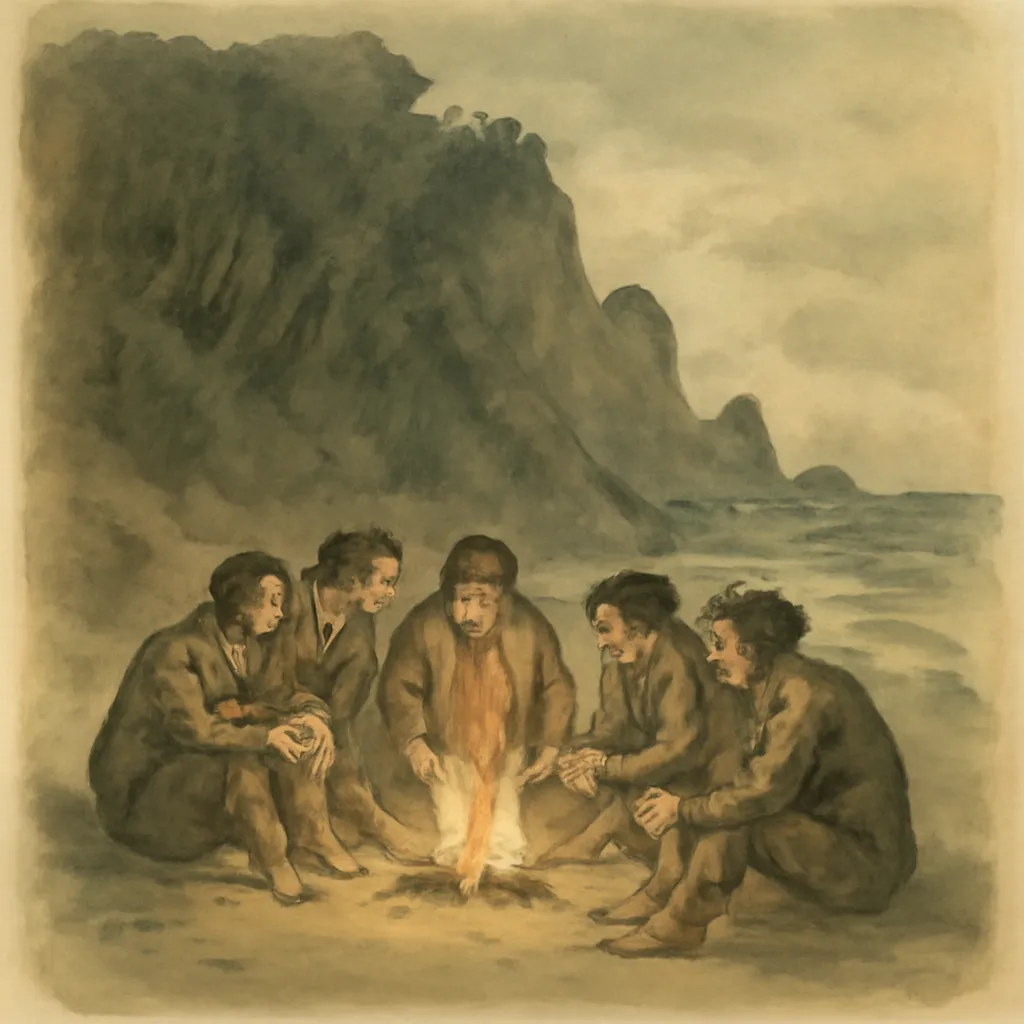
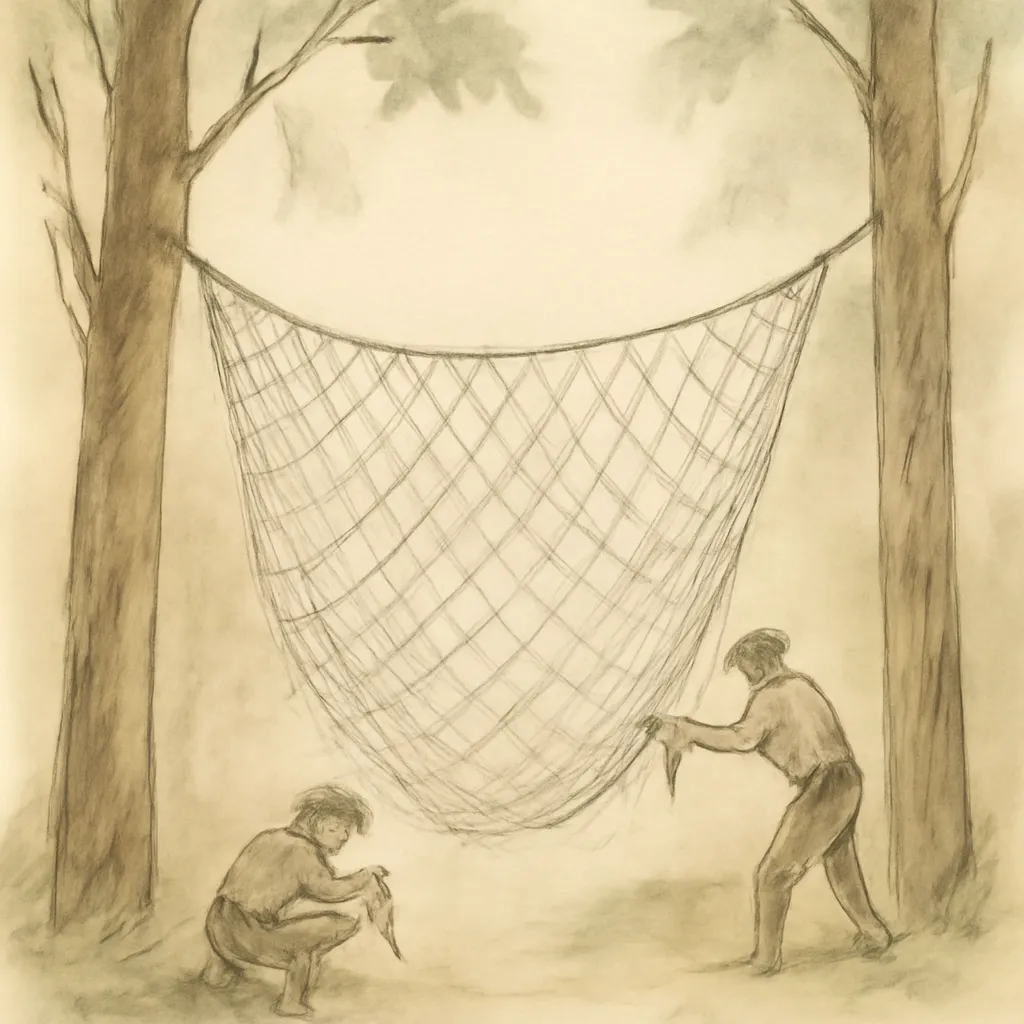
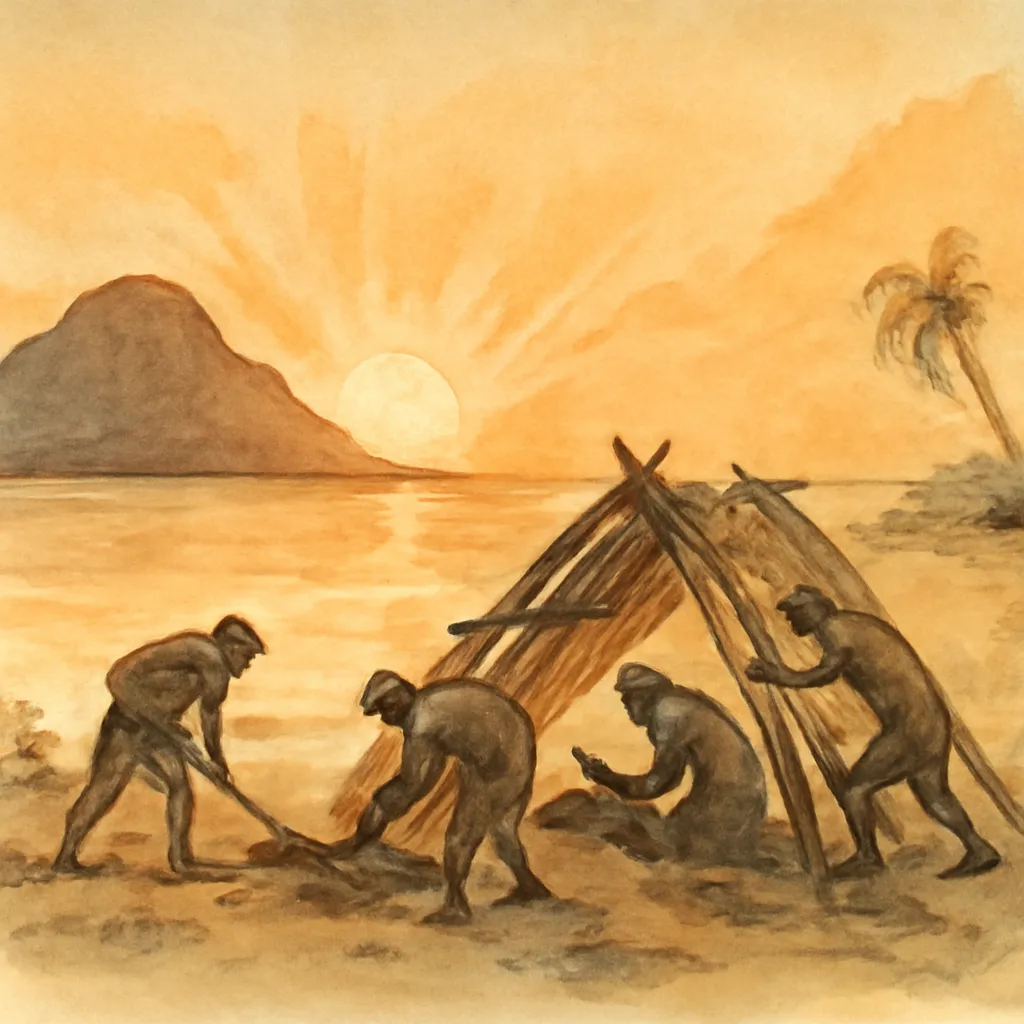
Upon landing on the mysterious island, the castaways find themselves in a hostile and unfamiliar environment. Stripped of their possessions, they have no tools, weapons, or supplies, forcing them to rely solely on their wits and each other. The initial struggle for survival is intense, as they must find food, shelter, and fresh water while navigating the island's rugged terrain. This section of the narrative highlights the raw human instinct to survive, showcasing the characters' ingenuity as they learn to hunt, fish, and gather food from their surroundings. Their perseverance and adaptability are tested, revealing the depths of their resourcefulness. For example, they construct makeshift shelters and devise methods to catch fish and small game, illustrating the primal instincts that drive humanity in the face of adversity.
3.Collaboration and Teamwork
The strength of the castaways lies in their ability to work together as a cohesive unit. Each character brings unique skills and knowledge to the group, allowing them to tackle problems that would be insurmountable alone. Cyrus Harding's engineering expertise plays a crucial role in their survival, as he designs tools and structures to improve their living conditions. The camaraderie among the group fosters a sense of belonging and purpose, which is vital for their mental and emotional well-being in isolation. This dynamic showcases the importance of collaboration in overcoming challenges, emphasizing that individual strengths can be amplified when combined with the strengths of others. Their shared experiences forge deep bonds, transforming them from mere survivors into a community united by common goals.
4.Innovation as a Survival Tool
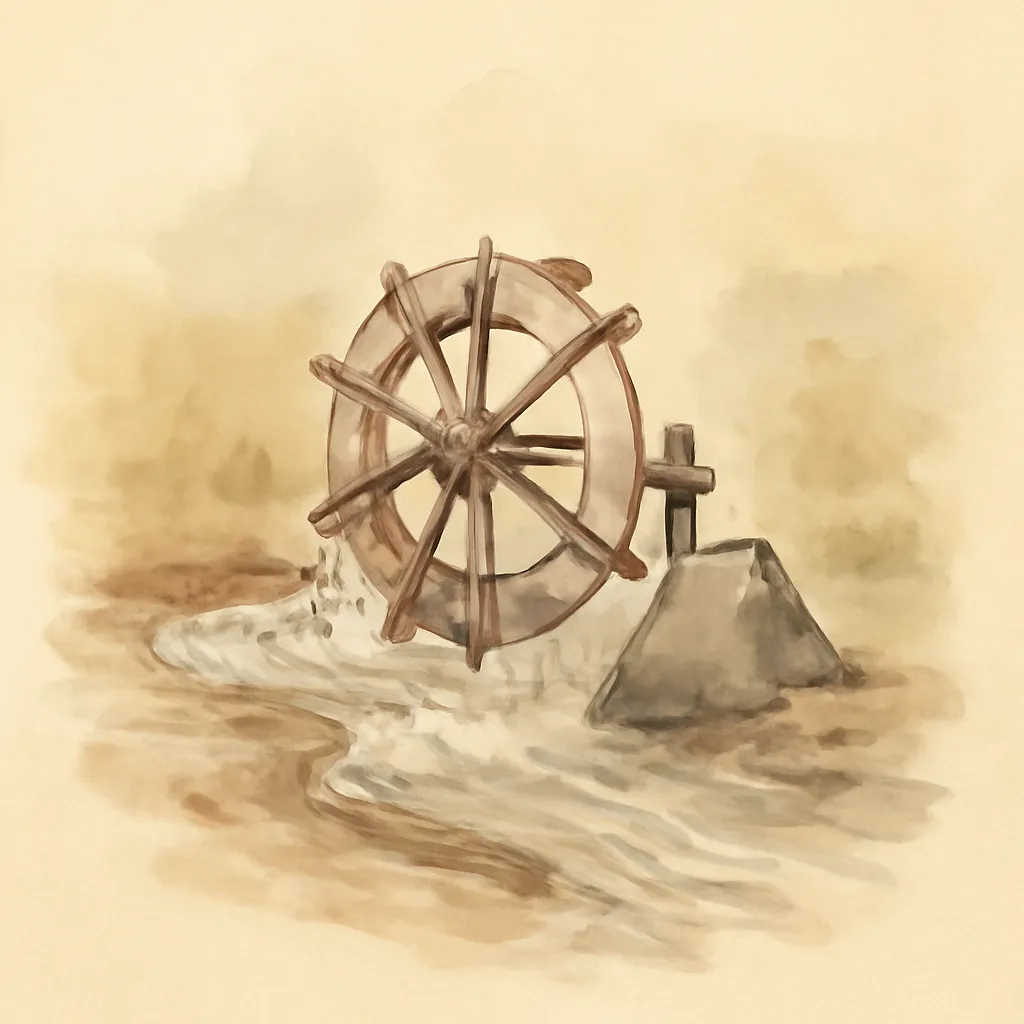
In the absence of modern conveniences, the castaways must innovate to create the necessities of life. Cyrus Harding, as the engineer, leads the charge in developing new technologies and methods for survival. He constructs a water supply system, builds a forge, and even devises a means to create fire using glass lenses. Each invention not only enhances their living conditions but also serves as a testament to human ingenuity in the face of adversity. The narrative illustrates how necessity drives creativity, leading to breakthroughs that would not have been possible without the pressure of survival. For instance, the creation of tools from natural resources demonstrates the characters' ability to adapt and innovate, transforming their environment into a livable space. This theme resonates with the idea that innovation is often born out of necessity, challenging readers to think about how they can apply similar principles in their own lives.
5.The Quest for Knowledge
As the castaways settle into their new life, they embark on a quest for knowledge about their environment. They explore the island, mapping its geography, studying the flora and fauna, and uncovering its hidden resources. This exploration not only aids in their survival but also satisfies their intellectual curiosity. The characters' thirst for knowledge reflects a fundamental human desire to understand and master one's surroundings. Their discoveries lead to the identification of useful plants, animals, and minerals, which further enhances their ability to thrive. This theme underscores the importance of lifelong learning and the pursuit of knowledge as essential components of human growth and development. Through their explorations, the castaways not only adapt but also begin to transform their new home into a sustainable environment.
6.Facing the Unknown
The mystery of the island looms large throughout the narrative, as the castaways grapple with the unknown elements of their new home. They are initially uncertain whether the island is truly uninhabited or if other humans may be lurking nearby. This uncertainty creates a sense of tension and urgency, prompting them to take precautions and fortify their settlement. The fear of potential threats, whether from animals or humans, drives the characters to remain vigilant and prepared. Their encounters with strange phenomena, such as unexplained sounds and mysterious footprints, heighten the suspense and keep readers engaged. This element of the unknown serves as a powerful reminder of the unpredictability of life and the importance of being adaptable and resilient in the face of uncertainty.
7.Nature as an Ally and Adversary
The relationship between the castaways and nature is complex, as they experience both its beauty and its dangers. The island provides them with resources and sustenance, yet it also presents numerous challenges, including storms, wildlife, and rugged terrain. This duality reflects the broader theme of humanity's relationship with the natural world. The castaways learn to respect and understand their environment, recognizing that nature can be both a nurturing force and a formidable adversary. Their experiences highlight the need for balance and harmony with the natural world, as they navigate its challenges while also harnessing its gifts. This theme resonates with contemporary discussions about environmental stewardship and the importance of living in harmony with nature.
8.The Role of Leadership
Cyrus Harding emerges as a natural leader, guiding the castaways through their trials with confidence and vision. His ability to inspire and motivate his companions is crucial for maintaining morale and fostering cooperation. Harding's leadership style emphasizes humility, practicality, and a willingness to listen to the ideas of others. This approach encourages collaboration and empowers each member of the group to contribute their strengths. The narrative illustrates the qualities of effective leadership, such as decisiveness, empathy, and the ability to adapt to changing circumstances. Harding's leadership not only ensures the survival of the group but also helps them build a thriving community. This theme serves as a powerful reminder of the impact of strong leadership in overcoming challenges and achieving collective goals.
9.Exploration and Discovery
The castaways' exploration of the island serves as a metaphor for the human spirit's innate desire to discover and explore the unknown. Their journeys into the uncharted territories of Lincoln Island become a source of adventure and excitement, as they uncover new resources and gain a deeper understanding of their environment. This theme resonates with the broader human experience of exploration, whether it be physical, intellectual, or spiritual. The castaways confront their fears and uncertainties as they venture into the unknown, ultimately emerging stronger and more capable. Their discoveries not only enhance their survival but also enrich their lives, highlighting the transformative power of exploration. This theme encourages readers to embrace their own journeys of discovery and to seek out new experiences that challenge and inspire growth.
10.The Importance of Community
As the castaways navigate their new lives on the island, the importance of community becomes increasingly evident. The bonds they form through shared experiences and challenges create a sense of belonging and support that is vital for their mental and emotional well-being. Their collaborative efforts to build a sustainable existence foster a spirit of camaraderie and mutual reliance. This theme highlights the significance of human connection and the role of community in overcoming adversity. The settlers learn that they are stronger together, and their successes are a testament to the power of collaboration. This message resonates with readers, emphasizing the value of building supportive relationships and working together towards common goals.