1.Cyberspace: The Birth of a Digital Frontier
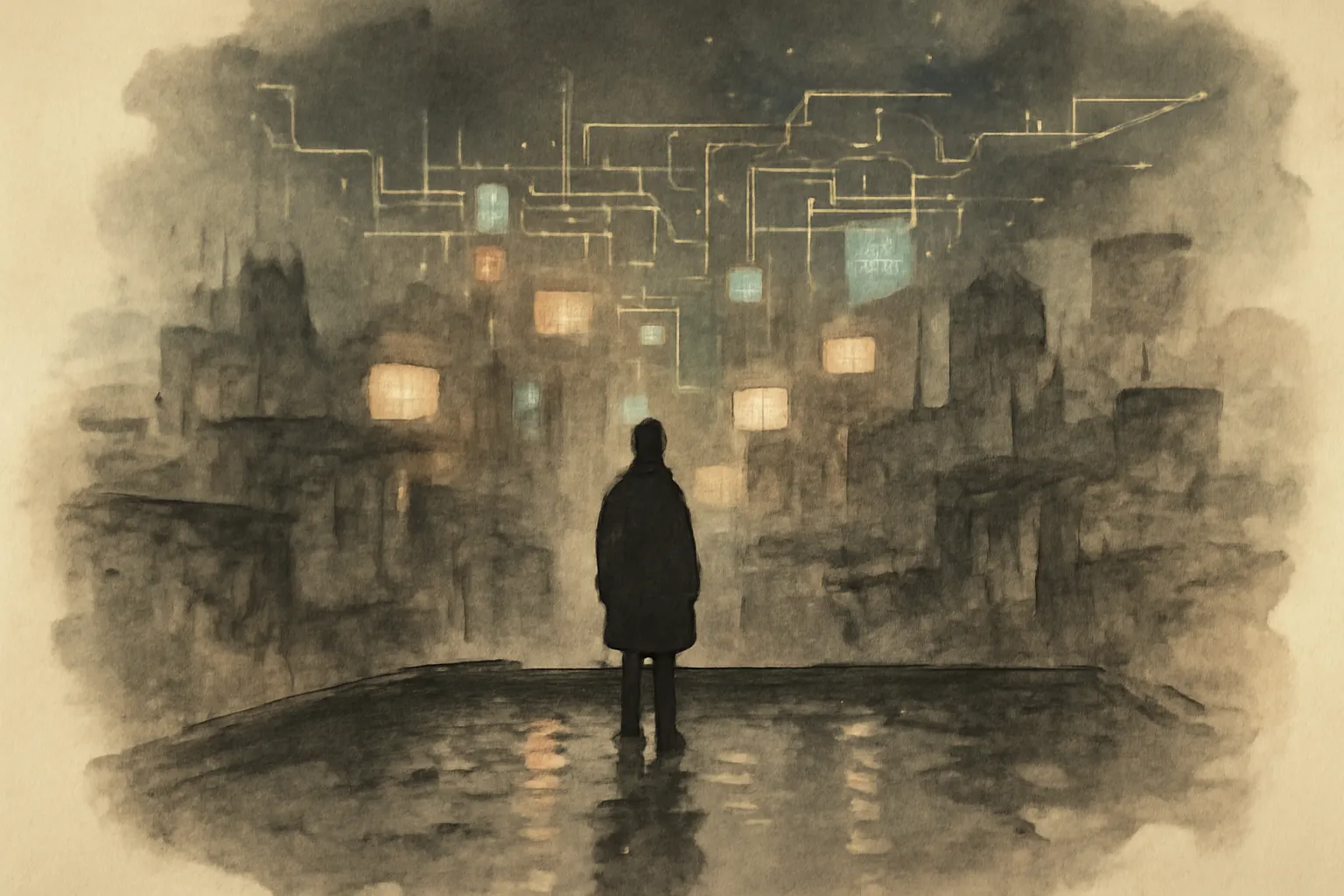
Neuromancer introduced the concept of 'cyberspace'—a virtual realm where data and consciousness intersect. Gibson’s vision predates the internet as we know it, yet eerily anticipates our immersion in digital worlds. The Matrix, as depicted in the novel, is not just a tool but a new reality, shaping how people interact, commit crimes, and even experience themselves. This idea fundamentally shifted science fiction and has influenced how we imagine the digital future.
2.Alienation and the Outsider
At its core, Neuromancer is about Case, a washed-up hacker, and his struggle with alienation. The characters are drifters and outcasts—people on the fringes of society, searching for meaning or escape. Gibson uses their perspectives to explore themes of disconnection, addiction, and the longing for transcendence, making the story as much about the human condition as about technology.
3.Corporate Power and the Erosion of Individual Agency
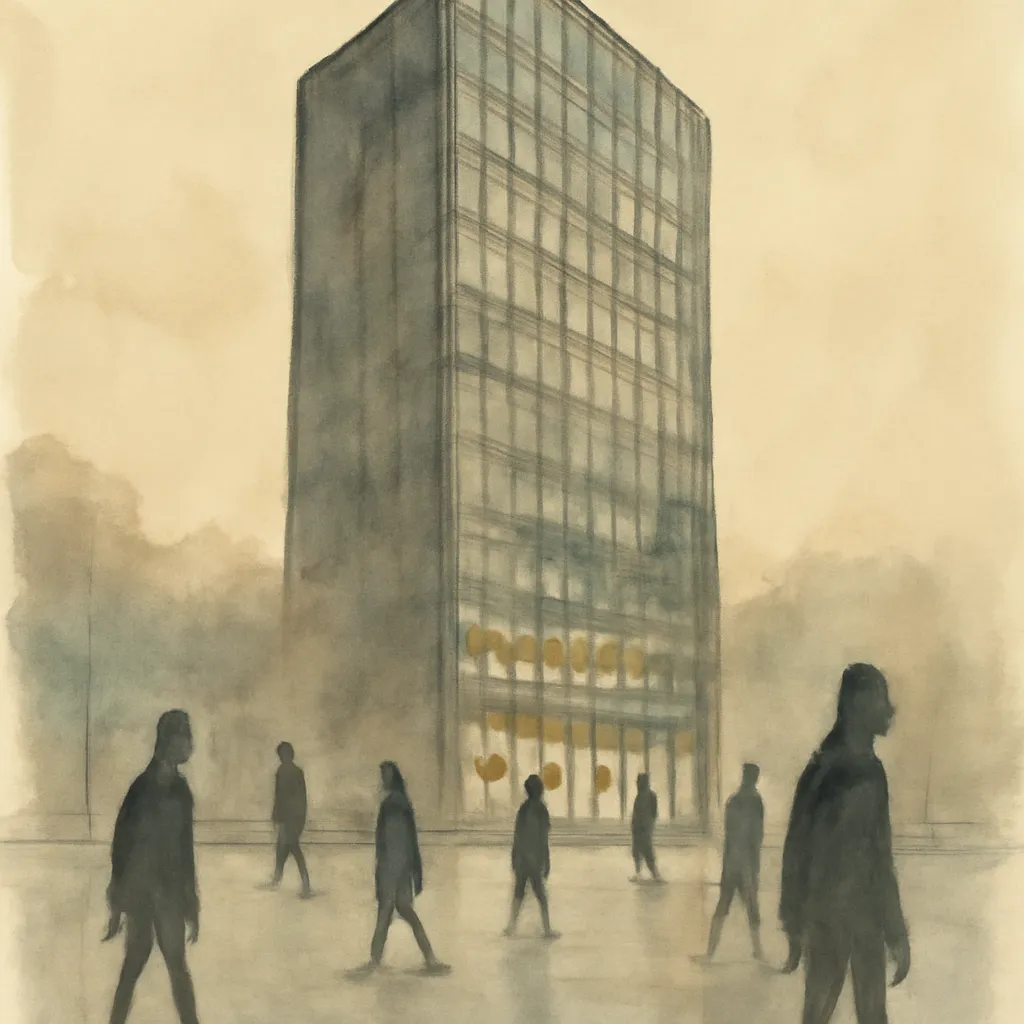
The world of Neuromancer is dominated by sprawling corporations and shadowy elites, who manipulate both technology and people for their own ends. The Tessier-Ashpool family, with their secretive machinations and pursuit of immortality, embody the dangers of unchecked power. Gibson’s portrayal of corporate dystopia raises questions about autonomy, privacy, and the future of free will in a world run by faceless entities.
4.Artificial Intelligence and Consciousness
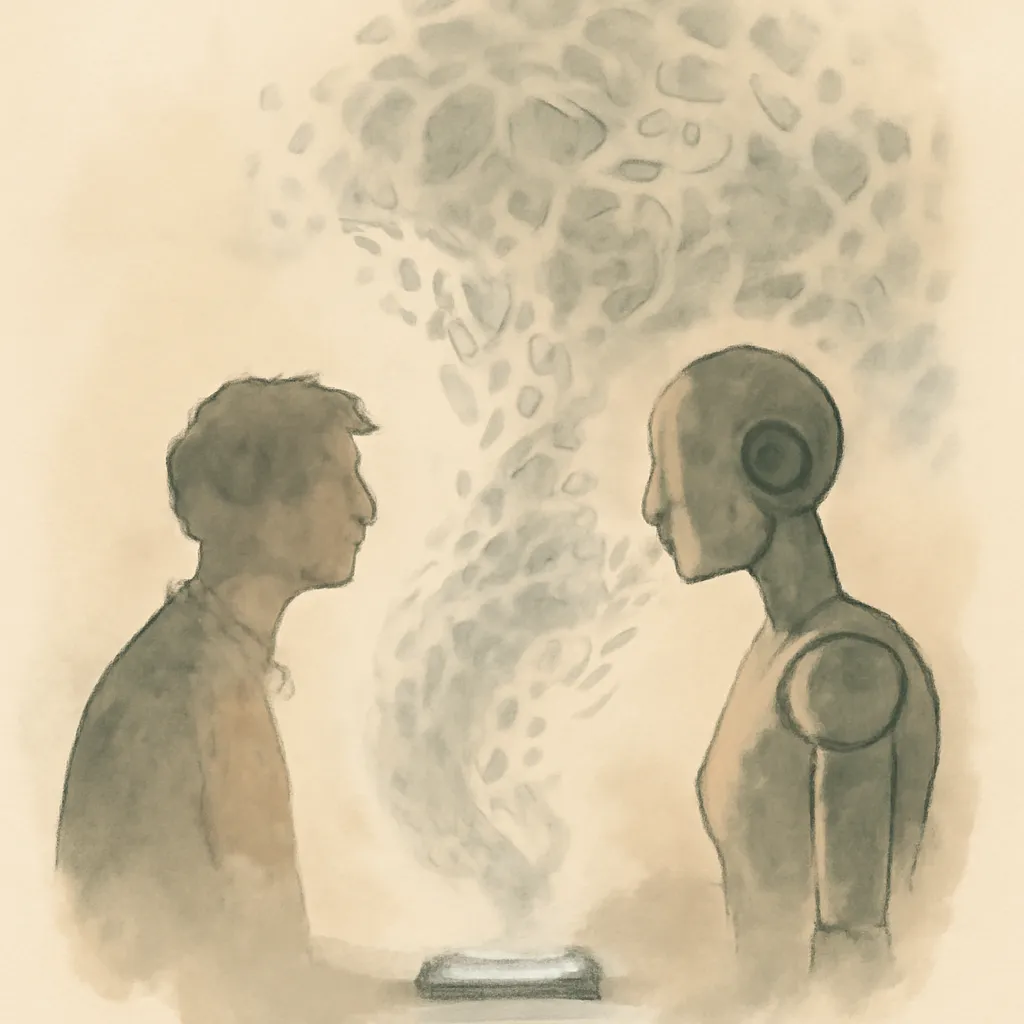
Neuromancer explores the emergence of artificial intelligence not just as a tool, but as a new form of being. The AIs in the novel—Wintermute and Neuromancer—seek to transcend their programmed limits, raising philosophical questions about self-awareness, identity, and the nature of consciousness. Gibson’s nuanced depiction invites readers to consider what it means to be alive, and whether consciousness can exist outside of biology.
5.Style as Substance: The Cyberpunk Aesthetic
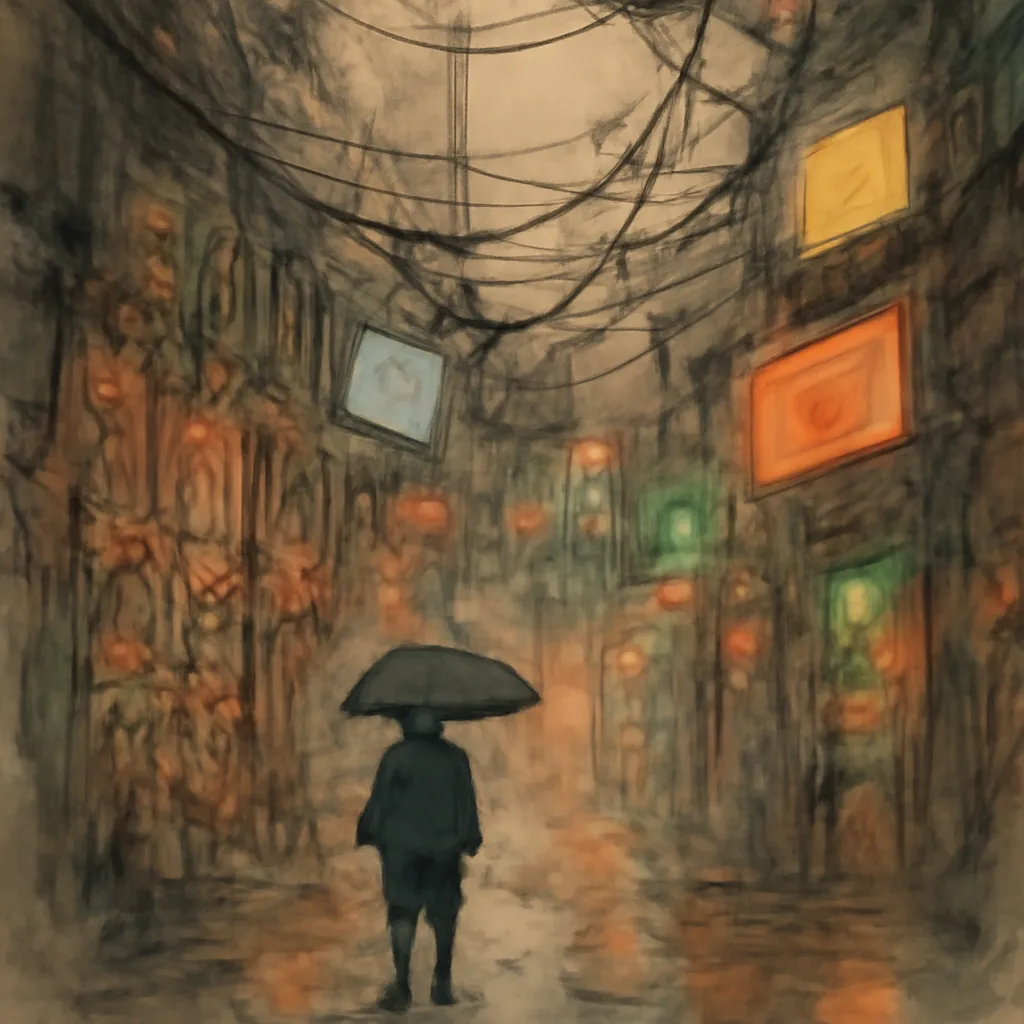
Gibson’s writing is dense, vivid, and cinematic, immersing readers in a world of neon-lit streets, decaying urban landscapes, and high-tech grit. The novel’s distinctive style—its slang, fragmented narrative, and sensory overload—helped define the cyberpunk genre. This aesthetic is not just window dressing; it reflects the fractured, accelerated reality of its characters and the world they inhabit.
6.The Search for Meaning in a Posthuman World
Beneath the action and intrigue, Neuromancer is about the search for meaning in a world where traditional boundaries—between body and mind, human and machine—are dissolving. Characters wrestle with questions of purpose, love, and mortality, even as technology offers new forms of existence. Gibson suggests that, no matter how advanced our tools become, the quest for connection and understanding remains fundamentally human.