
Information superhighway · Computer hackers · Conspiracies
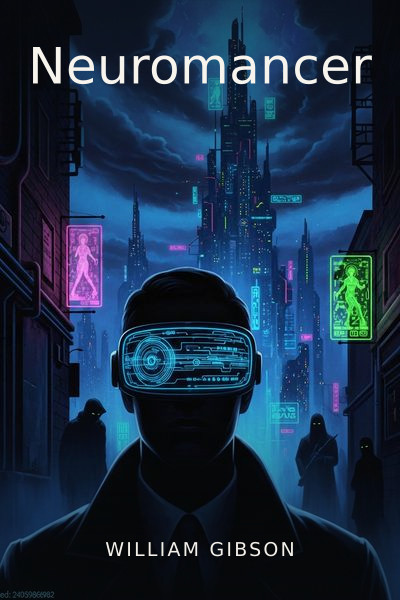
Neuromancer by William Gibson — Summary, Key Ideas & Quotes
1984317 pages✦ 3-min Big ideas★ 4.1 (80)
Rate it
The first of William Gibson's Sprawl trilogy, *Neuromancer* is the classic cyberpunk novel. The winner of the Hugo, Nebula, and Philip K. Dick Awards, *Neuromancer* was the first fully-realized glimpse of humankind’s digital future — a shocking vision that has challenged our assumptions about our technology and ourselves, reinvented the way we speak and think, and forever altered the landscape of our imaginations. Henry Dorsett Case was the sharpest data-thief in the business, until vengeful former employees crippled his nervous system. But now a new and very mysterious employer recruits him for a last-chance run. The target: an unthinkably powerful artificial intelligence orbiting Earth in service of the sinister Tessier-Ashpool business clan. With a dead man riding shotgun and Molly, mirror-eyed street-samurai, to watch his back, Case embarks on an adventure that ups the ante on an entire genre of fiction. Hotwired to the leading edges of art and technology, *Neuromancer* is a cyberpunk, science fiction masterpiece — a classic that ranks with *1984* and *Brave New World* as one of the twentieth century’s most potent visions of the future.
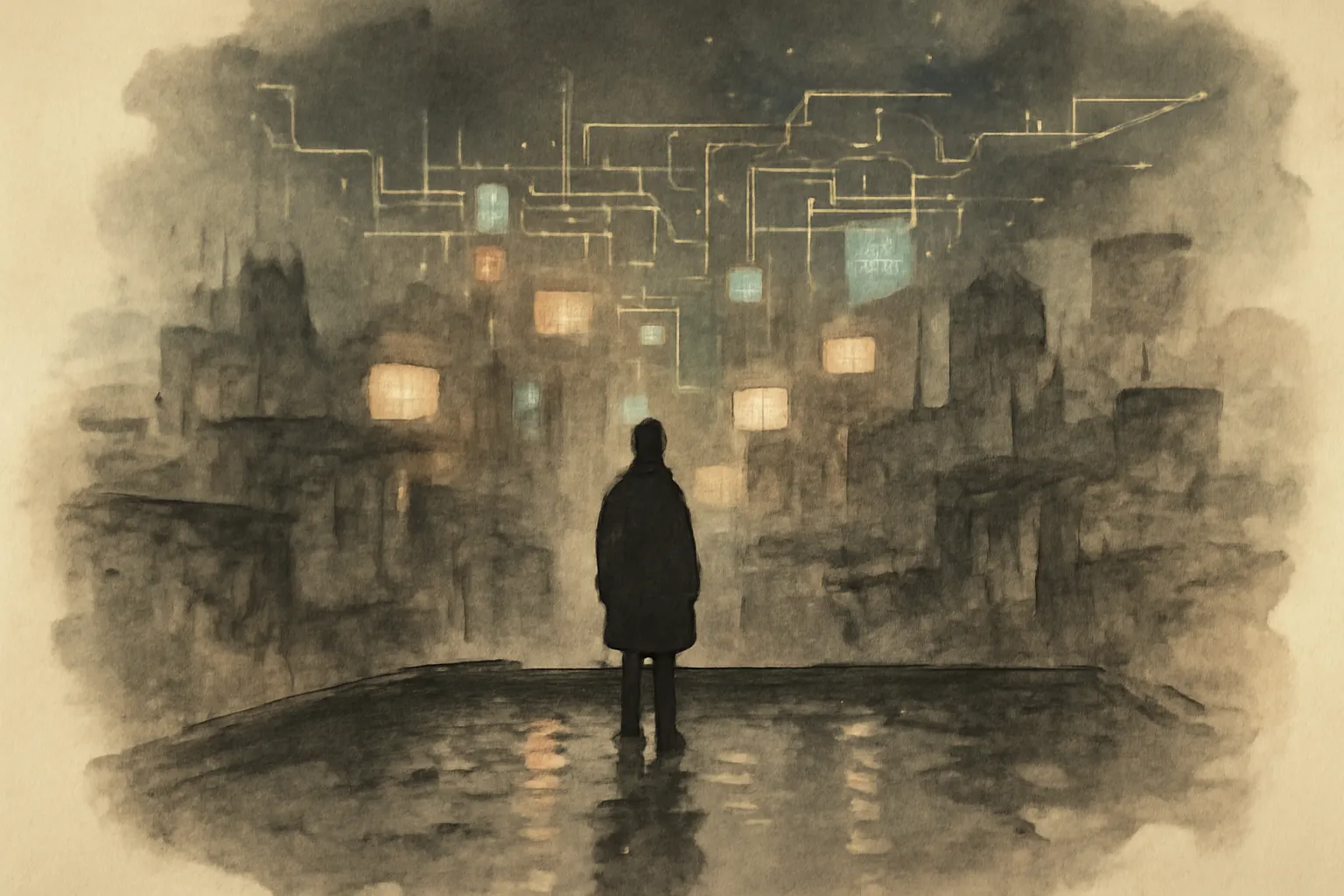
Neuromancer introduced the concept of 'cyberspace'—a virtual realm where data and consciousness intersect. Gibson’s vision predates the internet as we know it, yet eerily anticipates our immersion in digital worlds. The Matrix, as depicted in the novel, is not just a tool but a new reality, shaping how people interact, commit crimes, and even experience themselves. This idea fundamentally shifted science fiction and has influenced how we imagine the digital future.
At its core, Neuromancer is about Case, a washed-up hacker, and his struggle with alienation. The characters are drifters and outcasts—people on the fringes of society, searching for meaning or escape. Gibson uses their perspectives to explore themes of disconnection, addiction, and the longing for transcendence, making the story as much about the human condition as about technology.
“The sky above the port was the color of television, tuned to a dead channel.”
“Cyberspace. A consensual hallucination experienced daily by billions of legitimate operators.”
“The street finds its own uses for things.”