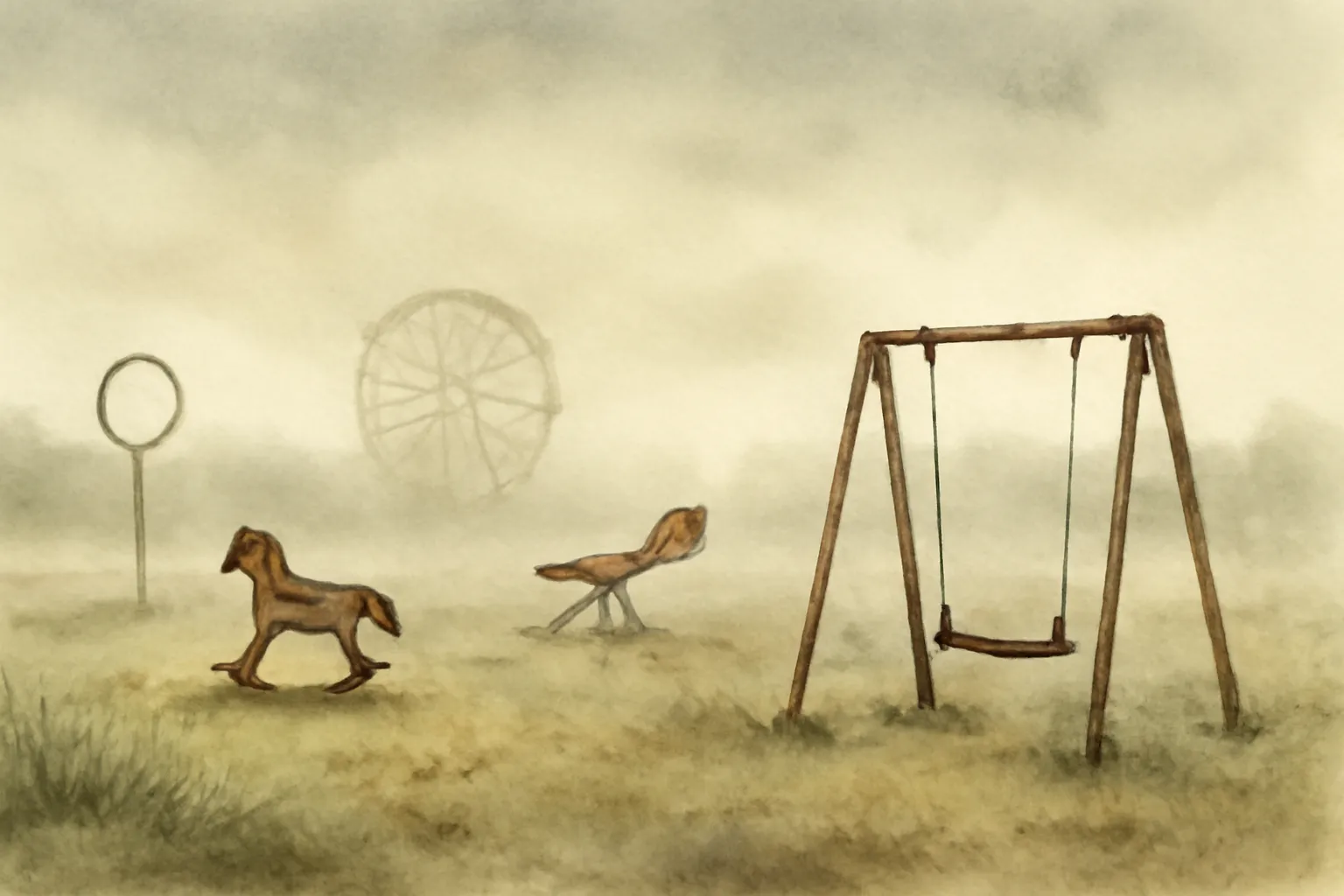
1.The Illusion of Freedom
The students at Hailsham believe they are being prepared for meaningful lives, but their futures are predetermined. Ishiguro uses their constrained existence to probe how people cope with limited agency, subtly critiquing social systems that restrict individual freedom. The characters’ acceptance of their fate raises uncomfortable questions about complicity, resignation, and the ways societies justify exploitation.
2.Memory and the Construction of Self
Narrator Kathy H. reconstructs her life through fragmented memories, highlighting how we use recollection to make sense of our identities and relationships. The novel’s non-linear storytelling mirrors the unreliable, selective nature of memory, suggesting that our sense of self is shaped as much by what we remember as by what we forget or choose to ignore.
3.The Role of Art and Creativity
Art is central at Hailsham, with students encouraged to create and display their work. This emphasis suggests that creativity is a marker of the soul, a way to prove one’s humanity. Yet, the ultimate futility of their artistic efforts questions whether art can truly redeem or save us, or if it merely offers fleeting solace in the face of mortality.
4.Love and Human Connection
At its core, the novel is a story of friendship and love—how these bonds sustain the characters amid bleak circumstances. Kathy, Ruth, and Tommy’s relationships are complex, marked by jealousy, loyalty, and forgiveness. Ishiguro portrays love not as a grand solution, but as a fragile, essential comfort that gives meaning to lives otherwise defined by loss.
5.Acceptance of Mortality
Never Let Me Go confronts death not as a distant abstraction but as an imminent reality. The characters’ calm, almost passive acceptance of their fate compels readers to reflect on how we all grapple with mortality. The novel suggests that the awareness of life’s limits can deepen our appreciation for the ordinary moments and connections that make existence worthwhile.
6.Society’s Moral Blind Spots
The world of the novel is chillingly plausible, with society turning a blind eye to the suffering of the clones for the sake of medical progress. Ishiguro uses this premise to critique how real-world societies rationalize injustice, especially when the victims are marginalized or dehumanized. The story becomes an allegory for ethical complacency and the costs of collective denial.