1.The Chief Good: Happiness as the Ultimate Goal
Aristotle posits that every action and pursuit aims at some good, with happiness (eudaimonia) identified as the ultimate goal of human life. He argues that while people may chase various ends—pleasure, wealth, or honor—true happiness transcends these superficial pursuits. Happiness is not merely a fleeting emotion or a transient state; it is a lasting condition achieved through living in accordance with virtue. Aristotle emphasizes that happiness is the highest good because it is pursued for its own sake, unlike other goods that are sought for the sake of something else. This understanding of happiness as an end in itself sets the foundation for his ethical framework, compelling individuals to align their actions with their pursuit of a fulfilling life.
2.The Role of Virtue in Achieving Happiness
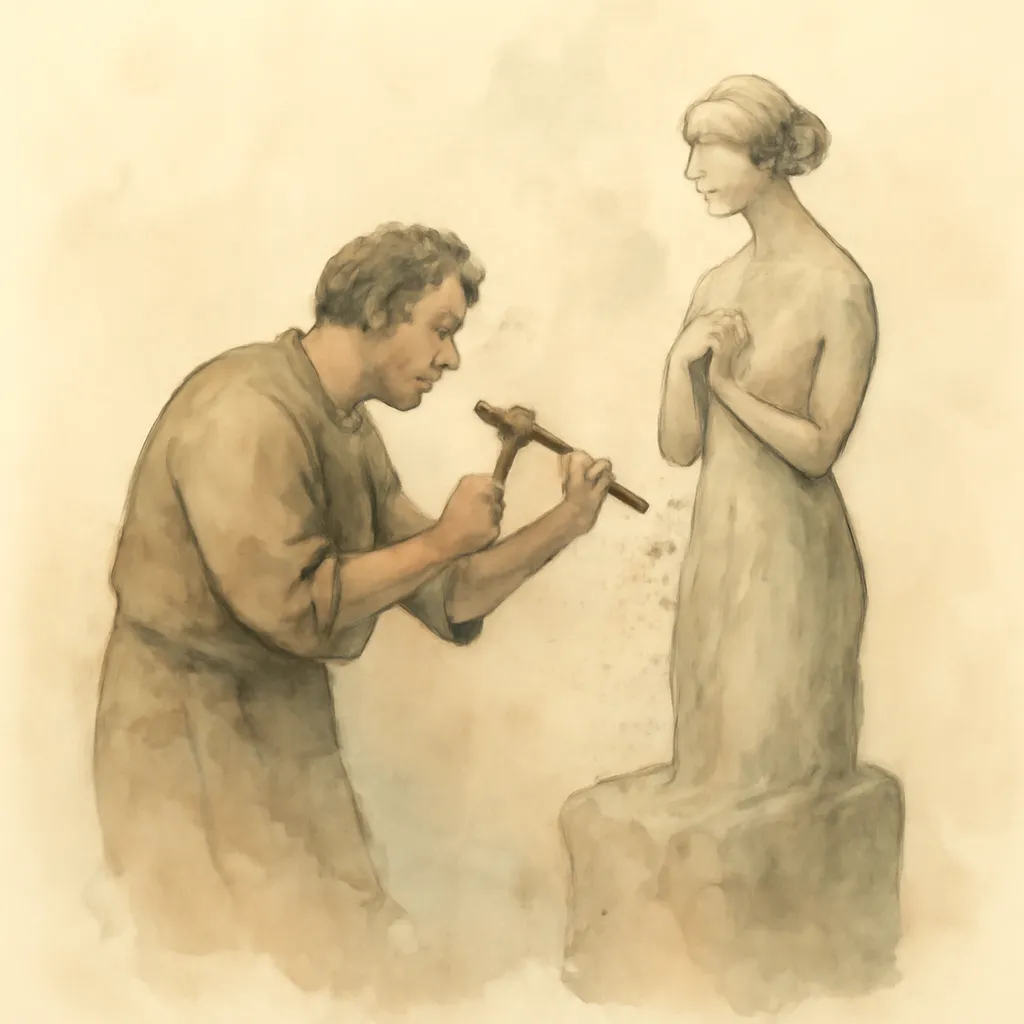
Virtue is central to Aristotle's conception of happiness, serving as the means through which individuals can reach their highest potential. He differentiates between moral virtues, which are developed through habituation and practice, and intellectual virtues, which are cultivated through teaching and experience. Moral virtues, such as courage, temperance, and justice, arise from the habitual performance of virtuous actions, leading individuals to develop a character that aligns with ethical principles. Aristotle asserts that virtues are not innate; rather, they must be cultivated over time through deliberate actions. This process of habituation means that the more one practices virtuous behaviors, the more ingrained they become, ultimately shaping one’s character and leading to a more fulfilling life.
3.The Doctrine of the Mean: Finding Balance in Virtue
A cornerstone of Aristotle's ethical philosophy is the Doctrine of the Mean, which posits that virtue lies between two extremes—excess and deficiency. For example, courage is a virtue that exists between the extremes of recklessness (excess) and cowardice (deficiency). This concept highlights the importance of moderation in moral conduct, advocating for a balanced approach to life’s challenges. Aristotle emphasizes that determining the mean is not a fixed formula; rather, it requires practical wisdom (phronesis) and consideration of the context, including the individual’s character and circumstances. This nuanced understanding encourages individuals to strive for balance, cultivating virtues that lead to a well-rounded and harmonious life.
4.The Importance of Practical Wisdom
Practical wisdom, or phronesis, is indispensable in Aristotle's ethical framework as it enables individuals to make sound moral choices. Unlike theoretical knowledge, practical wisdom is about applying knowledge to real-life situations and making decisions that align with virtue. It involves discerning the appropriate course of action in varying circumstances, considering not only the moral principles but also the impact of one’s actions on oneself and others. Aristotle argues that practical wisdom is developed through experience and reflection, allowing individuals to navigate complex moral dilemmas effectively. This ability to balance rational thought with ethical considerations is vital for achieving happiness and living a virtuous life.
5.The Nature of Moral Responsibility
Aristotle addresses moral responsibility by distinguishing between voluntary and involuntary actions. He asserts that true moral actions stem from the agent's own choices, highlighting the significance of intention in ethical conduct. Actions performed under compulsion or ignorance are deemed involuntary, and thus, individuals cannot be held morally accountable for them. This perspective emphasizes the importance of conscious decision-making in ethical behavior. Furthermore, Aristotle contends that individuals can only be praised or blamed for actions that arise from their own volition, reinforcing the idea that moral character is defined by one’s choices and the virtues cultivated through those choices.
6.The Social Dimension of Ethics
Aristotle recognizes that human beings are inherently social creatures, and ethical behavior cannot be fully understood in isolation. The pursuit of virtue and happiness is intricately linked to one’s relationships and contributions to society. He argues that a flourishing community is essential for individual well-being, as individuals achieve their highest potential through social interactions and shared values. Aristotle emphasizes the role of friendship, justice, and civic engagement in fostering a virtuous life. This social dimension of ethics underscores the interconnectedness of individuals and the importance of contributing to the common good, ultimately enriching one's own pursuit of happiness.
7.The Connection Between Happiness and Virtue
Aristotle posits that true happiness is inextricably linked to the practice of virtue. He argues that happiness cannot be attained through external goods alone; rather, it is achieved by living a life of moral excellence and fulfilling one’s potential. This connection is evident in Aristotle’s assertion that virtuous actions lead to a sense of fulfillment and inner peace. Happiness, therefore, is not a result of material wealth or fleeting pleasures but is rooted in the cultivation of a virtuous character. By aligning one’s actions with ethical principles, individuals can experience a deep and lasting sense of contentment, reinforcing the idea that the good life is synonymous with the virtuous life.
8.The Role of External Goods in Happiness
While Aristotle emphasizes the importance of virtue in achieving happiness, he also acknowledges the role of external goods. He argues that certain external factors, such as wealth, health, and social status, can impact one’s ability to live a happy life. However, these goods are not the source of happiness; rather, they serve as instruments that can facilitate or hinder one’s pursuit of virtue. For instance, while wealth can provide opportunities for virtuous actions, it can also lead to moral corruption if misused. Aristotle cautions against overvaluing external goods, asserting that true happiness arises from the internal state of the soul and the practice of virtue, regardless of one’s material circumstances.
9.The Pursuit of Happiness as a Lifelong Journey
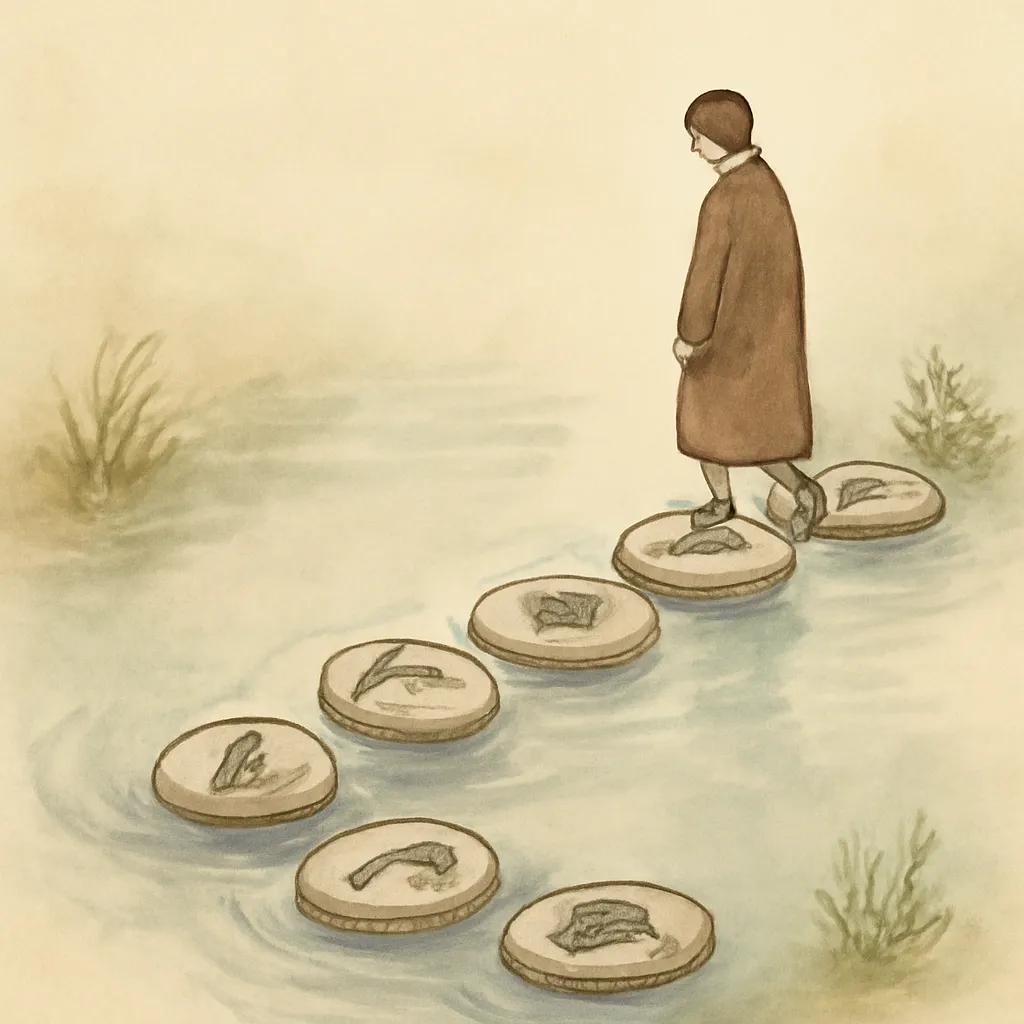
Aristotle portrays the pursuit of happiness as a lifelong journey rather than a destination. He emphasizes that achieving true happiness requires continuous effort, reflection, and moral growth. This perspective encourages individuals to view their ethical development as an ongoing process, recognizing that life’s challenges and experiences contribute to their understanding of virtue. By embracing this journey, individuals can cultivate resilience, adaptability, and a deeper appreciation for the complexities of moral life. Aristotle’s insights remind readers that happiness is not a static state but a dynamic interplay of choices, actions, and personal growth throughout one’s life.