1.The Transformative Power of Nightfall
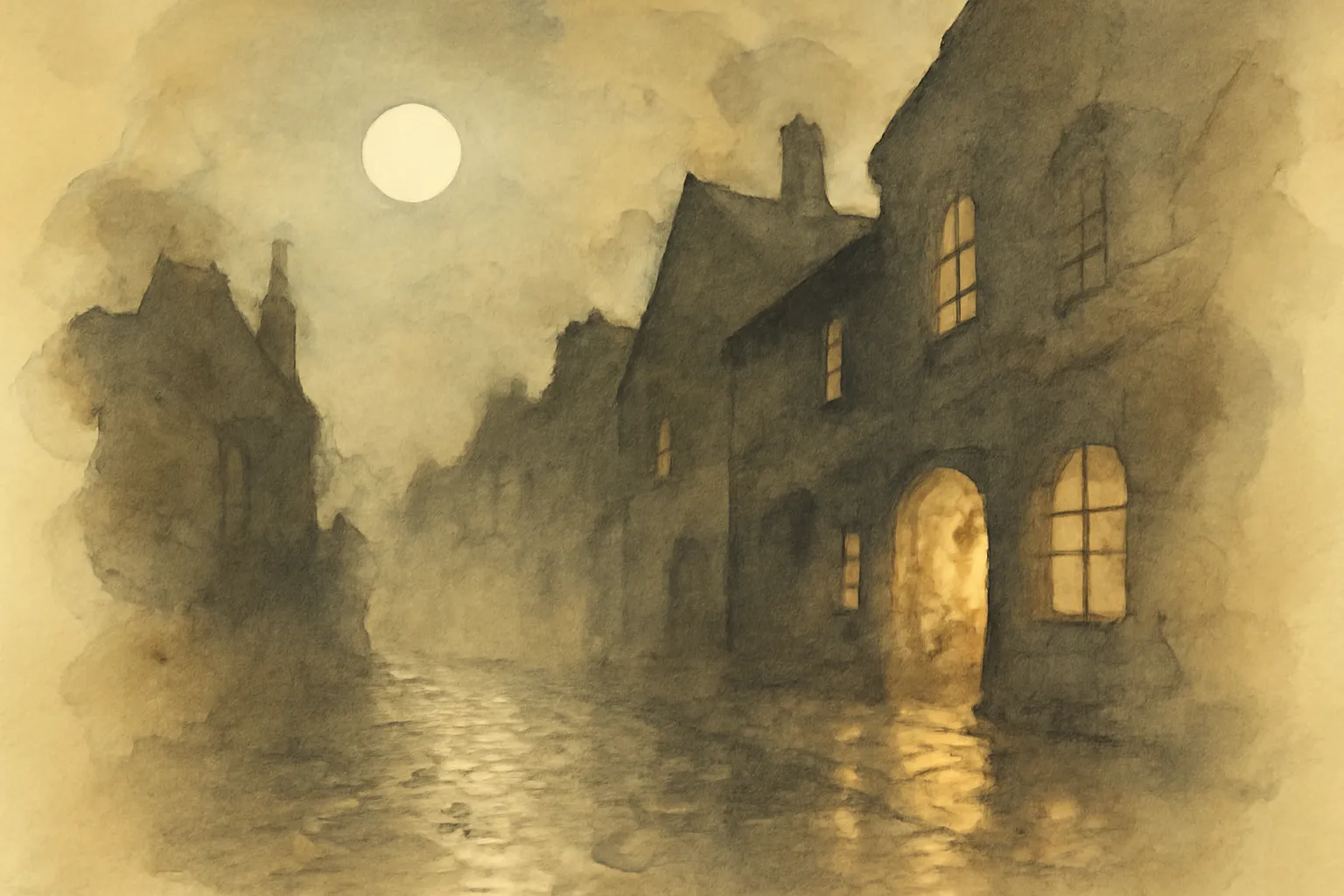
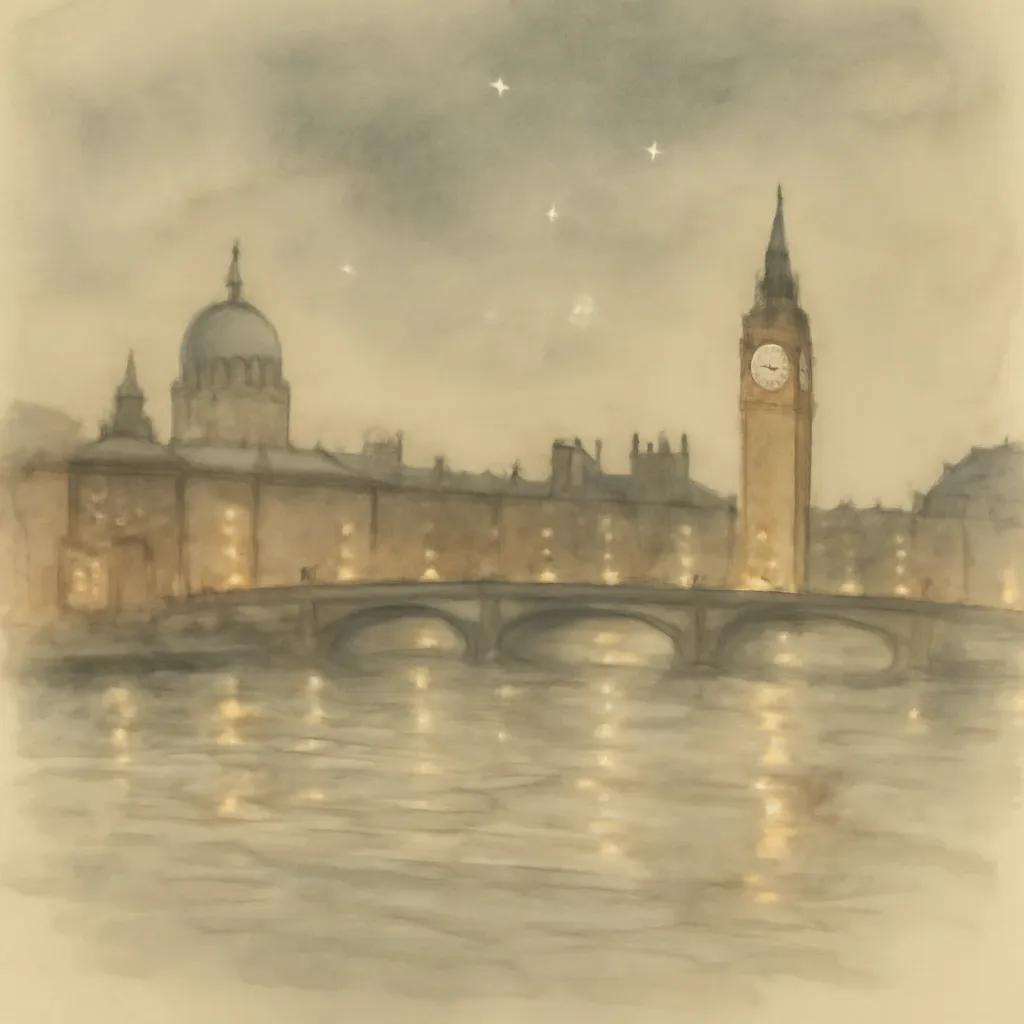
As the sun dips below the horizon, London transforms into a realm of possibility. Burke eloquently describes how the city, cloaked in twilight, sheds its harsh realities and reveals a more enchanting side. The bustling streets, often filled with the noise of day, quiet down to allow a different kind of life to flourish. The evening brings a sense of liberation, where the ordinary becomes extraordinary. Burke likens this transformation to a town being robed in beauty, suggesting that the night is not merely a backdrop but an active participant in the city's narrative. In this nocturnal world, every corner offers a new experience, from lively cabarets to serene parks, inviting individuals to shed their daytime personas and embrace the freedom of the night.
2.Diverse Lives Intersecting in the Night
One of Burke's most striking themes is the intersection of diverse lives in the city's nightlife. He takes readers on a journey through various neighborhoods, each with its unique character and inhabitants. From the vibrant chaos of Limehouse to the serene elegance of Chelsea, Burke illustrates how London is a microcosm of the world. Each area is home to distinct cultures, languages, and experiences, showcasing the city's rich tapestry. This diversity is not only geographical but also social; the night serves as a great equalizer where class distinctions blur, and people from different backgrounds come together. In exploring these varied settings, Burke emphasizes the humanity that connects all Londoners, regardless of their origins or circumstances, highlighting the shared joys and struggles found in the heart of the city.
3.The Allure of Entertainment
Burke delves into the world of entertainment, revealing how it shapes the city's nightlife. He captures the essence of music halls, theatres, and cabarets, places where laughter, music, and performance intertwine to create a unique atmosphere. The author reflects on the evolution of vaudeville, noting how the quality of performances has improved over time, with orchestras incorporating classical influences into their acts. This evolution not only reflects changing tastes but also the resilience of performers who strive to adapt and entertain. Through vivid descriptions of lively shows and the camaraderie among performers, Burke conveys the joy and escape that entertainment provides to both the audience and the artists. These venues become sanctuaries where people can momentarily forget their troubles and immerse themselves in the magic of performance.
4.The Raw Reality of East London
In stark contrast to the glamour of the West End, Burke explores the gritty, vibrant life of East London, particularly in areas like Limehouse. He describes how the East is alive with raw energy, where the elemental aspects of life—love, hate, joy, and despair—are laid bare. This unfiltered view of humanity is both captivating and unsettling, showcasing the struggles of those who inhabit these neighborhoods. Burke's portrayal of the East reveals a side of London that is often romanticized or overlooked, emphasizing that true life is not always glamorous. He invites readers to embrace the chaos and beauty of this reality, suggesting that it is in these moments of unvarnished truth that we find the essence of the human experience. The East becomes a symbol of authenticity in a city that is often cloaked in artifice.
5.Reflections on Youth and Memory
Burke poignantly reflects on the nature of youth and the memories tied to specific places in London. He presents Kingsland Road as a personal symbol of hardship and lost dreams, illustrating how certain locations evoke deep emotional responses. This exploration of memory highlights the bittersweet nature of nostalgia, as Burke grapples with the passage of time and the inevitability of change. Youth, often idealized, is presented as a complex experience filled with both potential and pain. Burke's candid reflections serve as a reminder that while the past shapes our identities, it is the present that demands our attention. Through these memories, he encourages readers to confront their own pasts, recognizing that every street in London holds a story that contributes to the city's rich history.
6.The Enchantment of Music
Music plays a vital role in Burke's portrayal of London nights, serving as a bridge between different cultures and experiences. He captures the vibrancy of musical performances, from the grand operas of Covent Garden to the lively tunes of local pubs. Burke emphasizes the transformative power of music, which has the ability to evoke deep emotions and create connections among diverse audiences. The beauty of a well-played piece can transport listeners, allowing them to escape their realities, even if just for a moment. Burke's admiration for the musicians, both famous and obscure, underscores the importance of their contributions to the cultural fabric of the city. Through music, Londoners find solace, joy, and unity, reinforcing the idea that art is a universal language that transcends barriers.
7.The Night as a Social Equalizer
Burke illustrates how the night serves as a social equalizer, where individuals from various backgrounds come together in shared experiences. The city’s nightlife fosters a sense of community, as strangers become friends over the course of an evening. This environment allows for the breaking down of societal barriers, as people engage in laughter, conversation, and enjoyment. Burke’s observations highlight the importance of these connections, suggesting that the night offers a unique opportunity for understanding and empathy among individuals who might otherwise never cross paths. By immersing readers in the lively interactions of nightlife, he champions the idea that shared experiences can foster a deeper appreciation for the diversity of human life.
8.Charity and Compassion in the City
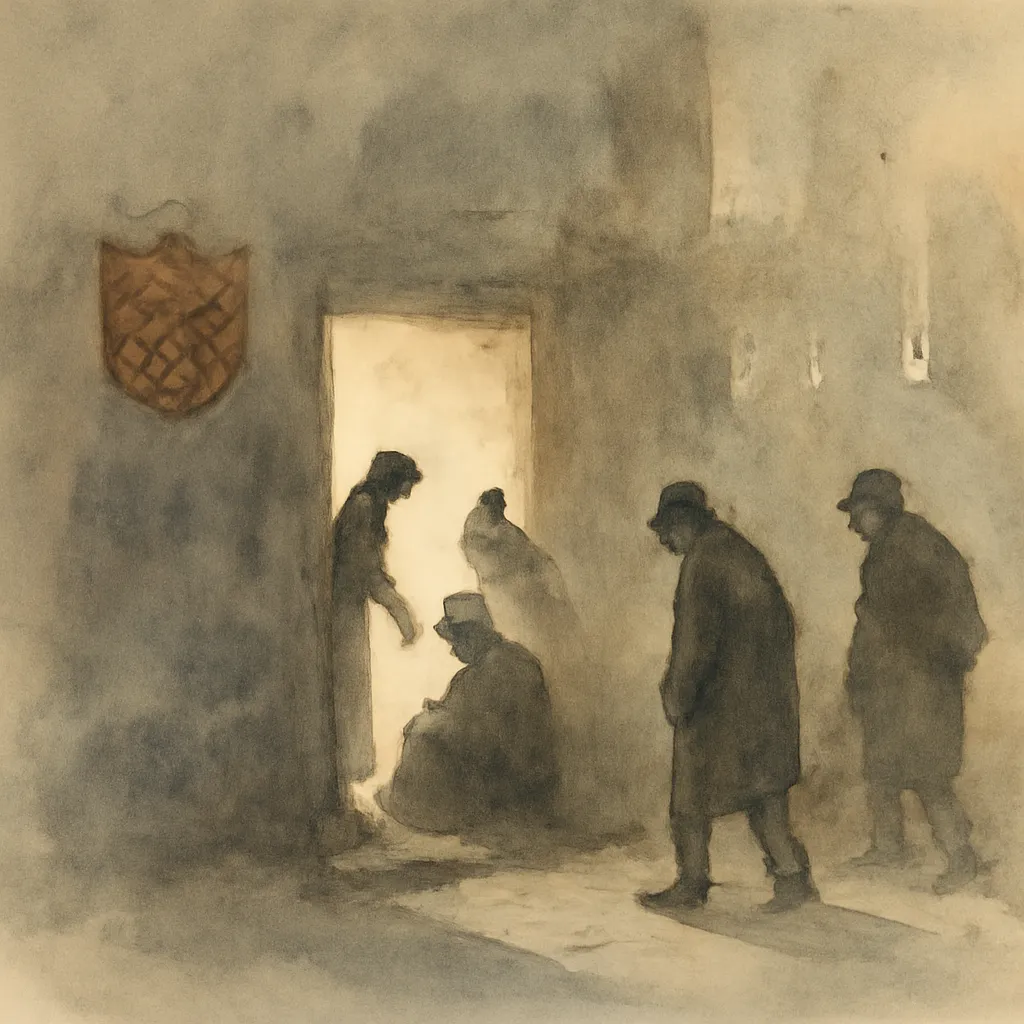
Amidst the revelry, Burke does not shy away from depicting the darker sides of urban life, including poverty and homelessness. Through his exploration of charitable efforts, such as the Salvation Army’s shelters, he sheds light on the city's social responsibilities. Burke emphasizes that while the nightlife can be vibrant and enchanting, it is crucial to recognize and address the needs of the less fortunate. The shelters offer not just refuge but also a sense of dignity, allowing individuals to reclaim their humanity in a compassionate environment. This juxtaposition of joy and suffering serves as a reminder that the true spirit of London lies in its ability to care for all its inhabitants. Burke’s reflections encourage readers to engage with their city in a way that acknowledges both its beauty and its challenges.
9.A Celebration of Everyday Life
Burke's narrative is ultimately a celebration of everyday life in London, capturing the small moments that contribute to the city's vast tapestry. He invites readers to appreciate the mundane alongside the extraordinary, recognizing that beauty often lies in the details. From the simple pleasure of enjoying a meal in a bustling café to the intimate conversations shared between friends, these experiences are what truly define life in the city. Through his vivid descriptions, Burke encourages readers to slow down and observe the world around them, finding joy in the ordinary. This appreciation for daily life underscores the idea that every moment, no matter how small, contributes to the larger narrative of the city and its people.
10.The Essence of London’s Identity
In 'Nights in London', Burke articulates a vision of the city that is multifaceted and ever-evolving. He captures the essence of London as a living, breathing entity, shaped by its history, culture, and the people who inhabit it. The nights serve as a canvas on which countless stories are painted, each reflecting the complexities of urban life. Burke's exploration of the city's various identities—its glamour, grit, joy, and sorrow—reveals a deeper understanding of what it means to be a Londoner. This identity is not static but rather a dynamic interplay of experiences and emotions, continuously redefined by the passage of time. By diving into the nights of London, Burke invites readers to engage with the city on a profound level, encouraging a sense of connection and belonging.