1.The Dichotomy of Nature's Beauty and Brutality
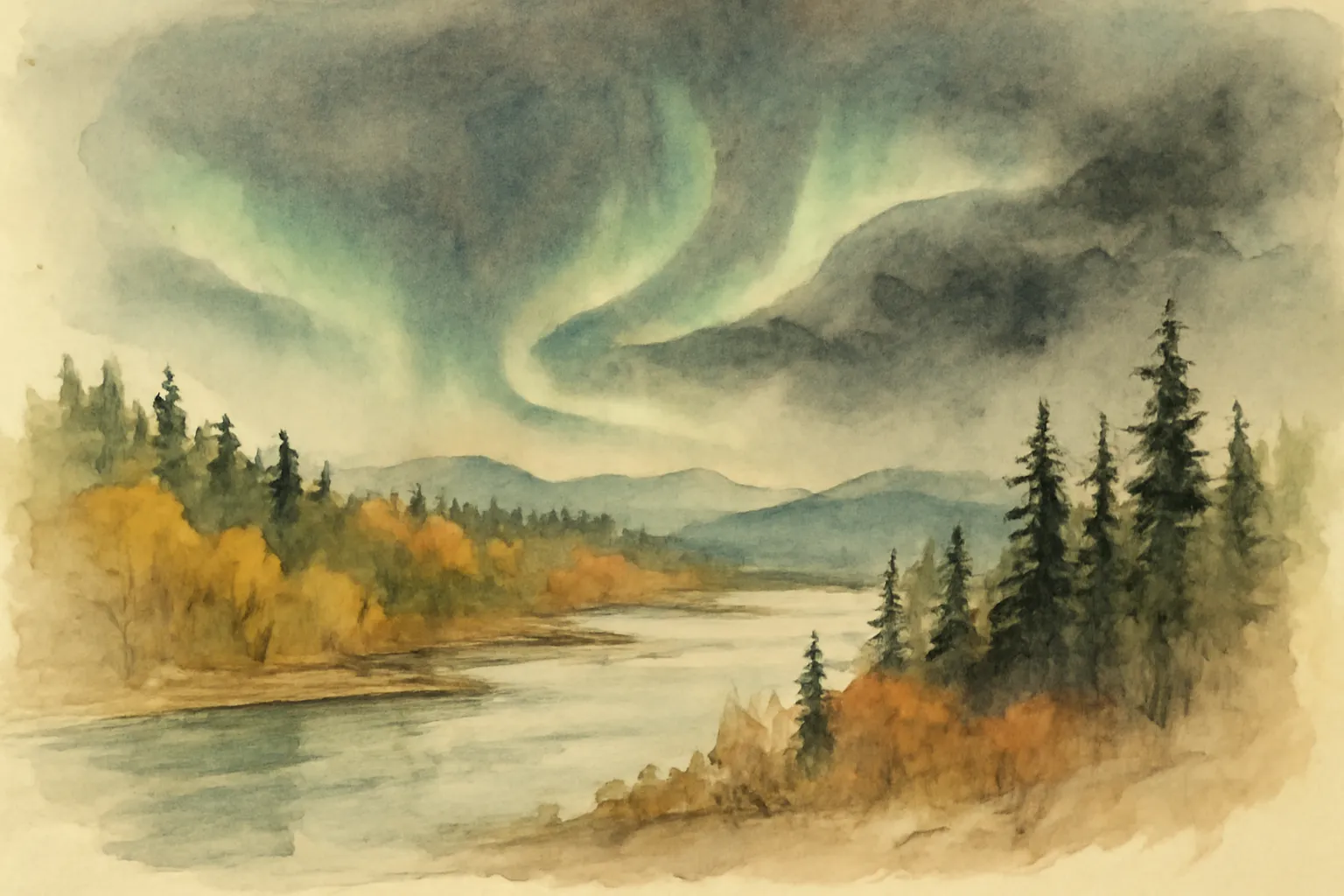
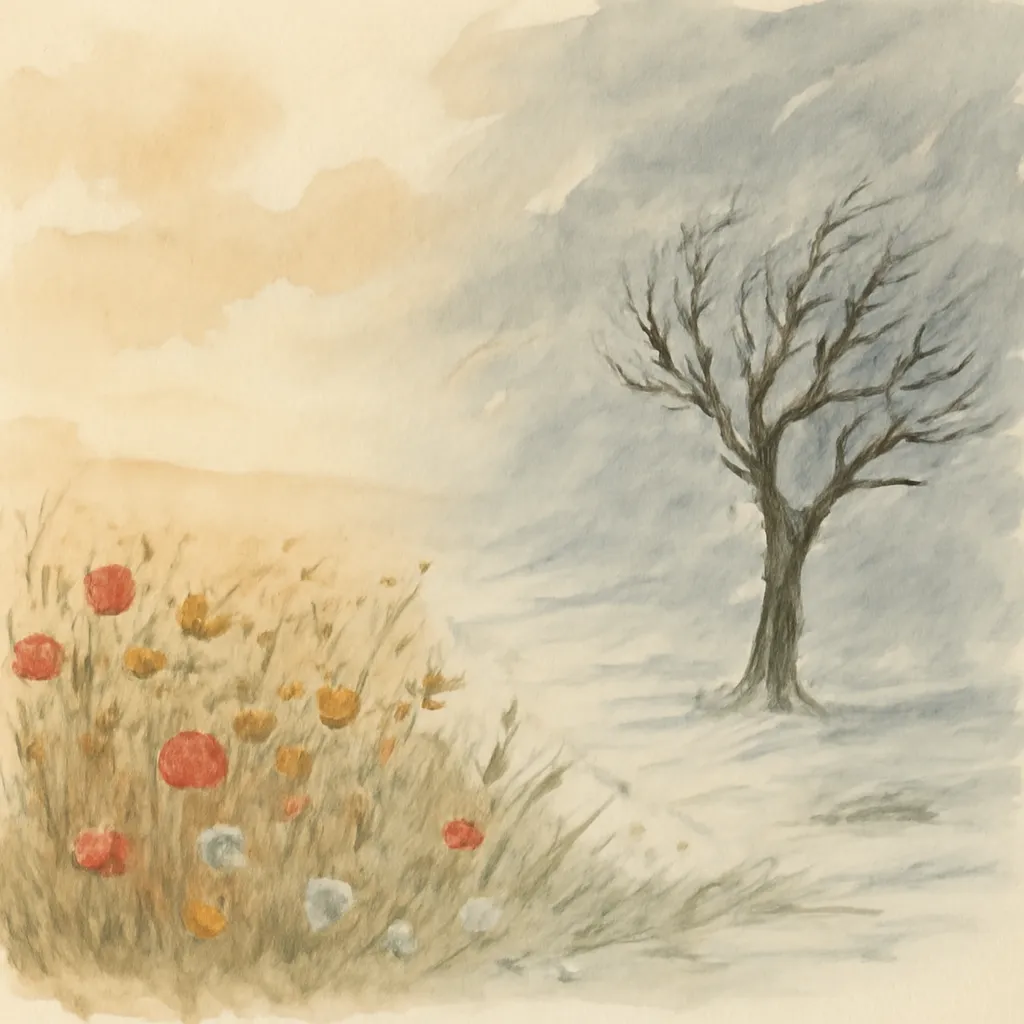
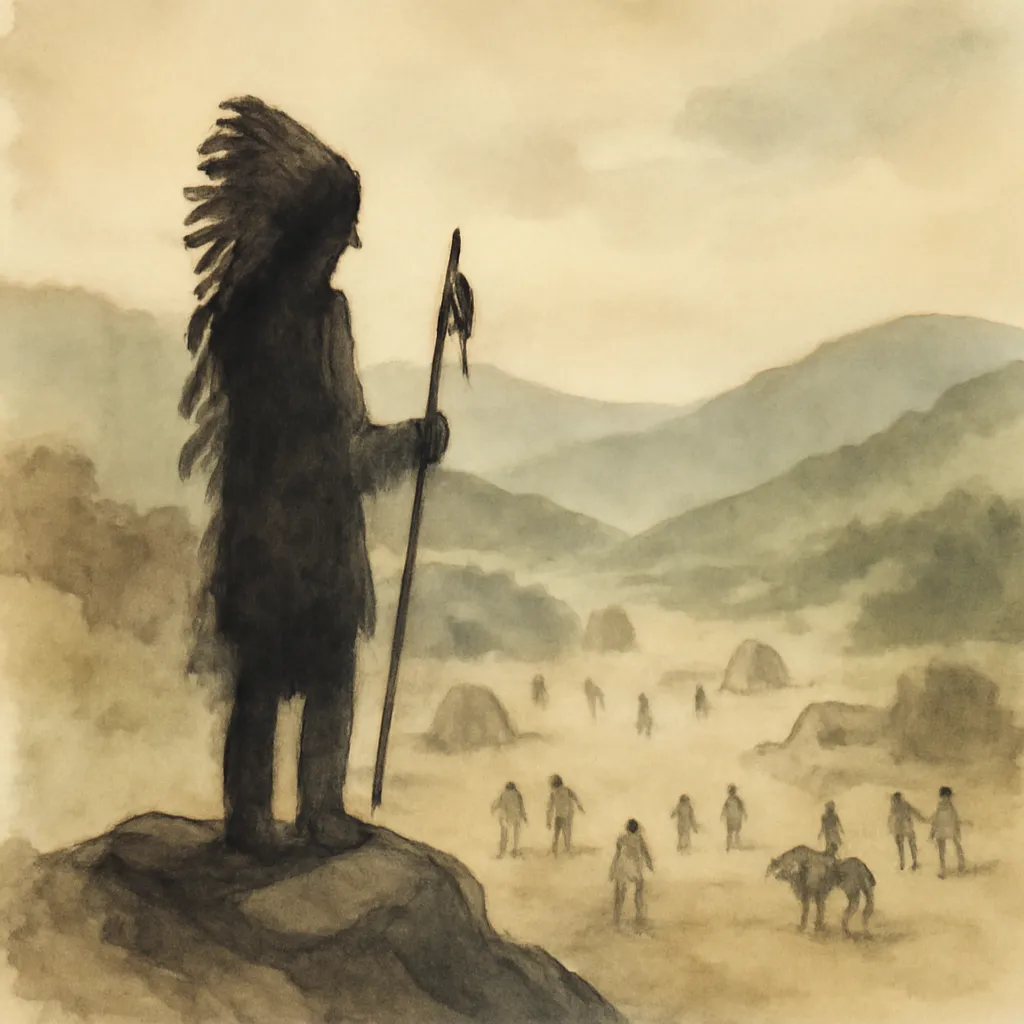
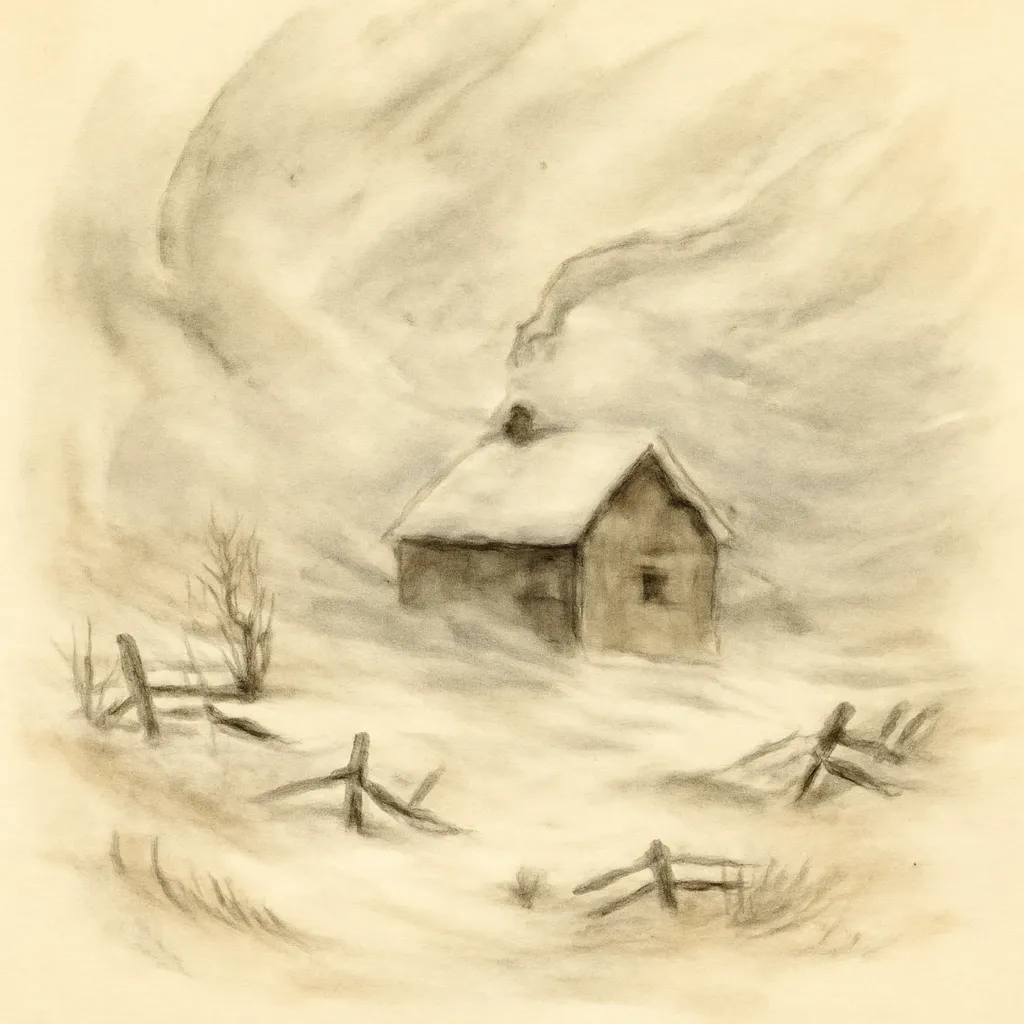
Athabasca is portrayed as a land of stark contrasts, where the enchanting beauty of summer quickly gives way to the harshness of winter. Parker emphasizes that while the region offers breathtaking landscapes filled with vibrant colors and life, it also presents severe challenges, including extreme cold and isolation. Characters often grapple with this duality, finding moments of joy amidst the struggle for survival. The description of a 'poudre day' highlights the deceptive allure of winter, where the snow appears beautiful but can be treacherous for those unprepared. This interplay between beauty and danger serves as a metaphor for the characters' journeys, highlighting that life in the North is a balancing act between hope and hardship. For instance, the snow-tipped mountains and the colorful autumn woods contrast sharply with the relentless chill of winter, showcasing the complexity of a landscape that can both inspire and intimidate.
2.Courage and Sacrifice in the Face of Adversity
The stories are rich with themes of courage and sacrifice, particularly in the context of familial and romantic relationships. The character Jim Templeton embodies selflessness as he navigates the challenges of forging a life in the North with his wife, Sally. Their relationship is a testament to mutual respect and shared vision, demonstrating how love can inspire individuals to confront daunting obstacles. Sally's unwavering support for Jim's ambitions highlights the sacrifices often made in pursuit of a better life. For example, Sally’s determination to stand by Jim during their journey helps him to focus on his goals, showcasing the deep bond that drives them forward. This theme resonates throughout the book, as characters frequently face choices that test their resolve and commitment to those they love. In doing so, Parker illustrates how the pursuit of dreams often requires personal sacrifice and the courage to endure hardships together.
3.Struggles for Identity and Belonging
Parker explores the tension between Indigenous cultures and the encroaching presence of settlers, highlighting the struggle for identity and belonging. The character Wingo, a Cree boy caught between two worlds, represents the loss and confusion that many Indigenous peoples faced during this period. His journey reflects the broader theme of cultural survival and the fight to maintain one's heritage amidst assimilation pressures. For instance, Wingo's experiences highlight the challenges of navigating a society that often views Indigenous culture as inferior, forcing him to grapple with his identity. This struggle for belonging is compounded by his desire to connect with both his Indigenous roots and the new world brought by settlers. Parker's nuanced portrayal of Indigenous characters challenges stereotypes and invites readers to empathize with their plight, emphasizing the importance of understanding and respecting diverse cultures.
4.Nature as a Character
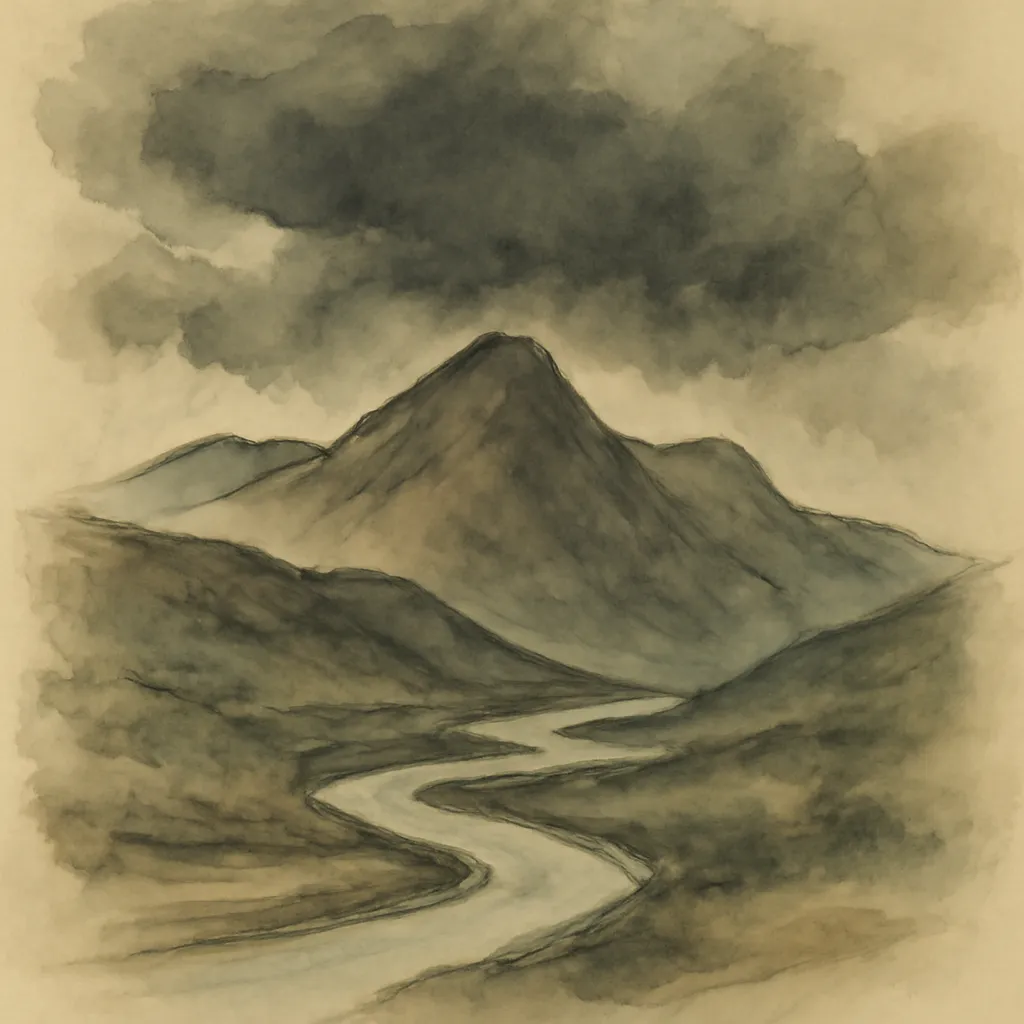
In 'Northern Lights', nature is not just a backdrop but a dynamic character that influences the lives and decisions of the protagonists. The landscapes of Athabasca are depicted with such vividness that they become integral to the narrative, shaping the characters' experiences and fates. For instance, the treacherous Dog Nose Rapids serve as a formidable obstacle that tests Jenny Long's bravery and determination in her quest to rescue a loved one. Nature's role as a character emphasizes the unpredictability of life, where the elements can both nurture and destroy. The relentless forces of nature reflect the vulnerability of humanity, reminding characters of their insignificance in the face of a powerful landscape. This portrayal of nature as a living entity underscores humanity's intricate relationship with the environment, emphasizing both its beauty and danger. Characters are often at the mercy of the elements, showcasing how nature's whims can alter their destinies in an instant.
5.Love as a Driving Force
Love emerges as a central theme that motivates characters to take risks and make sacrifices for one another. The relationship between Jim and Sally Templeton exemplifies this profound connection, as their love fuels their ambitions and helps them navigate the harsh realities of their new life. Sally's unwavering belief in Jim's potential serves as a source of strength, while Jim's determination to create a better future for his family showcases the lengths to which people will go for love. For example, when Jim faces moral dilemmas regarding his ambitions, it is his love for Sally and their daughter Nancy that guides his choices. The narrative also explores the complexities of love in different forms, including familial love, romantic love, and even the love for one's homeland. Parker masterfully illustrates that love can drive individuals to confront fears, overcome obstacles, and ultimately find fulfillment, underscoring its transformative power.
6.Moral Complexity in Human Relationships
Parker does not shy away from depicting moral ambiguities present in human relationships, especially in the context of survival and power dynamics. The character Arrowhead, a Cree chief, embodies the complexities of leadership and the burdens that come with authority. His decisions, driven by the needs of his people, are often fraught with ethical dilemmas that reflect the harsh realities of life in the North. Similarly, Jim Templeton's encounters with the Indigenous tribes reveal the intricate negotiations of power, respect, and understanding that define their interactions. For example, Jim's efforts to forge alliances with the Cree involve navigating their cultural expectations while asserting his own identity. Parker's exploration of these moral complexities invites readers to reflect on their values and the choices they make in challenging situations, emphasizing that ethical decisions are rarely black and white.
7.The Impact of Isolation on the Human Psyche
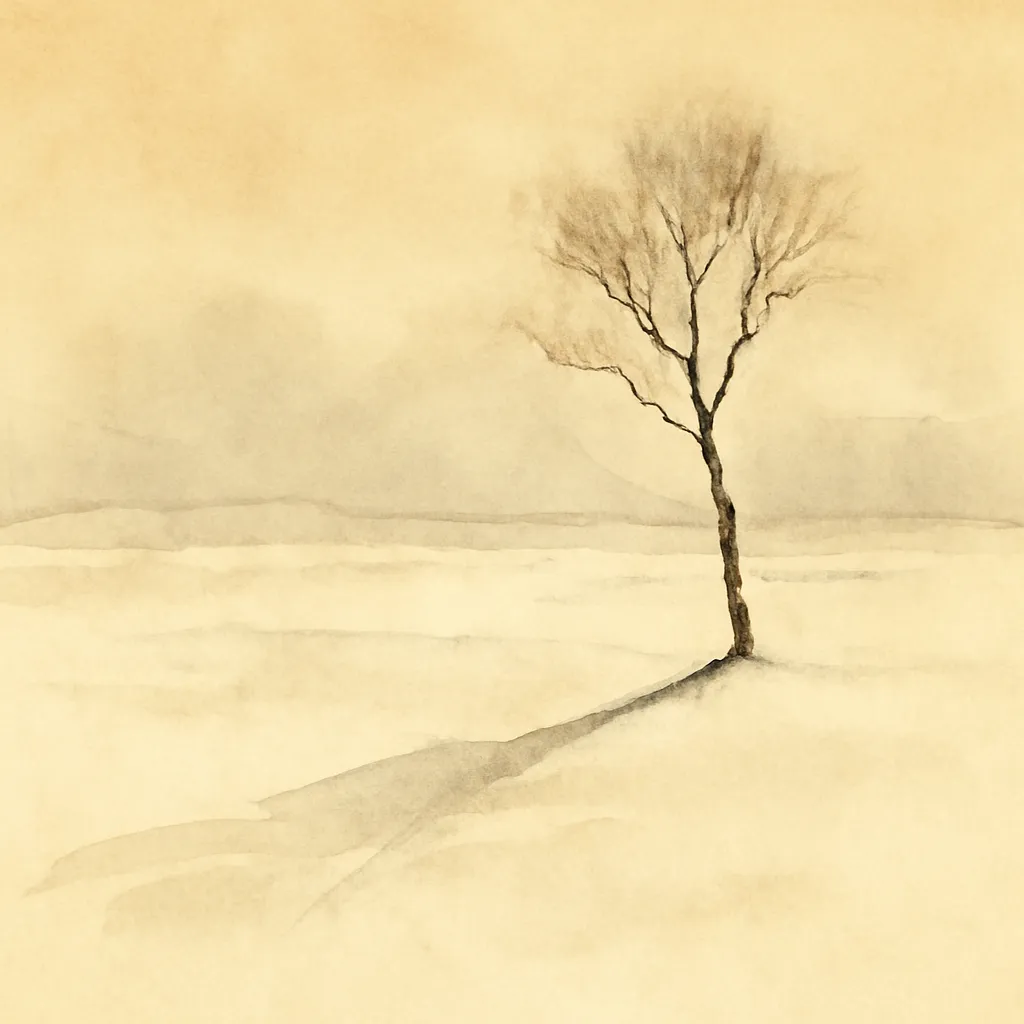
The theme of isolation looms large in 'Northern Lights', as characters often find themselves cut off from the outside world, facing psychological challenges that accompany such solitude. The long winters in Athabasca serve as a metaphor for the emotional isolation experienced by many, leading to introspection and, at times, despair. Characters like Jim Templeton must confront their inner demons as they navigate the loneliness of the North, forcing them to rely on their inner strength and the support of loved ones. For instance, Jim’s yearning for connection and community often leads him to seek out interactions with both settlers and Indigenous peoples. This portrayal of isolation highlights the importance of community and connection, suggesting that even in the most desolate circumstances, human relationships can provide solace and purpose. The characters' struggles against isolation reveal their resilience and underscore the necessity of human connection in overcoming adversity.
8.The Journey as a Metaphor for Personal Growth
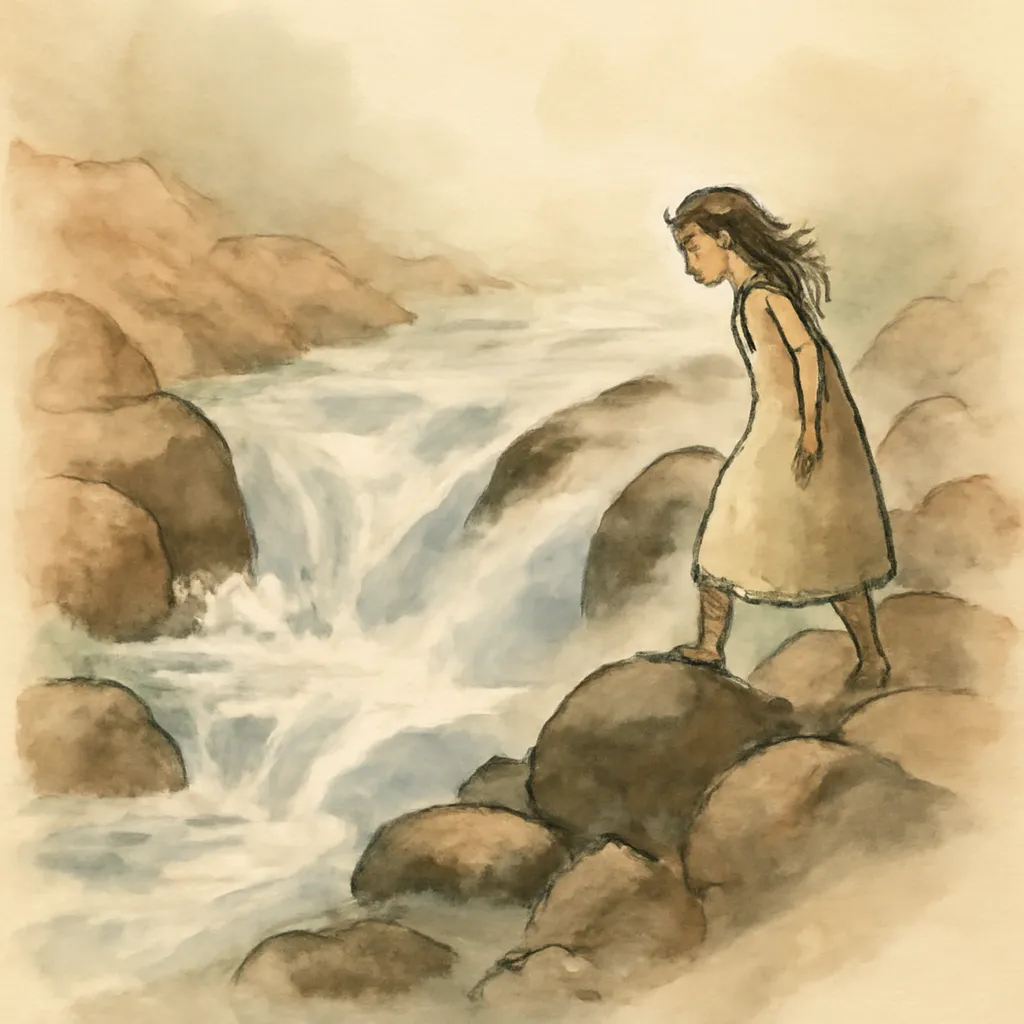
Throughout 'Northern Lights', the physical journeys undertaken by characters serve as powerful metaphors for their internal struggles and personal growth. For instance, Jenny Long's daring descent into the treacherous Dog Nose Rapids symbolizes her courage and determination to reclaim her agency in a male-dominated society. This journey is not merely a physical challenge but also an emotional one, as it forces her to confront her fears and assert her identity. Similarly, Jim Templeton's journey to establish a life in the North represents his quest for self-discovery and fulfillment. Parker masterfully intertwines these physical and emotional journeys, illustrating how the act of moving through the landscape mirrors the characters' growth and transformation. As they navigate the literal and metaphorical obstacles in their paths, they emerge changed and more resilient, highlighting the idea that journeys shape not only the destination but also the traveler.
9.The Power of Community and Solidarity
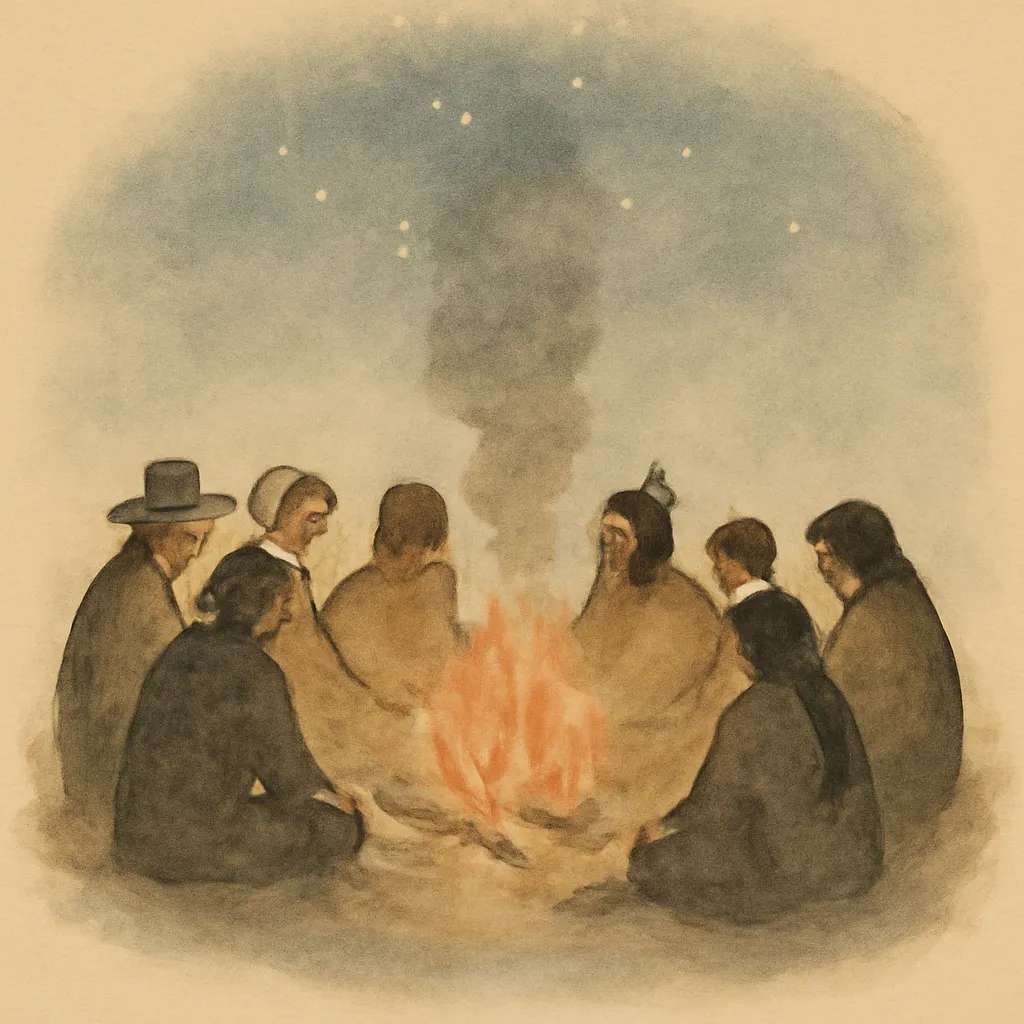
Community plays a vital role in the lives of the characters in 'Northern Lights', providing support and solidarity in times of crisis. The interdependence among settlers and Indigenous peoples highlights the importance of cooperation and understanding in overcoming challenges. For instance, Jim’s interactions with the Cree reveal the necessity of building bridges between cultures to foster mutual respect and collaboration. Parker illustrates how characters come together in moments of need, reinforcing the idea that survival often hinges on collective efforts. The relationships forged within these communities serve as a source of strength, allowing individuals to draw on the shared experiences and resources of those around them. This theme underscores the significance of human connection and the belief that together, people can weather even the harshest storms. By portraying community as a lifeline, Parker emphasizes that no one should face the trials of life alone.