1.The Enigmatic Nature of Fate
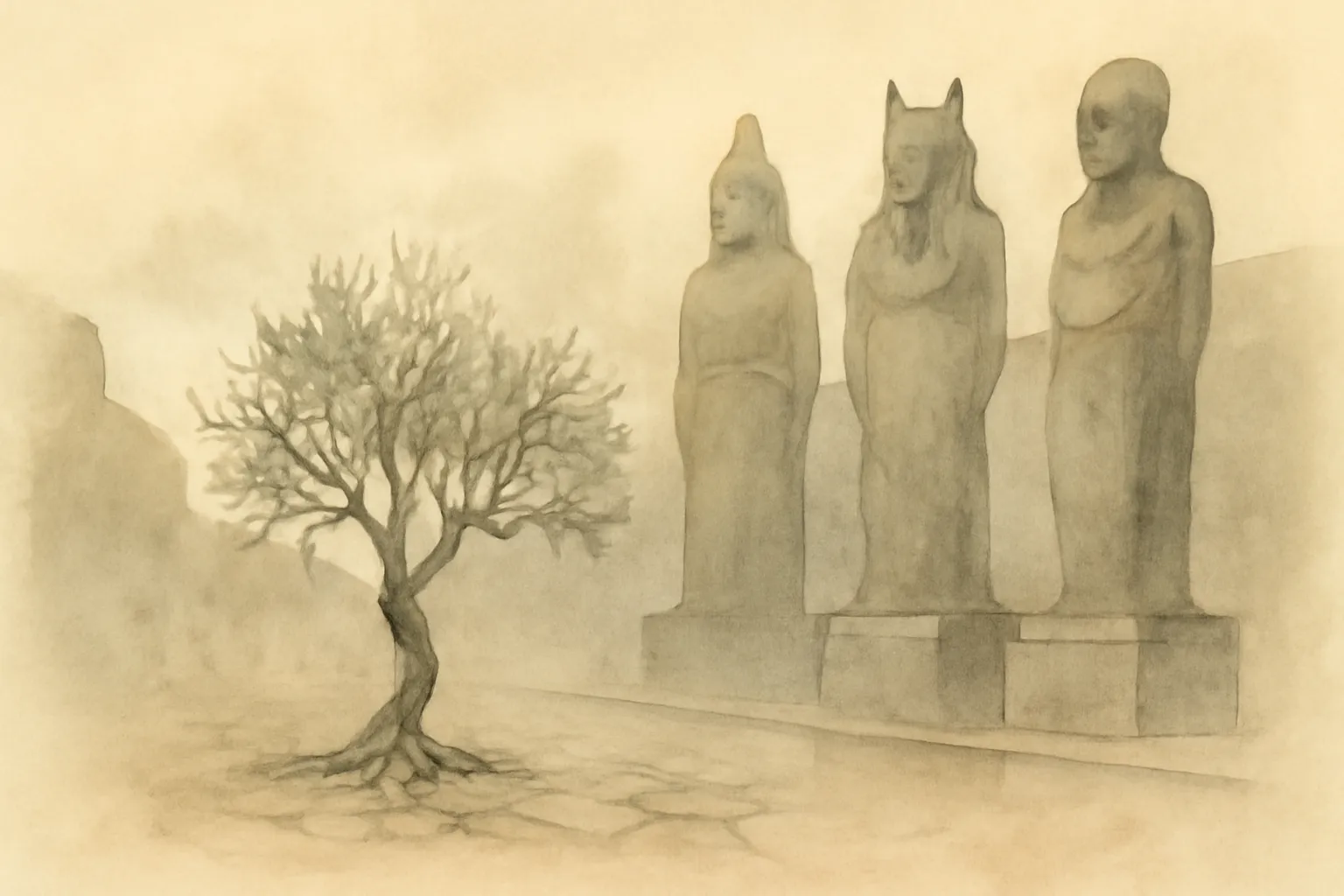
At the heart of 'Oedipus King of Thebes' lies the theme of fate, a powerful force that shapes the destinies of the characters. Oedipus is a tragic hero who strives to defy the prophecy that foretells he will kill his father and marry his mother. This struggle against his fate illustrates the tension between free will and predestination. Despite his best efforts to escape his destiny, Oedipus's actions ultimately lead him to fulfill the very prophecy he sought to avoid. This raises profound questions about the nature of fate: Is it predetermined, or can individuals change their course? The intricate interplay between fate and human agency is a central concern, prompting the audience to ponder the extent of their control over their lives. This exploration adds depth to the narrative, as Oedipus’s tragic fate is not merely a result of his character flaws but also a consequence of divine orchestration, pushing the boundaries of human understanding.
2.The Quest for Truth
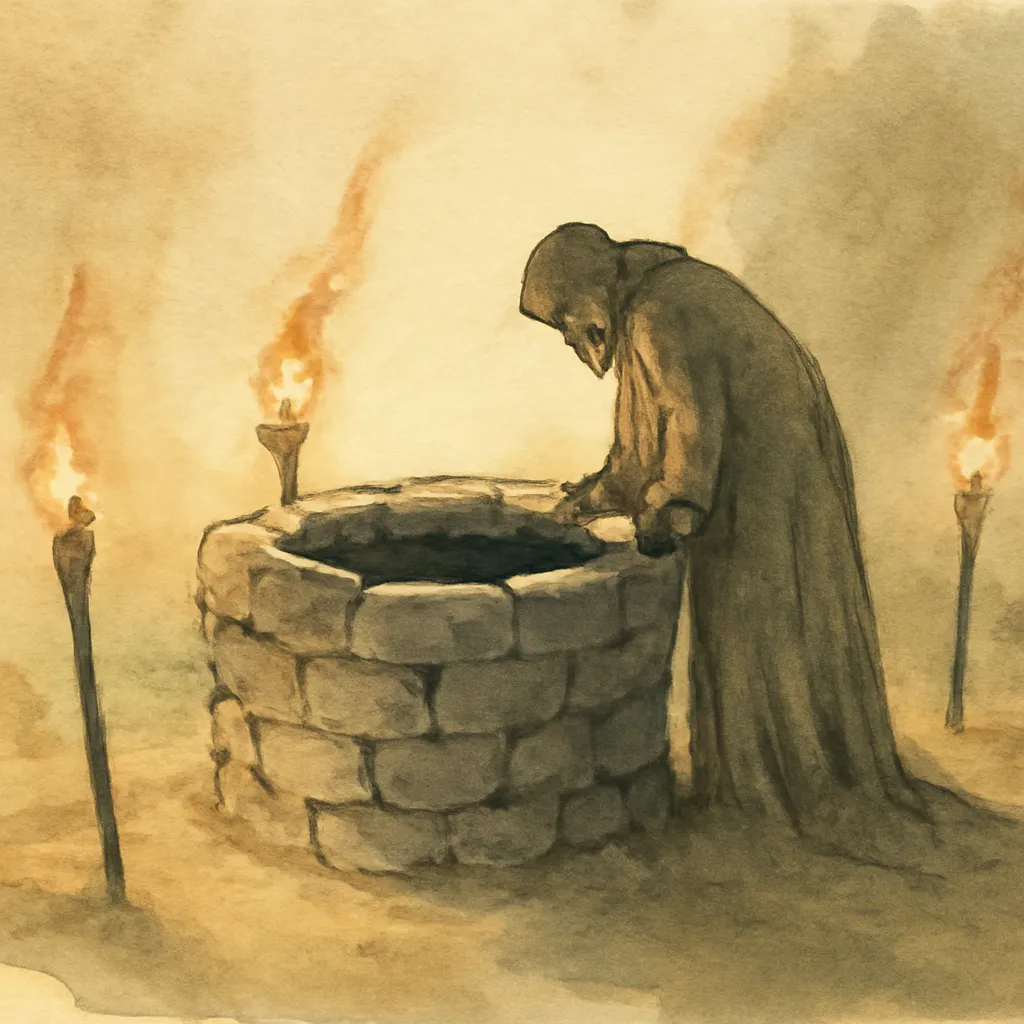
Oedipus's relentless pursuit of truth is a defining aspect of his character and serves as a catalyst for the unfolding tragedy. He is determined to uncover the identity of Laius's murderer to save Thebes from the plague. This quest leads him to consult the oracle and question the blind prophet Tiresias, who ultimately reveals the painful truth about Oedipus's origins. Initially, Oedipus is portrayed as a confident and capable leader, embracing the challenge of finding the killer. The irony is palpable: in seeking to uncover the truth, Oedipus unwittingly brings about his own downfall. His journey highlights the dual nature of truth—while it can be liberating, it can also be devastating. The dramatic tension builds as Oedipus gradually realizes that the answers he seeks are intertwined with his own identity, leading to a profound existential crisis. This theme resonates with audiences, as it reflects the human inclination to seek answers, even when those answers might lead to suffering.
3.The Role of the Chorus
The Chorus in 'Oedipus King of Thebes' serves multiple functions, acting as a voice of the Theban citizens, a moral compass, and a commentator on the events unfolding. Their reflections provide insight into the collective psyche of the city, expressing fear, hope, and despair as the play progresses. The Chorus often invokes the gods, emphasizing the religious and moral underpinnings of the narrative. They articulate the tension between human action and divine will, reminding the audience of the omnipresence of fate. Through their lyrical interludes, the Chorus elevates the emotional weight of the drama, inviting the audience to engage with the ethical dilemmas faced by the characters and the broader societal implications of their actions. As they react to Oedipus’s decisions, the Chorus embodies the voice of reason, reflecting the thoughts and feelings of ordinary citizens grappling with the calamities that befall them. Their presence serves to ground the narrative in the social and cultural context of ancient Greece, reminding the audience of the communal dimensions of suffering and the impact of individual actions on the larger society.
4.Pride and Its Consequences
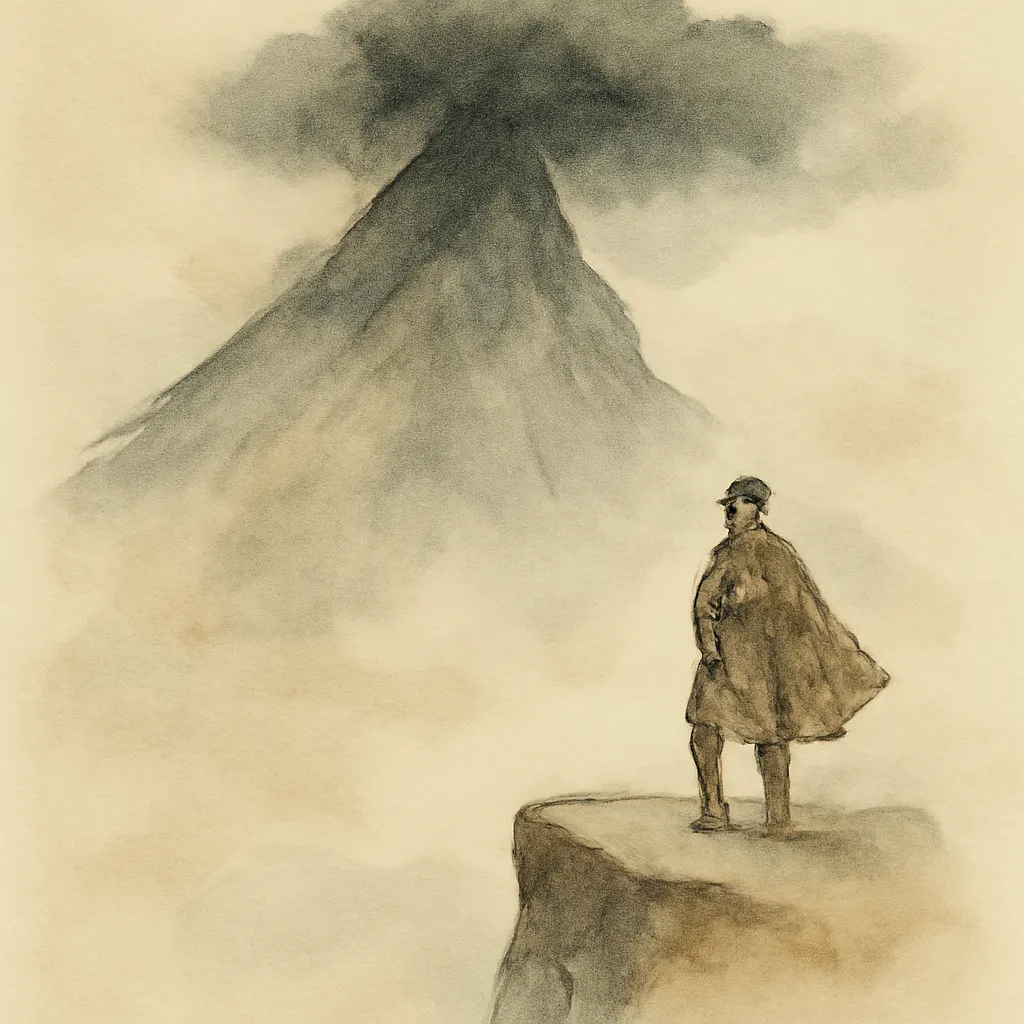
Pride, or hubris, is a central theme in the tragedy of Oedipus. His confidence and self-assuredness lead him to believe that he can outsmart the prophecy and control his fate. This overreaching pride blinds him to warnings and truths that could save him. Oedipus's confrontations with Creon and Tiresias reveal his arrogance, as he dismisses their insights and becomes increasingly defensive. For instance, his accusations against Creon illustrate his inability to see beyond his own interpretation of events. His pride ultimately contributes to his tragic downfall, illustrating the Greek notion that excessive pride invites the wrath of the gods. This theme serves as a cautionary tale about the dangers of arrogance and the importance of humility. It challenges audiences to reflect on their own lives by considering how pride can distort judgment and lead to devastating consequences, creating a poignant link between the play's events and the moral teachings of ancient Greece.
5.The Complexity of Identity
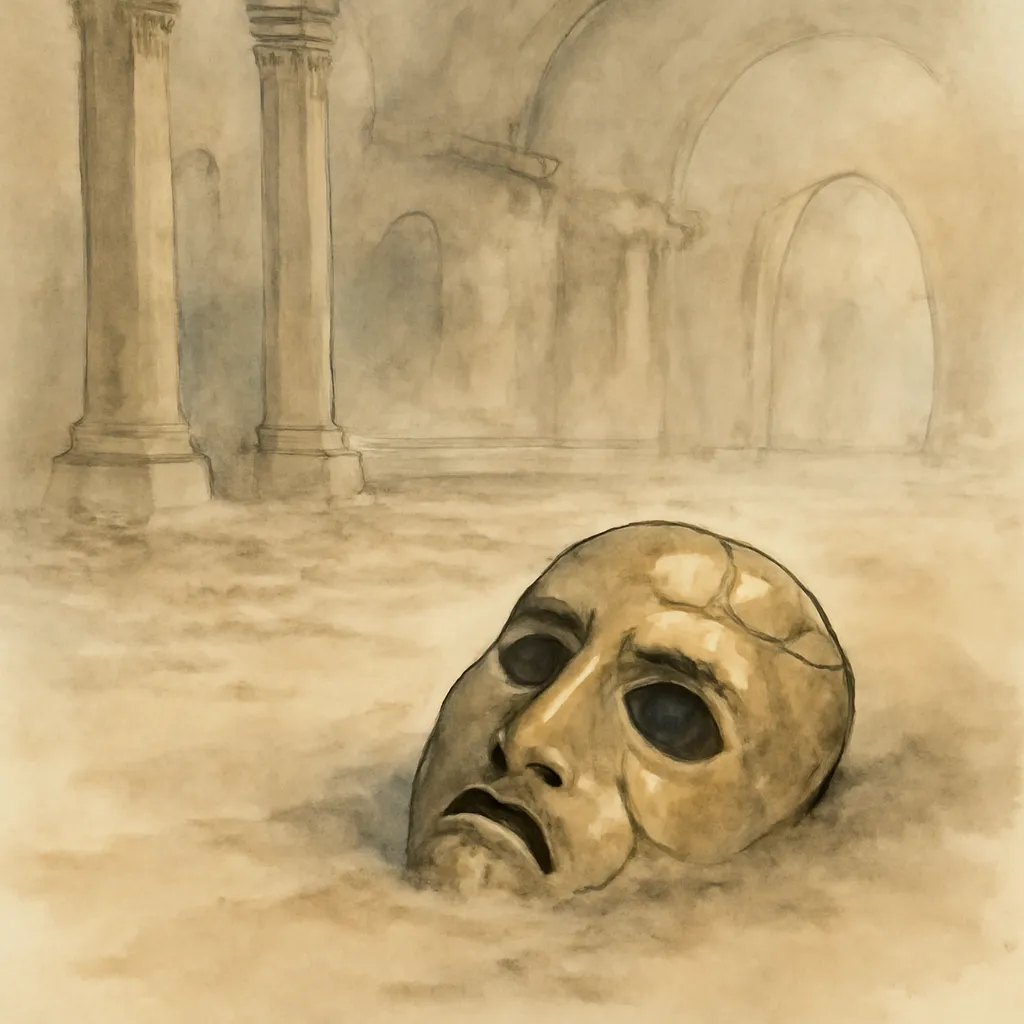
Oedipus's journey is also a profound exploration of identity. Initially, he is celebrated as a hero who saved Thebes from the Sphinx, earning him the throne and the love of Jocasta. However, as the truth of his origins is revealed, Oedipus's identity shifts dramatically. The transition from a revered king to a figure of tragedy illustrates the complexities of identity shaped by circumstances beyond one’s control. His struggle to reconcile his public persona with the horrific truths he uncovers creates a deep internal conflict. This transformation highlights the fragility of identity and how it can be dismantled by revelations of past actions. The play prompts audiences to reflect on the impact of knowledge and self-awareness on personal identity, as Oedipus's tragic realization forces him to confront the darker aspects of who he is, ultimately leading to a profound sense of alienation. This exploration of identity resonates with contemporary discussions about self-perception and the influences of hidden truths on one's sense of self.
6.The Duality of Human Experience

Sophocles masterfully captures the duality of human experience in 'Oedipus King of Thebes.' The play oscillates between moments of hope and despair, joy and sorrow, reflecting the complexities of life. Oedipus's initial confidence and determination to save Thebes give way to horror and grief as the truth unfolds. This juxtaposition serves to heighten the emotional impact of the narrative, allowing audiences to experience the full spectrum of human emotion. The duality of existence is further emphasized through the interactions between characters, as they navigate betrayal, love, and the search for redemption. Oedipus's tragic journey encapsulates the idea that life is fraught with contradictions, and it is often in moments of suffering that individuals discover their true selves. This theme resonates deeply, inviting reflection on the shared human experience of suffering and resilience and prompting audiences to confront their own complexities and contradictions.
7.The Significance of the Gods
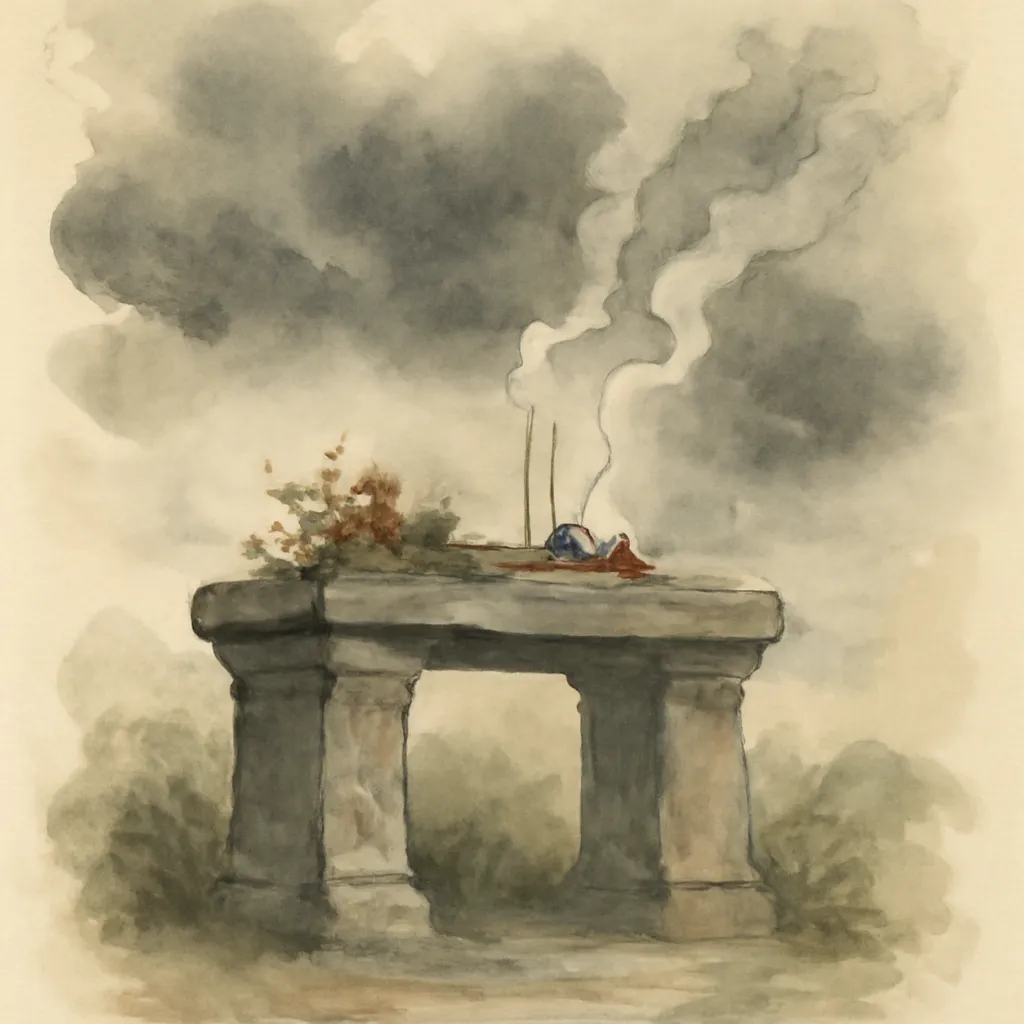
Divine influence is a recurring motif in 'Oedipus King of Thebes,' underscoring the belief in the gods' power over human lives. The characters frequently invoke the gods, seeking guidance and intervention. Apollo, in particular, plays a pivotal role as the source of prophecy and truth. Oedipus's downfall is often interpreted as a consequence of his defiance against divine will, raising questions about the nature of justice and morality. The play reflects the ancient Greek understanding of the gods as active participants in human affairs, shaping destinies and enforcing moral order. The Chorus frequently appeals to the gods, highlighting the reliance of the characters on divine intervention in times of crisis. This theme invites audiences to consider the relationship between humanity and the divine, exploring the tension between free will and the influence of higher powers. It raises questions about the extent to which individuals can be held accountable for their actions when they are perceived to be under the influence of fate and divine will.
8.Symbolism of Sight and Blindness

The motif of sight and blindness is central to the play, symbolizing knowledge, ignorance, and self-awareness. Oedipus, who is physically sighted, is blind to the truth of his identity and fate until it is too late. In contrast, Tiresias, the blind prophet, possesses insight into Oedipus's reality, illustrating the paradox that true vision often comes from understanding beyond physical sight. This symbolism deepens the tragedy of Oedipus's journey, as he moves from ignorance to knowledge, only to be met with despair. The irony of Oedipus's situation amplifies the narrative’s emotional depth, emphasizing the limitations of human perception. The interplay between sight and blindness serves as a powerful metaphor for human limitations and the often-painful pursuit of truth, resonating with audiences who grapple with their own struggles for understanding. Furthermore, it encourages viewers to reflect on their own blind spots and the moments in life when clarity comes at the cost of suffering.
9.The Impact of Suffering

Suffering is a pervasive theme in 'Oedipus King of Thebes,' shaping the characters' experiences and driving the narrative. Oedipus's journey is marked by profound personal and communal suffering, as the plague ravages Thebes and his own familial ties unravel. The play explores the nature of suffering, questioning its purpose and meaning. Oedipus embodies the struggle against despair, seeking to alleviate the suffering of his people while grappling with his own tragic fate. This exploration of suffering is not limited to Oedipus alone; it extends to Jocasta, Creon, and the Chorus, each experiencing their own forms of pain and loss. The stark realities of suffering challenge the characters' beliefs and their understanding of justice, morality, and human existence. This theme resonates with audiences, as it reflects the universal human experience of pain and loss, prompting contemplation on the role of suffering in personal growth and the complexities of human resilience in the face of adversity.
10.The Tragic Hero's Journey
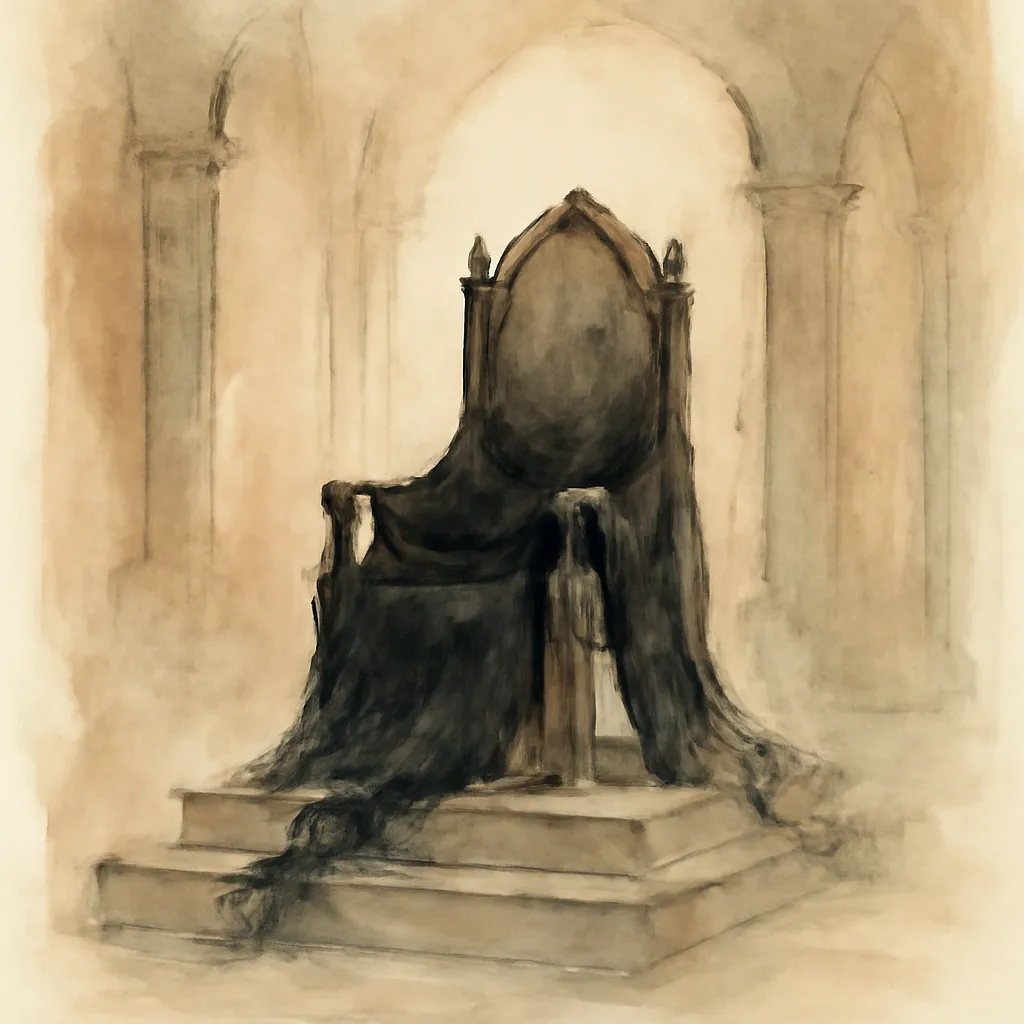
Oedipus is the quintessential tragic hero, embodying the characteristics that define the genre. His noble stature, tragic flaw, and ultimate downfall create a compelling narrative arc that captivates audiences. The unfolding drama follows Oedipus's journey from a celebrated king to a figure of tragedy, illustrating the concept of hamartia, or tragic flaw. His relentless pursuit of truth and desire to protect his city become the very forces that lead to his demise. This archetypal journey highlights the fragility of human existence and the inevitability of fate, inviting audiences to empathize with Oedipus's plight. The play serves as a poignant reminder of the complexities of heroism and the thin line between greatness and tragedy. By embodying both admirable qualities and profound flaws, Oedipus encapsulates the essence of the tragic hero, leaving a lasting impact on the audience and providing a framework for understanding the nature of heroism in literature.