1.A Collision of Worlds
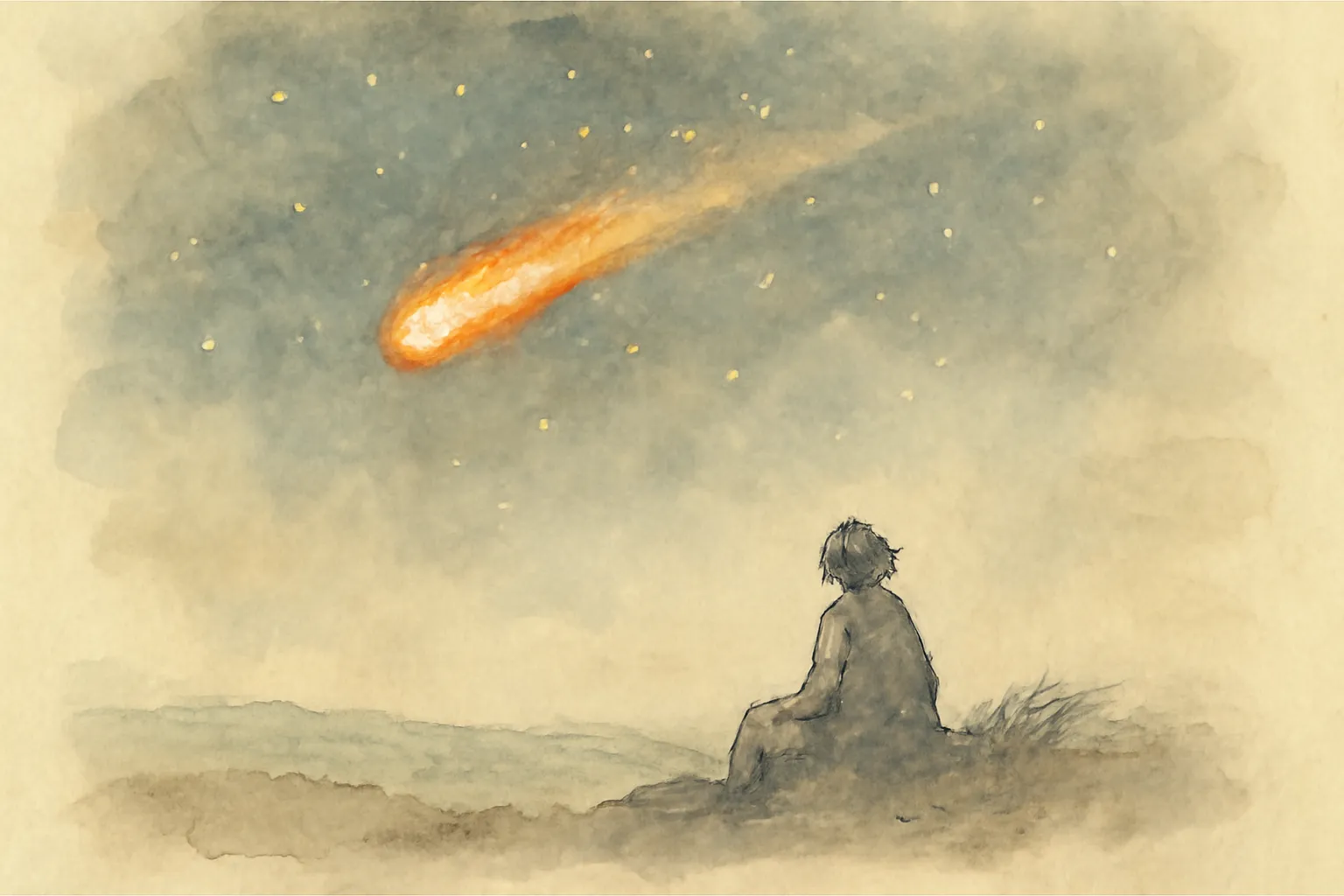
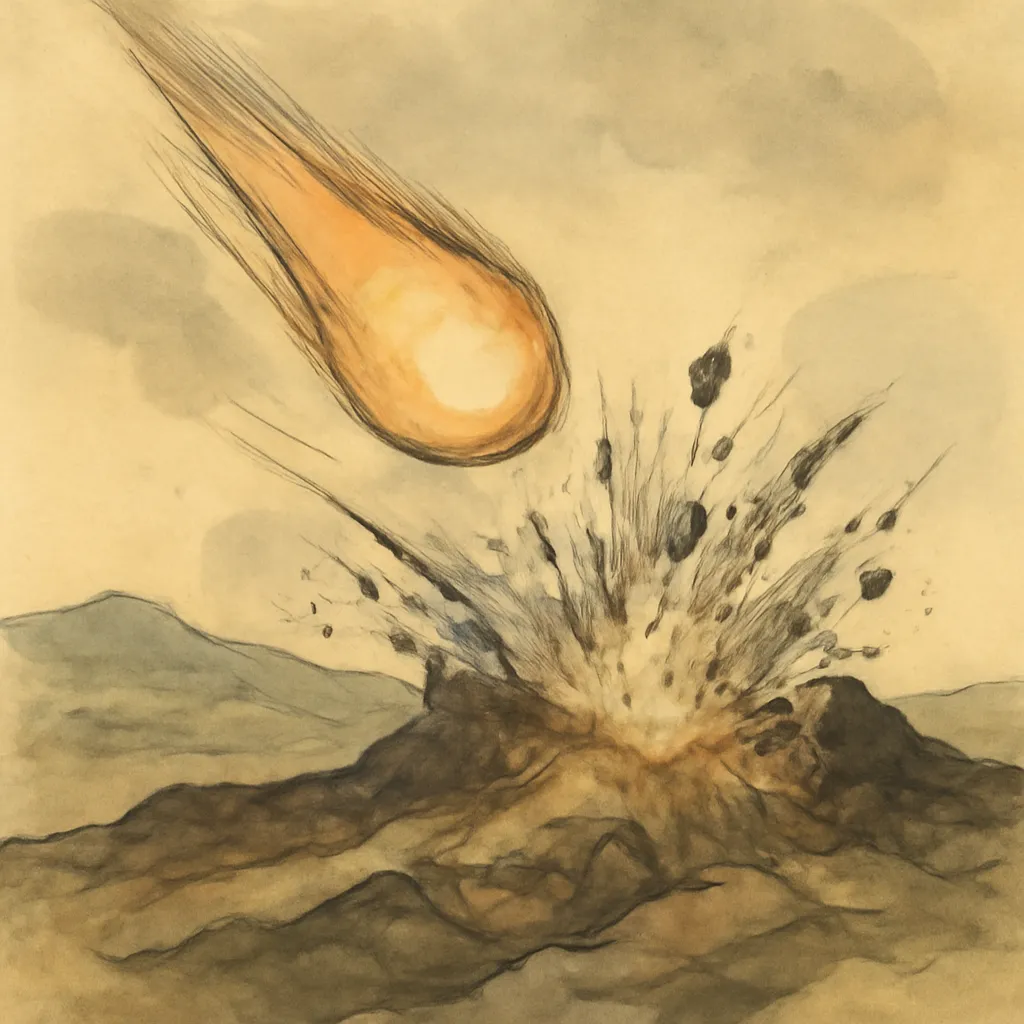
The story begins with a dramatic and impossible premise: a comet collides with Earth, bringing Captain Hector Servadac and others along for the ride. This collision is not just a physical event but a catalyst for the entire narrative, setting off a series of extraordinary adventures. Verne's imaginative scenario invites readers to suspend disbelief and engage with the fantastical elements of the story. The comet does not merely cause destruction; it transforms the environment, creating a new world where the laws of nature are altered. The comet's passage brings with it bizarre phenomena such as altered gravity and day lengths, illustrating Verne's creative license in exploring the unknown. This collision serves as a metaphor for the unpredictability of life, illustrating how sudden changes can lead to unforeseen adventures and challenges.
2.Characters in Crisis
Captain Hector Servadac is a richly drawn character whose journey becomes emblematic of human resilience. As an orphan with a thirst for glory, he embodies the spirit of adventure and determination. His interactions with Count Wassili Timascheff, a rival turned ally, showcase the complexities of human relationships under duress. Their rivalry, which begins with a duel over honor, evolves into a partnership necessary for survival. This transformation highlights how crises can forge unexpected alliances, emphasizing the importance of collaboration in overcoming adversity. The diverse cast of characters, including the loyal orderly Ben Zoof and other passengers, enriches the narrative and provides multiple perspectives on the unfolding events. Each character confronts their fears and insecurities, revealing the multifaceted nature of human psychology when faced with existential threats.
3.The Nature of Exploration
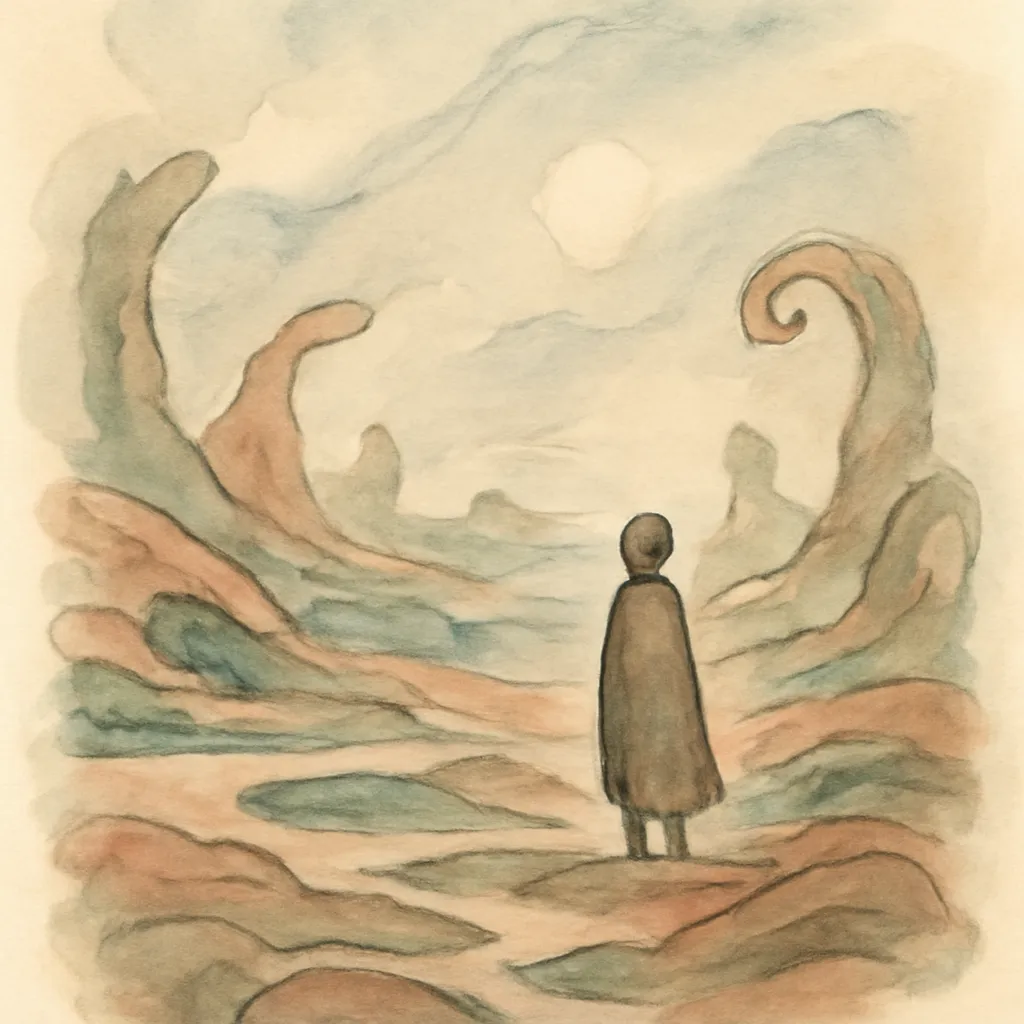
Verne’s narrative is steeped in themes of exploration and discovery, both of the cosmos and of the self. As the characters traverse the comet, they encounter bizarre phenomena that challenge their understanding of reality. This exploration is not merely physical; it is also philosophical, as they grapple with questions about existence, purpose, and the unknown. The comet serves as a blank canvas for their adventures, allowing them to discover not only new landscapes but also new facets of their own identities. Verne's portrayal of exploration as a means of self-discovery resonates deeply, suggesting that the journey into the unknown is as much about understanding oneself as it is about uncovering new worlds. The different climates and environments they encounter force the characters to adapt and reconsider their values, ultimately leading to personal growth.
4.Survival Against the Odds
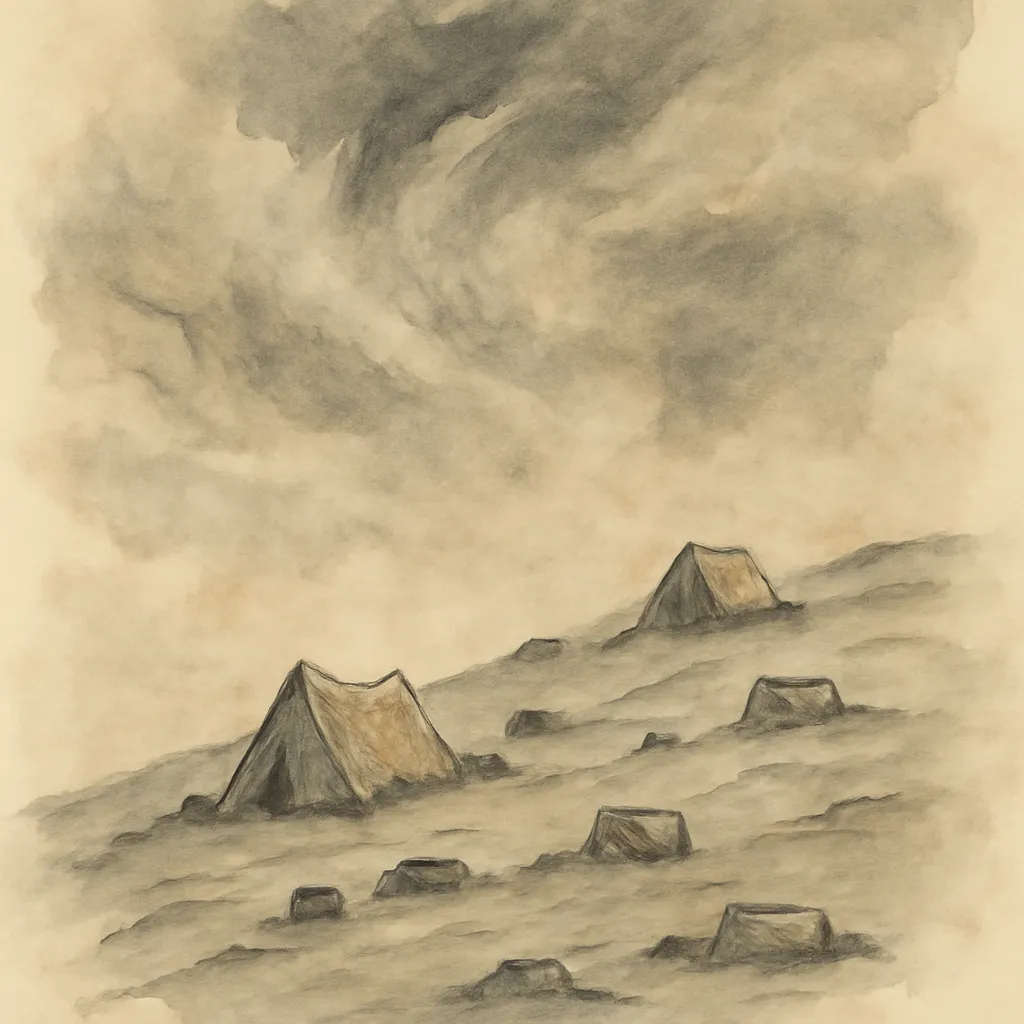
The struggle for survival becomes a central theme as the characters face the harsh realities of their new environment. On the comet, they must confront a lack of resources, unpredictable weather, and the constant threat of danger. Verne vividly describes their efforts to secure food, water, and shelter, showcasing their ingenuity and adaptability. For instance, the characters must learn to create their own ecosystem on the comet, utilizing the limited resources available to them. They attempt to cultivate crops and find fresh water, highlighting human ingenuity in the face of existential threats. This struggle emphasizes the resilience of the human spirit and the lengths to which individuals will go to protect and sustain themselves. Verne’s depiction of survival is both thrilling and thought-provoking, reflecting on humanity's innate drive to persevere in the face of adversity, and how community and collaboration enhance these efforts.
5.The Role of Science and Imagination

While 'Off on a Comet' departs from Verne's traditionally scientific approach, it still engages with scientific ideas in imaginative ways. Verne invites readers to contemplate the mysteries of space and the possibilities of life beyond Earth. The comet itself becomes a character, with its own peculiarities and challenges that the travelers must navigate. Verne’s blend of science fiction and fantasy encourages readers to ponder the boundaries of human knowledge and the potential for discovery in the cosmos. This interplay between science and imagination serves as a reminder that exploration often begins with a spark of creativity, pushing the limits of what is known and understood. The characters’ discussions about astronomy and the nature of the comet reflect Verne's fascination with science, even as he takes creative liberties in the narrative. The scientific principles may be stretched, but they serve as a foundation for the imaginative exploration that unfolds.
6.The Convergence of Cultures
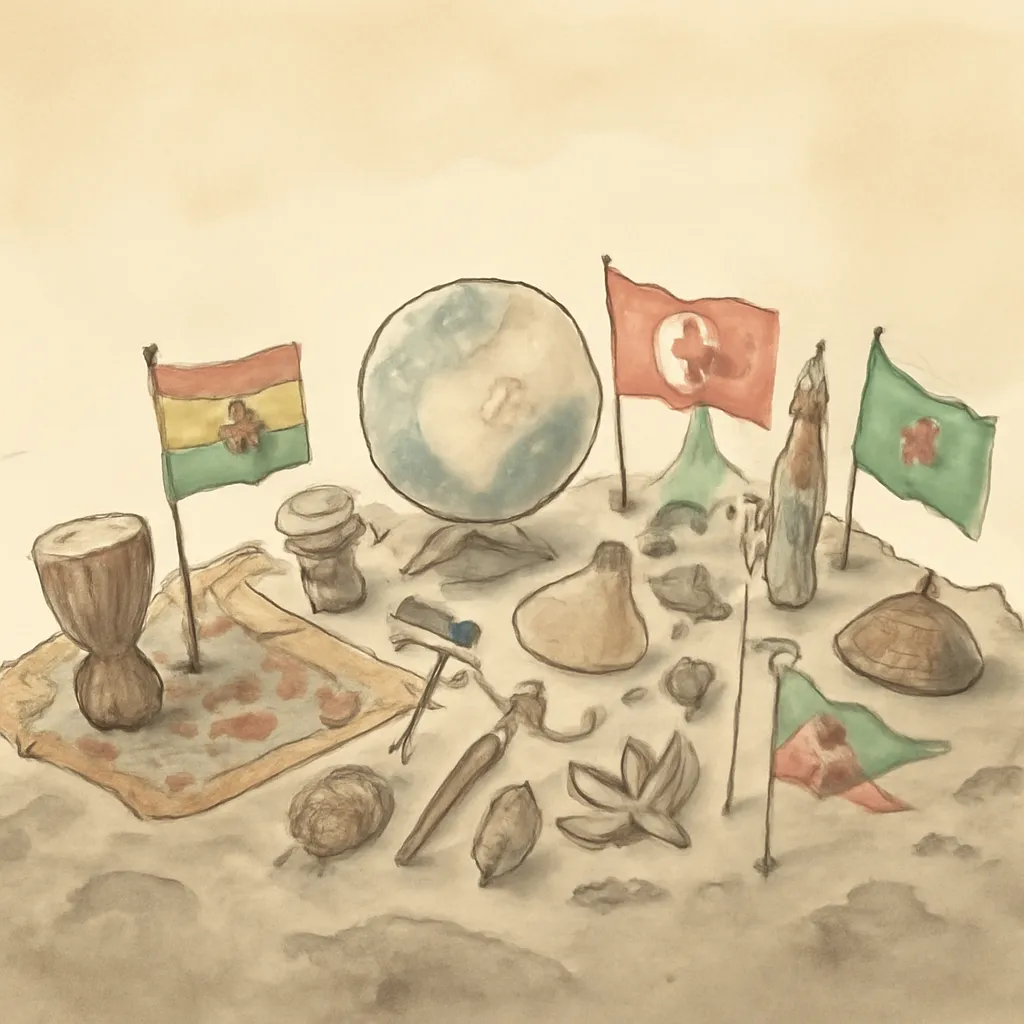
As a diverse group of characters from different backgrounds come together on the comet, Verne explores themes of cultural convergence and cooperation. The interactions between the French captain, the Russian count, and other characters illustrate how shared experiences can bridge cultural divides. Through collaboration, they learn to appreciate each other's strengths and perspectives, ultimately enhancing their chances of survival. Verne skillfully portrays the initial mistrust and rivalry between the characters, which gradually evolves into mutual respect and camaraderie. This theme resonates in a world increasingly characterized by globalization, where individuals from various cultures must work together to address common challenges. Verne’s portrayal of this convergence highlights the potential for unity in diversity, underscoring the importance of mutual respect and understanding. The characters’ ability to overcome their initial differences serves as a powerful narrative device, emphasizing that cooperation is essential for survival.
7.The Cosmic Perspective
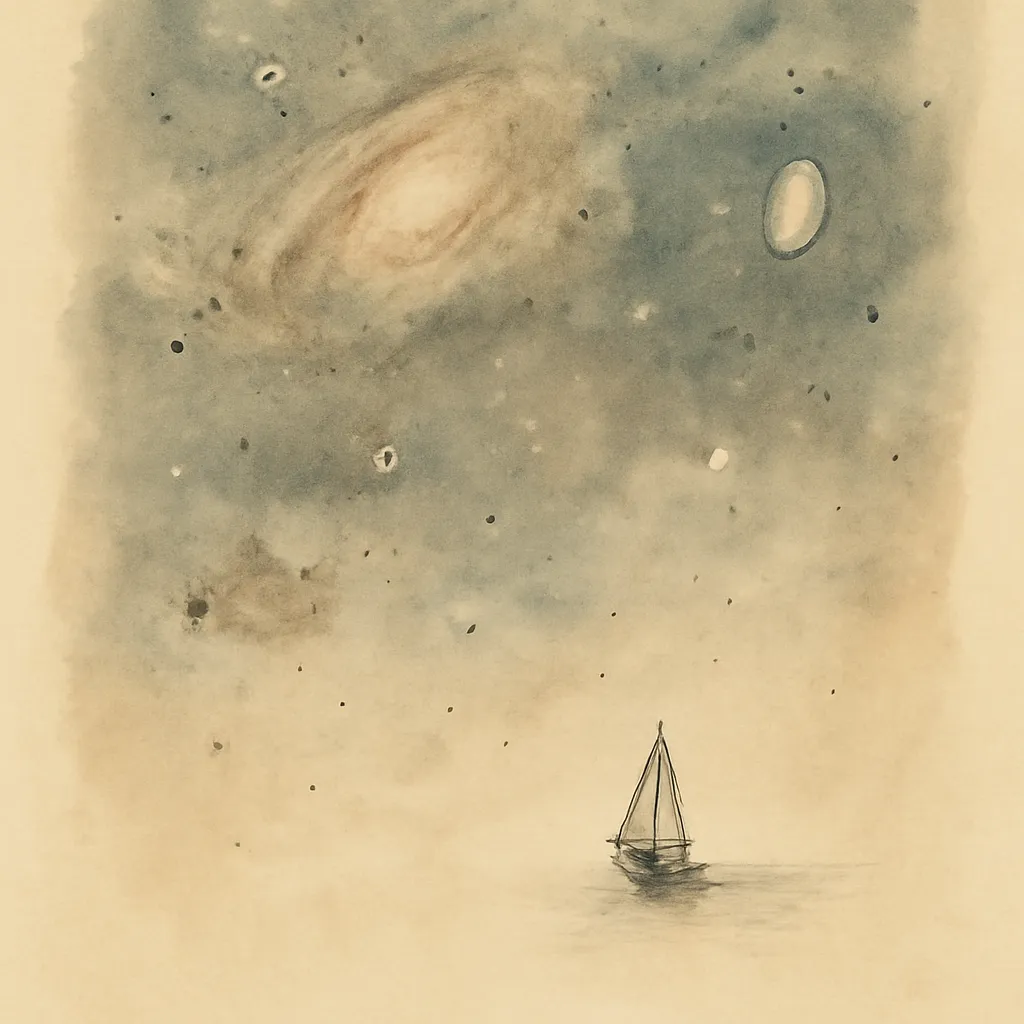
Verne’s narrative encourages readers to adopt a cosmic perspective, contemplating humanity’s place in the universe. As the characters journey through space, they are confronted with the vastness and mystery of the cosmos, prompting reflections on existence and the nature of reality. This perspective challenges the characters—and readers—to consider their significance in the grand scheme of things. Verne’s vivid descriptions of celestial phenomena evoke a sense of wonder and humility, inviting contemplation of the interconnectedness of all life. The characters’ experience of being flung into a new celestial body forces them to reevaluate their understanding of the Earth and their previous lives. This cosmic perspective serves as a reminder that while individual struggles are important, they exist within a larger context that transcends earthly concerns. Verne masterfully illustrates that the universe, with its infinite expanses and possibilities, often dwarfs human concerns, and yet provides the backdrop for human endeavors.
8.The Ethics of Survival

The ethical dilemmas faced by the characters raise important questions about morality in extreme situations. As resources become scarce, the struggle for survival tests the characters' values and principles. Verne explores the tension between self-preservation and altruism, illustrating how dire circumstances can challenge one’s moral compass. For instance, characters must decide whether to prioritize their own needs or to assist others, leading to complex moral choices. These dilemmas often manifest in discussions about rationing supplies and sharing resources, revealing the deeper questions of responsibility towards fellow travelers. This exploration of ethics in the context of survival resonates with readers, prompting reflection on how individuals navigate moral challenges in their own lives. Verne’s treatment of this theme adds depth to the narrative, making it not only an adventure story but also a philosophical exploration of human nature. The moral choices made by the characters often reflect larger societal issues, inviting readers to consider how they might act under similar circumstances.
9.The Unpredictability of Fate
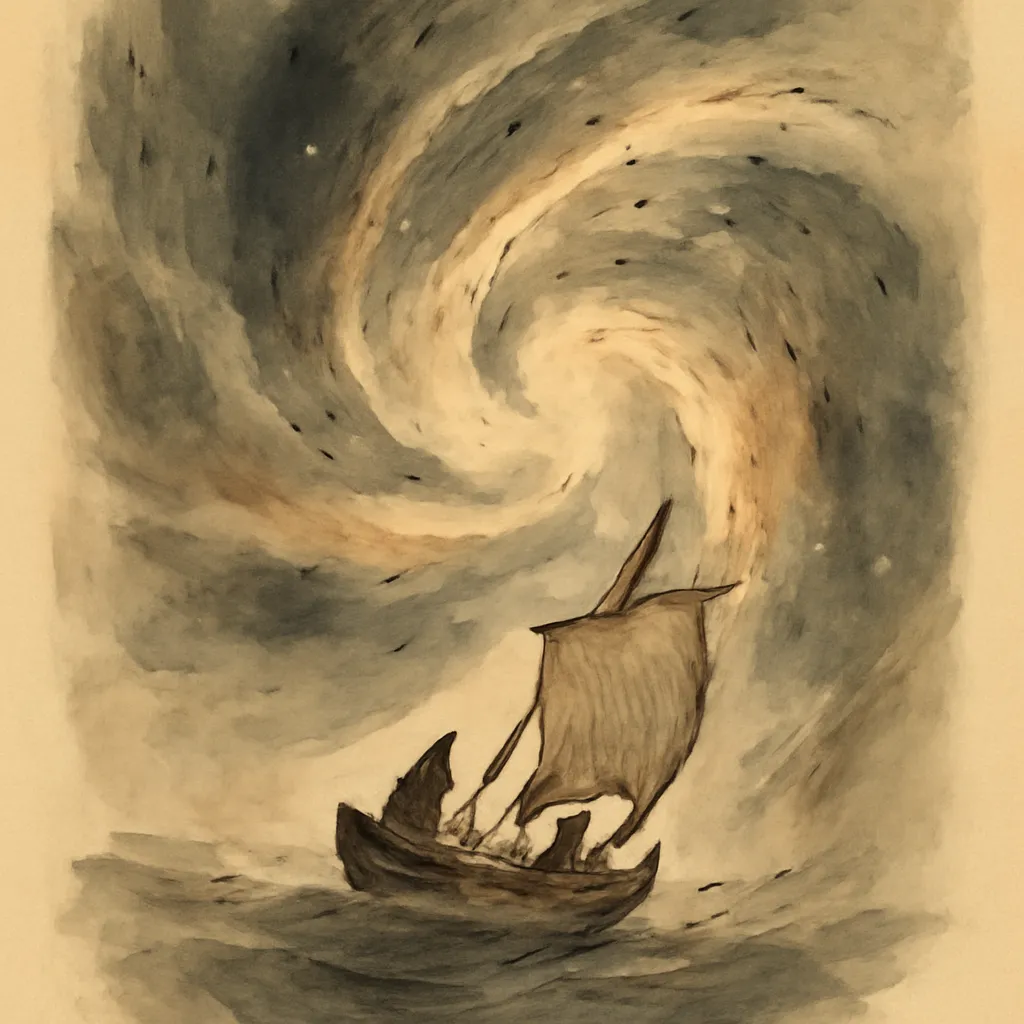
The characters' journey is marked by unforeseen events and twists of fate, emphasizing the unpredictability of life. Verne masterfully weaves elements of chance and serendipity into the narrative, illustrating how characters must adapt to circumstances beyond their control. This unpredictability serves as a reminder that despite meticulous planning, life can take unexpected turns. Verne’s portrayal of fate encourages readers to embrace uncertainty and to remain resilient in the face of challenges. The characters’ ability to navigate the unknown reflects a broader truth about human existence: that adaptability and resourcefulness are essential qualities in an ever-changing world. For example, when the comet’s trajectory alters their planned course, they must quickly devise new strategies to cope with their evolving reality. This theme of fate intertwines with the characters’ personal growth, emphasizing that true strength lies in the ability to face the unknown with courage and flexibility.
10.The Power of Friendship
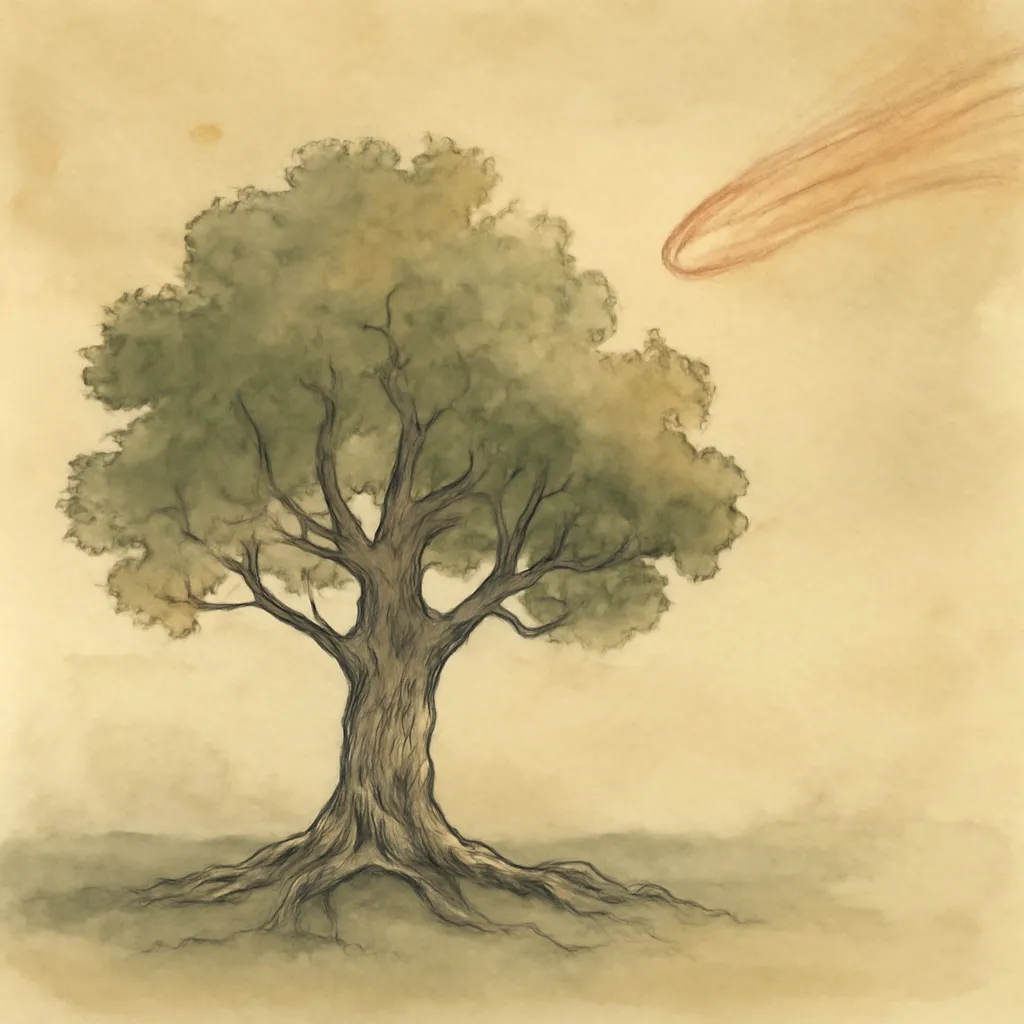
Throughout their perilous journey, the bonds of friendship among the characters become a source of strength and support. Captain Servadac and his companions rely on one another not only for survival but also for emotional resilience. Their camaraderie illustrates the importance of human connection in overcoming adversity. Verne highlights how friendships can provide comfort and encouragement during difficult times, fostering a sense of community even in the most challenging circumstances. The friendships forged in the face of peril add emotional depth to the narrative, showing how shared experiences can strengthen bonds and lead to personal transformation. As the characters face dangers together, their relationships deepen, demonstrating that true companionship can be a lifeline amidst chaos. This theme resonates deeply, reminding readers that relationships can serve as a vital support system during life’s trials, reinforcing the human capacity for empathy and connection.