1.The Power of Social Expectations
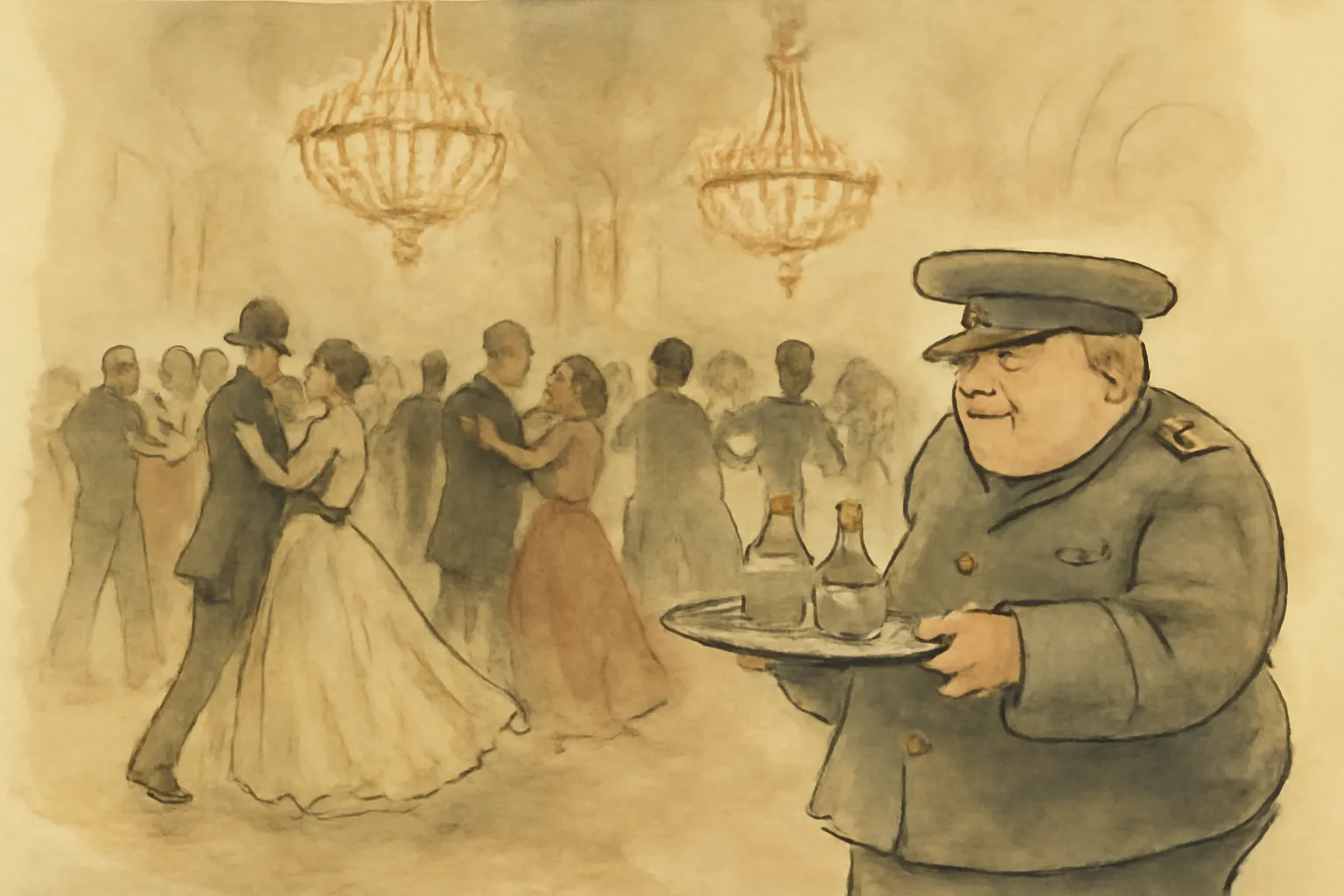
The characters in 'Officer 666' are often driven by societal pressures that dictate their actions and relationships. Helen Burton, for instance, feels trapped by her aunt's insistence that she marry the wealthy but insufferable Mr. Hogg. This dynamic illustrates how social expectations can stifle personal desires and lead to a sense of entrapment. The tension between Helen's yearning for genuine love and her obligation to conform to her aunt's wishes creates a poignant conflict. Currie uses Helen's plight to highlight the theme that, while society often prioritizes wealth and status in relationships, true happiness stems from individual choice and personal connection. The narrative invites readers to reflect on how societal norms can shape, and often distort, one's pursuit of love and fulfillment.
2.Romance and Identity
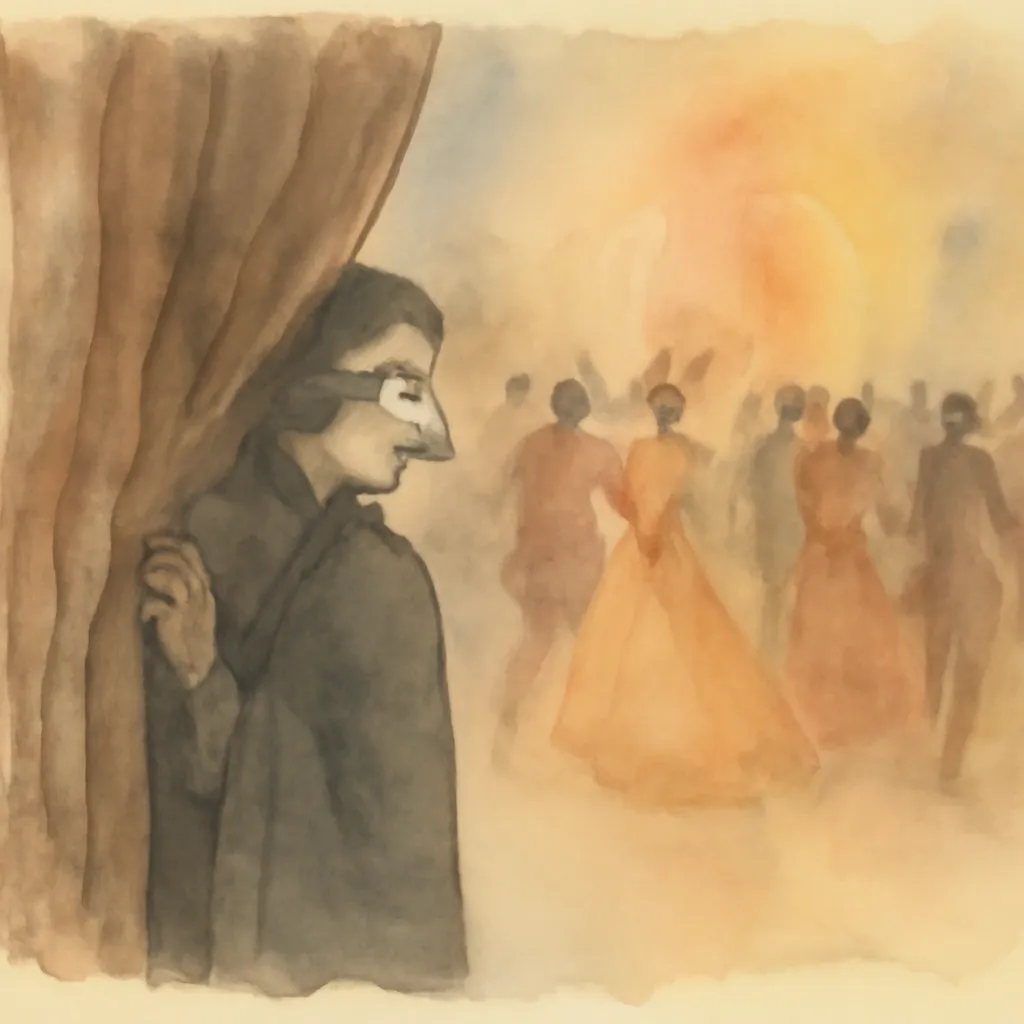
The theme of identity is intricately woven throughout the narrative, particularly in the romantic entanglements that unfold. Travers Gladwin, who becomes enamored with Helen, grapples with his own sense of self amid the chaos of love. His initial anonymity, as he masquerades under the name 'Thomas Smith,' allows him a glimpse into a world where he is not defined by his wealth. This exploration of identity is crucial as it raises questions about authenticity in relationships. When Helen is drawn to him, she is captivated not just by his charm, but by the idea of a genuine connection that transcends social status. Currie effectively illustrates that the true essence of a person often remains obscured behind societal facades, prompting readers to consider how much of their own identities are influenced by external perceptions and expectations.
3.The Comedy of Errors
Much of the humor in 'Officer 666' arises from misunderstandings and mistaken identities, echoing the classic comedic trope of the 'comedy of errors.' The character of Michael Phelan, the titular officer, embodies this comedic spirit as his bumbling attempts to navigate his duties lead to a series of farcical situations. His naivety and earnestness contrast sharply with the cunning of the upper-class characters, creating a rich tapestry of comedy that highlights the absurdities of both the police force and high society. Phelan's misadventures serve as a humorous lens through which readers can explore serious themes of class disparity and societal expectations. Through this comedy, Currie critiques not only the characters involved but also the larger social structures that dictate their lives, making the humor resonate on multiple levels.
4.Love vs. Duty
The struggle between love and duty is a central theme in 'Officer 666,' particularly illustrated through the character of Helen. Torn between her feelings for Travers and her obligation to Mr. Hogg, Helen's journey is emblematic of the conflict many face when societal duties clash with personal desires. This theme resonates deeply in the modern context, where individuals often feel obligated to adhere to familial or societal expectations that may not align with their true feelings. Currie masterfully portrays this tension, allowing readers to empathize with Helen's plight as she navigates her emotions and the expectations placed upon her. The resolution of this conflict ultimately speaks to the importance of prioritizing personal happiness over societal approval, suggesting that true fulfillment comes from following one’s heart rather than conforming to external pressures.
5.The Foolishness of Wealth
Wealth serves as both a blessing and a curse for characters in 'Officer 666.' While it grants them access to a world of luxury and opportunities, it also isolates them from genuine human connections. Mr. Hogg represents the archetype of the wealthy suitor whose fortune does not translate into charm or likability. His attempts to win Helen's affection through material means highlight the superficiality that often accompanies wealth. In contrast, characters like Travers, who possess charm and authenticity but lack riches, remind readers that true worth lies beyond monetary value. Currie critiques the notion that wealth can buy love or happiness, emphasizing the deeper connections that form through genuine interactions. This commentary serves as a reminder that, despite the allure of wealth, it is the richness of human relationships that ultimately brings joy and satisfaction.
6.The Role of Women in Society
Currie’s portrayal of women in 'Officer 666' offers a nuanced perspective on their roles within the social hierarchy of the time. Helen and Sadie, as young women navigating the complexities of love and societal expectation, embody the struggles faced by women in a patriarchal society. Their conversations reflect the limited agency that women often experienced, as their fates were largely dictated by their male counterparts and societal norms. Helen's resistance to Mr. Hogg and her desire for true love can be seen as a rebellion against the constraints placed upon her. Through these characters, Currie sheds light on the broader feminist themes of autonomy and self-determination, making their journeys both relatable and inspiring. The narrative encourages readers to reflect on the progress made and the ongoing struggles for women's rights and self-empowerment in contemporary society.
7.Duty and Honor Among Policemen
The character of Officer 666, Michael Phelan, represents the complexities of duty and honor in the police force. Initially, Phelan is portrayed as somewhat naive and bumbling; however, his earnestness and commitment to his job shine through as the story progresses. He grapples with the challenges of maintaining law and order while navigating the absurdities of the upper class. Phelan’s interactions with characters like Travers and Hogg reveal the disparity between the lives of the wealthy and the working class. His character arc emphasizes the theme of integrity in public service, showing that even those in humble positions can embody values of honor and dedication. Currie effectively uses Phelan's character to explore the moral dilemmas faced by those who serve and protect, highlighting the importance of personal ethics in the pursuit of justice.
8.The Influence of Family
Family dynamics play a crucial role in shaping the characters' decisions and relationships in 'Officer 666.' Helen's aunt, Mrs. Elvira Burton, represents the traditional family structure that imposes expectations and pressures on its members. Her determination to see Helen married to Mr. Hogg exemplifies the lengths to which families will go to secure financial stability and status. This influence can be stifling, as seen in Helen's struggle to assert her desires against her aunt's wishes. Currie adeptly critiques the idea that familial loyalty should supersede personal happiness, raising questions about the sacrifices individuals make for the sake of family and the complexities of love within that context. The interplay between familial obligation and personal choice serves as a poignant reminder of the challenges individuals face when navigating the expectations of those they love.
9.Romantic Idealism vs. Realism
The novel contrasts romantic idealism with the harsh realities of life, particularly through the character of Travers Gladwin. Initially, Travers is portrayed as a romantic figure yearning for love and excitement, but as he navigates the complexities of his feelings for Helen, the reality of his situation becomes apparent. His initial infatuation is complicated by the societal expectations surrounding him and the need for authenticity in relationships. This contrast serves as a commentary on the nature of love itself, suggesting that while idealism is beautiful, the realities of life often require compromise and introspection. Currie encourages readers to reflect on their own romantic ideals and the balance between passion and practicality, ultimately suggesting that true love must withstand the test of reality to flourish.
10.The Search for Authenticity
Ultimately, 'Officer 666' is about the quest for authenticity in a world that often prioritizes appearances over substance. Characters like Travers and Helen seek genuine connections amidst a backdrop of societal expectations and materialism. Their journeys reveal the importance of being true to oneself and the value of relationships built on honesty and mutual respect. Currie emphasizes that authenticity is not merely about rejecting societal norms, but about embracing one's desires and values in a world that often demands conformity. This message resonates with readers, reminding them of the significance of pursuing genuine connections in their own lives, and highlights the struggle many face in staying true to themselves while navigating the complexities of modern society.