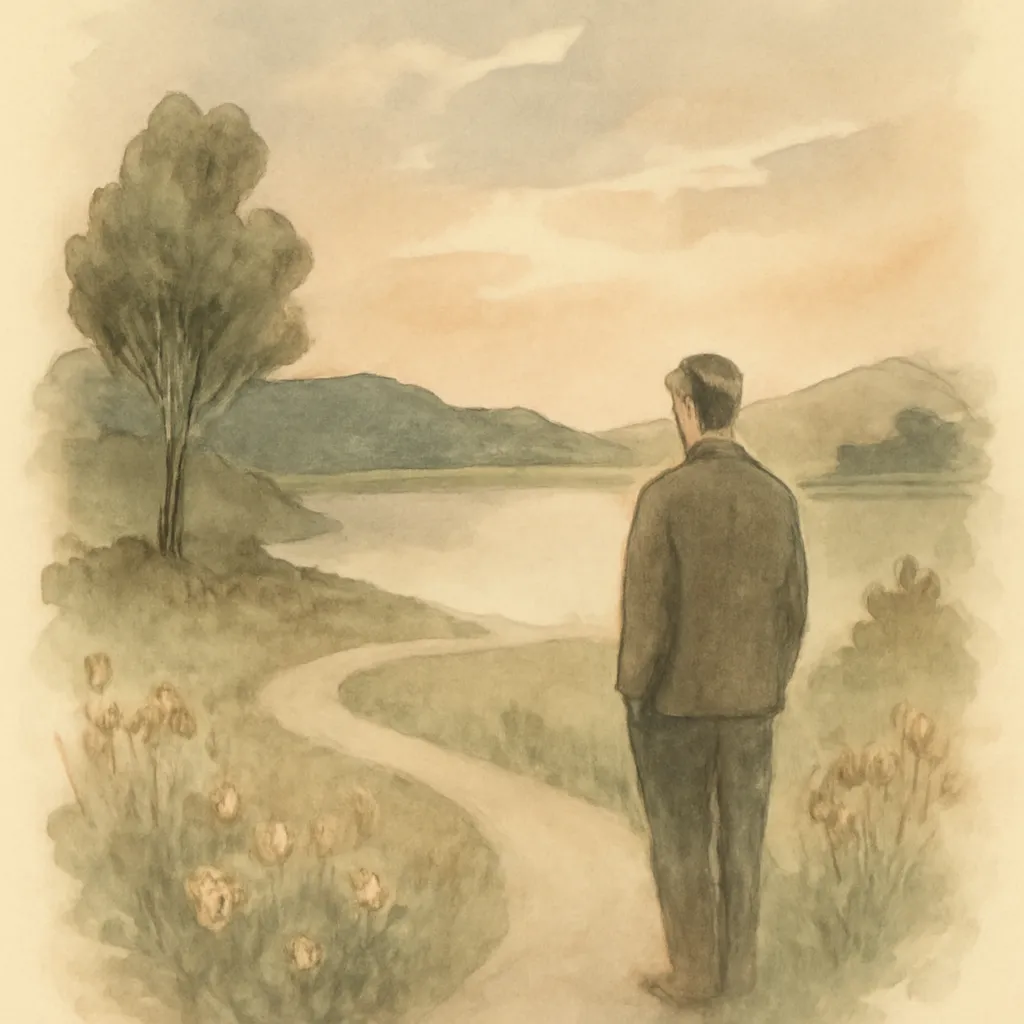
1.The Allure of Ambition
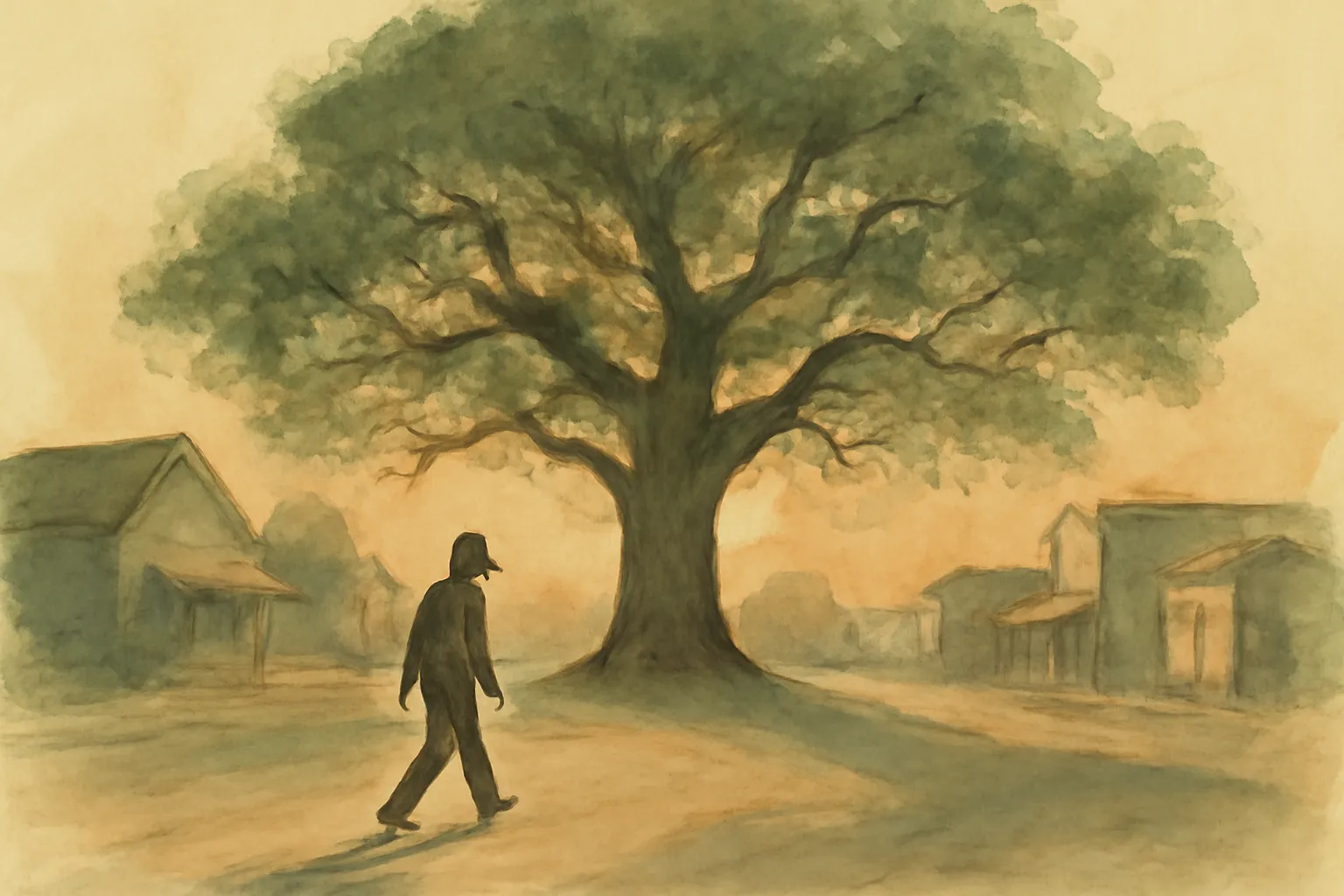
Sam Lyman's journey begins with a deep-seated ambition that drives him away from the 'keen air of Vermont' to the languid environment of Old Ebenezer. Initially, he is perceived as a marvel of energy, but as he settles into the relaxed Southern lifestyle, he begins to question his earlier aspirations. Lyman's ambition is not just for professional success; it encompasses a desire for broader experiences and a deeper understanding of life beyond the classroom. This tension between his ambitions and the community's expectations is a central theme that reflects the struggles many face when pursuing their dreams in environments that favor complacency over ambition. His early experiences working in various jobs, from a cross-tie purchaser for a railway to a school teacher, illustrate the trials he faces as he seeks a place where his ambitions can thrive.
2.The Role of the School Teacher
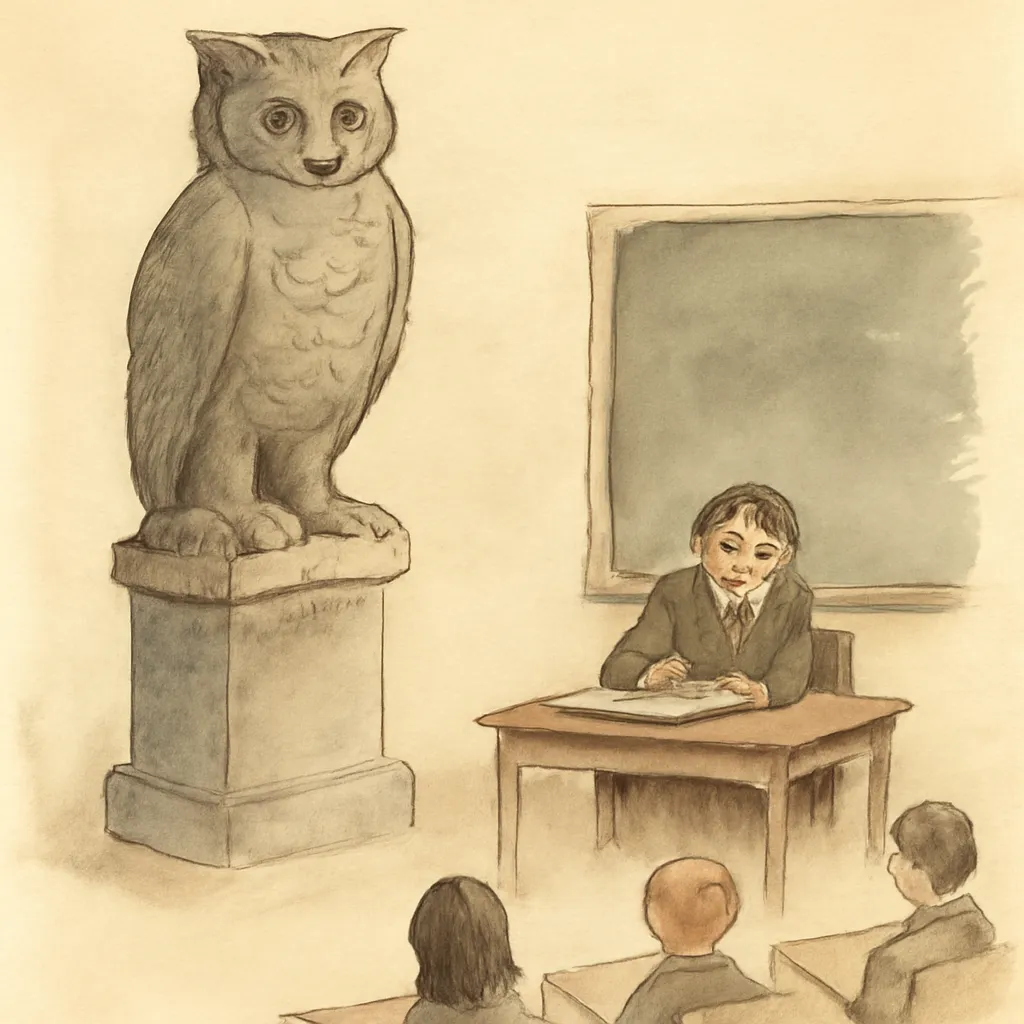
In Old Ebenezer, the school teacher occupies a paradoxical position of respect and disdain. Lyman, who takes up the role of a school teacher, finds that this profession is viewed as 'hopelessly lazy' by the townsfolk. Despite the societal reverence for education, there is an expectation that teachers should be both omniscient and passive, thus limiting their potential. Lyman's dissatisfaction with this role highlights the struggle between societal expectations and personal ambition. He desires a more active engagement with the world, which propels him toward the law—a field he believes will afford him the respect and activity he craves. The community's perception of the teacher as someone who knows everything yet does little reflects the broader context of educational value in society, where a teacher's worth is not only in knowledge but in the ability to inspire and incite action.
3.The Unlikely Partnership
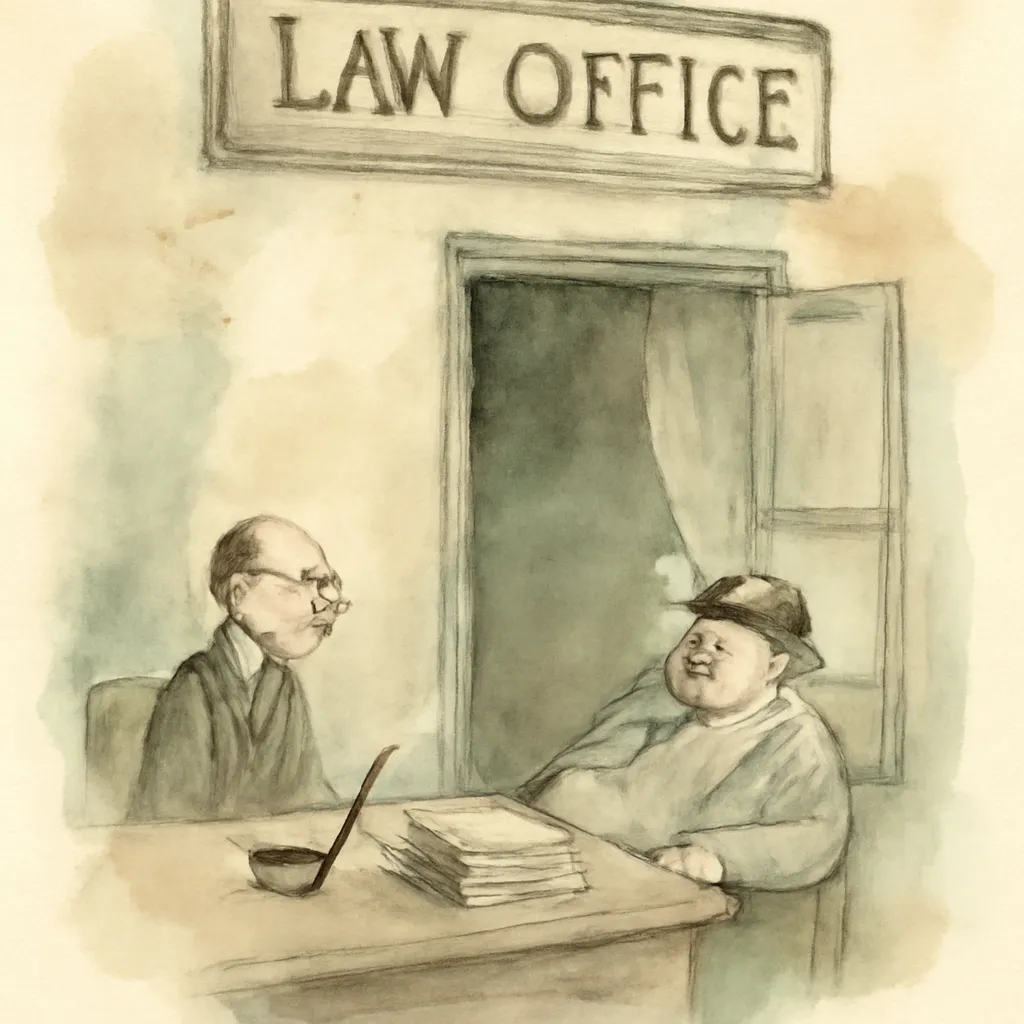
Lyman's partnership with John Caruthers, the noted advocate of Old Ebenezer, serves as a humorous yet poignant commentary on the nature of legal practice in a small town. Caruthers, who spends his days smoking a pipe and waiting for clients, embodies a laid-back approach that contrasts sharply with Lyman's more serious disposition. Their partnership reflects the blending of ambition with the local culture's indifference to urgency. Caruthers’ attitude exudes a sense of complacency that frustrates Lyman, who is eager to make a mark. The dynamic between them is characterized by Lyman’s eagerness to pursue justice and Caruthers’ cynical acceptance of mediocrity in their legal practice. This partnership becomes a microcosm of the challenges faced by those who dare to dream against the backdrop of a complacent society, as readers observe Lyman's internal conflict and desire for meaningful work amidst a sea of lethargy.
4.The Nature of Legal Success
As Lyman and Caruthers navigate their legal practice, they quickly discover that success in the field is not merely about winning cases but also about reputation and connections. Lyman's first case—a sheep theft—highlights the absurdity of their situation when they fail to achieve a favorable outcome. The evidence against their client is overwhelming, and Caruthers’ remark about the necessity of a lawyer's reputation among thieves underscores the moral ambiguity that pervades the legal landscape in Old Ebenezer. This reality challenges Lyman's ideals and forces him to confront the ethical implications of his profession. The anecdote serves as a critique of the legal system and a reflection on how societal norms can shape one's understanding of success. Lyman’s realization that legal victories are often dictated by public perception rather than justice illuminates the complexities of morality in his pursuit of a legal career.
5.The Social Hierarchy
Old Ebenezer is depicted as a microcosm of social dynamics where status and reputation dictate interactions. Banker McElwin, as a figure of authority and wealth, embodies the societal expectations that influence the lives of others in the town. His gatherings serve to reinforce social hierarchies, and the way he treats others reveals the complexities of power and influence. Lyman's initial admiration for McElwin begins to wane as he observes the banker’s arrogance and the way he uses his status to manipulate social situations. This relationship illustrates the conflict between personal values and societal pressures, as Lyman grapples with the implications of aligning himself with figures of authority who may not embody the virtues he cherishes. The interplay between McElwin and Lyman serves to question the price of ambition in a society that values wealth over character.
6.The Illusion of Romance
The courtship between Lyman and Eva McElwin, the banker’s daughter, unfolds against a backdrop of societal expectations and personal insecurities. Lyman's infatuation with Eva is complicated by her perception of him as an outsider. Their interactions are laden with tension, as Lyman admires Eva’s beauty while simultaneously feeling out of place in her world. Eva's initial reluctance to engage with Lyman highlights the social barriers imposed by her father's influence and the community's expectations. As their relationship develops, Lyman's feelings for Eva reveal deeper desires for connection and acceptance. The dynamic raises questions about the nature of love and attraction in a small-town setting, where social status plays a significant role. Lyman’s admiration for Eva is not just romantic; it reflects his yearning for a connection that transcends the superficial barriers imposed by their respective social standings.
7.The Weight of Expectations
Throughout the narrative, Lyman feels the burden of expectations placed upon him by the community and himself. As a school teacher turned lawyer, he battles the stereotype of the 'supremely wise and hopelessly lazy mortal' that teachers are thought to be. This expectation weighs heavily on him, fueling his desire to break free from the confines of his role. He yearns for validation beyond mere social niceties, seeking to make a genuine impact as a lawyer. The societal pressures to conform to certain behaviors and attitudes create a sense of discontent within Lyman, pushing him to seek validation through his work and relationships. This struggle illustrates the universal challenge of reconciling personal ambitions with external expectations. The consequences of living under such pressures manifest in Lyman's sense of isolation and internal conflict, making his journey all the more poignant.
8.The Absurdity of Small-Town Life
The narrative is rich with instances that highlight the absurdities of small-town life. From the comical outcomes of legal cases to the eccentricities of townsfolk, Read captures the quirks that define Old Ebenezer. The humor serves as a coping mechanism for Lyman and the community, as they navigate the challenges of daily life. Instances like the sheep theft case and the interactions at McElwin's gatherings illustrate the ridiculousness of the situations Lyman finds himself in. This absurdity is not merely comedic; it reveals deeper truths about human nature and the social constructs that govern behavior. Through these humorous lenses, readers gain insight into the idiosyncrasies of small-town dynamics, prompting reflections on how these quirks mirror broader societal trends. The comic relief serves as a reminder that while ambition and societal norms may dictate behavior, the essence of community and humanity often lies in its unpredictability.
9.The Dilemma of Identity
Lyman's journey in Old Ebenezer is also a profound exploration of identity. As he oscillates between his New England roots and the Southern lifestyle, he grapples with questions of who he is versus who he is expected to be. This internal conflict is exacerbated by his interactions with the townsfolk, who hold preconceived notions about him based on his profession and background. Lyman's struggle for self-definition is a universal theme that resonates with anyone who has felt the pressure to conform to societal norms. His quest for authenticity amidst external expectations serves as a poignant reminder of the complexities of identity in a rapidly changing world. This exploration is particularly relevant in today’s society, where individuals often find themselves negotiating personal identity in the face of collective expectations.
10.The Pursuit of Happiness
Ultimately, Old Ebenezer challenges the conventional notions of success and happiness. Lyman's experiences reveal that true fulfillment often lies not in professional achievements but in authentic connections and self-acceptance. As he navigates the complexities of his relationships with Eva, Caruthers, and the townsfolk, he begins to understand that happiness is a multifaceted pursuit. The story encourages readers to reevaluate their definitions of success, suggesting that genuine happiness often requires embracing one's true self, despite societal pressures. Lyman’s journey reflects the idea that aspirations should align not only with personal ambition but also with the values of compassion, connection, and community. This realization is a powerful takeaway that resonates with anyone seeking meaning in their lives.