1.The Power of Portraits: Conduits of Memory
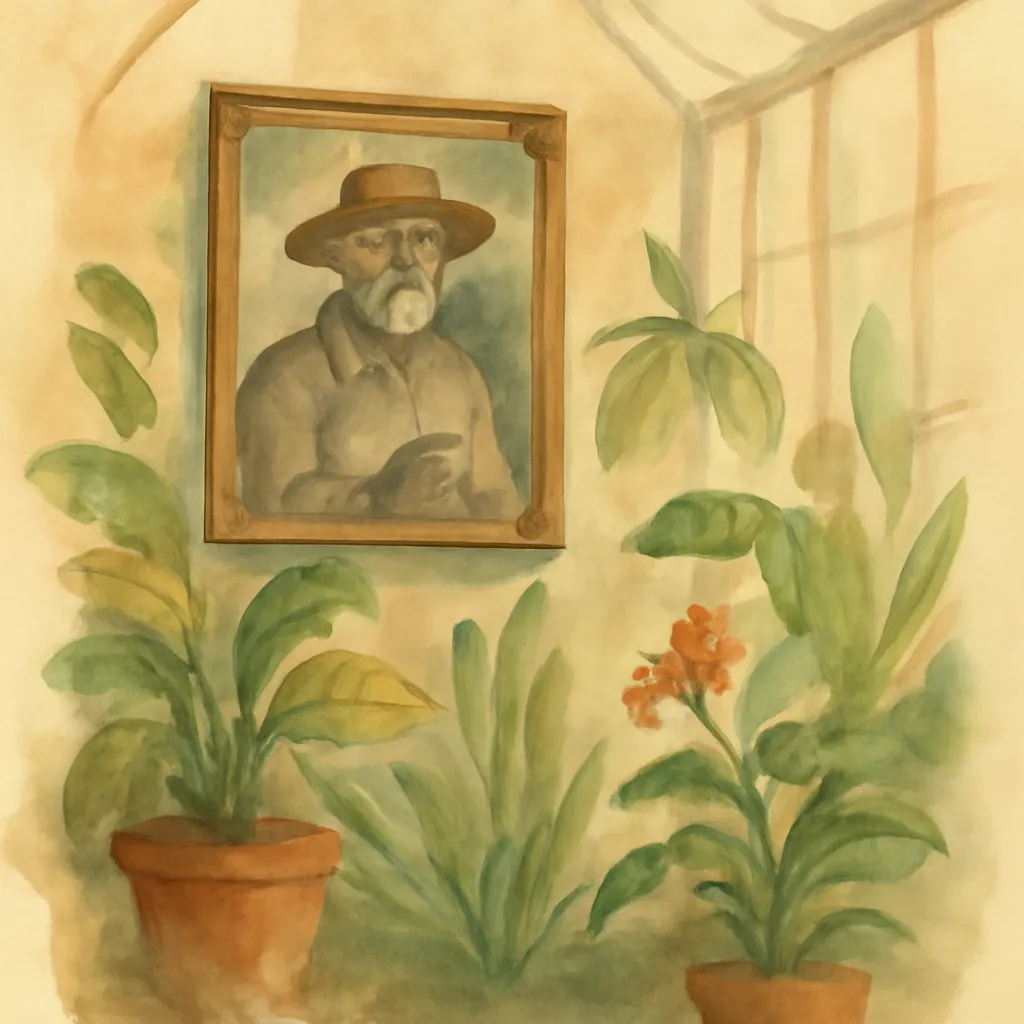
Portraits are more than mere representations; they are conduits that connect us to the thoughts and emotions of historical figures. In the context of gardening literature, these portraits provide insight into the characters and lives of the authors, allowing readers to visualize the personalities behind the written words. The author expresses a longing to see life-like portrayals of figures such as Dr. Beale or Rev. William Gilpin, noting that such images embody their spirits and contributions. This sentiment emphasizes the role of visual art in preserving memory and fostering a sense of connection to those who have shaped our understanding of gardening. The text suggests that the act of viewing these portraits is a gesture of kindness and respect toward the memories of those whose works have enriched our lives, inviting readers to reflect on how each author’s appearance can evoke their literary sentiments and philosophies.
2.John Evelyn: The Foundational Gardener
John Evelyn emerges as a central figure in the history of gardening literature, his works laying the foundation for subsequent generations. His book 'Sylva' is not only a guide to tree cultivation but also an exploration of the relationship between humans and nature. Evelyn's meticulous observations and practical advice reflect his deep appreciation for horticulture as an essential aspect of life. He championed the idea that gardening was not merely a leisure activity but a noble pursuit that could elevate the human spirit. His contributions extended beyond writing; he was instrumental in introducing new horticultural practices and advocating for the importance of landscape design. Portraits of Evelyn, such as those found in his memoirs, serve to immortalize his legacy, allowing modern readers to grasp the man behind the influential works and consider how his passion for nature shaped the principles of gardening that continue to resonate today.
3.Cowley’s Poetic Garden: A Fusion of Art and Nature
Abraham Cowley is celebrated as both a poet and a gardener, blending literary artistry with a profound appreciation for the natural world. His chapter 'Of Gardens' is particularly notable for its vivid imagery and emotional resonance regarding the beauty of the garden. Cowley articulates a philosophy that values simplicity, contentment, and the joy found in nurturing nature. His self-penned epitaph reveals a contemplative character, expressing a desire for peace and lack of worldly ambition. This emphasis on humility and connection to nature serves as a guiding principle in Cowley's work, showcasing how gardening can provide solace and inspiration. The portraits of Cowley, especially those in later editions of his works, reflect not only his physical likeness but also his enduring influence on poetic expressions of nature. Ultimately, Cowley's legacy lies in his ability to intertwine poetry and gardening, highlighting how both fields can enrich human experience through beauty and introspection.
4.Gardening Practitioners: The Unsung Heroes
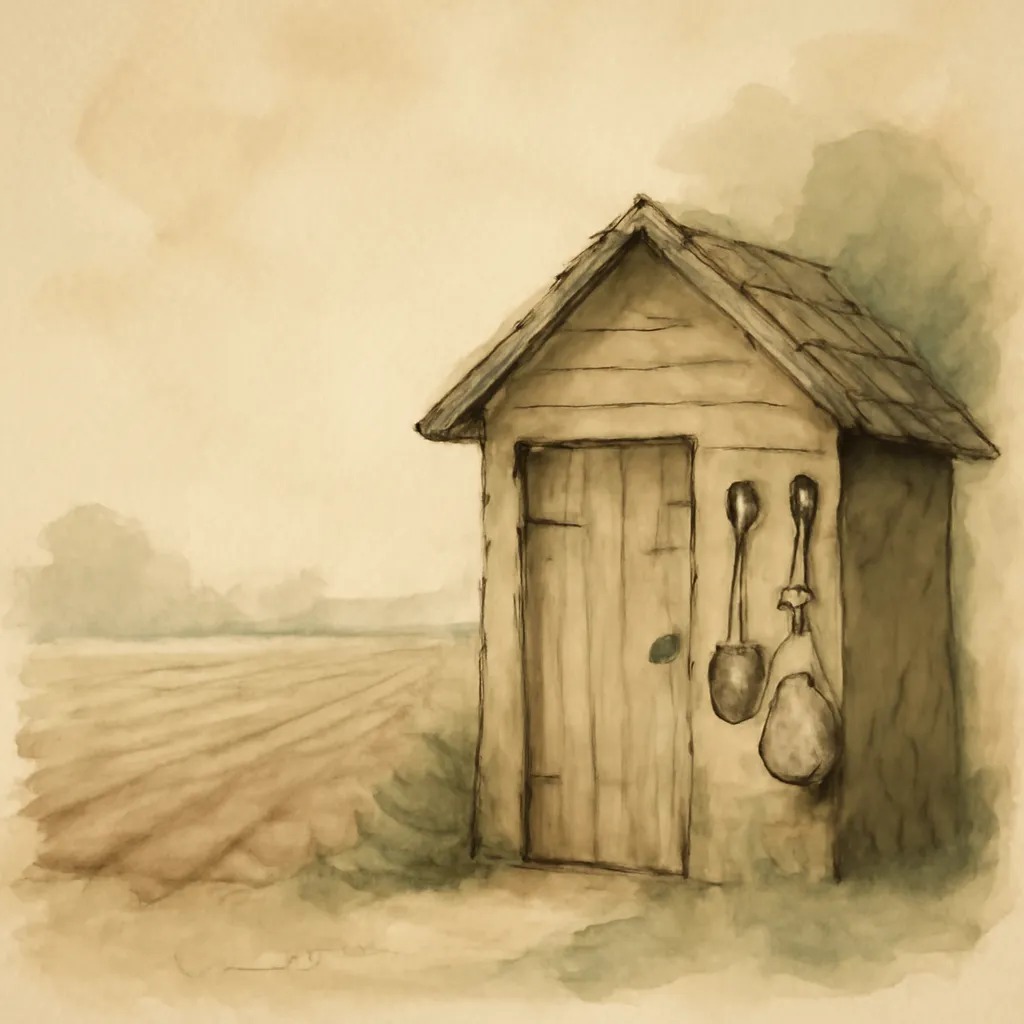
The text pays homage to figures like John Rose, who played essential roles in advancing horticulture through practice and literature. As head gardener to the Lord Essex and later to Charles II, Rose's experiences influenced his writings and gardening techniques. His work, 'The English Vineyard Vindicated,' showcases the importance of adapting international horticultural practices to local contexts, emphasizing the dynamic exchange of knowledge across borders. Rose's portrait, depicting him presenting a prized pine to royalty, symbolizes the esteem in which gardening practitioners were held during his time. This recognition of gardeners as key contributors to the horticultural narrative elevates their status and underscores the collaborative nature of gardening. By celebrating these practitioners alongside literary figures, the text demonstrates how gardening is a collective endeavor that transcends individual contributions and highlights the interconnectedness of knowledge and creativity.
5.Sir William: The Botanist and Philanthropist
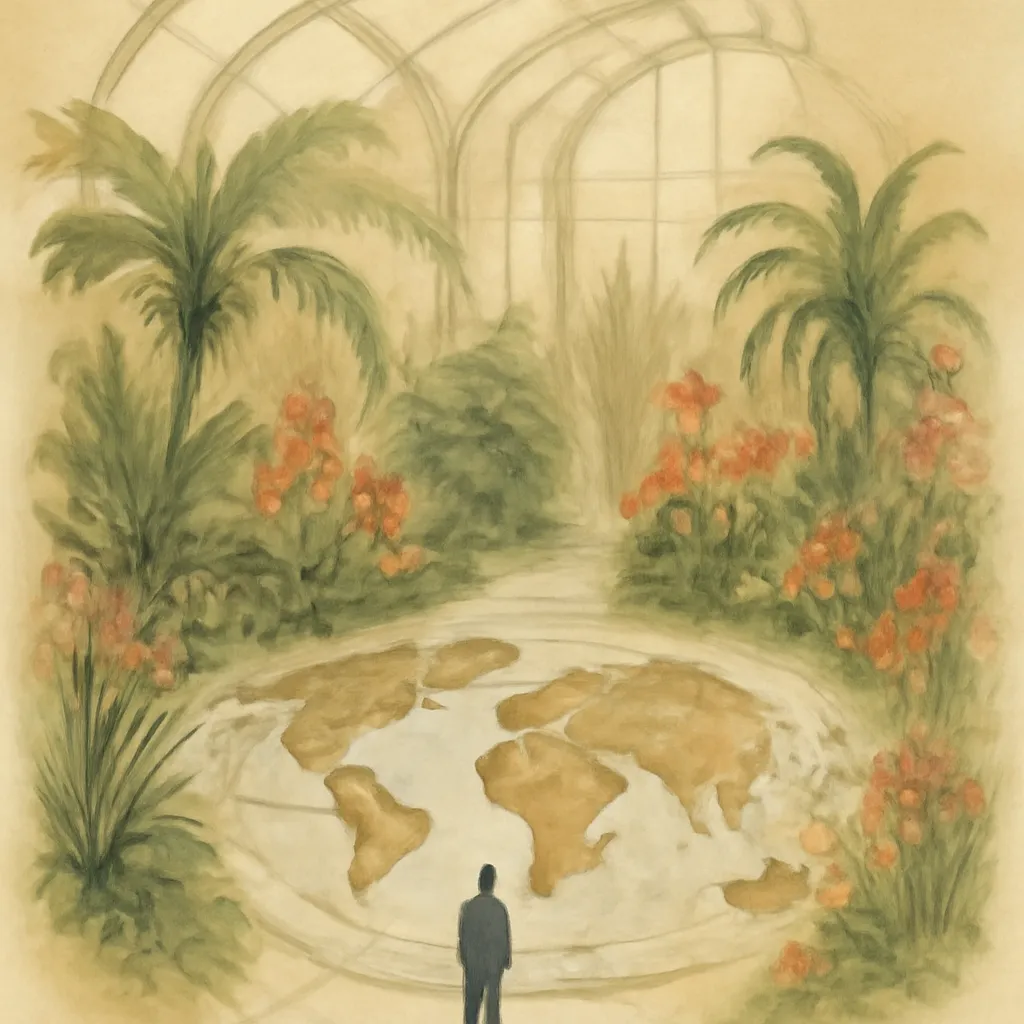
Sir William is portrayed as a vital figure in the realm of botany and horticulture, demonstrating how scientific inquiry can enhance gardening practices. His involvement in the establishment of the British Museum's garden and the introduction of foreign plant species underscores a commitment to expanding botanical knowledge. He became a nexus for experimental philosophers and botanists, fostering an environment where ideas could flourish. The text emphasizes his humanitarian spirit, noting his active participation in charitable endeavors, thereby blending his love for gardening with a broader social mission. Portraits of Sir William capture not only his likeness but also the respect he garnered among his contemporaries. His legacy is a testament to the potential for gardening to serve as a vehicle for scientific exploration and social good, reinforcing the idea that horticulture can be both a personal passion and a means to contribute positively to society.
6.William Hanbury: A Visionary of Charitable Gardening
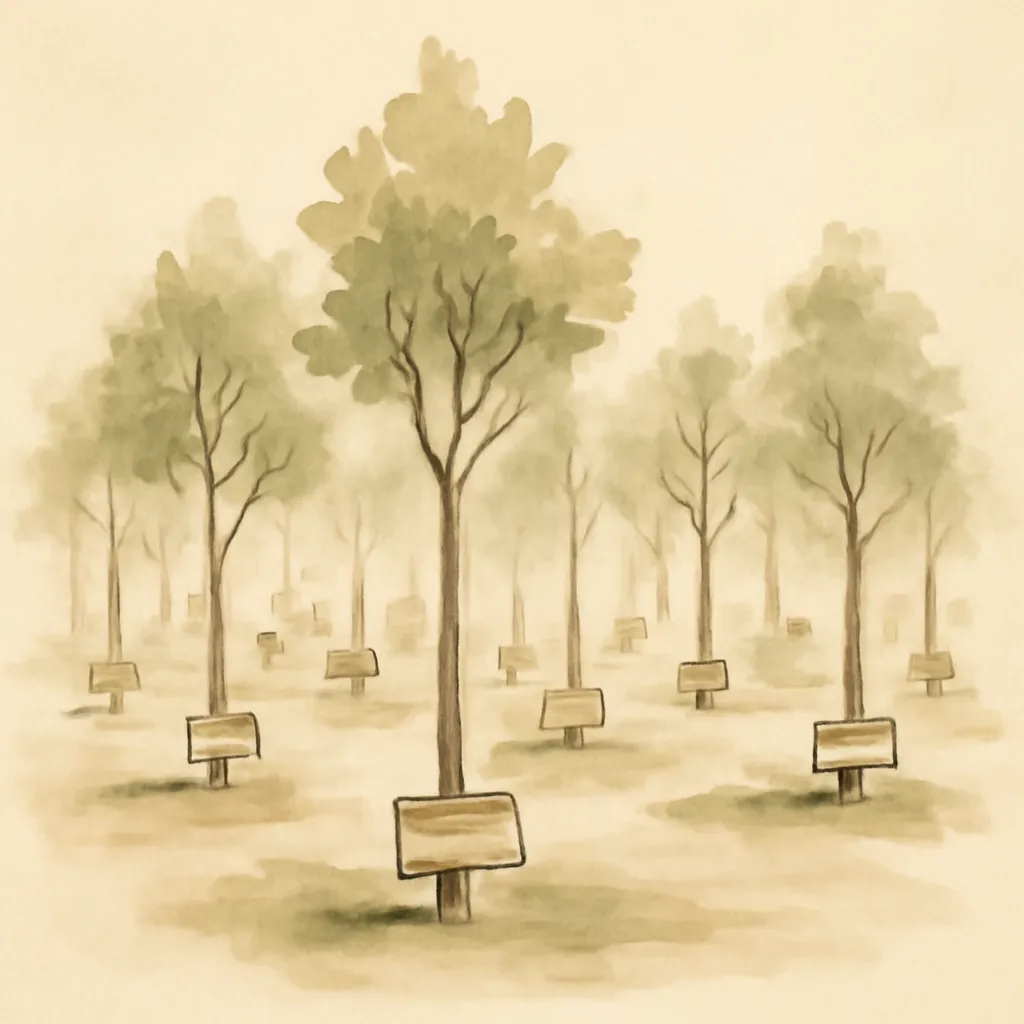
William Hanbury's approach to gardening is characterized by an intertwining of personal passion and social responsibility. His ambitious project at Church Langton aimed to create vast plantations for charitable purposes, reflecting a vision of gardening that extends beyond individual pleasure to embrace broader societal benefits. Hanbury's writings, such as 'A Complete Body of Planting and Gardening,' highlight the moral implications of gardening, suggesting that it can be a means to promote community welfare and environmental stewardship. The portrait of Hanbury serves as a visual reminder of his commitment to philanthropy, emphasizing how gardeners can enact positive change through their love of nature. Despite facing obstacles in realizing his grand vision, Hanbury's legacy continues to inspire contemporary gardeners to consider the social dimensions of their work, advocating for a gardening practice that fosters compassion and community engagement.
7.Dr. Darwin: A Poet of Nature’s Resilience
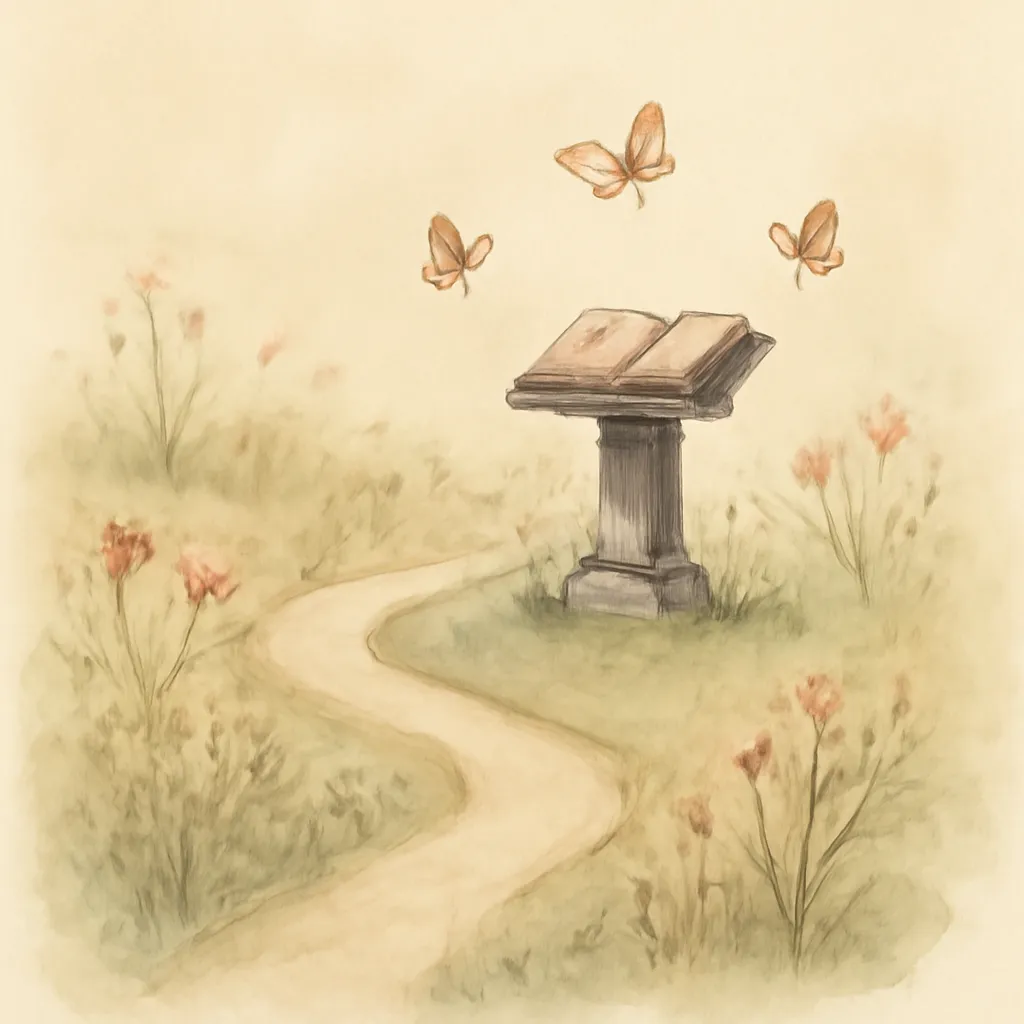
Dr. Darwin’s contributions to gardening literature are marked by a seamless blend of scientific observation and poetic expression. His work, 'The Botanic Garden,' exemplifies his ability to evoke the beauty and struggle inherent in both nature and human life. Darwin's poetry delves into themes of resilience, particularly in the face of adversity, as illustrated through poignant lines that capture the emotional weight of loss and renewal. His ability to intertwine scientific knowledge with poetic imagery invites readers to view gardening as a metaphor for broader human experiences. Portraits of Darwin, alongside critical reflections on his work, illuminate the challenges he faced in balancing empirical inquiry with artistic expression. Ultimately, Darwin’s legacy lies in his capacity to inspire readers to recognize the interconnectedness of life, encouraging a deeper appreciation for the resilience of nature and the human spirit through the lens of gardening.
8.Horace Walpole: Defining Aesthetic Values in Gardening
Horace Walpole stands out as a crucial figure in articulating the aesthetic values associated with gardening. His influential work, 'History of the Modern Taste in Gardening,' serves as a critical examination of the evolving standards of garden design and the principles of taste. Walpole’s refined style and polished manners, shaped by his interactions with the elite, inform his perspectives on how gardens should reflect both beauty and utility. Through his portraits, we see a man deeply engaged with the artistic dimensions of gardening, advocating for a style that emphasizes simplicity and harmony with nature. Walpole’s assertion that 'we have given the true model of gardening to the world' underscores his belief in the cultural significance of English gardening practices. By positioning gardening as an art form capable of shaping social taste, Walpole's legacy continues to influence contemporary approaches to garden design and appreciation.
9.Joseph Cradock: A Gentleman's Touch in Landscape Gardening
Joseph Cradock’s contributions to gardening literature reflect his deep engagement with both aesthetics and social interaction. His 'Village Memoirs' display a keen understanding of landscape gardening, showcasing how natural beauty can be harmonized with human habitation. Cradock's reputation as a polite and learned gentleman underscores the importance of character in the practice of gardening, suggesting that the social bonds formed through shared interests enhance the gardening experience. His interactions with literary luminaries such as Dr. Johnson and David Garrick highlight the communal aspect of gardening, where ideas and inspiration flow freely among peers. The text emphasizes that Cradock’s legacy is not only found in his literary contributions but also in the friendships and connections forged through a shared love of nature. This portrayal reinforces the notion that gardening is intrinsically linked to human relationships, enriching both the practice and the community.
10.Philosophical Dialogues on Gardening: Bridging Art and Nature
The philosophical discussions surrounding gardening, particularly those initiated by figures like Sir Uvedale Price and Richard Payne Knight, delve into the aesthetic principles that govern garden design. Price’s essays explore the distinctions between the picturesque and the beautiful, providing a framework for understanding how gardens can evoke emotional responses and convey deeper meanings. Knight’s works further enrich this discourse by examining the relationship between art and nature, emphasizing the importance of studying landscapes to enhance our gardening practices. Their portraits not only commemorate their contributions but also reflect the intellectual rigor with which they approached gardening. By engaging with these philosophical debates, gardeners can cultivate a deeper appreciation for the art form and its capacity to shape human experience. This dialogue encourages modern practitioners to reflect on their own gardening practices and consider how they can infuse their work with a sense of beauty and meaning, ultimately enriching their connection to the natural world.