1.The Nature of War as a Political Act

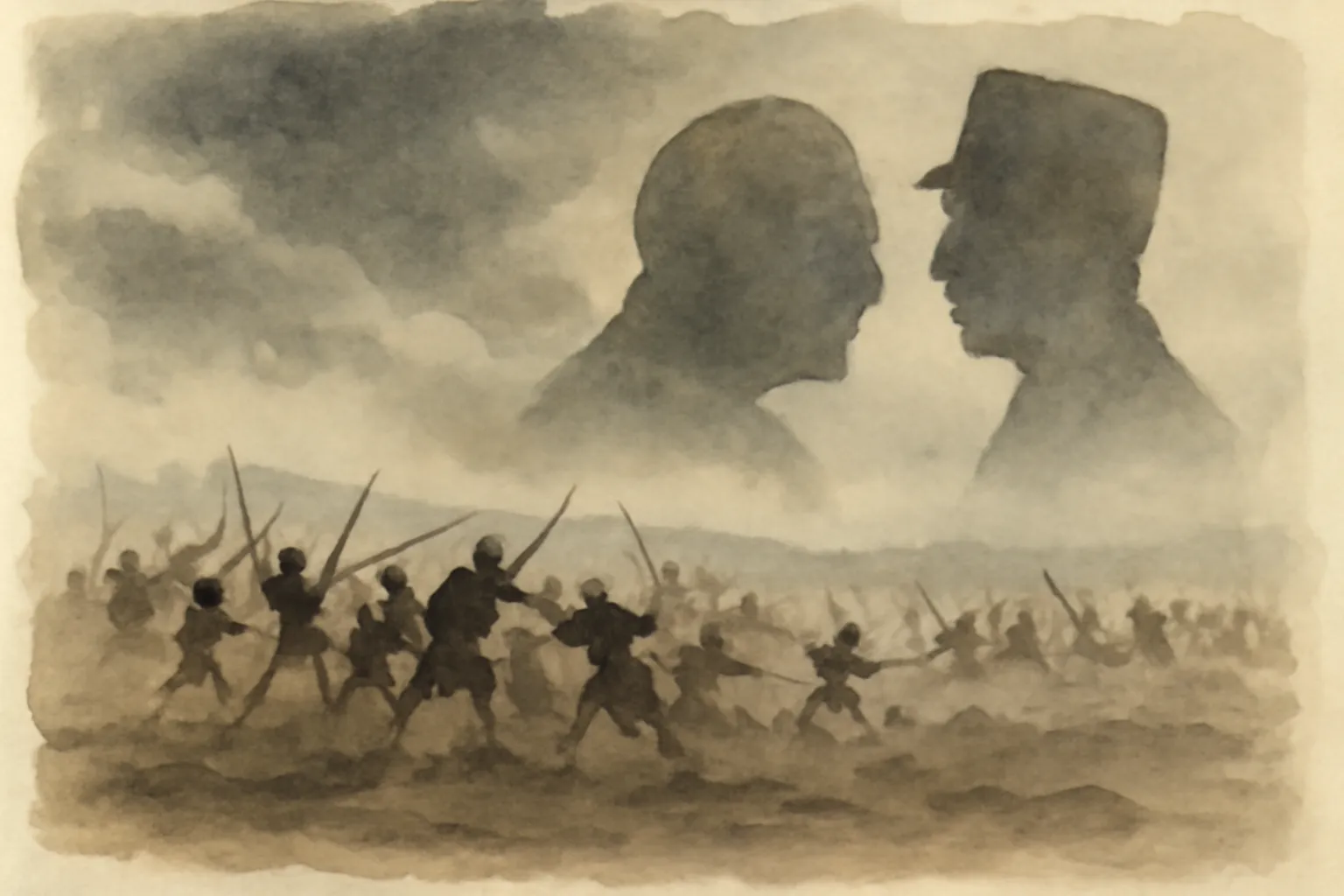
Clausewitz defines war fundamentally as a duel on a grand scale, where the objective is to compel the enemy to submit to one's will. He strips away the romantic notions of battle, presenting war as an exercise of violence aimed at political ends. This perspective challenges the idea that wars are fought solely for glory or honor, instead arguing that they are deeply rooted in practical political objectives. By likening war to a duel, Clausewitz emphasizes the raw human emotions involved, such as fear and aggression, which shape the dynamics of conflict. This definition serves as a foundation for understanding the subsequent complexities of warfare, as it underscores the necessity of recognizing the interplay between military action and political goals. The concept that war is an extension of politics by other means suggests that every military engagement is ultimately a manifestation of political motives, thereby linking the outcomes of war directly to the political landscape and its machinations.
2.Ends and Means: The Variable Objectives of War

Clausewitz elaborates on the variable nature of war's objectives, asserting that the political aims behind military actions dictate the means employed. He distinguishes three primary objectives in war: the destruction of the enemy's military power, the conquest of territory, and the subjugation of the enemy's will. Each objective requires different strategies and resources, and the interplay between these aims can shift as the conflict evolves. For instance, a military campaign may begin with the goal of destroying an enemy's forces but may later shift to securing territory or influencing public opinion. This adaptability is crucial, as it reflects the fluid nature of war where strategies must be continuously reassessed in response to changing circumstances and the actions of the adversary. Clausewitz argues that the clarity of a political objective is vital, noting that without a clear aim, military efforts can become disjointed and ineffective, leading to failures on the battlefield.
3.Friction in War: The Unpredictable Nature of Combat

Friction in war refers to the myriad of unpredictable factors that complicate military operations. Clausewitz argues that while war may seem straightforward in theory, the reality is fraught with challenges that can derail even the best-laid plans. This friction arises from the chaos of battle, miscommunication, and the psychological states of troops, all of which can impact the outcome of engagements. For example, a commander may have a brilliant strategy, but if the troops are fatigued or poorly equipped, the execution may falter. Understanding friction is essential for military leaders, as it compels them to develop flexible strategies that can accommodate unexpected developments on the battlefield. Clausewitz famously states that 'everything is very simple in War, but the simplest thing is difficult,' highlighting that the complexities of human behavior and the chaotic nature of the environment introduce friction that affects planning and execution.
4.The Role of Information: Intelligence and Uncertainty

Accurate information is vital in warfare, yet Clausewitz highlights the inherent uncertainty and unreliability of intelligence. He points out that much of the information gathered during a conflict is contradictory or false, requiring commanders to exercise discernment and judgment. The ability to sift through conflicting reports and make informed decisions under pressure is a hallmark of effective military leadership. For instance, a commander may receive reports of enemy movements that later turn out to be exaggerated or completely incorrect, leading to potentially disastrous decisions if acted upon without scrutiny. This necessity for critical thinking amidst chaos underscores the importance of experience and intuition in warfare. Clausewitz emphasizes that a commander must remain steadfast and rely on their convictions, as the fog of war can obscure the truth and lead to hasty, misguided actions. He also discusses how the moral effect of information can sway the perceptions of both one’s own forces and the enemy’s, thus influencing the conduct of operations.
5.Military Genius: The Qualities of Effective Commanders
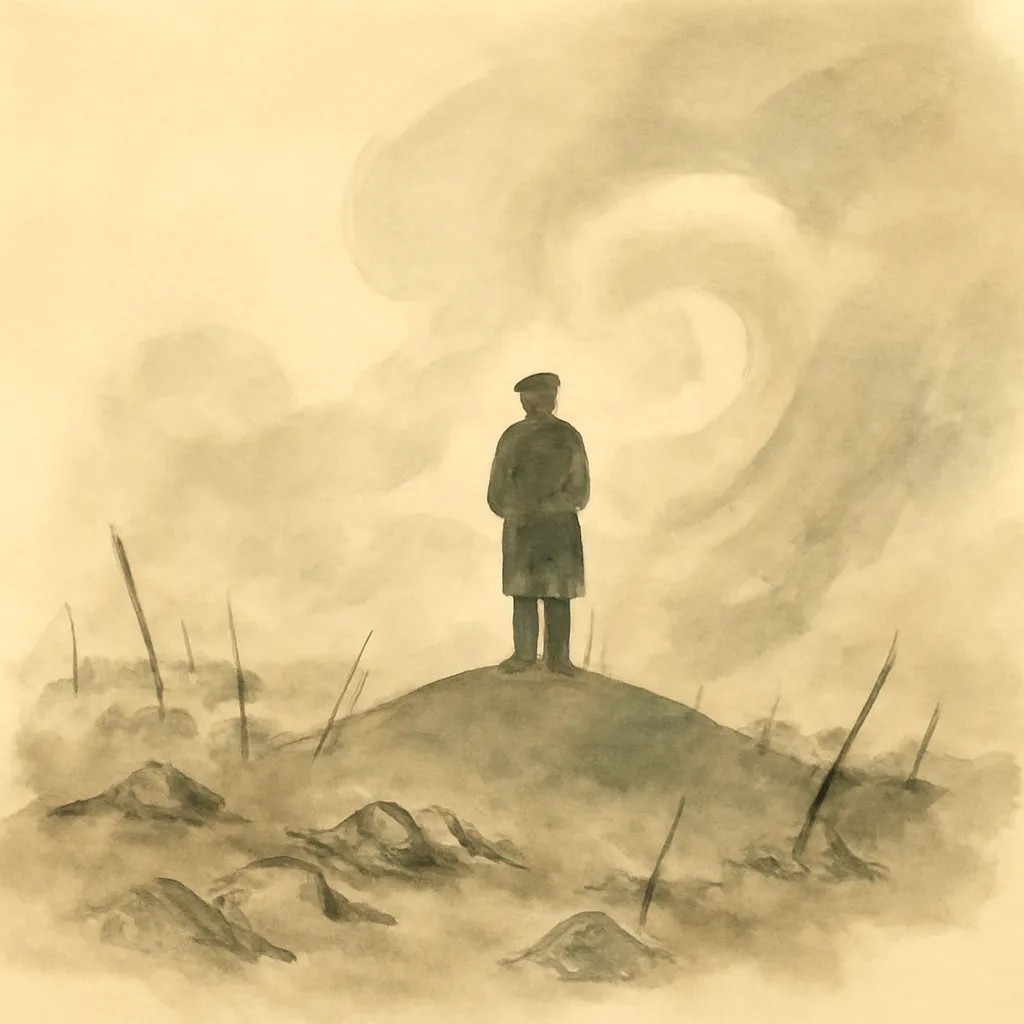
Clausewitz identifies military genius as a crucial quality for successful commanders. He defines genius not merely as exceptional talent but as a harmonious combination of various mental and moral attributes that enable effective leadership in war. This includes intellectual capacity, courage, decisiveness, and the ability to inspire troops. He argues that military genius is rare and cannot be cultivated through mere training; rather, it emerges from a profound understanding of the complexities of war and the ability to adapt to its unpredictable nature. An example of military genius is Napoleon Bonaparte, whose ability to innovate and adapt strategies in real-time led to numerous victories. The presence of such leaders can significantly influence the outcome of conflicts, as they are better equipped to navigate the intricacies of battle and capitalize on opportunities. Furthermore, Clausewitz posits that the collective genius of an army, shaped by experience and morale, can enhance the effectiveness of leadership and decision-making.
6.The Psychological Dimension of War: Morale and Will

A significant aspect of Clausewitz's analysis is the psychological impact of war on both soldiers and commanders. He argues that morale, national spirit, and the emotional state of troops can profoundly affect their performance in battle. For instance, an army driven by a strong sense of purpose and national pride can withstand greater hardships and display superior resilience compared to one lacking such motivation. Additionally, the psychological effects of victory or defeat can have lasting implications, influencing public opinion and the political landscape long after the battle has ended. This understanding of the psychological dimension reinforces the idea that war is not just a physical struggle but also a battle of wills, where the mental fortitude of individuals and groups plays a critical role. The concept of the 'moral forces' in war, which includes the will of the people, the spirit of the army, and the character of the commander, highlights the importance of psychological factors in determining success or failure in conflict.
7.The Importance of Strategy: Planning for Victory

Clausewitz emphasizes the necessity of strategy in war, defining it as the employment of battles to achieve the overarching objectives of a conflict. Strategy involves careful planning and coordination of military actions to ensure that they align with political aims. A successful strategy must account for various factors, including the strengths and weaknesses of both one's own forces and those of the enemy. Clausewitz notes that strategy is not static; it must evolve in response to the realities on the battlefield. Therefore, effective commanders must be able to anticipate potential challenges and adapt their plans accordingly, demonstrating flexibility and foresight in their approach to warfare. He argues that strategy forms the backbone of military operations, as it links the various elements of combat with the larger goals of the war. In this sense, strategy transcends mere tactics, embedding the military actions within the broader context of political objectives and the historical moment.
8.The Nature of Peace: A Temporary State
In discussing the aftermath of war, Clausewitz presents a nuanced view of peace, asserting that it is often a temporary state rather than a definitive end to conflict. He argues that peace treaties may not resolve underlying tensions, and the potential for renewed hostilities remains ever-present. This perspective challenges the notion of peace as a simple cessation of fighting, emphasizing that true peace requires addressing the political and social issues that led to war in the first place. Clausewitz's insights highlight the complexity of post-war scenarios and the importance of diplomatic efforts to achieve lasting stability, as unresolved grievances can lead to future conflicts. He warns that a superficial peace, lacking a genuine resolution of the conflicts that initiated hostilities, can lay the groundwork for future wars. Thus, understanding the nuances of peace is as critical as understanding war, as the two are inextricably linked.
9.Total War: The Blurring of Boundaries
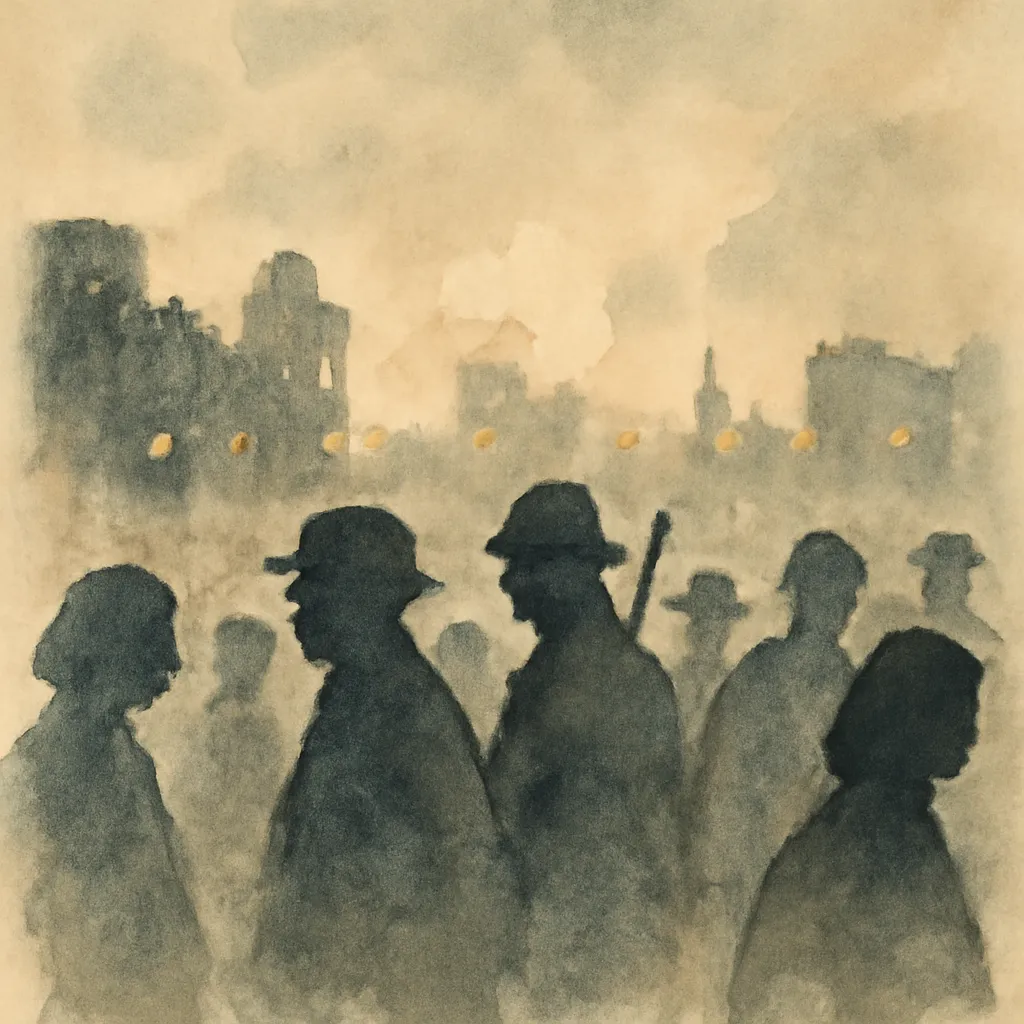
Clausewitz introduces the idea of total war, where the distinction between military and civilian targets becomes blurred. In such conflicts, the entire resources of a nation are mobilized for war, and the aim is not only to defeat the enemy's military forces but also to undermine their will to fight. This concept reflects the realities of modern warfare, where civilian infrastructure can become legitimate targets in pursuit of military objectives. Clausewitz warns that total war can lead to devastating consequences, as it escalates violence and suffering on all sides. He argues that total war represents a shift in the nature of warfare, as it demands greater sacrifices from the populace and blurs the moral lines that traditionally governed conflict. This understanding of total war is particularly relevant in contemporary contexts, where the impacts of conflict extend beyond the battlefield, affecting societies at large and challenging conventional ethical frameworks in warfare.
10.The Legacy of Clausewitz: Enduring Relevance

The impact of Clausewitz's work on military theory and practice cannot be overstated. His ideas have influenced generations of military leaders and strategists, shaping the way wars are understood and conducted. By framing war as a complex interplay of political, psychological, and social factors, he moved the discourse beyond mere tactics to encompass the broader implications of conflict. His emphasis on the unpredictability of war and the necessity for adaptability continues to resonate in modern military thought. Clausewitz's insights remain relevant today, as contemporary conflicts often reflect the intricate dynamics he articulated. His work serves as a foundational text for military academies and is frequently cited in discussions of strategy and warfare. Clausewitz's ability to blend theoretical insights with practical observations of warfare ensures that his legacy endures, making 'On War' an essential reference for anyone seeking to understand the complexities of human conflict.